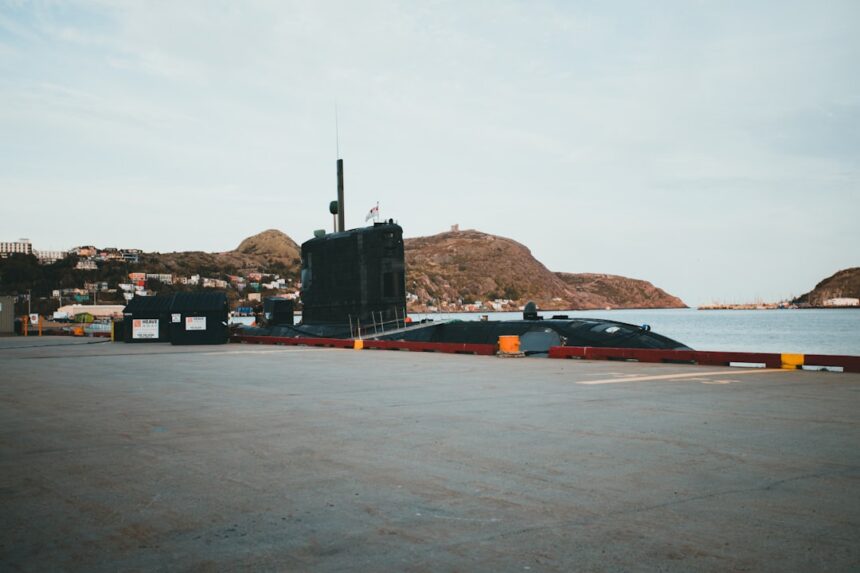
Submarine tracking systems have evolved significantly over the decades, becoming an essential component of naval warfare and maritime security. These systems are designed to detect, locate, and monitor submarines, which are often considered the stealthiest vessels in the ocean.
The evolution of these tracking systems reflects advancements in technology and the changing dynamics of global military strategy. The importance of submarine tracking cannot be overstated. As nations invest heavily in their submarine fleets, the need for effective tracking systems has become paramount.
Understanding the history and advancements in submarine tracking systems provides insight into their critical role in modern naval operations.
Key Takeaways
- Submarine tracking has evolved from early manual methods to advanced sonar and satellite technologies.
- World War II and the Cold War significantly accelerated the development of submarine detection capabilities.
- Modern systems integrate multiple technologies to enhance accuracy and real-time tracking.
- Challenges remain due to the stealth nature of submarines and environmental factors affecting detection.
- Future trends focus on improving technology while addressing environmental impacts and operational limitations.
Early Methods of Submarine Tracking
In the early days of submarine warfare, tracking methods were rudimentary at best. During World War I, navies relied on visual sightings and rudimentary acoustic detection techniques to locate enemy submarines. The use of lookouts on ships was common, with sailors scanning the horizon for periscopes or other signs of submerged vessels.
This method was highly unreliable, as submarines could remain hidden beneath the surface for extended periods, making them difficult to detect. As technology progressed, navies began experimenting with more sophisticated methods. The introduction of hydrophones marked a significant advancement in submarine tracking.
These underwater microphones could detect sounds produced by submarines, such as engine noise or propeller cavitation. However, early hydrophones had limitations in terms of range and sensitivity, often requiring ships to be in close proximity to the target for effective detection. Despite these challenges, these early methods laid the groundwork for future developments in submarine tracking technology.
Development of Sonar Technology for Submarine Tracking
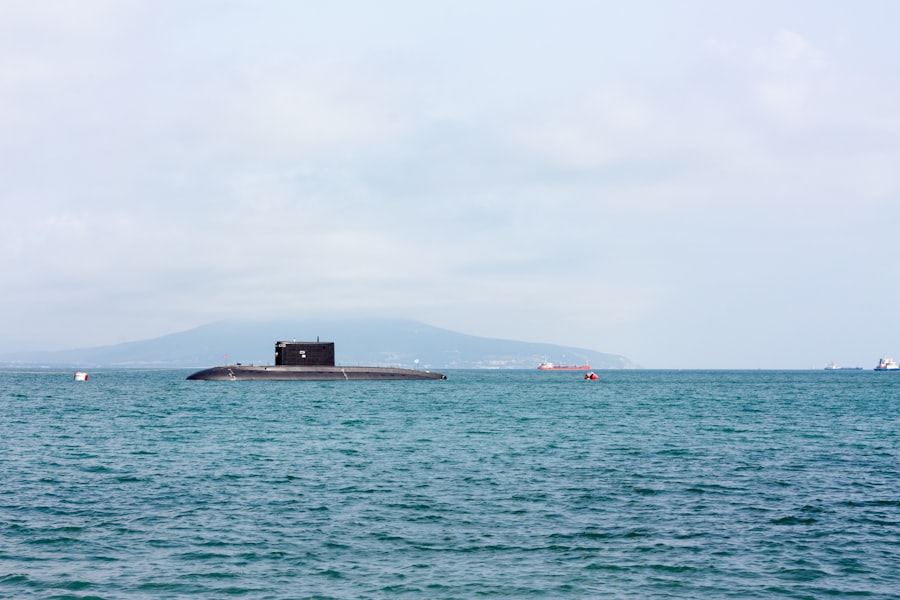
The development of sonar technology revolutionized submarine tracking in the mid-20th century. Sonar, which stands for Sound Navigation and Ranging, utilizes sound waves to detect objects underwater. The technology emerged from the need to counter the growing threat posed by submarines during World War
There are two primary types of sonar: active and passive. Active sonar involves sending out sound pulses and listening for their reflections, while passive sonar relies on detecting sounds emitted by submarines themselves. The latter became particularly important as submarines adopted quieter technologies to evade detection.
The development of advanced sonar systems allowed navies to track submarines over greater distances and with increased accuracy, fundamentally changing naval warfare strategies.
Advancements in Submarine Tracking during World War II
| Advancement | Description | Impact on Submarine Tracking | Year Introduced |
|---|---|---|---|
| Sonar (ASDIC) | Active sonar technology that emitted sound pulses to detect submarines underwater. | Significantly improved detection range and accuracy of submerged submarines. | 1939 |
| High-Frequency Direction Finding (HF/DF or “Huff-Duff”) | Radio direction-finding equipment used to locate enemy submarine radio transmissions. | Enabled rapid triangulation of U-boat positions, aiding convoy protection. | 1941 |
| Radar | Radio detection and ranging system used to detect surfaced submarines and periscopes. | Allowed detection of submarines on the surface, especially at night or in poor visibility. | 1942 |
| Cryptanalysis (Ultra Intelligence) | Breaking of German Enigma codes to intercept and decode U-boat communications. | Provided strategic information on submarine movements and planned attacks. | 1941 |
| Improved Depth Charges | Enhanced explosive devices designed to detonate at precise depths. | Increased effectiveness in damaging or destroying submerged submarines. | 1943 |
| Escort Carriers and Aircraft Patrols | Deployment of aircraft carriers and long-range patrol planes to hunt submarines. | Extended the range of anti-submarine warfare and reduced U-boat operational areas. | 1943 |
World War II marked a turning point in submarine tracking technology, as both Allied and Axis powers recognized the strategic importance of locating enemy submarines. The war saw significant advancements in sonar technology, with both sides investing heavily in research and development. The Allies developed sophisticated sonar systems that could detect submarines at greater depths and distances than ever before.
One notable advancement was the introduction of the “Asdic” system by the British Royal Navy. This early form of active sonar allowed ships to detect submarines by sending out sound waves and analyzing the returning echoes. The effectiveness of Asdic was demonstrated during the Battle of the Atlantic, where it played a crucial role in countering German U-boats.
The war also saw improvements in hydrophone arrays and the development of depth charges, which were designed to target submarines detected by sonar.
Cold War Era and the Race for Submarine Tracking Technology
The Cold War era ushered in a new phase in submarine tracking technology as the United States and the Soviet Union engaged in an arms race that extended to underwater warfare capabilities. Both superpowers recognized that submarines would play a pivotal role in their nuclear deterrence strategies, leading to significant investments in tracking technologies. The development of advanced sonar systems continued, with innovations such as towed array sonar becoming commonplace.
During this period, navies also began employing more sophisticated tactics for submarine detection. The use of aircraft equipped with sonar buoys allowed for broader coverage of ocean areas, enabling quicker responses to potential threats. Additionally, advancements in satellite technology began to influence submarine tracking efforts, providing new avenues for monitoring underwater activities from space.
This era highlighted the importance of integrating various technologies to enhance submarine tracking capabilities.
Integration of Satellite Technology for Submarine Tracking

The integration of satellite technology into submarine tracking systems marked a significant leap forward in maritime surveillance capabilities. Satellites equipped with advanced sensors can monitor vast ocean areas, providing real-time data on naval activities. This capability is particularly valuable for detecting submarine movements and monitoring their operational patterns.
One key advantage of satellite technology is its ability to provide global coverage, allowing navies to track submarines even in remote regions where traditional methods may be less effective. Satellites can detect changes in ocean temperature or surface disturbances caused by submerged vessels, offering valuable clues about their presence. Furthermore, advancements in synthetic aperture radar (SAR) have enhanced the ability to identify surface vessels associated with submarines, such as support ships or tenders.
Modern Submarine Tracking Systems
Today’s submarine tracking systems are a culmination of decades of technological advancements and strategic innovations. Modern navies employ a combination of sonar systems, satellite surveillance, and advanced data analytics to enhance their tracking capabilities. These systems are designed to operate seamlessly across various platforms, including surface ships, submarines, and aircraft.
One notable development is the use of integrated undersea surveillance networks that combine multiple sensors and data sources into a cohesive system. These networks can provide real-time situational awareness and enable rapid decision-making during naval operations. Additionally, advancements in artificial intelligence and machine learning are being leveraged to analyze vast amounts of data generated by tracking systems, improving detection rates and reducing false alarms.
Challenges and Limitations of Submarine Tracking
Despite significant advancements in submarine tracking technology, challenges remain that can hinder effective detection and monitoring. One major limitation is the inherent stealth capabilities of modern submarines. Many contemporary submarines are designed with advanced noise-reduction technologies that make them significantly quieter than their predecessors, complicating detection efforts.
Environmental factors also pose challenges for submarine tracking systems. Ocean conditions such as temperature gradients, salinity levels, and underwater topography can affect sound propagation and limit sonar effectiveness. Additionally, the vastness of the oceans presents logistical challenges for deploying tracking assets over large areas.
As a result, navies must continually adapt their strategies and technologies to address these limitations.
Future Trends in Submarine Tracking Technology
Looking ahead, several trends are likely to shape the future of submarine tracking technology. One promising area is the continued integration of artificial intelligence into tracking systems. AI algorithms can enhance data analysis capabilities, allowing for more accurate predictions about submarine movements based on historical patterns and real-time data inputs.
Another trend is the development of unmanned underwater vehicles (UUVs) that can assist in submarine tracking efforts. These autonomous vehicles can be deployed for reconnaissance missions or to gather data from areas that may be too dangerous for manned vessels. As technology continues to advance, UUVs are expected to play an increasingly important role in enhancing situational awareness and improving tracking capabilities.
Environmental Impact of Submarine Tracking Systems
While submarine tracking systems are essential for national security, they also raise concerns about their environmental impact. The use of sonar technology can have adverse effects on marine life, particularly marine mammals that rely on echolocation for communication and navigation. Prolonged exposure to loud underwater sounds can disrupt their natural behaviors and lead to disorientation or even strandings.
As awareness of these environmental issues grows, there is an increasing push for developing more environmentally friendly tracking technologies. Researchers are exploring alternative methods that minimize acoustic disturbances while still providing effective detection capabilities. Balancing national security needs with environmental considerations will be a critical challenge for future developments in submarine tracking systems.
The Evolution and Importance of Submarine Tracking Systems
The evolution of submarine tracking systems reflects a complex interplay between technological advancements and strategic military needs over the past century. From early visual sightings to sophisticated integrated networks utilizing satellite technology and AI-driven analytics, these systems have become indispensable tools for modern navies worldwide. As nations continue to invest in their submarine fleets and develop new technologies, the importance of effective tracking systems will only grow.
Looking forward, it is essential for naval forces to address both the challenges posed by stealthy submarines and the environmental impacts associated with tracking technologies. By fostering innovation while remaining mindful of ecological considerations, future developments in submarine tracking can enhance maritime security without compromising marine ecosystems. Ultimately, understanding this evolution underscores not only the significance of submarine tracking systems but also their role in shaping global naval strategies for years to come.
The development of submarine tracking systems has a rich history that reflects advancements in technology and military strategy. For a deeper understanding of this evolution, you can explore the article on submarine warfare and tracking systems at In The War Room. This resource provides insights into the challenges and innovations that have shaped the capabilities of modern naval forces in detecting and tracking submarines.
WATCH THIS! The Billion-Dollar Whisper: How One KGB Mole Made Every Soviet Submarine Visible
FAQs
What is a submarine tracking system?
A submarine tracking system is a technology used to detect, monitor, and track the movement of submarines underwater. These systems utilize various methods such as sonar, magnetic anomaly detection, and satellite surveillance to locate and follow submarines.
When did the development of submarine tracking systems begin?
The development of submarine tracking systems began during World War I and accelerated significantly during World War II, as navies sought effective ways to detect enemy submarines and protect their fleets.
What technologies have been used in submarine tracking systems over time?
Submarine tracking systems have evolved to include passive and active sonar, magnetic anomaly detectors (MAD), underwater hydrophone arrays, satellite-based surveillance, and advanced signal processing techniques.
How did World War II influence submarine tracking system development?
World War II was a pivotal period for submarine tracking technology, leading to innovations such as improved sonar systems and the establishment of extensive underwater listening networks like the Allied SOSUS (Sound Surveillance System).
What is SOSUS and why is it important?
SOSUS (Sound Surveillance System) is a network of underwater hydrophone arrays developed by the United States during the Cold War to detect and track Soviet submarines. It played a crucial role in anti-submarine warfare and submarine tracking history.
How have modern advancements impacted submarine tracking systems?
Modern advancements such as digital signal processing, artificial intelligence, satellite reconnaissance, and unmanned underwater vehicles have greatly enhanced the accuracy, range, and reliability of submarine tracking systems.
Are submarine tracking systems used only for military purposes?
While primarily developed for military applications, submarine tracking technologies are also used in scientific research, underwater navigation, and maritime security operations.
What challenges exist in developing effective submarine tracking systems?
Challenges include the stealth capabilities of modern submarines, the complexity of underwater acoustics, environmental noise, and the vastness of the ocean, all of which make detection and tracking difficult.
How has international cooperation influenced submarine tracking system development?
International cooperation, especially among allied nations, has facilitated the sharing of technology, intelligence, and resources, leading to more effective and integrated submarine tracking networks.
What is the future outlook for submarine tracking system development?
The future of submarine tracking systems involves integrating advanced sensors, machine learning algorithms, and autonomous platforms to improve detection capabilities and counter increasingly stealthy submarine technologies.