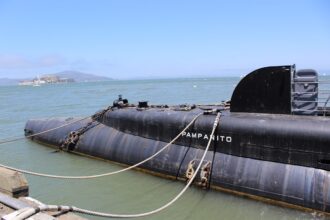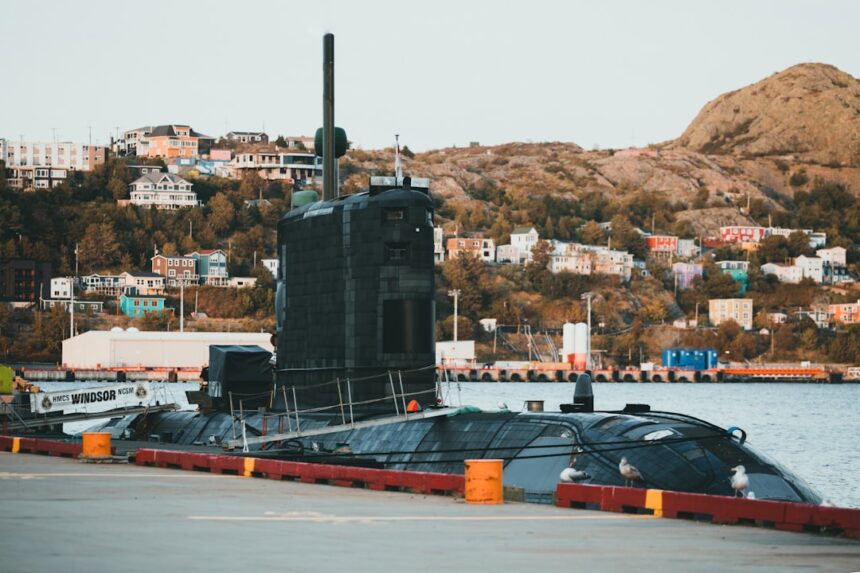
The origins of sonar technology can be traced back to the early 20th century, when scientists and engineers began to explore the potential of sound waves for underwater navigation and detection. The term “sonar,” which stands for Sound Navigation and Ranging, was not coined until later, but the principles behind it were already being developed. Early experiments involved the use of simple sound-producing devices that could detect the presence of objects submerged in water.
These rudimentary systems relied on the reflection of sound waves off underwater surfaces, allowing operators to gauge distances and identify obstacles. As the technology evolved, researchers began to understand the significance of frequency and wavelength in underwater acoustics. They discovered that different frequencies could penetrate water to varying degrees, influencing the effectiveness of detection systems.
This foundational knowledge laid the groundwork for more sophisticated sonar technologies that would emerge in subsequent decades. The early 1900s marked a pivotal moment in underwater exploration, as inventors and scientists sought to harness sound waves for practical applications, setting the stage for future advancements in maritime warfare and exploration.
Key Takeaways
- Sonar technology evolved significantly from early passive systems to advanced active sonar during major conflicts like WWI and WWII.
- The Cold War spurred intense development in submarine detection, integrating satellite and aerial surveillance technologies.
- Artificial intelligence has become crucial in enhancing the accuracy and efficiency of submarine detection systems.
- Underwater acoustic sensors have continuously improved, enabling better detection capabilities in diverse marine environments.
- Future submarine detection focuses on balancing technological advancements with environmental and ethical considerations.
World War I and the Development of Anti-Submarine Warfare
The outbreak of World War I catalyzed significant advancements in anti-submarine warfare, as nations recognized the strategic threat posed by enemy submarines. The German U-boat campaign highlighted the need for effective detection methods, prompting military leaders to invest in sonar technology. During this period, the British Royal Navy pioneered the use of hydrophones—devices that could detect underwater sounds—marking a crucial step in the evolution of submarine detection.
These early hydrophones were often deployed on ships and relied on passive listening to identify the telltale sounds of submarines. The war spurred innovation, leading to the development of more sophisticated sonar systems. The British also experimented with depth charges, which were explosive devices designed to be dropped into the water to detonate at a specific depth, targeting submerged submarines.
This combination of hydrophone technology and explosive weaponry represented a significant leap forward in anti-submarine tactics. By the end of World War I, nations had begun to appreciate the importance of sonar technology in naval warfare, setting a precedent for its continued evolution in subsequent conflicts.
World War II and the Advancements in Submarine Detection
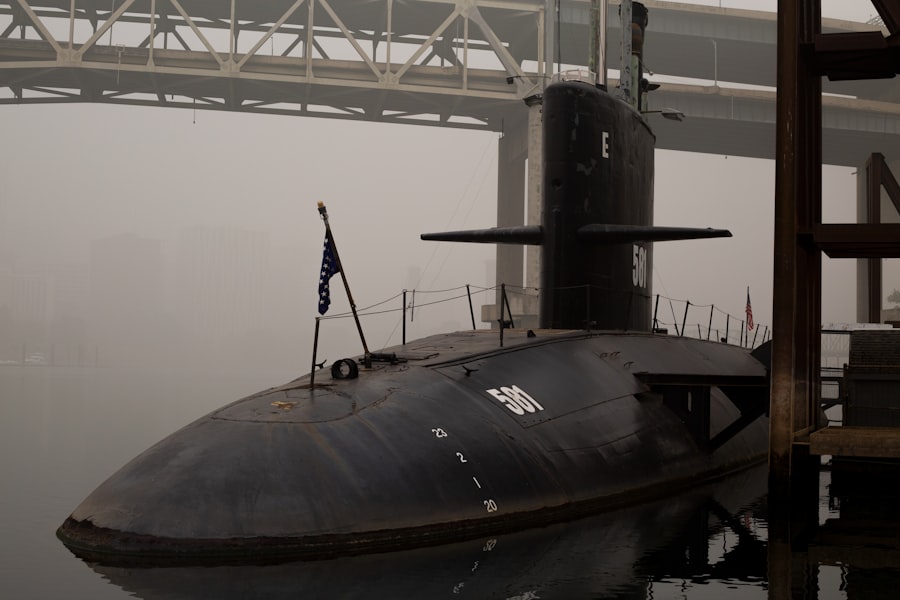
World War II saw an unprecedented escalation in submarine warfare, with both Axis and Allied powers deploying advanced submarines to disrupt supply lines and conduct surprise attacks. The need for effective submarine detection became paramount, leading to significant advancements in sonar technology. The Allies developed more sophisticated active sonar systems that emitted sound waves and analyzed their echoes to detect submarines.
This marked a departure from earlier passive systems, allowing for more proactive engagement with enemy vessels. The introduction of sonar arrays, which consisted of multiple hydrophones arranged in a specific pattern, further enhanced detection capabilities. These arrays could triangulate the position of submarines with greater accuracy, providing naval commanders with critical information about enemy movements.
Additionally, advancements in signal processing techniques allowed operators to filter out background noise, improving the clarity of sonar readings. By the end of World War II, sonar technology had become an indispensable tool for naval forces, fundamentally altering the dynamics of underwater warfare.
Cold War Era and the Race for Submarine Detection Technology
The Cold War era ushered in a new phase in submarine detection technology, characterized by intense competition between superpowers. The proliferation of nuclear submarines added complexity to underwater warfare, as these vessels could operate stealthily and at greater depths than their conventional counterparts.
During this period, research focused on improving both active and passive sonar technologies. The U.S. Navy introduced sophisticated sonar buoys that could be deployed from aircraft or ships, extending detection capabilities over vast ocean areas.
Meanwhile, advancements in digital signal processing allowed for more precise analysis of sonar data, enabling operators to distinguish between different types of underwater sounds. The race for submarine detection technology became a critical component of naval strategy, as both sides sought to gain an advantage in an increasingly complex maritime environment.
Introduction of Passive Sonar Systems
| Era | Technology | Description | Key Metrics | Impact on Detection |
|---|---|---|---|---|
| World War I (1914-1918) | Passive Hydrophones | Early underwater listening devices to detect submarine propeller noises. | Detection range: ~1-2 km Frequency range: Low frequency (below 1 kHz) |
Enabled initial submarine detection but limited range and accuracy. |
| World War II (1939-1945) | Active Sonar (ASDIC) | Sound pulses emitted and echoes analyzed to locate submarines. | Detection range: 3-5 km Frequency range: 10-20 kHz Accuracy: ±100 m |
Significantly improved detection range and targeting capability. |
| Cold War (1950s-1980s) | Low Frequency Active Sonar (LFAS) & Towed Array Sonar | Long-range detection using low frequency sound and passive arrays to track quiet submarines. | Detection range: 20-50 km Frequency range: 100 Hz – 1 kHz Array length: up to 1 km |
Enhanced long-range detection and tracking of quieter nuclear submarines. |
| Modern Era (2000s-Present) | Multistatic Sonar & AI-based Signal Processing | Networked sonar systems with AI algorithms for improved detection and classification. | Detection range: 50+ km Frequency range: Variable Processing latency: <1 second |
Improved detection accuracy, reduced false alarms, and real-time threat assessment. |
| Future (Projected 2030+) | Quantum Sensors & Autonomous Underwater Vehicles (AUVs) | Utilization of quantum magnetometers and AI-driven AUVs for stealthy and precise detection. | Detection range: >100 km (projected) Sensor sensitivity: Ultra-high Autonomy: Fully autonomous operations |
Potential for revolutionary improvements in stealth detection and persistent surveillance. |
The introduction of passive sonar systems marked a significant turning point in submarine detection technology. Unlike active sonar systems that emit sound waves, passive sonar relies solely on listening for sounds generated by submarines and other underwater objects. This approach offers several advantages, including stealth and reduced risk of detection by enemy vessels.
By simply listening to ambient noise and sounds produced by submarines—such as engine noise or cavitation—naval forces could gather valuable intelligence without revealing their own position. Passive sonar systems became particularly important during the Cold War, as both sides sought to maintain a strategic advantage while minimizing their own vulnerabilities. These systems were often deployed on submarines and surface vessels, allowing for continuous monitoring of underwater activity.
The ability to detect submarines without actively broadcasting signals transformed naval tactics, enabling forces to track enemy movements discreetly while planning countermeasures or ambushes.
Advancements in Active Sonar Technology
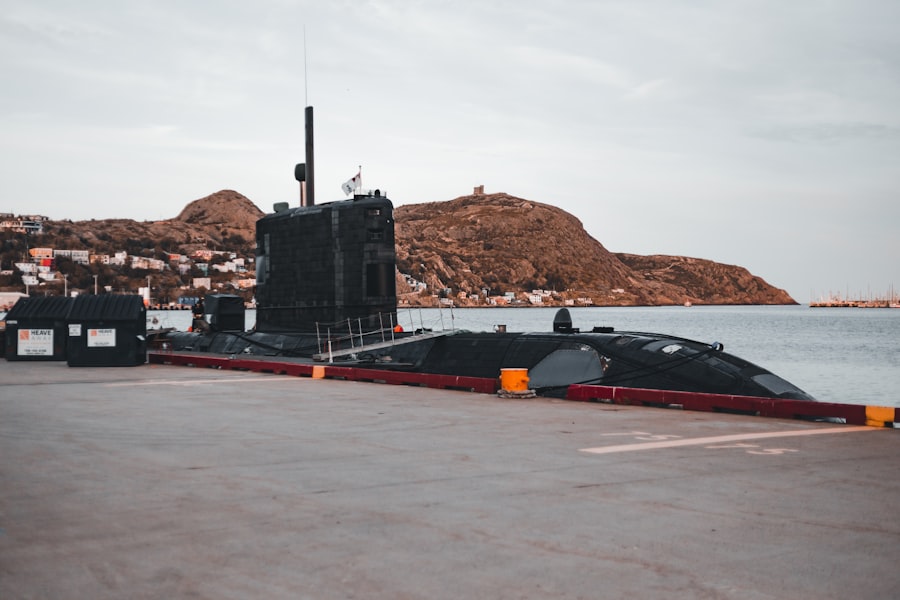
While passive sonar systems gained prominence for their stealthy approach, advancements in active sonar technology continued to play a crucial role in submarine detection. Active sonar systems emit sound waves into the water and analyze the returning echoes to identify objects and determine their distance. This technology proved invaluable for naval operations requiring precise targeting and situational awareness.
One notable advancement in active sonar was the development of phased array sonar systems, which allowed for rapid scanning of large areas without physically moving the sensor array. This capability enabled naval forces to detect submarines more efficiently and effectively than ever before. Additionally, improvements in signal processing algorithms enhanced the ability to filter out background noise and distinguish between different types of underwater sounds, further increasing the accuracy of active sonar systems.
Integration of Satellite and Aerial Surveillance for Submarine Detection
As technology continued to evolve, naval forces began integrating satellite and aerial surveillance into their submarine detection strategies. Satellites equipped with advanced sensors could monitor vast ocean areas for unusual activity or changes in environmental conditions that might indicate submarine presence. This integration allowed for a multi-layered approach to detection, combining traditional sonar methods with cutting-edge satellite technology.
Aerial surveillance also played a critical role in enhancing submarine detection capabilities. Aircraft equipped with advanced radar and imaging systems could cover large areas quickly, providing real-time intelligence on potential submarine movements. The combination of aerial reconnaissance and satellite monitoring created a comprehensive picture of underwater activity, enabling naval forces to respond more effectively to emerging threats.
Role of Artificial Intelligence in Submarine Detection
The advent of artificial intelligence (AI) has revolutionized many fields, including submarine detection technology. AI algorithms can analyze vast amounts of data generated by sonar systems, satellite imagery, and aerial surveillance more efficiently than human operators. By employing machine learning techniques, AI can identify patterns and anomalies that may indicate submarine activity, significantly enhancing detection capabilities.
Moreover, AI-driven systems can adapt over time, learning from previous encounters and improving their accuracy in identifying potential threats. This adaptability is particularly valuable in dynamic underwater environments where conditions can change rapidly. As AI continues to advance, its integration into submarine detection technology promises to further enhance situational awareness and decision-making processes for naval forces.
Evolution of Underwater Acoustic Sensors
The evolution of underwater acoustic sensors has been instrumental in advancing submarine detection technology. Early sensors were relatively simple devices that relied on basic principles of sound propagation. However, as research progressed, engineers developed more sophisticated sensors capable of capturing a wider range of frequencies and providing higher resolution data.
Modern underwater acoustic sensors utilize advanced materials and technologies that enhance their sensitivity and durability. These sensors can operate effectively at great depths and under extreme environmental conditions, making them invaluable tools for naval operations. Additionally, innovations such as fiber-optic sensors have emerged, offering improved performance characteristics compared to traditional electronic sensors.
The ongoing evolution of these technologies continues to shape the future landscape of submarine detection.
Future Trends in Submarine Detection Technology
Looking ahead, several trends are likely to shape the future of submarine detection technology. One significant trend is the increasing emphasis on automation and autonomous systems. Unmanned underwater vehicles (UUVs) equipped with advanced sensors are becoming more prevalent in naval operations, allowing for extended surveillance missions without risking human lives.
These UUVs can operate independently or work alongside manned vessels to enhance overall detection capabilities. Another trend is the growing importance of data fusion techniques that integrate information from multiple sources—such as sonar systems, satellite imagery, and intelligence reports—to create a comprehensive operational picture. This holistic approach enables naval forces to make more informed decisions based on real-time data analysis.
Environmental Impact and Ethical Considerations in Submarine Detection
As submarine detection technology continues to advance, it is essential to consider its environmental impact and ethical implications. The use of active sonar systems can produce loud sound waves that may disrupt marine life and ecosystems. Concerns have been raised about the potential harm to marine mammals that rely on echolocation for navigation and communication.
Ethical considerations also extend to issues related to privacy and surveillance. As naval forces increasingly rely on advanced technologies for monitoring underwater activity, questions arise about the balance between national security interests and individual rights. Striking this balance will be crucial as nations navigate the complexities of modern maritime security while remaining mindful of their responsibilities toward marine environments and global communities.
In conclusion, submarine detection technology has undergone remarkable transformations since its inception in early sonar systems. From its roots during World War I through advancements during World War II and into the Cold War era’s technological race, each phase has contributed significantly to current capabilities. As innovations continue to emerge—driven by artificial intelligence, automation, and data fusion—the future holds promise for even greater advancements while necessitating careful consideration of environmental impacts and ethical responsibilities.
The evolution of submarine detection technology has been a critical aspect of naval warfare, adapting to the increasing stealth capabilities of modern submarines. For a deeper understanding of this topic, you can explore a related article that discusses the advancements in sonar systems and their impact on underwater surveillance. Check it out here: In The War Room.
WATCH THIS! 🎖️ The Silent Underwater Network That Doomed Every Soviet Submarine
FAQs
What is submarine detection technology?
Submarine detection technology refers to the methods and tools used to locate and track submarines underwater. This includes sonar systems, magnetic anomaly detectors, radar, and other advanced sensing technologies.
How has submarine detection technology evolved over time?
Submarine detection technology has evolved from basic passive listening devices to sophisticated active sonar systems, magnetic sensors, and satellite-based detection. Advances in computing and signal processing have significantly improved detection accuracy and range.
What are the main types of sonar used in submarine detection?
The main types of sonar used are passive sonar, which listens for sounds emitted by submarines, and active sonar, which emits sound pulses and listens for echoes to detect objects underwater.
What role do magnetic anomaly detectors play in submarine detection?
Magnetic anomaly detectors (MAD) identify disturbances in the Earth’s magnetic field caused by the metal hulls of submarines, helping to locate them even when they are silent and difficult to detect by sonar.
How do modern submarines evade detection?
Modern submarines use stealth technology such as anechoic coatings, quiet propulsion systems, and tactics like operating in complex underwater environments to reduce their acoustic and magnetic signatures, making detection more challenging.
What advancements have improved submarine detection in recent years?
Recent advancements include improved signal processing algorithms, integration of multiple sensor types, unmanned underwater vehicles (UUVs) for surveillance, and the use of artificial intelligence to analyze detection data more effectively.
Why is submarine detection important for national security?
Submarine detection is crucial for national security because submarines can carry strategic weapons and conduct covert operations. Effective detection helps maintain maritime security and deterrence.
Can satellites be used for submarine detection?
Yes, satellites can assist in submarine detection by monitoring ocean surface disturbances, thermal anomalies, and using radar to detect periscopes or snorkels, complementing traditional underwater detection methods.
What challenges exist in submarine detection technology?
Challenges include the vastness of the ocean, the quietness and stealth of modern submarines, environmental noise, and the need for real-time data processing and interpretation.
How do unmanned systems contribute to submarine detection?
Unmanned systems such as drones and autonomous underwater vehicles can patrol large areas, deploy sensors, and gather data without risking human lives, enhancing the coverage and persistence of submarine detection efforts.