The 1960s represented a zenith in the ingenuity and ruthlessness of espionage during the Cold War. As the ideological chasm between the United States and its Western allies on one side, and the Soviet Union and its satellite states on the other, deepened, so too did the methods employed by their respective intelligence agencies. This period, characterized by proxy wars, an escalating arms race, and profound geopolitical realignments, served as a fertile ground for the covert operations that shaped global politics.
The Cold War was not solely fought with conventional weaponry; a significant and often decisive battleground lay in the realm of technological superiority in intelligence gathering. Both sides recognized that accurate information about the adversary’s capabilities, intentions, and vulnerabilities could dramatically alter the strategic balance.
Aerial Reconnaissance: Eyes in the Sky
Aerial reconnaissance aircraft, notably the American U-2 spy plane, represented a quantum leap in intelligence collection. These high-altitude vehicles were designed to operate above the reach of contemporary anti-aircraft defenses, allowing them to photograph vast swaths of enemy territory with unprecedented clarity.
The U-2’s Unblinking Gaze
The U-2, developed by Lockheed’s Skunk Works, could fly at altitudes exceeding 70,000 feet. Its specialized cameras, designed by Edwin Land of Polaroid, were capable of resolving objects on the ground as small as a foot across. This capability provided Western intelligence with crucial insights into Soviet military deployments, missile sites, and industrial complexes. The U-2 flights over Cuba during the 1962 missile crisis, for instance, offered irrefutable evidence of Soviet offensive missile placements, directly informing President Kennedy’s crisis management.
The Downfall of a High-Flyer
The myth of the U-2’s invincibility was shattered on May 1, 1960, when Francis Gary Powers’ U-2 was shot down over Soviet airspace. This incident, just weeks before a crucial East-West summit, exposed the depth of American espionage efforts and led to a profound diplomatic crisis. The Soviets, possessing the wreckage and the captured pilot, leveraged the event to condemn U.S. aggression, while the U.S. initially attempted to deny the plane’s true purpose before being forced to admit its clandestine activities. This event underscored the inherent risks and political fallout associated with high-stakes reconnaissance.
Electronic Intelligence (ELINT) and Signals Intelligence (SIGINT)
Beyond visual reconnaissance, the acquisition of electronic and signals intelligence became paramount. ELINT focused on intercepting and analyzing electronic emissions from radar, missile guidance systems, and other military hardware. SIGINT, a broader category, encompassed the interception of all forms of communication, from encrypted diplomatic cables to military radio transmissions.
The Iron Curtain’s Cracks: Intercepting Communications
Massive listening posts, both terrestrial and airborne, were established by both sides along their respective borders and in international waters. The National Security Agency (NSA) in the United States and the KGB’s signals intelligence arm developed sophisticated technologies to tap into communication lines and intercept radio frequencies. Submarine-mounted tapping devices were even employed to intercept underwater cables, effectively creating an auditory tunnel into the adversary’s most sensitive communications.
Codemakers and Codebreakers: A Constant Battle
The art of cryptography and cryptanalysis became a perpetual arms race. Agencies like the NSA employed legions of mathematicians and linguists to break enemy codes, while simultaneously developing ever more complex encryption methods for their own communications. The ability to read an adversary’s coded messages offered a direct window into their strategic thinking, military plans, and technological advancements, providing an immense advantage in the Cold War’s shadowy conflict.
In the realm of espionage tactics during the 1960s, a fascinating article discusses the intricate methods employed by intelligence agencies to gather information and conduct covert operations. This piece delves into the psychological strategies and technological advancements that shaped espionage during the Cold War era. For those interested in exploring this topic further, you can read the article here: Espionage Tactics in the 1960s.
Human Intelligence (HUMINT): The Perils of the Personal Touch
While technology offered unprecedented reach, human intelligence remained the bedrock of espionage. Agents, often operating behind enemy lines, provided unique insights that no machine could replicate – information about morale, political dissent, and individual decision-making processes.
Recruiting and Running Agents: The Chess Game of Minds
The recruitment of agents was an intricate and perilous endeavor, often involving years of cultivation and psychological manipulation. Spies were drawn from various walks of life: disgruntled officials, ideological sympathizers, individuals facing financial difficulties, or those susceptible to blackmail.
Sleeper Agents and Deep Covers
Some agents were “sleepers,” embedded for years, patiently awaiting activation. Others operated under “deep cover,” adopting entirely new identities and professions to infiltrate critical sectors of society. Their mission was to gather sensitive information, influence policy, or even destabilize adversary systems from within. The psychological toll on these individuals was immense, often leading to paranoia, isolation, and burnout.
Defection and Double Agents: The Betrayal Game
Defections, such as that of KGB officer Anatoliy Golitsyn to the West in 1961, provided invaluable insights into enemy intelligence structures and ongoing operations. However, the intelligence world was also rife with double agents, individuals ostensibly working for one side while secretly loyal to the other, or more dangerously, to a third party. The uncertainty surrounding an agent’s true allegiance introduced a layer of profound distrust and suspicion into all intelligence operations.
False Flag Operations and Deception
False flag operations, where an action is made to appear as though it was carried out by a specific group other than the one responsible, were a common tactic. These operations aimed to sow discord, confuse adversaries, and manipulate public opinion.
The Art of Disinformation
Disinformation, the deliberate spread of false or misleading information, became a sophisticated weapon. It aimed to undermine an adversary’s credibility, create internal divisions, or influence foreign policy decisions. For example, Soviet intelligence frequently planted fabricated stories in foreign newspapers to discredit Western figures or policies. This psychological warfare was a constant undercurrent throughout the 1960s.
Covert Action: The Invisible Hand of Statecraft
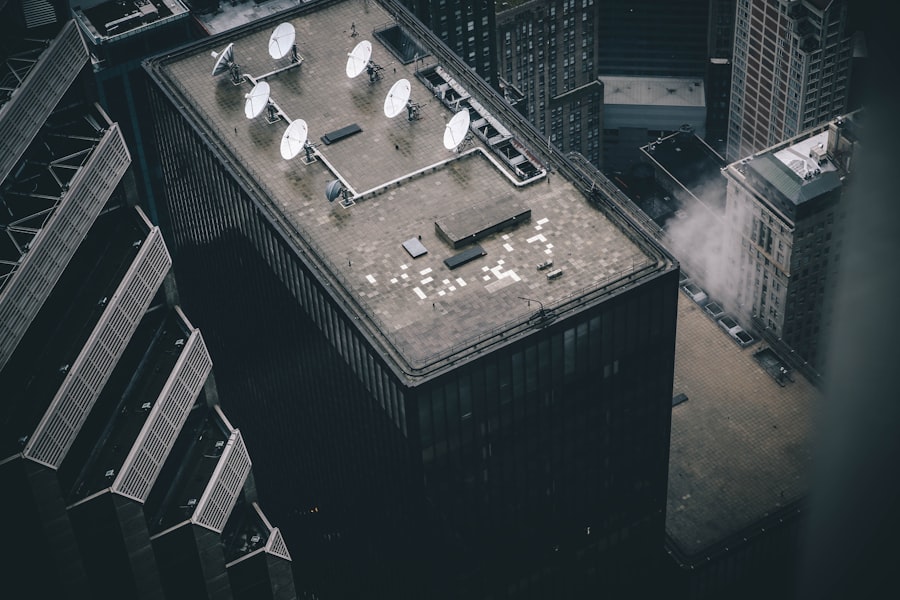
Beyond intelligence gathering, both sides engaged in covert actions designed to influence political outcomes in other nations without overt military intervention. These operations ranged from political manipulation to paramilitary activities.
Support for Proxy Forces and Insurgencies
The 1960s saw numerous proxy wars, where the superpowers supported opposing factions in Third World conflicts. The U.S. and the Soviet Union each funneled arms, funding, and training to insurgent groups or established governments that aligned with their ideological interests.
The Congo Crisis: A Microcosm of Covert Interference
The Congo Crisis (1960-1965) exemplified this dynamic. Both the U.S. and the Soviet Union, fearful of the other gaining influence over resource-rich Central Africa, engaged in clandestine activities, including supporting various political factions and, in some cases, orchestrating the removal or assassination of leaders perceived as hostile to their interests. The involvement of intelligence agencies in the assassination of Patrice Lumumba, the Congo’s first democratically elected prime minister, remains a contentious historical point.
Propaganda and Psychological Warfare
Propaganda was not just a tool of wartime; it was a constant feature of the Cold War. Both superpowers invested heavily in shaping global perceptions, presenting themselves as liberators and their adversaries as oppressors.
Radio Free Europe and Radio Liberty: Beaming Across the Iron Curtain
Managed by the U.S. Central Intelligence Agency (CIA), Radio Free Europe (RFE) and Radio Liberty (RL) broadcast uncensored news and information into Soviet Bloc countries, often offering a counter-narrative to state-controlled media. These stations aimed to foster dissent, inform citizens about events outside the Soviet sphere, and subtly undermine communist regimes. This battle for hearts and minds was as crucial as any military confrontation.
Counterintelligence: A War Within a War
The need to protect one’s own secrets and identify enemy agents operating internally gave rise to robust counterintelligence operations. This was a perpetual cat-and-mouse game, where the hunted could instantly become the hunter.
Unmasking Moles and Preventing Infiltration
Counterintelligence agencies like the FBI in the U.S. and the KGB’s Second Chief Directorate were tasked with identifying, tracking, and neutralizing foreign intelligence operatives. This involved rigorous background checks, surveillance of suspected individuals, and the careful analysis of any security breaches.
The Cambridge Five: A Lingering Shadow
While primarily active in earlier decades, the lingering impact of the Cambridge Five spy ring, which had penetrated British intelligence and supplied crucial information to the Soviets, served as a stark reminder of the devastating consequences of successful infiltration. The ongoing efforts to identify other potential “moles” within Western intelligence agencies created an atmosphere of pervasive suspicion.
Operational Security and Compartmentalization
To mitigate the damage of potential breaches, intelligence agencies adopted strict operational security (OPSEC) protocols and compartmentalization. Information was shared only on a “need-to-know” basis, meaning that no single individual had access to the entirety of an operation, making it harder for a single defector or captured agent to compromise an entire network.
The “Iron Triangle” of Espionage
Consider the “Iron Triangle” of intelligence operations: secrecy, security, and deception. These three pillars were constantly reinforced and re-evaluated by counterintelligence efforts. Every intelligence operation, whether offensive or defensive, was designed with these principles in mind. One cannot have effective espionage without secrecy protecting the operation, security protecting its assets, and deception confusing the adversary.
In the realm of espionage during the 1960s, various tactics were employed that shaped the landscape of intelligence gathering. One fascinating aspect of this era was the use of psychological operations to manipulate public perception and gather information. For a deeper understanding of these strategies, you can explore the article on espionage tactics from that time period at In the War Room, which delves into the intricacies of covert operations and their impact on global politics.
Legal and Ethical Dilemmas of Espionage
| Espionage Tactic | Description | Common Tools | Notable Usage | Effectiveness |
|---|---|---|---|---|
| Dead Drops | Secret locations where agents leave messages or items for others to retrieve without direct contact. | Concealed containers, microfilm | Used extensively by CIA and KGB for covert communication | High – minimized risk of exposure |
| Microphotography | Reducing documents to tiny photographic images for easy concealment and transport. | Microfilm cameras, magnifying devices | Widely used to smuggle classified documents | High – allowed large data transfer in small form |
| Surveillance and Counter-Surveillance | Monitoring targets and detecting enemy surveillance to avoid detection. | Binoculars, wiretaps, disguises | Common in urban espionage operations | Moderate to High – depended on skill and technology |
| Code and Cipher Use | Encrypting messages to prevent interception and understanding by adversaries. | One-time pads, cipher machines | Used by all major intelligence agencies | Very High – critical for secure communication |
| Agent Recruitment | Identifying and recruiting insiders or sympathizers within target organizations. | Psychological profiling, blackmail, incentives | Notable in Cold War espionage between East and West | Variable – success depended on agent loyalty |
The clandestine nature of espionage inherently placed it beyond conventional legal and ethical frameworks, leading to persistent debates and controversies.
The Morality of Covert Operations
The use of assassination, torture, and manipulation of foreign governments raised profound moral questions. While proponents argued that these actions were necessary to safeguard national security in a dangerous world, critics condemned them as undermining democratic values and international law.
The Church Committee Investigations: A Confrontation with Accountability
In the mid-1970s, detailed investigations by the U.S. Senate (the “Church Committee”) exposed numerous abuses by American intelligence agencies, including assassination plots, illegal domestic surveillance, and attempts to destabilize foreign governments. These revelations led to significant reforms, including increased congressional oversight of intelligence activities, highlighting a societal struggle to reconcile the demands of national security with democratic principles.
International Law and Diplomatic Fallout
Espionage activities, even when covert, often had significant diplomatic consequences when exposed. The shooting down of Gary Powers’ U-2, as previously discussed, caused a major international incident.
The Unwritten Rules of the Game
Despite the rhetoric of condemnation, there existed an unspoken understanding among the major powers that espionage was an inevitable, if regrettable, aspect of international relations. While public denunciations were common, behind the scenes, intelligence agencies often operated with a tacit acknowledgment of each other’s existence, a dangerous dance on the precipice of overt conflict. The exposure of agents, while embarrassing, rarely led to war, but it certainly intensified the ongoing cold conflict.
The 1960s were a crucible for modern espionage, forging tactics and technologies that would continue to evolve long after the Cold War’s end. The era reminds us that the quest for information, the manipulation of perceptions, and the unseen hand of covert action are enduring components of international power struggles, then as now.
FAQs
What were common espionage tactics used in the 1960s?
In the 1960s, common espionage tactics included covert surveillance, use of secret codes and ciphers, dead drops for exchanging information, recruitment of spies within government agencies, and electronic eavesdropping such as wiretapping and bugging devices.
Which countries were most active in espionage during the 1960s?
The United States and the Soviet Union were the most active countries in espionage during the 1960s, especially due to Cold War tensions. Other countries involved included the United Kingdom, China, and various Eastern Bloc nations.
How did technology influence espionage tactics in the 1960s?
Technology played a significant role in 1960s espionage, with advancements in electronic surveillance equipment, such as miniature microphones and cameras, as well as improvements in cryptography and satellite reconnaissance, which enhanced intelligence gathering capabilities.
What role did espionage play in the Cold War during the 1960s?
Espionage was a critical component of the Cold War in the 1960s, as both the US and USSR sought to gain strategic advantages by gathering intelligence on each other’s military capabilities, political intentions, and technological developments.
Were there any notable espionage cases or scandals in the 1960s?
Yes, notable espionage cases in the 1960s include the exposure of the Cambridge Five spy ring in the UK, which involved British intelligence officers spying for the Soviet Union, and the U-2 incident in 1960, where an American spy plane was shot down over Soviet territory.