The Sea of Japan, known as the East Sea in Korea, is a strategically vital body of water in Northeast Asia, bordered by Japan, North Korea, South Korea, and Russia. This maritime crossroads has historically been a stage for geopolitical competition, and in recent decades, it has witnessed a significant escalation in military incidents. These events, ranging from territorial incursions to missile tests, collectively paint a picture of rising tensions, serving as a barometer of regional instability. Understanding these incidents requires a nuanced examination of historical grievances, contemporary geopolitical ambitions, and the complex interplay of national security interests.
To comprehend the current state of affairs, one must first acknowledge the deep historical roots of regional disputes. The Sea of Japan, far from being a tranquil expanse, is interwoven with colonial legacies, unresolved territorial claims, and the enduring scars of past conflicts. These historical factors act as a potent accelerant to contemporary tensions, transforming minor incidents into potential flashpoints.
The Dokdo/Takeshima Islands Dispute
Central to the maritime disputes in the Sea of Japan are the Dokdo (Korean) or Takeshima (Japanese) islets. These small, uninhabited rocks are claimed by both South Korea and Japan, with each nation asserting historical and legal justifications for their sovereignty. South Korea currently exercises de facto control, maintaining a small police detachment on the islands.
- National Narratives: Both countries possess deeply ingrained national narratives regarding these islands, often taught in schools and reiterated in official statements. For Koreans, Dokdo symbolizes national sovereignty against Japanese colonialism, while for Japan, Takeshima represents an integral part of its territory.
- Military Posturing: The dispute frequently manifests in military posturing, with both navies occasionally conducting exercises near the islands, intended as demonstrations of resolve. These maneuvers, though often purely defensive in nature, invariably draw swift condemnation from the opposing side, contributing to a cycle of escalation.
- International Court of Justice: While calls have been made for the dispute to be settled by the International Court of Justice, both nations have shown reluctance, fearing an unfavorable ruling that could be a significant political setback.
Post-World War II Geopolitics
The aftermath of World War II reshaped the geopolitical landscape of Northeast Asia, leaving a legacy of division and mistrust. The division of Korea and the subsequent Korean War, along with the Soviet Union’s territorial gains, created a complex web of alliances and antagonisms that continue to influence military interactions in the Sea of Japan.
- Cold War Proxy Conflicts: During the Cold War, the Sea of Japan became a theater for proxy conflicts, with naval forces of the United States and its allies confronting Soviet and North Korean assets. This era established deeply ingrained patterns of suspicion and military readiness that persist today.
- Russia’s Far East Presence: Russia, inheriting the Soviet Union’s strategic interests, maintains a significant naval presence in its Pacific Fleet, based at Vladivostok. Its exercises in the Sea of Japan are often viewed with concern by Japan and South Korea, particularly when they involve joint operations with China.
Recent military incidents in the Sea of Japan have raised concerns among neighboring countries regarding regional security and maritime safety. For a deeper understanding of the implications of these events, you can read a related article that discusses the strategic dynamics and historical context of military activities in the area. To explore this topic further, visit the article at this link.
North Korea’s Provocations: A Constant Variable
North Korea’s ballistic missile and nuclear weapons programs cast a long shadow over the Sea of Japan. Its repeated tests, often launched into international waters within the Sea, are a primary driver of escalating military tensions. These provocations serve multiple purposes for Pyongyang, from demonstrating technological advancement to asserting its regional significance and extracting concessions.
Missile Launches and Testing Grounds
The Sea of Japan frequently serves as North Korea’s primary testing ground for its various missile systems. These range from short-range ballistic missiles (SRBMs) to intercontinental ballistic missiles (ICBMs), often landing within Japan’s exclusive economic zone (EEZ), triggering alarms and international condemnation.
- Violation of UN Security Council Resolutions: Each missile launch is a direct violation of multiple United Nations Security Council resolutions, which prohibit North Korea from developing ballistic missile technology. Despite these resolutions, Pyongyang continues its program, often citing self-defense.
- Regional Alarm and Defense Responses: Neighboring countries, particularly Japan and South Korea, react to these launches with heightened alert levels. Patrols are increased, radar systems are activated, and statements of condemnation are swiftly issued. This constant state of readiness places a significant strain on military resources.
- Strategic Messaging: Beyond technological demonstrations, North Korea uses these launches for strategic messaging. They aim to project an image of strength to its domestic audience, deter potential adversaries, and signal its resolve in the face of international pressure.
Naval and Air Incursions
Beyond missile tests, North Korea’s military has occasionally been implicated in naval and air incursions into disputed waters or near the borders of its neighbors. While less frequent than missile tests, these incidents carry the risk of direct confrontation.
- Fishing Boat Incidents: The porous nature of maritime boundaries occasionally leads to incidents involving North Korean fishing vessels, which sometimes stray into South Korean or Japanese waters, leading to naval interdiction and diplomatic disputes. These incidents, while seemingly minor, can quickly escalate if mismanaged.
- Unidentified Aircraft: There have been instances where unidentified aircraft, suspected of being North Korean, have entered air defense identification zones (ADIZ) of South Korea or Japan, leading to the scrambling of interceptor jets. These events test the readiness of air forces and underscore the ever-present possibility of airspace violations.
Increased Presence of External Powers
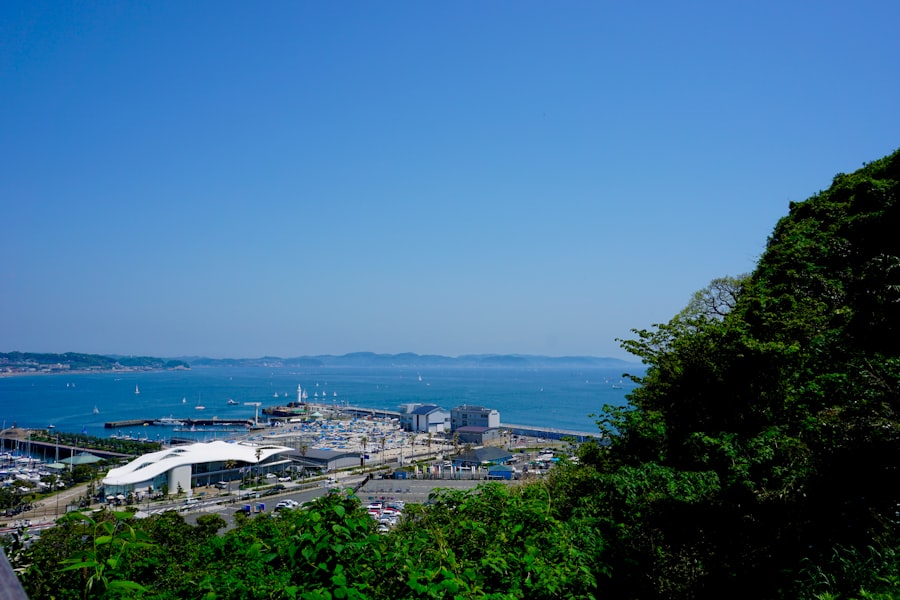
The Sea of Japan is not merely a regional stage; it is increasingly a theater where extra-regional powers assert their influence. The United States, a long-standing ally of Japan and South Korea, maintains a substantial military presence in the region, conducting regular joint exercises. More recently, China has also expanded its naval activities in the area, adding another layer of complexity to the security calculus.
United States’ Role and Alliances
The United States maintains a powerful military presence in the Asia-Pacific, with significant assets in Japan and South Korea. Its commitment to these alliances means it is an active participant in regional security dynamics, frequently conducting joint exercises in the Sea of Japan.
- Deterrence and Assurance: The U.S. presence serves a dual purpose: deterring potential aggressors, particularly North Korea, and assuring its allies of its commitment to their security. These aspects are often highlighted during joint naval and air exercises.
- Freedom of Navigation Operations: While less frequent in the Sea of Japan compared to the South China Sea, the U.S. Navy occasionally conducts freedom of navigation operations (FONOPs) to assert the right of innocent passage through international waters, a subtle message to all littoral states.
- Trilateral Cooperation Efforts: Efforts by the U.S. to foster trilateral security cooperation between itself, Japan, and South Korea face historical impediments but are seen as crucial for a unified response to regional threats. Regular joint drills demonstrate this evolving cooperation.
China’s Growing Naval Ambitions
China’s rapid modernization of its navy and its increasing global ambitions have led to a more assertive presence in waters far beyond its immediate coastline, including the Sea of Japan. Its naval exercises and deployments are closely watched by neighboring countries.
- Joint Drills with Russia: China and Russia have periodically conducted joint naval exercises in the Sea of Japan, a clear demonstration of their growing strategic partnership. These exercises are often perceived as a challenge to the U.S.-led regional security architecture.
- Surveillance and Intelligence Gathering: Chinese naval vessels and, on occasion, aircraft, have been observed conducting surveillance and intelligence-gathering operations in the Sea of Japan, prompting defensive maneuvers from Japanese and South Korean forces.
- Assertion of Influence: China’s expanding naval footprint in the Sea of Japan is part of a broader strategy to assert its influence in the Indo-Pacific region, challenging the existing power dynamics and signaling its rise as a maritime power.
Regional Responses and Cooperative Efforts
In response to the escalating tensions, the littoral states have adopted a multifaceted approach, combining defensive enhancements with tentative steps towards regional cooperation. However, historical animosities and competing national interests often hinder more robust collaborative efforts.
Enhanced Defense Capabilities
Each nation bordering the Sea of Japan has invested significantly in enhancing its defense capabilities, particularly in maritime and air domains, to counter perceived threats and protect their national interests.
- Anti-Missile Systems: Japan and South Korea have heavily invested in sophisticated anti-missile defense systems, such as the Aegis Ashore (for Japan, though its deployment is paused) and Patriot missile batteries, specifically designed to counter North Korea’s ballistic missile threat.
- Naval Modernization: All regional navies are undergoing modernization, acquiring advanced frigates, destroyers, and submarines capable of prolonged deployments and multi-role operations. This includes Japan’s expansion of its helicopter carriers with F-35B compatibility and South Korea’s development of various indigenous naval platforms.
- Air Superiority Assets: Air forces are likewise being bolstered with advanced fighter jets, surveillance aircraft, and drone capabilities to monitor the expansive maritime domain and respond to incursions. Japan’s F-35 procurement and South Korea’s KF-21 development are examples.
Limited Regional Cooperation
Despite the pressing need for de-escalation mechanisms, a web of historical grievances, particularly between Japan and South Korea, often impedes comprehensive regional cooperation.
- Intelligence Sharing Barriers: While some intelligence sharing occurs, especially regarding North Korea’s activities, ingrained mistrust often limits the depth and breadth of such cooperation. Political rhetoric can quickly undermine nascent security agreements.
- Hotlines and Communication Channels: Direct communication channels between military commands of neighboring countries exist but are typically reserved for crisis management rather than routine diplomatic engagement regarding broader security concerns. The establishment of secure, reliable hotlines is a constant aspiration.
- Search and Rescue Exercises: One area where cooperation has seen some success is in humanitarian aid and disaster relief (HADR) and search and rescue (SAR) exercises. These operations are often less politically charged and highlight the shared responsibilities of maritime nations.
Recent tensions in the Sea of Japan have led to a series of military incidents, raising concerns among neighboring countries. An insightful article that delves into the implications of these events can be found on In The War Room, which explores the strategic maneuvers and responses from various nations involved. For a deeper understanding of the situation, you can read the article here.
The Path Forward: Navigating a Volatile Future
| Date | Incident | Involved Parties | Casualties | Description |
|---|---|---|---|---|
| June 15, 2001 | Hainan Island Incident | China, United States | 0 | US EP-3 reconnaissance plane collided with Chinese fighter jet near Sea of Japan, forced emergency landing. |
| November 23, 2010 | ROKS Cheonan Sinking | South Korea, North Korea | 46 South Korean sailors | South Korean warship sunk by a suspected North Korean torpedo in the Yellow Sea, near Sea of Japan region. |
| December 2018 | Russian Naval Exercises | Russia, Japan | 0 | Russian Navy conducted military exercises in the Sea of Japan, raising regional tensions. |
| August 2019 | Japanese Coast Guard Interception | Japan, North Korea | 0 | Japanese Coast Guard intercepted North Korean vessels suspected of illegal fishing and smuggling. |
| March 2022 | South Korean Naval Drill | South Korea, Japan | 0 | Joint naval drills conducted by South Korea near Sea of Japan, with Japan monitoring closely due to regional security concerns. |
The Sea of Japan, a mirror reflecting the volatile geopolitics of Northeast Asia, will likely remain a zone of elevated military tensions. The confluence of North Korea’s ongoing provocations, unresolved historical disputes, and the increasing strategic competition among major powers creates a delicate balance, where a miscalculation could have severe consequences.
Moving forward, the onus lies on all regional actors to demonstrate restraint, prioritize diplomacy, and seek channels for de-escalation. While national security interests are paramount, the shared objective of maintaining regional stability and preventing armed conflict necessitates a commitment to open communication and trust-building measures, however challenging they may be to cultivate amidst a landscape of deep-seated historical and contemporary antagonisms. For the international community, continued diplomatic pressure on North Korea, coupled with support for regional dialogue, remains critical to navigating this complex and increasingly militarized maritime environment. The Sea of Japan, rather than becoming a cauldron of conflict, must be transformed into a testament to the power of multilateral engagement and shared security.
FAQs
What are the Sea of Japan military incidents?
The Sea of Japan military incidents refer to various confrontations and clashes between naval and air forces of countries bordering the Sea of Japan, primarily involving Japan, Russia, and South Korea. These incidents often include territorial disputes, airspace violations, and naval maneuvers.
Which countries are mainly involved in the Sea of Japan military incidents?
The primary countries involved in the Sea of Japan military incidents are Japan, Russia, and South Korea. North Korea has also been involved in some incidents, particularly related to missile tests and naval activities.
What causes the military incidents in the Sea of Japan?
The incidents are mainly caused by territorial disputes, differing interpretations of maritime boundaries, military exercises, and the strategic importance of the Sea of Japan for trade and security. National sovereignty and control over resources also contribute to tensions.
Have there been any major conflicts or wars resulting from these incidents?
While there have been numerous confrontations and close calls, there have been no full-scale wars directly resulting from the Sea of Japan military incidents. Most incidents have been managed through diplomatic channels to avoid escalation.
What measures are taken to prevent escalation of military incidents in the Sea of Japan?
Countries involved often engage in diplomatic talks, establish communication hotlines, conduct joint exercises to build trust, and participate in regional security forums. International law, such as the United Nations Convention on the Law of the Sea (UNCLOS), also provides a framework for resolving disputes peacefully.