The Cold War, a period of geopolitical tension between the United States and the Soviet Union, emerged following World War II. This conflict, which lasted from approximately 1947 to 1991, was characterized by ideological competition between capitalism and communism rather than direct military confrontation between the superpowers. Instead, the rivalry manifested through proxy wars, economic competition, nuclear arms races, psychological warfare, and technological contests such as the Space Race.
Both superpowers sought to expand their spheres of influence globally, with the United States promoting liberal democracy and market economies while the Soviet Union advocated for communist governments and centrally planned economies. This bipolar division of the world led to the formation of military alliances including NATO and the Warsaw Pact, as well as economic partnerships like COMECON and various Western-aligned economic institutions. The conflict underwent several phases, including periods of heightened tension such as the Berlin Blockade (1948-1949), the Korean War (1950-1953), the Cuban Missile Crisis (1962), and the Vietnam War (1955-1975), as well as periods of relative détente.
The Cold War ultimately concluded with the dissolution of the Soviet Union in 1991, fundamentally reshaping the international political landscape.
Key Takeaways
- The Cold War nuclear standoff originated from post-World War II tensions between the US and USSR, leading to an intense arms race.
- The Cuban Missile Crisis marked the peak of Cold War nuclear tensions, highlighting the dangers of direct superpower confrontation.
- Deterrence and mutually assured destruction (MAD) were central strategies preventing nuclear conflict during the Cold War.
- Arms control efforts like the Strategic Arms Limitation Talks (SALT) aimed to curb nuclear proliferation and reduce the risk of war.
- The Cold War nuclear legacy continues to influence modern international relations, with ongoing challenges in disarmament and non-proliferation.
As the dust settled from the global conflict, two superpowers rose to prominence, each with contrasting ideologies: capitalism and communism. The ideological divide was not merely a matter of political preference; it represented fundamentally different worldviews that shaped international relations for decades. The United States, advocating for democracy and free-market principles, found itself at odds with the Soviet Union’s commitment to a state-controlled economy and a one-party political system.
This ideological clash laid the groundwork for a nuclear standoff that would dominate global politics.
The development of nuclear weapons during World War II, particularly with the Manhattan Project and the subsequent bombings of Hiroshima and Nagasaki, introduced a new dimension to warfare. The United States emerged as the first nation to possess atomic capabilities, but this advantage was short-lived. The Soviet Union successfully tested its own atomic bomb in 1949, marking a significant turning point in the Cold War.
The fear of mutual destruction became a central theme in international relations, as both superpowers recognized that their nuclear arsenals could obliterate entire nations. This realization not only heightened tensions but also set the stage for an arms race that would define the Cold War era.
The Arms Race and Nuclear Proliferation
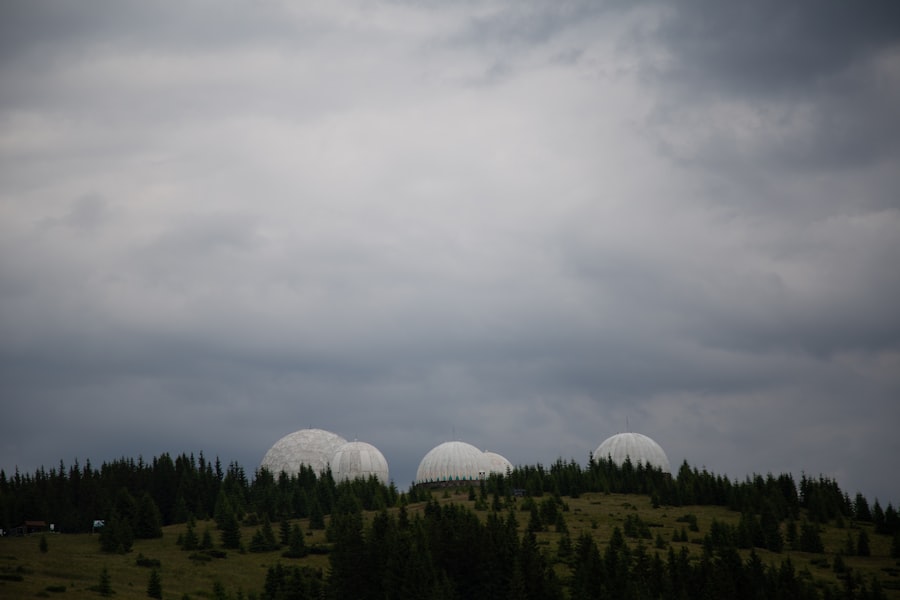
As the Cold War progressed, the arms race between the United States and the Soviet Union escalated dramatically. Both nations engaged in a relentless pursuit of military superiority, leading to the stockpiling of nuclear weapons and delivery systems. The competition was not limited to sheer numbers; it also encompassed advancements in technology, including intercontinental ballistic missiles (ICBMs) and submarine-launched ballistic missiles (SLBMs).
Each side sought to outdo the other, resulting in a staggering accumulation of nuclear warheads that would eventually number in the tens of thousands. Nuclear proliferation became a pressing concern as other nations sought to develop their own nuclear capabilities. Countries such as China, France, and the United Kingdom entered the fray, further complicating an already volatile situation.
The spread of nuclear technology raised alarms about the potential for regional conflicts and the risk of nuclear weapons falling into the hands of rogue states or non-state actors. The international community grappled with how to manage this proliferation, leading to various treaties and agreements aimed at curbing the spread of nuclear weapons while balancing national security interests.
The Cuban Missile Crisis and the Height of Tensions
The Cuban Missile Crisis of October 1962 stands as one of the most perilous moments in Cold War history, epitomizing the high-stakes nature of the nuclear standoff. When American reconnaissance flights revealed Soviet missile installations in Cuba, President John F.
The presence of these missiles posed a direct threat to U.S. national security, prompting Kennedy to impose a naval blockade around Cuba to prevent further Soviet shipments of military equipment. The world held its breath as both superpowers stood on the brink of nuclear war. In a tense standoff that lasted for thirteen days, diplomatic negotiations became crucial. The crisis highlighted the importance of communication between the two nations, as miscalculations could have led to catastrophic consequences. Ultimately, a deal was brokered: the Soviets agreed to dismantle their missiles in Cuba in exchange for a U.S. commitment not to invade the island and a secret agreement to remove American missiles from Turkey. This resolution not only averted disaster but also underscored the necessity for dialogue in managing nuclear tensions.
The Role of Deterrence and Mutually Assured Destruction
| Year | Event | United States Nuclear Warheads | Soviet Union Nuclear Warheads | Notes |
|---|---|---|---|---|
| 1949 | Soviet Union tests first atomic bomb | ~300 | 1 | Start of nuclear arms race |
| 1962 | Cuban Missile Crisis | ~27,000 | ~3,000 | Closest point to nuclear war |
| 1972 | SALT I Treaty signed | ~23,000 | ~18,000 | Limits on strategic ballistic missile launchers |
| 1985 | Peak nuclear arsenals | ~23,000 | ~40,000 | Height of nuclear stockpiles |
| 1991 | START I Treaty signed | ~10,000 | ~12,000 | Reduction of deployed strategic warheads |
Central to the Cold War nuclear standoff was the concept of deterrence, particularly through the doctrine of Mutually Assured Destruction (MAD). This strategy posited that if both superpowers possessed enough nuclear weapons to ensure total annihilation of each other in the event of a conflict, neither would dare initiate an attack. The logic behind MAD was both chilling and paradoxical: by ensuring that any nuclear engagement would result in catastrophic consequences for both sides, it theoretically maintained a fragile peace.
Deterrence shaped military strategies and foreign policies throughout the Cold War. Both superpowers invested heavily in their arsenals while simultaneously engaging in diplomatic efforts to avoid direct confrontation. The existence of nuclear weapons created a precarious balance; while they served as a deterrent against large-scale wars between superpowers, they also increased the risk of accidental launches or misinterpretations during crises.
This delicate equilibrium defined international relations during this era, as leaders navigated a landscape fraught with peril.
The Strategic Arms Limitation Talks (SALT) and Arms Control Efforts
In response to the escalating arms race and the existential threat posed by nuclear weapons, both superpowers recognized the need for arms control measures. The Strategic Arms Limitation Talks (SALT) emerged as a pivotal series of negotiations aimed at curbing the proliferation of nuclear weapons. Initiated in 1969, SALT I resulted in agreements that limited certain types of missile systems and established frameworks for future negotiations.
SALT II followed in 1979, further attempting to regulate nuclear arsenals by placing limits on strategic bombers and ICBMs. Although SALT II faced challenges due to geopolitical tensions and domestic opposition within both countries, it represented a significant step toward reducing the risk of nuclear confrontation. These negotiations underscored a growing recognition that arms control was essential for maintaining stability and preventing an unchecked arms race that could spiral out of control.
The Impact of the Cold War Nuclear Standoff on Global Politics
The Cold War nuclear standoff had profound implications for global politics beyond just U.S.-Soviet relations. Nations around the world were forced to navigate their positions within this bipolar framework, often aligning themselves with one superpower or another based on ideological affinities or security concerns. This alignment influenced regional conflicts and shaped alliances, as countries sought protection under the nuclear umbrella provided by either Washington or Moscow.
Moreover, the specter of nuclear war permeated international discourse, affecting diplomatic relations even among non-aligned nations. The fear of mutual destruction led to a cautious approach in foreign policy decisions, as leaders weighed their actions against potential repercussions on a global scale. The Cold War era thus became characterized by a complex web of alliances and rivalries, with nuclear capabilities serving as both a deterrent and a source of anxiety for nations worldwide.
Proxy Wars and Regional Conflicts during the Cold War
The Cold War’s nuclear standoff did not manifest solely through direct confrontations between superpowers; it also played out in numerous proxy wars across various regions. As both the United States and the Soviet Union sought to expand their influence, they often supported opposing sides in conflicts around the globe. From Vietnam to Afghanistan, these proxy wars became battlegrounds for ideological supremacy, with each superpower attempting to assert its vision for governance.
In many cases, these conflicts were fueled by local grievances but were exacerbated by superpower involvement. For instance, in Vietnam, U.S. support for South Vietnam against communist North Vietnam was part of a broader strategy to contain communism in Southeast Asia.
Similarly, Soviet support for communist movements in Africa and Latin America aimed to counter U.S. influence. These proxy wars not only prolonged regional conflicts but also contributed to global instability, as they often resulted in significant loss of life and humanitarian crises.
The Role of Espionage and Intelligence in the Nuclear Standoff
Espionage played a critical role in shaping the dynamics of the Cold War nuclear standoff. Both superpowers invested heavily in intelligence-gathering operations to monitor each other’s military capabilities and intentions. The establishment of agencies such as the CIA in the United States and the KGB in the Soviet Union underscored the importance placed on obtaining information about potential threats.
Intelligence successes and failures had far-reaching consequences during this period. For instance, accurate intelligence regarding missile deployments during the Cuban Missile Crisis allowed U.S. leaders to make informed decisions under pressure.
Conversely, miscalculations or flawed intelligence could lead to escalations or misunderstandings that might have triggered conflict. As such, espionage became an integral component of national security strategies, influencing diplomatic negotiations and military planning throughout the Cold War.
The Legacy of the Cold War Nuclear Standoff in Modern International Relations
The legacy of the Cold War nuclear standoff continues to shape modern international relations in profound ways. The existence of nuclear weapons remains a central concern for global security, with many nations still possessing significant arsenals capable of catastrophic destruction. The lessons learned from this era inform contemporary discussions on disarmament and non-proliferation efforts as nations grapple with how best to manage existing stockpiles while preventing new states from acquiring such capabilities.
Moreover, the geopolitical landscape has evolved since the end of the Cold War, yet tensions persist among major powers reminiscent of past rivalries. Issues such as North Korea’s nuclear ambitions and Iran’s controversial nuclear program echo historical patterns where nations seek deterrence through similar means. As global politics continues to be influenced by historical precedents set during the Cold War, policymakers must navigate complex relationships while addressing contemporary challenges related to nuclear proliferation.
Current Challenges and Threats in the Post-Cold War Nuclear Landscape
In today’s world, several challenges threaten to destabilize efforts toward nuclear disarmament and non-proliferation. While some progress has been made since the end of the Cold War—such as treaties aimed at reducing arsenals—new threats have emerged that complicate these efforts. Regional conflicts involving states with nuclear capabilities pose significant risks; tensions between India and Pakistan exemplify how historical grievances can escalate into potential nuclear confrontations.
Additionally, advancements in technology have introduced new dimensions to nuclear threats. Cybersecurity vulnerabilities raise concerns about potential attacks on nuclear facilities or command-and-control systems that could lead to unintended launches or catastrophic failures. As nations grapple with these evolving challenges, maintaining robust dialogue and cooperation becomes essential for ensuring global security amidst an increasingly complex landscape.
The Future of Nuclear Disarmament and Non-Proliferation Efforts
Looking ahead, achieving meaningful progress toward nuclear disarmament and non-proliferation will require concerted efforts from both established nuclear powers and emerging states seeking similar capabilities. International frameworks such as the Treaty on the Non-Proliferation of Nuclear Weapons (NPT) remain vital tools for promoting dialogue and cooperation among nations committed to preventing proliferation while working toward disarmament goals. However, achieving consensus on disarmament remains challenging due to differing national interests and security concerns among states.
As geopolitical dynamics shift and new players emerge on the global stage, fostering trust among nations will be crucial for advancing disarmament initiatives. Ultimately, addressing underlying tensions through diplomacy while promoting transparency regarding nuclear capabilities will be essential steps toward building a safer world free from the specter of nuclear conflict.
The Cold War nuclear standoff was a period marked by intense rivalry and the constant threat of nuclear conflict between superpowers. For a deeper understanding of the strategies and political maneuvers during this critical time, you can explore the article on In The War Room, which provides insightful analysis and historical context surrounding the tensions that defined an era.
WATCH THIS 🛑 The Submarine Captain Who Said NO to Nuclear War
FAQs
What was the Cold War nuclear standoff?
The Cold War nuclear standoff refers to the period of intense geopolitical tension between the United States and the Soviet Union from roughly 1947 to 1991, during which both superpowers amassed large nuclear arsenals and engaged in a strategic competition to deter each other from launching a nuclear attack.
Why was the Cold War nuclear standoff significant?
It was significant because it created a constant threat of nuclear war, influencing global politics, military strategies, and international relations. The standoff led to the development of doctrines like Mutually Assured Destruction (MAD), which aimed to prevent nuclear conflict through the promise of devastating retaliation.
What were the main components of the nuclear standoff?
The main components included the arms race, the development and deployment of intercontinental ballistic missiles (ICBMs), submarine-launched ballistic missiles (SLBMs), strategic bombers, and the establishment of early warning systems. Both sides also engaged in espionage and diplomatic negotiations to manage the risk.
What was Mutually Assured Destruction (MAD)?
MAD was a military doctrine and strategic concept where both the United States and the Soviet Union possessed enough nuclear weapons to destroy each other completely. This balance of terror was intended to deter either side from initiating a nuclear attack, as it would guarantee mutual destruction.
Did the Cold War nuclear standoff ever lead to actual nuclear conflict?
No direct nuclear conflict occurred between the superpowers during the Cold War. However, there were several close calls and crises, such as the Cuban Missile Crisis in 1962, which brought the world to the brink of nuclear war but ultimately resulted in diplomatic resolutions.
How did the Cold War nuclear standoff end?
The standoff began to de-escalate in the late 1980s with arms control agreements like the Intermediate-Range Nuclear Forces Treaty (INF) and the Strategic Arms Reduction Treaty (START). The dissolution of the Soviet Union in 1991 marked the end of the Cold War and significantly reduced the immediate nuclear threat between the two former superpowers.
What impact did the Cold War nuclear standoff have on global security?
It led to the establishment of international arms control agreements and non-proliferation efforts, such as the Nuclear Non-Proliferation Treaty (NPT). The standoff also influenced military alliances like NATO and the Warsaw Pact and shaped global security policies for decades.
Were other countries involved in the Cold War nuclear standoff?
While the primary nuclear standoff was between the US and the USSR, other countries like the United Kingdom, France, and China developed nuclear weapons during this period. Additionally, proxy conflicts and alliances around the world were influenced by the broader Cold War dynamics.