Ensuring Safety: Diplomatic Security Contractors in Baghdad
The labyrinthine streets of Baghdad, once a symbol of a nation in turmoil, now represent a complex landscape where diplomacy and security are inextricably intertwined. Within this intricate environment, a specialized and often unseen force plays a crucial role in safeguarding diplomatic missions: private security contractors. These individuals, drawn from diverse military and law enforcement backgrounds, operate at the forefront of protecting embassies, consulates, and the personnel who staff them, ensuring that vital diplomatic functions can continue amidst persistent, albeit evolving, security challenges. Their presence is a testament to the necessity of specialized expertise in high-risk environments, and their effectiveness is a cornerstone of sustained diplomatic engagement in Iraq. The history of private military and security companies (PMSCs) in post-invasion Iraq is a long and complicated one, evolving from providing basic logistical support to offering comprehensive, life-saving security services. As the security landscape has shifted, so too has the role and responsibility of these contractors, who are now integral to the operational framework of diplomatic missions.
Baghdad, despite significant progress in recent years, continues to present a multifaceted and dynamic security environment. The remnants of past conflicts, the presence of residual extremist elements, and the ever-present threat of criminal activity necessitate a constant state of vigilance. Diplomatic security contractors are tasked with navigating this complex tapestry of threats, understanding their nuances, and implementing strategies to mitigate them effectively.
Understanding the Spectrum of Threats
The threats faced by diplomatic personnel in Baghdad are not monolithic. They range from the overt and impactful to the subtle and insidious.
Suicide Bombings and Vehicle-Borne Improvised Explosive Devices (VBIEDs)
Historically, suicide bombings and VBIEDs have been a primary concern in Iraq. While their frequency has decreased, they remain a potent threat. Diplomatic security contractors are trained to identify potential VBIED indicators, conduct thorough route reconnaissance, and implement layered security protocols to disrupt or neutralize such attacks before they reach their targets. This involves not only physical security measures but also intelligence gathering and analysis to anticipate potential attack vectors.
Rocket and Mortar Attacks
The Green Zone, the fortified enclave housing many diplomatic missions, has been a frequent target of rocket and mortar attacks. Contractors are instrumental in the operation of defensive systems, early warning protocols, and rapid response procedures to minimize casualties and damage in the event of such barrages. Their understanding of ballistics and impact zones is crucial in these scenarios.
Small Arms Fire and Ambushes
While less common against highly secured diplomatic convoys, the risk of small arms fire and ambushes persists, particularly in certain areas outside the Green Zone or during transit. Contractors are proficient in defensive driving techniques, evasive maneuvers, and the use of force when absolutely necessary to protect their charges. Their tactical acumen is honed through rigorous training and extensive real-world experience.
Kidnapping and Hostage-Taking
The risk of kidnapping and hostage-taking, particularly targeting expatriate personnel, remains a persistent concern. Diplomatic security contractors are trained in threat assessment, risk mitigation strategies, and, in the worst-case scenario, tactical rescue operations. Their understanding of local criminal networks and extremist groups is vital in preventing such incidents.
Insider Threats and Espionage
Beyond overt physical threats, the possibility of insider threats and espionage cannot be discounted. Diplomatic security contractors, in coordination with diplomatic security services, play a role in maintaining personnel vetting processes, monitoring access points, and ensuring the integrity of sensitive information. Their presence can also act as a deterrent against individuals seeking to compromise security.
Intelligence Gathering and Situational Awareness
A cornerstone of effective diplomatic security in Baghdad is the continuous gathering and analysis of intelligence. Contractors are not just enforcers; they are also integral to the intelligence cycle, providing ground-level information and contributing to a comprehensive understanding of the security environment.
Real-time Threat Monitoring
Contractors are constantly monitoring local news, social media, and other open-source intelligence to identify emerging threats. They work closely with diplomatic security officers to feed this information into broader intelligence assessments, allowing for proactive adjustments to security protocols.
Human Intelligence and Local Networks
Building and maintaining relationships with local contacts and informants is a crucial aspect of intelligence gathering. Contractors, through their interactions and understanding of local dynamics, can gather valuable insights into potential threats that might not be visible through other channels. This requires cultural sensitivity and a long-term perspective.
Reconnaissance and Route Analysis
Before any movement outside a secure compound, thorough reconnaissance and route analysis are conducted. Contractors assess potential hazards, identify safe havens, and develop contingency plans for each leg of the journey. This proactive approach is essential in minimizing exposure to danger.
In recent discussions surrounding the role of diplomatic security contractors in Baghdad, an insightful article titled “The Evolving Landscape of Security in Conflict Zones” provides a comprehensive analysis of the challenges and responsibilities faced by these contractors. This piece delves into the complexities of ensuring safety for diplomatic missions in high-risk areas, highlighting both the strategic importance and the ethical dilemmas involved. For more information, you can read the article at The Evolving Landscape of Security in Conflict Zones.
The Role and Responsibilities of Diplomatic Security Contractors
The mandate of diplomatic security contractors in Baghdad is multifaceted, extending far beyond simple guarding duties. They are the operational arm of diplomatic security, responsible for implementing, maintaining, and adapting security measures to meet the evolving challenges.
Protective Services and Convoy Security
At the heart of their role lies the protection of diplomatic personnel and property. This encompasses a wide range of activities, from static guarding to dynamic escort missions.
Armed Escorts for High-Risk Travel
When diplomats or other personnel need to travel outside the highly secured Green Zone, armed contractor escorts are essential. These teams are highly trained in defensive tactics, medical response, and communication protocols, ensuring the safety of their charges in transit. The composition and armament of these convoys are meticulously planned based on the perceived threat level.
Static Guarding and Access Control
Contractors are responsible for maintaining the security of diplomatic compounds, embassies, and consulates. This involves vigilant observation, controlled access to facilities, and the prevention of unauthorized entry. They are the first line of defense against direct assaults on these critical infrastructure sites.
Emergency Response and Evacuation Support
In the event of a security incident, diplomatic security contractors are trained to respond rapidly and effectively. They participate in emergency drills, assist in the evacuation of personnel, and provide a secure perimeter during crises. Their ability to remain calm and decisive under pressure is paramount.
Risk Assessment and Security Planning
The proactive identification and mitigation of risks are central to the contractors’ mission. They contribute to the development and refinement of security plans, ensuring they are commensurate with the prevailing threat environment.
Developing Standard Operating Procedures (SOPs)
Contractors play a vital role in developing and implementing detailed Standard Operating Procedures (SOPs) for a wide range of security-related activities. These SOPs cover everything from vehicle searches and entry protocols to emergency response plans and communication procedures.
Threat Vulnerability Assessments
Regular threat vulnerability assessments are conducted to identify potential weaknesses in existing security measures. Contractors provide invaluable ground-level input to these assessments, highlighting practical considerations and operational realities.
Security Briefings and Training
Contractors often assist in providing security briefings to diplomatic staff, educating them on the current threat environment and best practices for personal security. They may also participate in or lead specialized security training for embassy personnel.
Operational Support and Logistics
Beyond direct security functions, contractors often provide essential operational and logistical support that underpins the smooth functioning of diplomatic missions.
Secure Transportation Management
Ensuring the secure and reliable transportation of personnel and sensitive materials is a critical function. Contractors manage secure vehicle fleets, plan routes, and oversee the logistics of movement within and outside Baghdad.
Communication Systems Maintenance and Operation
Reliable communication is vital for security and coordination. Contractors may be involved in the maintenance and operation of secure communication systems, ensuring that critical information can be relayed effectively at all times.
Facilities Security Enhancement
Contractors often advise on and implement enhancements to the physical security of diplomatic facilities, recommending upgrades to barriers, surveillance systems, and access control measures based on emerging threats.
Training and Operational Readiness
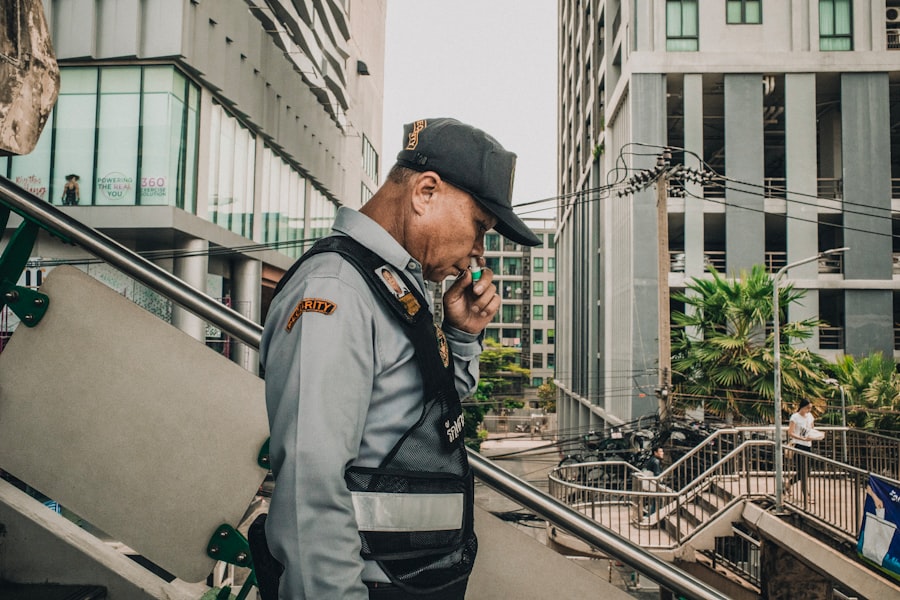
The effectiveness of diplomatic security contractors hinges on their rigorous training and unwavering commitment to operational readiness. They are a highly skilled and disciplined force, prepared to confront a range of complex security challenges.
Specialized Skills and Certifications
The individuals who serve as diplomatic security contractors possess a unique blend of skills and experience. This is not a role for the untrained; it demands a specific set of proficiencies.
Tactical Driving and Evasive Maneuvers
Contractors undergo extensive training in tactical driving, including evasive maneuvers, defensive formations, and vehicle recovery techniques. This specialized skill set is crucial for navigating hostile environments and protecting their charges during transit.
Advanced Firearms Proficiency and Tactical Engagement
A high level of proficiency with firearms is a prerequisite. This includes not only marksmanship but also tactical engagement, threat identification, and the responsible use of force in accordance with established rules of engagement.
First Aid and Tactical Combat Casualty Care (TCCC)
The ability to provide immediate medical assistance in a combat environment is critical. Contractors are trained in advanced first aid and TCCC, enabling them to stabilize casualties and provide life-saving care until professional medical help arrives.
Situational Awareness and Threat Recognition
Cultivating and maintaining acute situational awareness is paramount. Contractors are trained to constantly scan their surroundings, identify potential threats, and make split-second decisions based on complex environmental cues.
Continuous Professional Development and Drills
The security landscape in Baghdad is not static, and neither is the training of its security professionals. Continuous improvement and regular drills ensure that contractors remain at the peak of their readiness.
Regular Firearms Qualification and Skill Refresher Courses
Firearms proficiency is not a one-time achievement. Contractors undergo regular qualification courses and refresher training to maintain their skills and adapt to evolving weapon systems and tactics.
Scenario-Based Training and Tabletop Exercises
Realistic scenario-based training, including tabletop exercises and live-fire drills, allows contractors to practice their responses to various simulated threats. This helps to hone their decision-making processes and teamwork under pressure.
Physical Fitness and Resilience Training
The demanding nature of the job requires exceptional physical fitness and mental resilience. Contractors engage in rigorous physical training programs designed to enhance their stamina, strength, and ability to perform under duress.
Post-Incident Analysis and Lessons Learned
Following any security incident, however minor, thorough post-incident analysis is conducted. This “lessons learned” process is crucial for identifying areas for improvement in training, procedures, and operational planning.
Coordination and Collaboration with Diplomatic Missions
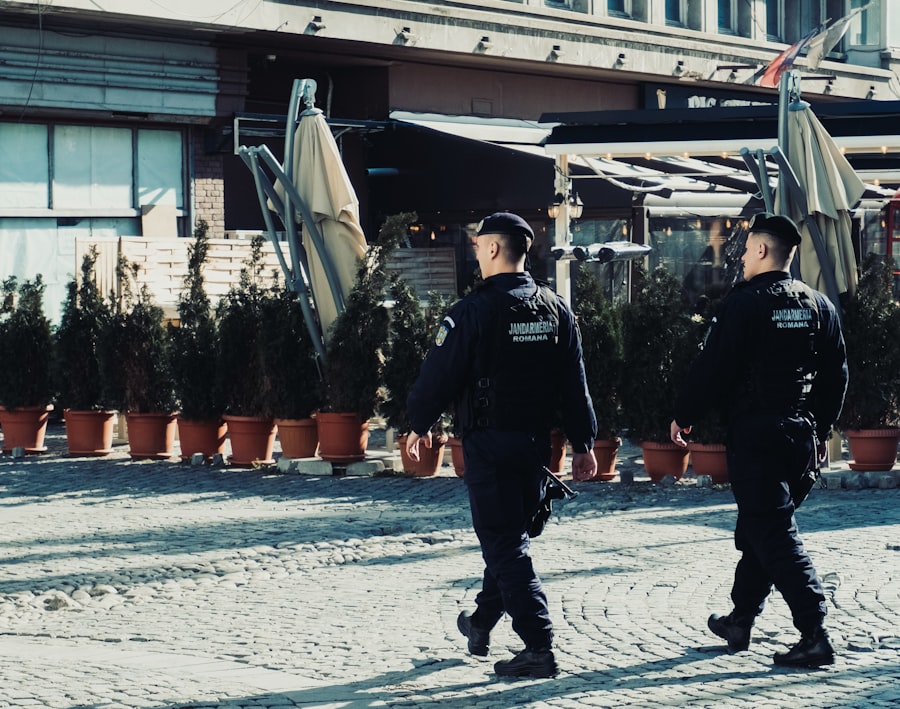
The success of diplomatic security contractors in Baghdad is fundamentally dependent on their seamless integration and close collaboration with the diplomatic missions they serve. This partnership is not merely operational; it is built on trust, clear communication, and a shared objective.
Integration with Diplomatic Security Services (DSS)
Diplomatic security contractors operate under the guidance and direction of the U.S. Department of State’s Diplomatic Security Service (DSS) or equivalent national security agencies for other diplomatic entities. This integration ensures a unified security posture.
Adherence to Diplomatic Security Standards and Directives
Contractors are bound by strict adherence to the security standards, directives, and protocols established by the DSS. This ensures a consistent and high level of security across all diplomatic operations.
Joint Planning and Operations
Security planning and operational execution are conducted in close collaboration between DSS agents and contractor team leaders. This joint approach ensures that all aspects of security are considered and that resources are allocated effectively.
Information Sharing and Threat Intelligence Exchange
The open and timely exchange of threat intelligence is crucial. DSS agents and contractor personnel regularly share information, intelligence assessments, and threat updates to maintain a comprehensive understanding of the security environment.
Liaison with Local Authorities and International Partners
Effective security in Baghdad also necessitates strong working relationships with local Iraqi security forces and other international entities operating in the country.
Building Trust and Interoperability with Iraqi Security Forces
Diplomatic security contractors often work alongside Iraqi security forces at checkpoints, during convoy movements, and in response to incidents. Building trust and ensuring interoperability between these forces are vital for effective security coordination.
Collaboration with Other Embassies and International Organizations
Baghdad hosts numerous diplomatic missions and international organizations. Contractors may collaborate with their security counterparts to share information, coordinate movements, and conduct joint security exercises, thereby enhancing overall regional security.
Engagement with Local Communities and Tribal Leaders
In certain situations, building positive relationships with local communities and tribal leaders can provide valuable intelligence and support, contributing to a more stable and secure environment for diplomatic operations.
In recent discussions surrounding the role of diplomatic security contractors in Baghdad, it is essential to consider the broader implications of their presence in conflict zones. A related article explores the complexities and challenges faced by these contractors, shedding light on their operational strategies and the impact they have on diplomatic missions. For a deeper understanding of this topic, you can read more in the article available at this link.
The Ethical and Legal Framework Governing Contractors
| Contractor Name | Number of Personnel | Security Clearance Level | Location |
|---|---|---|---|
| ABC Security Services | 50 | Top Secret | Baghdad |
| XYZ Defense Solutions | 75 | Secret | Baghdad |
| Global Protection Group | 40 | Top Secret | Baghdad |
The employment of private security contractors in complex environments like Baghdad is subject to a robust ethical and legal framework designed to ensure accountability, professionalism, and adherence to international norms.
Rules of Engagement (ROE) and Use of Force Policies
Contractors operate under strict Rules of Engagement (ROE) that define when and how they can use force. These policies are designed to minimize collateral damage and ensure that force is used only when absolutely necessary and proportionate to the threat.
Distinction Between Self-Defense and Offensive Operations
The ROE clearly delineate the boundaries between self-defense, the defense of protected persons and property, and any engagement in offensive operations. Contractors are not combatants in the traditional sense and their actions are governed by specific legal frameworks.
Proportionality and Necessity of Force
Any use of force must be both proportionate to the threat and absolutely necessary to achieve the security objective. This principle is central to ensuring that contractors act responsibly and avoid unnecessary escalation.
Reporting and Investigation of Incidents
All incidents involving the use of force by contractors are subject to thorough reporting and investigation. This accountability mechanism ensures that any violations of ROE are identified and addressed.
International Law and Contractual Obligations
The operations of diplomatic security contractors are also governed by international humanitarian law and the specific contractual obligations agreed upon with the contracting government or diplomatic mission.
Application of International Humanitarian Law
While private entities, contractors operating in armed conflict zones are subject to certain provisions of international humanitarian law, including the prohibition of indiscriminate attacks and the obligation to protect civilians.
Contractual Clauses on Conduct and Accountability
The contracts under which these services are provided typically include detailed clauses outlining expected standards of conduct, adherence to legal frameworks, and mechanisms for accountability in the event of misconduct.
Oversight and Compliance Mechanisms
Government agencies and diplomatic missions maintain oversight mechanisms to monitor the performance of contractors and ensure their compliance with all legal, ethical, and contractual requirements. This can include audits, inspections, and performance reviews.
The presence of diplomatic security contractors in Baghdad is a vital component of ensuring the continuity of diplomatic engagement in a challenging region. Their expertise, dedication, and commitment to safety allow vital diplomatic work to proceed, contributing to the broader goals of international relations and stability in Iraq. They represent a specialized and indispensable element of modern diplomacy, operating in the shadows to protect the forefront of international engagement.

Blackwater Disappeared. America’s Private Army Didn’t.
FAQs
What are diplomatic security contractors in Baghdad?
Diplomatic security contractors in Baghdad are individuals hired to provide security services for diplomatic missions, government officials, and other personnel in the city of Baghdad, Iraq.
What are the responsibilities of diplomatic security contractors in Baghdad?
The responsibilities of diplomatic security contractors in Baghdad include protecting personnel and property, conducting security assessments, providing security training, and responding to security incidents.
What qualifications are required to become a diplomatic security contractor in Baghdad?
Qualifications to become a diplomatic security contractor in Baghdad typically include prior military or law enforcement experience, specialized training in security and firearms, and the ability to obtain necessary security clearances.
What are the challenges faced by diplomatic security contractors in Baghdad?
Diplomatic security contractors in Baghdad face challenges such as navigating complex security situations, adapting to changing threat environments, and working in high-stress and potentially dangerous conditions.
How are diplomatic security contractors in Baghdad different from other security personnel?
Diplomatic security contractors in Baghdad differ from other security personnel in that they are specifically hired to provide security services for diplomatic missions and government officials, often in high-risk and politically sensitive environments.