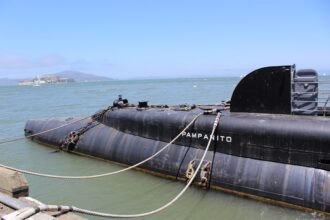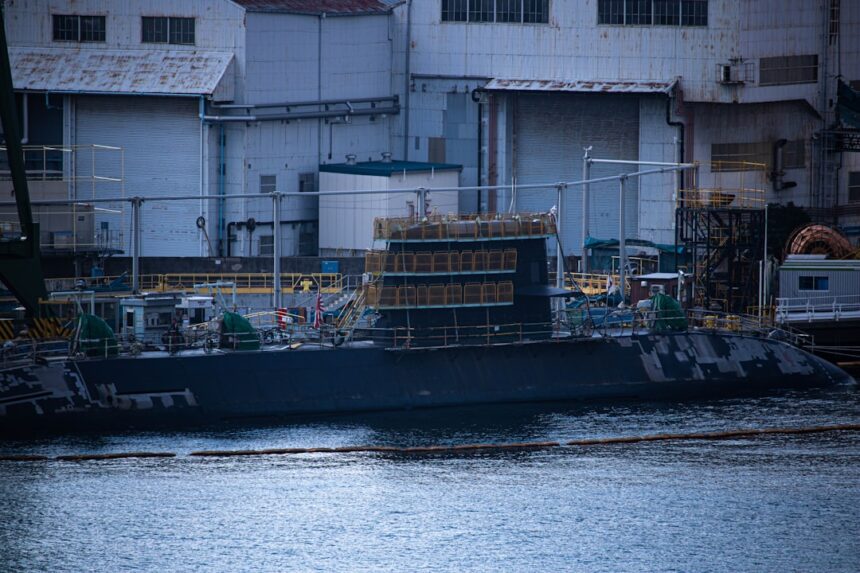
Nuclear submarines represent sophisticated engineering achievements that depend on intricate systems for safe and efficient operation. The nuclear reactor serves as the central component, generating propulsion and electrical power for onboard systems. A fundamental safety mechanism in reactor operation is the “scram” procedure, which enables rapid reactor shutdown during emergencies or abnormal operating conditions.
This process involves the immediate insertion of control rods into the reactor core to terminate the nuclear fission chain reaction, transitioning the reactor to a safe shutdown state. Knowledge of scram mechanics and protocols is crucial for maintaining crew safety and submarine operational integrity.
Reactor designs incorporate multiple safety systems that enable this emergency shutdown capability, including redundant control mechanisms and automatic safety systems. Personnel receive comprehensive training on these procedures to ensure effective response during critical situations. The scram procedure functions as an essential safety barrier against potential reactor accidents and represents a primary component of nuclear submarine safety protocols.
Key Takeaways
- Reactor scram is a critical safety mechanism to rapidly shut down a nuclear submarine’s reactor in emergencies.
- Comprehensive training and regular maintenance are essential to ensure crew readiness and reactor reliability.
- Advanced technology and strict regulatory collaboration enhance the safety and effectiveness of reactor scram systems.
- Effective communication and emergency response planning are vital for coordinated action during reactor incidents.
- Continuous improvement and international cooperation help share lessons learned and advance nuclear submarine safety globally.
Importance of Reactor Scram Safety
The safety of nuclear submarine reactors is paramount, not only for the crew onboard but also for the surrounding environment and global security. A reactor scram is a vital safety mechanism that can prevent catastrophic failures and mitigate the consequences of unforeseen events. The potential risks associated with nuclear reactors necessitate rigorous safety protocols and a culture of preparedness among submarine crews.
By prioritizing reactor scram safety, naval forces can ensure that they are equipped to handle emergencies effectively. Moreover, the implications of a reactor incident extend beyond immediate safety concerns. A failure in reactor management could lead to significant political and environmental repercussions, affecting public perception of nuclear technology as a whole.
Therefore, maintaining high standards of reactor scram safety is not only a matter of operational integrity but also a crucial element in fostering trust in nuclear capabilities. The commitment to safety reflects a broader responsibility to uphold international standards and protect both personnel and the environment.
Design and Construction of Nuclear Submarine Reactors
The design and construction of nuclear submarine reactors are intricate processes that require advanced engineering and adherence to stringent safety regulations. These reactors are built to withstand extreme conditions, including high pressures and temperatures, while maintaining operational efficiency. The materials used in construction must be carefully selected for their durability and resistance to radiation, ensuring that they can endure the rigors of underwater operation.
In addition to robust physical design, modern nuclear submarine reactors incorporate sophisticated technology to enhance safety and performance. Advanced monitoring systems provide real-time data on reactor conditions, allowing crew members to make informed decisions quickly. The integration of automated systems further reduces the likelihood of human error during critical operations, including scrams.
As technology continues to evolve, so too does the design philosophy behind these reactors, emphasizing safety without compromising operational capabilities.
Training and Education for Nuclear Submarine Crews
Training and education for nuclear submarine crews are fundamental components of ensuring reactor safety. Crew members undergo extensive training programs that cover all aspects of reactor operation, including emergency procedures like scrams. This training is not limited to theoretical knowledge; it includes practical simulations that replicate real-life scenarios, allowing crew members to practice their responses in a controlled environment.
Furthermore, ongoing education is essential in keeping crews updated on the latest advancements in nuclear technology and safety protocols. Regular drills and refresher courses reinforce the importance of preparedness and ensure that all personnel are familiar with their roles during an emergency. By fostering a culture of continuous learning, naval forces can enhance their operational readiness and maintain high standards of safety in nuclear submarine operations.
Regular Maintenance and Inspections
| Metric | Description | Typical Value / Range | Unit | Importance |
|---|---|---|---|---|
| Scram Time | Time taken to fully insert control rods and shut down the reactor | 0.5 – 2 | seconds | Critical for rapid shutdown to prevent overheating |
| Control Rod Insertion Speed | Speed at which control rods are driven into the reactor core | 1 – 3 | meters/second | Ensures prompt reactivity reduction |
| Reactor Coolant Temperature Drop | Temperature decrease in coolant after scram | 10 – 30 | °C within 5 minutes | Indicates effective heat removal post-scram |
| Scram Reliability | Probability of successful scram on demand | ≥ 0.9999 | Probability | Ensures safety system effectiveness |
| Decay Heat Removal Time | Time to reduce decay heat to safe levels after scram | 30 – 60 | minutes | Prevents core damage post-shutdown |
| Scram Signal Redundancy | Number of independent scram initiation signals | 3 – 5 | channels | Increases reliability and fault tolerance |
| Control Rod Drop Time (Gravity) | Time for control rods to drop into core by gravity if power lost | 1 – 3 | seconds | Failsafe shutdown mechanism |
| Scram System Test Frequency | Interval between scram system functional tests | Monthly to Quarterly | time period | Ensures system readiness |
Regular maintenance and inspections are critical for the safe operation of nuclear submarine reactors. These processes involve systematic checks of all reactor components, ensuring that they function correctly and meet safety standards. Scheduled maintenance allows for the early detection of potential issues, which can be addressed before they escalate into serious problems.
In addition to routine maintenance, comprehensive inspections are conducted at regular intervals to assess the overall health of the reactor system. These inspections often involve advanced diagnostic tools that can identify wear and tear or other anomalies that may not be visible during standard checks. By prioritizing maintenance and inspections, naval forces can significantly reduce the risk of reactor incidents and enhance the reliability of their submarines.
Emergency Response Planning

Emergency response planning is an integral part of nuclear submarine operations, particularly concerning reactor scrams. Effective planning involves developing detailed protocols that outline specific actions to be taken in various emergency scenarios. These plans must account for a range of potential incidents, from minor malfunctions to catastrophic failures, ensuring that crews are prepared for any situation.
Moreover, emergency response planning extends beyond immediate actions; it also includes communication strategies with external agencies and support systems. Establishing clear lines of communication ensures that assistance can be mobilized quickly if needed. Regular drills help reinforce these plans, allowing crew members to practice their responses in real-time scenarios.
By investing in comprehensive emergency response planning, naval forces can enhance their resilience against potential reactor incidents.
Communication and Coordination with Naval Command
Effective communication and coordination with naval command are essential for managing nuclear submarine operations safely. Clear communication channels ensure that critical information regarding reactor status and potential issues is relayed promptly to command personnel. This information flow is vital for making informed decisions about operational readiness and emergency responses.
Coordination with naval command also involves collaboration during training exercises and drills. By working together, crews can refine their procedures and ensure alignment with broader naval strategies. This partnership fosters a culture of accountability and transparency, reinforcing the importance of safety in all aspects of submarine operations.
Ultimately, strong communication and coordination contribute significantly to maintaining high standards of reactor scram safety.
Utilizing Advanced Technology for Reactor Scram Safety
The integration of advanced technology plays a pivotal role in enhancing reactor scram safety within nuclear submarines. Modern reactors are equipped with sophisticated monitoring systems that provide real-time data on various parameters, such as temperature, pressure, and radiation levels. These systems enable crew members to detect anomalies early, facilitating timely interventions when necessary.
Additionally, automation has transformed many aspects of reactor operation, reducing reliance on manual processes that may be prone to human error. Automated systems can execute scram procedures more quickly and accurately than human operators in some cases, further enhancing safety during emergencies. As technology continues to advance, ongoing investments in innovative solutions will be crucial for maintaining high standards of reactor scram safety.
Collaboration with Nuclear Regulatory Agencies
Collaboration with nuclear regulatory agencies is vital for ensuring compliance with safety standards in nuclear submarine operations. These agencies provide oversight and guidance on best practices for reactor management, including scram procedures. By working closely with regulatory bodies, naval forces can stay informed about evolving safety requirements and incorporate them into their training and operational protocols.
Furthermore, this collaboration fosters a culture of transparency and accountability within naval operations. Engaging with regulatory agencies allows for independent assessments of safety practices, providing valuable insights into areas for improvement. By prioritizing collaboration with these agencies, naval forces can enhance their commitment to safety while reinforcing public trust in nuclear technology.
Continuous Improvement and Lessons Learned
Continuous improvement is a fundamental principle in maintaining high standards of reactor scram safety within nuclear submarines. After any incident or near-miss event, thorough investigations are conducted to identify root causes and areas for enhancement. Lessons learned from these evaluations inform updates to training programs, procedures, and technologies used in reactor management.
Moreover, fostering a culture that encourages open dialogue about safety concerns is essential for continuous improvement. Crew members should feel empowered to report issues or suggest enhancements without fear of reprisal. By embracing a proactive approach to learning from experiences, naval forces can strengthen their operational resilience and ensure that they remain at the forefront of nuclear safety practices.
International Cooperation and Information Sharing
International cooperation and information sharing are increasingly important in the realm of nuclear submarine operations. As global security dynamics evolve, collaboration among nations can enhance collective knowledge about best practices in reactor management and emergency response planning. Sharing insights from experiences can lead to improved safety protocols across different navies.
By participating in these dialogues, nations can work together to establish common standards that promote safe practices worldwide. Ultimately, fostering international cooperation enhances not only individual nations’ capabilities but also contributes to global security efforts surrounding nuclear technology.
Nuclear submarine reactor scram safety is a critical aspect of ensuring the operational integrity and safety of naval vessels. For a deeper understanding of the protocols and technologies involved in maintaining reactor safety, you can refer to a related article on this topic at In The War Room. This resource provides valuable insights into the measures taken to prevent accidents and ensure the safe operation of nuclear reactors in submarines.
FAQs
What is a reactor scram in a nuclear submarine?
A reactor scram is an emergency shutdown procedure for a nuclear reactor. In a nuclear submarine, it involves rapidly inserting control rods into the reactor core to halt the nuclear fission reaction and stop the reactor from producing power.
Why is scram safety important in nuclear submarines?
Scram safety is critical because it ensures the reactor can be quickly and reliably shut down in case of an emergency, preventing overheating, potential core damage, or radiation release, thereby protecting the crew, the vessel, and the environment.
How is a scram initiated on a nuclear submarine?
A scram can be initiated automatically by reactor safety systems detecting abnormal conditions, or manually by the submarine’s crew if they observe any signs of reactor malfunction or emergency.
What systems are involved in ensuring scram safety?
Scram safety involves control rods, reactor protection systems, sensors monitoring reactor parameters, emergency power supplies, and redundant safety mechanisms designed to guarantee rapid and reliable shutdown.
How fast does a reactor scram occur?
A reactor scram typically occurs within seconds, with control rods fully inserted into the reactor core to stop the fission reaction as quickly as possible.
What happens after a scram is initiated?
After a scram, the reactor stops producing power, but residual heat remains and must be managed through cooling systems to prevent overheating until the reactor is stabilized or restarted.
Are there any risks associated with scramming a nuclear submarine reactor?
While scramming is a safety measure, improper scram procedures or failures in cooling systems post-scram can pose risks. However, nuclear submarines are designed with multiple safety layers to minimize these risks.
How often are scram systems tested on nuclear submarines?
Scram systems are regularly tested during maintenance and drills to ensure they function correctly and can reliably shut down the reactor in an emergency.
Can a scram be reversed once initiated?
A scram is a shutdown procedure and cannot be reversed immediately. Restarting the reactor requires a controlled and deliberate process after thorough safety checks and system stabilization.
What training do submarine crews receive regarding reactor scram safety?
Submarine crews undergo extensive training on reactor operations, emergency procedures, and scram protocols to ensure they can respond effectively to reactor emergencies and maintain scram safety.