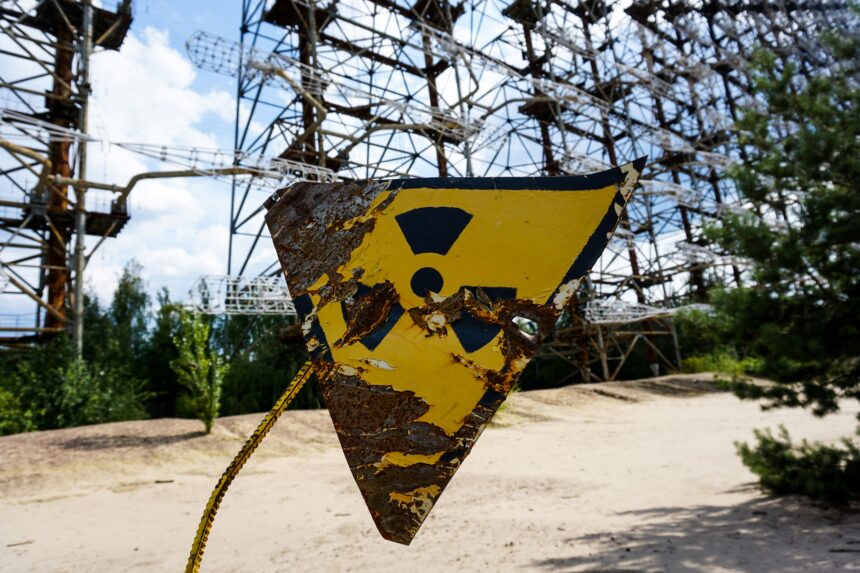
Ensuring Nuclear Security: A Vital Imperative
The specter of nuclear weapons, a testament to humanity’s capacity for both immense creation and unimaginable destruction, continues to cast a long shadow over the global landscape. The development of these instruments of war brought about a fundamental shift in international relations, ushering in an era of mutually assured destruction where the stakes of conflict reached their terrifying zenith. This paradigm, however, does not negate the palpable and persistent risks associated with the very existence of nuclear arsenals. The imperative to ensure nuclear security, therefore, is not merely a matter of policy or diplomacy; it is a foundational pillar upon which global stability rests. It is the unseen scaffolding that prevents the edifice of civilization from collapsing under the weight of its own most dangerous innovation.
The Multifaceted Nature of Nuclear Security
Nuclear security is a complex and multi-layered undertaking, encompassing a wide spectrum of concerns and requiring constant vigilance. It is not a static state but a dynamic process, a ceaseless effort to prevent the unauthorized acquisition, diversion, or sabotage of nuclear materials and weapons.
Protecting Nuclear Materials
At the heart of nuclear security lies the critical task of safeguarding fissile materials – enriched uranium and plutonium – which can be used to fashion nuclear explosives. These materials, often described as “the devil’s own currency” due to their immense destructive potential and the ease with which they can be coveted by malicious actors, must be meticulously accounted for and protected.
From Production to Storage
The journey of fissile material, from its initial production in nuclear reactors or enrichment facilities to its eventual storage, presents numerous points of vulnerability. Each stage requires robust physical security measures, including robust containment, surveillance systems, and trained personnel capable of responding to any breach. The international community has established stringent guidelines through organizations like the International Atomic Energy Agency (IAEA) to ensure that these materials are handled with the utmost care.
The Threat of Illicit Trafficking
The specter of fissile materials falling into the wrong hands – be it terrorist organizations or rogue states – remains a paramount concern. Illicit trafficking networks, often operating in the shadows, represent a persistent threat, attempting to exploit any perceived weakness in security protocols. Disrupting these networks through intelligence gathering and law enforcement cooperation is essential.
Securing Nuclear Weapons
Beyond the protection of fissile materials, the secure management and maintenance of actual nuclear weapons are equally crucial. This involves preventing unauthorized detonation, ensuring the integrity of the warheads, and maintaining strict command and control over their deployment.
Preventing Accidental Detonation
The technological sophistication of nuclear weapons does not render them immune to accidental detonation. A complex interplay of sophisticated safety mechanisms, rigorous maintenance schedules, and human factors necessitates a constant focus on preventing unintended consequences. Fail-safes, often referred to as the “fail-deadly” systems, are designed to prevent catastrophic failures, but human error or unforeseen circumstances can always pose a risk.
Maintaining Command and Control
The ultimate authority over the use of nuclear weapons rests with political leaders. Robust command and control systems are designed to ensure that any decision to use such weapons is made deliberately and under strict authorization, preventing impulsive or unauthorized launches. This intricate web of communication and verification acts as a critical firewall against miscalculation.
Nuclear security remains a critical issue in today’s geopolitical landscape, and understanding its complexities is essential for fostering global safety. For an in-depth analysis of the current challenges and strategies in nuclear security, you can refer to a related article available at In the War Room. This article explores various dimensions of nuclear threats and the international efforts aimed at mitigating them, providing valuable insights for policymakers and the public alike.
International Cooperation: A Cornerstone of Security
Given the global implications of nuclear proliferation and the potential for catastrophic consequences, international cooperation is not an option but a necessity. No single nation can effectively address the multifaceted challenges of nuclear security in isolation.
Arms Control Treaties and Agreements
A cornerstone of international nuclear security efforts lies in the establishment and maintenance of arms control treaties and agreements. These pacts serve as vital guardrails, aiming to limit the spread of nuclear weapons and manage existing arsenals.
The Non-Proliferation Treaty (NPT)
The Nuclear Non-Proliferation Treaty (NPT) stands as the bedrock of global efforts to prevent the spread of nuclear weapons. It is a multilateral agreement that seeks to achieve three objectives: preventing the spread of nuclear weapons and weapons technology, promoting peaceful uses of nuclear energy, and furthering the goal of nuclear disarmament. The NPT’s enduring relevance underscores the collective desire of nations to avert a world saturated with nuclear arms.
Other Bilateral and Multilateral Agreements
Beyond the NPT, a constellation of other bilateral and multilateral agreements exists, each contributing to the broader framework of nuclear security. These include agreements for arms reduction, confidence-building measures, and verification regimes designed to ensure compliance and foster transparency.
The Role of International Organizations
International organizations play a pivotal role in facilitating cooperation, setting standards, and providing a platform for dialogue and verification.
The International Atomic Energy Agency (IAEA)
The IAEA, an autonomous organization within the United Nations system, is the principal international body for cooperation in the peaceful use of nuclear technology and the implementation of measures to prevent the proliferation of nuclear weapons. Its mandates include setting safety standards for nuclear facilities and materials, conducting safeguards inspections to verify that nuclear material is not diverted for military purposes, and providing technical assistance to member states. The IAEA’s role is akin to a global auditor, ensuring that nuclear activities remain within acceptable bounds.
The United Nations Security Council
The United Nations Security Council, vested with primary responsibility for the maintenance of international peace and security, plays a crucial role in addressing nuclear security threats. It can impose sanctions, authorize military action in extreme cases, and establish international norms and expectations regarding nuclear weapons.
Addressing Emerging Threats and Challenges
The landscape of nuclear security is not static. New technologies, evolving geopolitical dynamics, and the persistent threat of non-state actors introduce a continually shifting set of challenges that demand innovative solutions.
The Growing Threat of Terrorism
The rise of transnational terrorist organizations has introduced a chilling new dimension to nuclear security. The prospect of a non-state actor acquiring or constructing a nuclear device is a nightmare scenario that fuels considerable international concern and investment in counter-terrorism efforts.
Preventing Non-State Actor Acquisition
Preventing terrorist groups from obtaining fissile material or even constructing a rudimentary nuclear device requires a multi-pronged approach. This includes enhanced intelligence sharing, strengthening physical security at nuclear facilities, and disrupting illicit trafficking networks. The “catastrophic success” of such an attack would resonate for generations.
The Rise of “Dirty Bombs”
While the acquisition of a fully functional nuclear weapon by a terrorist group might be a highly improbable event, the threat of a “dirty bomb” – a device that disperses radioactive material through conventional explosives – is considered a more plausible concern. Such a device, while not causing a nuclear chain reaction, could cause widespread contamination and panic, highlighting the importance of securing radioactive sources in general.
Cyber Security and Nuclear Infrastructure
In the digital age, the security of nuclear infrastructure is increasingly intertwined with cybersecurity. The potential for cyberattacks to disrupt operations, compromise safety systems, or even enable unauthorized access to sensitive information presents a significant and growing threat.
Protecting Control Systems
Modern nuclear facilities rely heavily on complex computer systems to monitor and control operations. These systems, if compromised by cyberattacks, could have devastating consequences, leading to accidents or enabling unauthorized access. Cybersecurity measures are as vital as physical barriers in this context.
The Risk of Information Warfare
Beyond direct attacks on infrastructure, cyber capabilities can be used for information warfare, spreading disinformation about nuclear facilities or capabilities, thereby sowing fear and instability.
The Path Forward: Continuous Improvement and Vigilance
Ensuring nuclear security is not a destination but a journey. It demands an unwavering commitment to continuous improvement, adaptation, and unwavering vigilance. The progress made thus far is significant, but the inherent risks associated with nuclear weapons necessitate a sustained and proactive approach.
Strengthening International Norms and Verification
The existing framework of international norms and verification mechanisms, while robust, can always be strengthened. Continued diplomatic engagement and support for international organizations like the IAEA are essential for maintaining and evolving these frameworks.
Enhancing Verification Regimes
The effectiveness of arms control and non-proliferation efforts hinges on robust verification. Investing in advanced technologies and fostering transparency can enhance the confidence that all parties are adhering to their commitments.
Promoting Disarmament as a Long-Term Goal
While immediate security concerns are paramount, the ultimate aspiration of a world free from nuclear weapons remains a vital objective. Continued dialogue and progress towards disarmament, even incrementally, contribute to a more secure global environment.
Investing in Human Capital and Technology
The human element remains critical in nuclear security. Investing in the training and education of personnel, as well as the development of cutting-edge security technologies, is indispensable.
Cultivating a Security Culture
A deeply ingrained “security culture” within organizations handling nuclear materials and weapons is paramount. This involves fostering a mindset where security is prioritized above all else, with every individual understanding their role and responsibility in preventing threats.
Leveraging Technological Advancements
Technological advancements, from sophisticated sensors and surveillance systems to predictive analytics, offer new tools for enhancing nuclear security. Embracing and integrating these innovations is crucial.
Nuclear security remains a critical topic in today’s geopolitical landscape, especially as nations navigate the complexities of nuclear proliferation and terrorism. A recent article delves into the various strategies employed to enhance nuclear security measures globally, highlighting the importance of international cooperation. For more insights on this pressing issue, you can read the full discussion in this related article. Understanding these dynamics is essential for fostering a safer world and preventing potential nuclear threats.
Conclusion: A Shared Responsibility
The imperative to ensure nuclear security is a shared responsibility that transcends national borders and political divides. It is the silent guardian that allows humanity to pursue progress and prosperity, a testament to the collective will to prevent the ultimate catastrophe. The stakes are simply too high for complacency or indifference. The continued existence of nuclear weapons means that the work of ensuring their security is never truly finished. It is a perpetual undertaking, a vital imperative for the preservation of life and the future of our planet. The echoes of past conflicts serve as a stark reminder, and the quiet hum of nuclear facilities serves as a constant call to vigilance. The future depends on our collective commitment to keeping these powerful forces under the most rigorous and unwavering control.
FAQs
What is nuclear security?
Nuclear security refers to the measures and protocols implemented to prevent the theft, sabotage, unauthorized access, or illegal transfer of nuclear materials and facilities. It aims to protect people, property, and the environment from the harmful effects of nuclear incidents.
Why is nuclear security important?
Nuclear security is crucial to prevent nuclear terrorism, proliferation of nuclear weapons, and accidents involving nuclear materials. Ensuring robust security helps maintain global peace, protect public health, and safeguard critical infrastructure.
Who is responsible for nuclear security?
Nuclear security responsibilities are shared among national governments, international organizations such as the International Atomic Energy Agency (IAEA), nuclear facility operators, and law enforcement agencies. Each plays a role in establishing and enforcing security standards.
What are common measures used in nuclear security?
Common nuclear security measures include physical protection systems (fences, surveillance cameras, armed guards), material accounting and control, cybersecurity protocols, personnel reliability programs, and emergency response planning.
How does international cooperation enhance nuclear security?
International cooperation facilitates the sharing of best practices, technical assistance, and intelligence to prevent nuclear threats. Treaties, conventions, and joint exercises help harmonize security standards and improve global readiness against nuclear risks.