Merchant marine vessel security represents a fundamental component of global maritime commerce and international trade operations.
This extensive maritime network faces multiple security challenges, including piracy attacks, terrorist threats, cargo theft, and illegal smuggling operations.
Security breaches can result in substantial financial losses, environmental contamination, crew casualties, and disruption of supply chains. The maritime security environment has undergone significant transformation over the past two decades, driven by technological developments and evolving global security concerns. Statistical data from the International Maritime Bureau indicates fluctuating patterns in maritime crime, with certain regions experiencing persistent security challenges.
The implementation of the International Ship and Port Facility Security (ISPS) Code in 2004 marked a pivotal shift toward standardized security protocols following the September 11, 2001 attacks. Contemporary merchant vessel security encompasses multiple interconnected elements: compliance with international maritime security regulations, systematic threat and vulnerability assessments, implementation of physical security systems, cybersecurity protection for vessel operations and navigation systems, comprehensive crew security training programs, and coordinated emergency response procedures. These components form an integrated security framework designed to address the diverse risks encountered in modern maritime operations.
Key Takeaways
- Merchant marine vessel security involves comprehensive measures to protect ships, crew, cargo, and infrastructure from threats.
- International regulations and standards guide the implementation of effective vessel security protocols worldwide.
- Risk assessment and tailored security planning are essential to address specific vulnerabilities of different vessel types.
- Both physical and cybersecurity measures are critical to safeguarding vessels against diverse security threats.
- Continuous crew training, clear communication, and emergency response planning enhance overall vessel security readiness.
International Regulations and Standards for Vessel Security
The foundation of vessel security lies in a framework of international regulations and standards designed to safeguard maritime operations. The International Maritime Organization (IMO) plays a pivotal role in establishing these guidelines, particularly through the International Ship and Port Facility Security (ISPS) Code. This code mandates that ships and port facilities develop security plans tailored to their specific risks and vulnerabilities.
By adhering to these regulations, vessels can enhance their security posture and ensure compliance with global maritime standards. In addition to the ISPS Code, various other international agreements and conventions contribute to vessel security. The Maritime Transportation Security Act (MTSA) in the United States, for instance, complements the ISPS Code by imposing additional security requirements on U.S.
vessels and ports. Furthermore, regional agreements such as the Djibouti Code of Conduct aim to combat piracy and armed robbery in specific areas, fostering cooperation among nations to enhance maritime security. These regulations not only provide a framework for individual vessels but also promote collaboration among countries to address shared security challenges.
Risk Assessment and Security Planning for Vessels
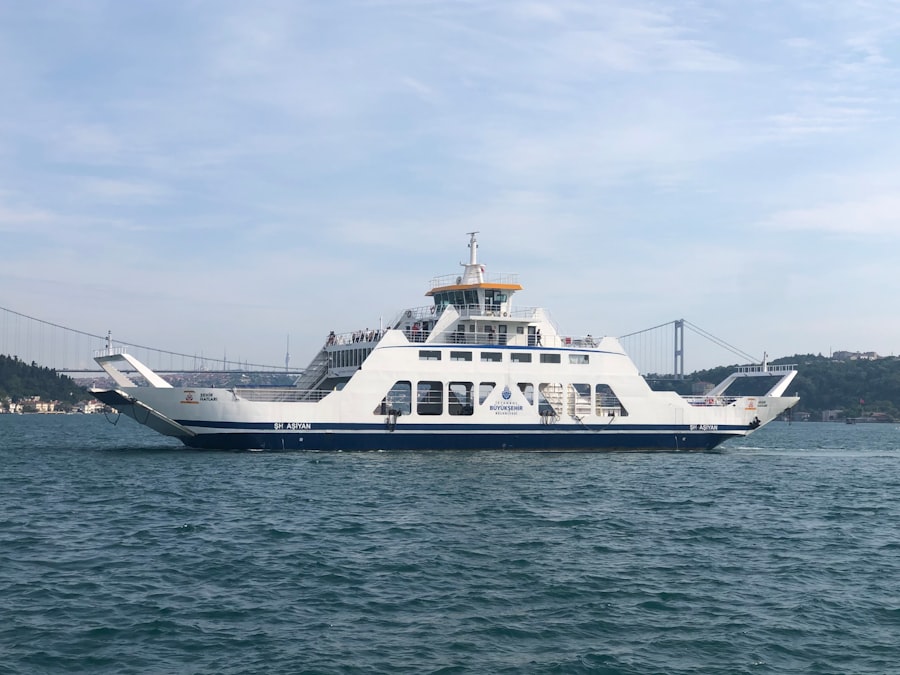
Effective vessel security begins with a thorough risk assessment that identifies potential threats and vulnerabilities. This process involves analyzing various factors, including geographical location, type of cargo, operational routes, and historical data on maritime incidents. By understanding the specific risks associated with their operations, vessel operators can develop tailored security plans that address these vulnerabilities comprehensively.
Security planning is an ongoing process that requires regular updates and revisions based on changing circumstances. As new threats emerge and existing risks evolve, vessel operators must remain vigilant and adaptable. This may involve conducting regular drills and exercises to test the effectiveness of security measures and ensure that crew members are familiar with emergency protocols.
By fostering a culture of continuous improvement in security planning, vessels can better prepare for potential incidents and mitigate their impact.
Physical Security Measures for Vessels
Physical security measures are essential components of a comprehensive vessel security strategy.
One fundamental aspect is the implementation of access control systems that restrict entry to sensitive areas such as the bridge, engine room, and cargo holds.
This can include the use of biometric scanners, keycard systems, or even armed security personnel in high-risk regions. In addition to access control, surveillance systems play a crucial role in monitoring vessel activities. Closed-circuit television (CCTV) cameras can be strategically placed throughout the ship to provide real-time monitoring and recording capabilities.
This not only helps deter potential intruders but also serves as valuable evidence in the event of an incident. Furthermore, regular inspections and maintenance of physical barriers such as fences, locks, and alarms are vital to ensuring their effectiveness in safeguarding the vessel.
Cybersecurity Measures for Vessels
| Metric | Description | Typical Value/Range | Unit |
|---|---|---|---|
| Number of Security Incidents | Reported security breaches or attacks on merchant marine vessels annually | 5 – 20 | Incidents per year |
| Average Response Time | Time taken to respond to a security threat onboard | 5 – 15 | Minutes |
| Security Personnel per Vessel | Number of trained security staff assigned to a vessel | 2 – 6 | Personnel |
| Percentage of Vessels with AIS | Proportion of merchant vessels equipped with Automatic Identification System | 95 – 100 | Percent (%) |
| Frequency of Security Drills | Number of security drills conducted onboard per year | 4 – 12 | Drills per year |
| Number of Piracy Attacks | Reported piracy attacks on merchant vessels in high-risk areas | 10 – 50 | Incidents per year |
| Percentage of Vessels with Security Cameras | Proportion of vessels equipped with CCTV for monitoring | 80 – 95 | Percent (%) |
| Average Security Training Hours | Hours of security training provided to crew annually | 8 – 20 | Hours |
As technology continues to advance, the maritime industry faces an increasing array of cyber threats that can compromise vessel operations. Cybersecurity measures are therefore essential to protect critical systems from unauthorized access and potential attacks. One key strategy is the implementation of robust firewalls and intrusion detection systems that monitor network traffic for suspicious activity.
By establishing secure communication channels and regularly updating software, vessels can reduce their vulnerability to cyber threats. Moreover, crew awareness of cybersecurity risks is paramount in preventing breaches. Training programs should emphasize the importance of recognizing phishing attempts, securing personal devices, and adhering to best practices for password management.
Regular cybersecurity drills can also help crew members respond effectively to potential incidents, ensuring that they are prepared to act swiftly in the event of a cyberattack. By fostering a culture of cybersecurity awareness onboard vessels, operators can significantly enhance their overall security posture.
Crew Training and Security Awareness
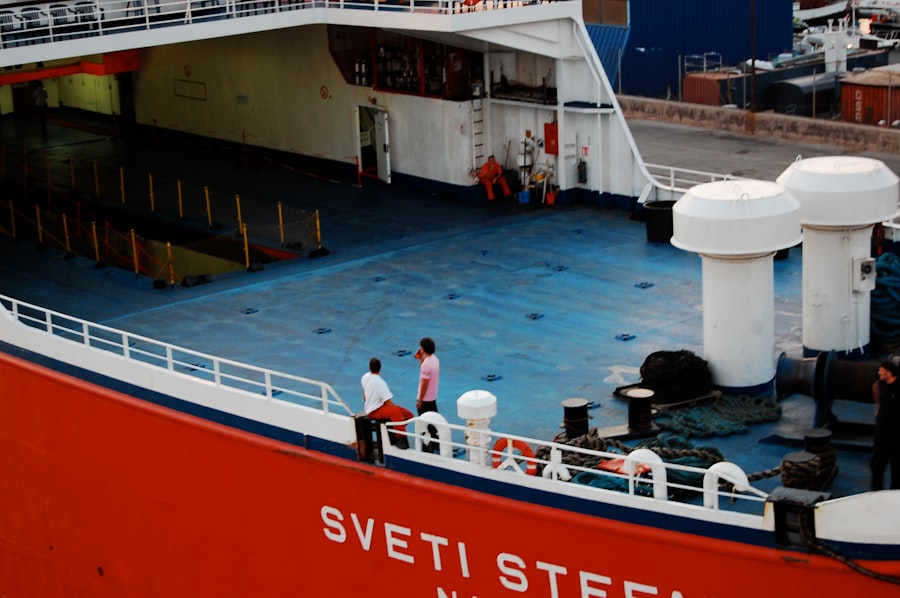
The human element is often the most critical factor in ensuring vessel security. Crew training programs must encompass a wide range of topics related to security awareness, emergency response procedures, and threat recognition. Regular training sessions should be conducted to keep crew members informed about evolving threats and best practices for maintaining security onboard.
This proactive approach not only enhances individual awareness but also fosters a collective responsibility for maintaining a secure environment. In addition to formal training programs, creating a culture of security awareness among crew members is essential. Encouraging open communication about security concerns allows crew members to report suspicious activities without fear of reprisal.
Implementing a system for anonymous reporting can further empower crew members to take an active role in safeguarding their vessel. By instilling a sense of ownership over security practices, operators can cultivate a vigilant crew that is better equipped to respond to potential threats.
Security Communication and Reporting Procedures
Effective communication is vital for maintaining vessel security and ensuring a coordinated response during incidents. Establishing clear communication protocols among crew members is essential for reporting suspicious activities or breaches promptly. This includes defining roles and responsibilities for each crew member during security incidents and ensuring that everyone understands the chain of command for reporting concerns.
In addition to internal communication procedures, vessels must also establish protocols for communicating with external authorities such as port security agencies or naval forces. Timely reporting of incidents or suspicious activities can facilitate rapid response efforts and enhance overall maritime security in the region. Regular drills that simulate communication scenarios can help reinforce these procedures and ensure that crew members are familiar with their roles during an actual incident.
Security Measures for Cargo and Passenger Vessels
Cargo and passenger vessels face unique security challenges that require tailored measures to protect both cargo integrity and passenger safety. For cargo vessels, securing valuable or hazardous materials is paramount. This may involve implementing additional layers of physical security during loading and unloading operations, such as using secure containers or employing armed escorts in high-risk areas.
Passenger vessels must prioritize the safety of their guests while maintaining efficient operations. Screening processes similar to those used in airports can be adapted for passenger embarkation procedures to detect prohibited items or potential threats. Additionally, onboard security personnel should be trained in conflict resolution techniques to manage any disturbances effectively while ensuring passenger safety remains paramount.
Security Measures for Offshore Vessels and Platforms
Offshore vessels and platforms present distinct security challenges due to their remote locations and often high-value assets involved in oil and gas exploration or renewable energy production. These installations require robust physical security measures such as perimeter fencing, surveillance systems, and access control points to deter unauthorized entry. Moreover, offshore operations must also consider environmental factors that may impact security measures.
Weather conditions can affect surveillance capabilities or hinder response times during incidents. Therefore, contingency plans should account for these variables by incorporating alternative communication methods or emergency evacuation procedures tailored to offshore environments.
Security Measures for Port Facilities and Terminals
Port facilities serve as critical nodes in global trade networks; thus, their security is paramount for ensuring safe maritime operations. Comprehensive security measures must be implemented at ports to protect against potential threats such as terrorism or smuggling activities. This includes conducting regular risk assessments of port infrastructure and operations to identify vulnerabilities that may be exploited by malicious actors.
Collaboration between port authorities, shipping companies, law enforcement agencies, and other stakeholders is essential for enhancing port security. Joint exercises simulating various threat scenarios can help improve coordination among different entities involved in port operations. By fostering a collaborative approach to port security, stakeholders can create a more resilient maritime environment that effectively mitigates risks.
Emergency Response and Contingency Planning for Vessel Security Incidents
Despite best efforts at prevention, incidents may still occur; therefore, having robust emergency response plans is crucial for mitigating their impact. These plans should outline specific procedures for responding to various types of security incidents—ranging from piracy attacks to cyber breaches—ensuring that crew members know how to react swiftly and effectively. Regular drills simulating different scenarios are vital for testing the effectiveness of emergency response plans.
These exercises allow crew members to practice their roles during an incident while identifying areas for improvement within existing protocols. Additionally, post-incident reviews should be conducted after any real event or drill to analyze responses critically; this feedback loop fosters continuous improvement in emergency preparedness. In conclusion, merchant marine vessel security encompasses a wide array of measures designed to protect vessels from various threats while ensuring compliance with international regulations.
By adopting a comprehensive approach that includes risk assessment, physical and cybersecurity measures, crew training, effective communication protocols, tailored strategies for different types of vessels, and robust emergency response planning, operators can significantly enhance their overall security posture in an increasingly complex maritime environment.
In the context of enhancing merchant marine vessel security, it is essential to stay informed about the latest developments and strategies in maritime safety. A related article that provides valuable insights on this topic can be found at In the War Room. This resource discusses various security measures and best practices that can be implemented to protect vessels from potential threats in today’s complex maritime environment.
WATCH THIS! 🌊 The Invisible Army That Controls Global Shipping
FAQs
What is merchant marine vessel security?
Merchant marine vessel security refers to the measures and protocols implemented to protect commercial ships, their crew, cargo, and equipment from threats such as piracy, terrorism, theft, and sabotage while at sea or in port.
Why is security important for merchant marine vessels?
Security is crucial to ensure the safety of the crew, protect valuable cargo, prevent financial losses, and maintain the smooth operation of global trade routes. It also helps comply with international regulations and standards.
What are common threats to merchant marine vessels?
Common threats include piracy and armed robbery, smuggling, stowaways, terrorism, cyber-attacks, and environmental hazards. These threats can occur in high-risk areas or during port calls.
What international regulations govern merchant marine vessel security?
The International Ship and Port Facility Security (ISPS) Code, established by the International Maritime Organization (IMO), sets mandatory security requirements for ships and port facilities to enhance maritime security worldwide.
How do ships implement security measures?
Ships implement security measures such as access control, surveillance systems, security drills, crew training, secure communication protocols, and coordination with maritime security agencies.
What role does the crew play in vessel security?
The crew is responsible for maintaining vigilance, following security procedures, participating in drills, reporting suspicious activities, and cooperating with security personnel to ensure the vessel’s safety.
Are there specific security measures for high-risk areas?
Yes, vessels transiting high-risk areas often adopt enhanced security measures such as increased watchkeeping, use of citadels (safe rooms), armed security teams, and adherence to Best Management Practices (BMP) to deter piracy.
How is technology used in merchant marine vessel security?
Technology such as radar, Automatic Identification Systems (AIS), closed-circuit television (CCTV), intrusion detection systems, and cybersecurity tools are used to monitor, detect, and respond to security threats.
What is the role of port facilities in vessel security?
Port facilities are responsible for implementing security measures to control access, screen cargo and personnel, and coordinate with ship operators to ensure a secure environment for vessels during port calls.
How can shipping companies prepare for security incidents?
Shipping companies prepare by developing security plans, conducting risk assessments, training crew members, establishing communication protocols, and collaborating with maritime security organizations and authorities.