
Cable landing stations (CLS) are essential components of global telecommunications infrastructure, connecting undersea fiber optic cables to land-based networks. These facilities enable worldwide data transmission that supports international communications and commerce. Due to their critical function, securing these stations is essential.
The strategic importance of CLS facilities makes them potential targets for various threats.
Natural disasters also pose significant risks to these installations.
Any disruption at a cable landing station can have widespread effects, impacting international connectivity and economic operations across multiple regions. Implementing robust security protocols for cable landing stations requires a multifaceted approach. Comprehensive security measures protect not only the physical infrastructure but also safeguard data integrity and ensure service continuity.
Organizations that fail to adequately secure these facilities risk substantial financial losses, damage to their reputation, and potential regulatory consequences.
Key Takeaways
- Cable landing stations are critical infrastructure requiring robust physical and cybersecurity measures.
- Regular security assessments and audits help identify and mitigate potential threats effectively.
- Implementing strict access controls and surveillance systems enhances protection against unauthorized entry.
- Comprehensive emergency response plans and collaboration with authorities ensure preparedness for incidents.
- Ongoing staff training and clear security protocols are essential for maintaining a secure environment.
Assessing Potential Threats to Cable Landing Stations
To effectively secure cable landing stations, it is essential to first identify and assess the potential threats they face. These threats can be broadly categorized into physical and cyber risks. Physical threats may include vandalism, theft, or sabotage by individuals or groups with malicious intent.
The strategic location of cable landing stations often makes them vulnerable to such attacks, particularly in regions with political instability or high crime rates. Understanding these risks allows operators to implement targeted security measures that address specific vulnerabilities. On the other hand, cyber threats pose a significant challenge in today’s interconnected world.
Cable landing stations are not only physical infrastructures but also digital gateways that handle vast amounts of data. Cybercriminals may attempt to exploit weaknesses in network security to gain unauthorized access to sensitive information or disrupt services. This dual threat landscape necessitates a holistic approach to security that encompasses both physical and cybersecurity measures.
By conducting thorough risk assessments, operators can develop a comprehensive understanding of the threats they face and prioritize their security investments accordingly.
Implementing Physical Security Measures for Cable Landing Stations
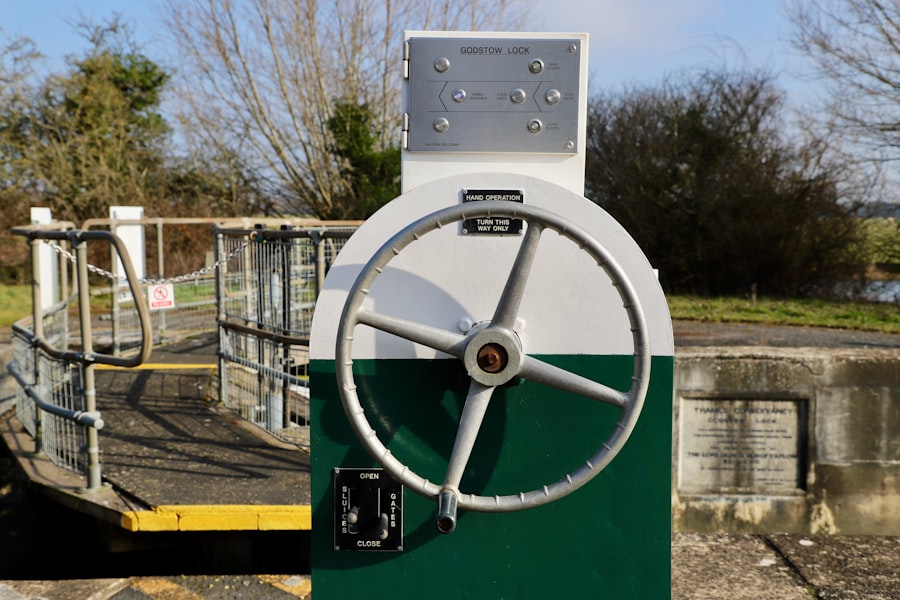
Physical security measures are the first line of defense for cable landing stations. These measures should be designed to deter unauthorized access and protect the facility from potential threats. One effective strategy is the use of perimeter fencing and barriers to create a secure boundary around the station.
This physical barrier not only prevents unauthorized entry but also serves as a visual deterrent to potential intruders. Additionally, well-lit areas around the perimeter can enhance visibility and reduce the likelihood of criminal activity during nighttime hours. Access control is another critical component of physical security.
Implementing strict access protocols ensures that only authorized personnel can enter sensitive areas within the facility. This may involve the use of key cards, biometric scanners, or security personnel stationed at entry points. Furthermore, regular maintenance and inspections of physical security systems are essential to ensure their effectiveness over time.
By investing in robust physical security measures, cable landing stations can significantly reduce their vulnerability to external threats.
Utilizing Surveillance and Monitoring Systems
Surveillance systems play a vital role in enhancing the security of cable landing stations. The deployment of high-definition cameras throughout the facility allows for real-time monitoring of activities and can serve as a deterrent to potential intruders. These cameras should be strategically placed to cover all critical areas, including entry points, perimeters, and sensitive operational zones.
Additionally, integrating advanced technologies such as motion detection and facial recognition can further enhance the effectiveness of surveillance systems. Monitoring systems should not only focus on visual surveillance but also incorporate alarm systems that alert security personnel to any unauthorized access attempts or suspicious activities. These alarms can be linked to a central monitoring station where trained personnel can respond promptly to incidents.
Regular testing and maintenance of surveillance equipment are crucial to ensure that systems remain operational and effective in detecting potential threats. By leveraging modern surveillance technologies, cable landing stations can create a safer environment and respond swiftly to security incidents.
Securing Access Points and Entryways
| Security Measure | Description | Purpose | Implementation Examples |
|---|---|---|---|
| Physical Access Control | Restricting entry to authorized personnel only | Prevent unauthorized physical access to critical infrastructure | Security guards, biometric scanners, key card access |
| Surveillance Systems | Continuous monitoring of the facility and perimeter | Detect and deter intrusions or suspicious activities | CCTV cameras, motion detectors, infrared sensors |
| Perimeter Security | Physical barriers around the landing station | Prevent unauthorized access and protect against sabotage | Fencing, bollards, anti-ram barriers |
| Cybersecurity Measures | Protecting network and control systems from cyber threats | Ensure integrity and availability of cable landing station systems | Firewalls, intrusion detection systems, regular patching |
| Environmental Monitoring | Monitoring environmental conditions that could affect operations | Prevent damage from fire, flooding, or temperature extremes | Smoke detectors, flood sensors, temperature and humidity sensors |
| Incident Response Plan | Preparedness and procedures for security incidents | Minimize impact and restore operations quickly | Regular drills, communication protocols, escalation procedures |
| Redundancy and Backup Systems | Backup power and communication systems | Ensure continuous operation during failures or attacks | Uninterruptible power supplies, backup generators, redundant links |
| Employee Training and Awareness | Training staff on security policies and threat awareness | Reduce human error and insider threats | Regular security briefings, phishing simulations, access control training |
Access points and entryways are critical vulnerabilities in any security framework, particularly for cable landing stations. Ensuring that these areas are adequately secured is essential for preventing unauthorized access and protecting sensitive infrastructure. One effective approach is to implement multi-layered access control systems that require multiple forms of identification before granting entry.
This could include a combination of key cards, biometric scans, and personal identification numbers (PINs) to enhance security. In addition to technological solutions, physical barriers such as turnstiles or mantraps can be employed at entry points to further restrict access. These barriers not only prevent unauthorized individuals from entering but also allow for controlled access for authorized personnel.
Regular training for security staff on access control procedures is also vital to ensure that they are equipped to handle various scenarios effectively. By prioritizing the security of access points and entryways, cable landing stations can significantly mitigate the risk of unauthorized access.
Establishing Security Protocols for Personnel
Personnel security is a crucial aspect of safeguarding cable landing stations. Establishing clear security protocols for employees helps create a culture of vigilance and accountability within the organization. This begins with thorough background checks during the hiring process to ensure that individuals with malicious intent are not granted access to sensitive areas.
Additionally, ongoing training programs should be implemented to educate staff about security best practices and their roles in maintaining a secure environment. Regular drills and simulations can also help reinforce security protocols among personnel. These exercises prepare employees for various scenarios, such as unauthorized access attempts or emergency situations, ensuring they know how to respond effectively.
Furthermore, fostering open communication channels allows staff members to report suspicious activities without fear of reprisal. By prioritizing personnel security through comprehensive protocols and training, cable landing stations can enhance their overall security posture.
Implementing Cybersecurity Measures
In an era where cyber threats are increasingly sophisticated, implementing robust cybersecurity measures is essential for cable landing stations. These facilities must protect not only their physical infrastructure but also their digital assets from potential breaches. A multi-layered cybersecurity strategy should include firewalls, intrusion detection systems, and regular software updates to safeguard against vulnerabilities.
Additionally, employing encryption techniques for data transmission can help protect sensitive information from interception. Employee training on cybersecurity awareness is equally important in mitigating risks associated with human error. Staff should be educated about phishing attacks, social engineering tactics, and safe browsing practices to reduce the likelihood of falling victim to cyber threats.
Regular cybersecurity assessments and penetration testing can also help identify weaknesses in the system before they can be exploited by malicious actors. By prioritizing cybersecurity measures alongside physical security protocols, cable landing stations can create a comprehensive defense against evolving threats.
Conducting Regular Security Audits and Inspections
Regular security audits and inspections are vital for maintaining the integrity of security measures at cable landing stations. These assessments provide an opportunity to evaluate the effectiveness of existing protocols and identify areas for improvement. By conducting thorough audits, operators can ensure compliance with industry standards and regulations while also addressing any vulnerabilities that may have emerged over time.
Inspections should encompass both physical security measures and cybersecurity protocols. This includes reviewing access control systems, surveillance equipment functionality, and cybersecurity defenses against emerging threats. Engaging third-party security experts for independent assessments can provide valuable insights and recommendations for enhancing overall security posture.
By committing to regular audits and inspections, cable landing stations can proactively address potential risks and adapt their security strategies accordingly.
Creating Emergency Response Plans for Security Incidents
Developing comprehensive emergency response plans is essential for cable landing stations to effectively manage security incidents when they occur. These plans should outline clear procedures for responding to various scenarios, including unauthorized access attempts, natural disasters, or cyberattacks. Establishing designated roles and responsibilities within the response team ensures that everyone knows their tasks during an emergency situation.
Regular drills and training sessions should be conducted to familiarize personnel with emergency response protocols. This preparation helps build confidence among staff members and ensures a coordinated response during actual incidents. Additionally, communication plans should be established to keep all stakeholders informed during emergencies, including local law enforcement and government agencies if necessary.
By creating robust emergency response plans, cable landing stations can minimize the impact of security incidents and ensure a swift recovery.
Collaborating with Local Law Enforcement and Government Agencies
Collaboration with local law enforcement and government agencies is crucial for enhancing the security of cable landing stations.
Regular meetings and information-sharing sessions can help build trust and foster cooperation between private operators and public agencies.
In addition to sharing intelligence on potential threats, collaboration can extend to joint training exercises that simulate various scenarios involving both private security personnel and law enforcement officers. This collaborative approach ensures that all parties are familiar with each other’s protocols and can work together seamlessly during incidents. By engaging with local law enforcement and government agencies, cable landing stations can strengthen their overall security framework while contributing to community safety.
Training and Educating Staff on Security Best Practices
Training and education play a pivotal role in ensuring that staff members at cable landing stations are equipped with the knowledge necessary to maintain a secure environment. Regular training sessions should cover a wide range of topics related to both physical and cybersecurity best practices. This includes recognizing suspicious behavior, understanding access control procedures, and being aware of potential cyber threats.
Moreover, fostering a culture of security awareness among employees encourages them to take an active role in safeguarding the facility. Encouraging staff members to report any unusual activities or concerns creates an environment where vigilance is valued and rewarded. By investing in ongoing training and education initiatives, cable landing stations can empower their workforce to contribute effectively to overall security efforts while minimizing risks associated with human error.
In conclusion, securing cable landing stations requires a multifaceted approach that encompasses physical security measures, cybersecurity protocols, personnel training, collaboration with law enforcement agencies, and regular assessments of existing practices. By understanding the importance of these facilities within the global telecommunications infrastructure and proactively addressing potential threats through comprehensive strategies, operators can safeguard their assets while ensuring uninterrupted service delivery in an increasingly interconnected world.
In recent discussions surrounding the security measures for cable landing stations, it is essential to consider the insights provided in the article on