
Defense intelligence analysis methodology constitutes the fundamental framework for national security operations, delivering essential insights that guide strategic decision-making. This methodology involves a systematic process for collecting, analyzing, and interpreting data concerning potential threats, adversaries, and geopolitical developments. Through the application of structured analytical frameworks, defense intelligence professionals convert raw data into actionable intelligence products that support military planning and strategic operations.
The methodology addresses both current threat assessments and predictive analysis of emerging challenges, contributing to enhanced national security capabilities. The development of defense intelligence analysis methodology has been influenced by historical precedents, technological innovations, and evolving geopolitical conditions. Contemporary security environments present increasingly complex challenges that require sophisticated analytical approaches.
Intelligence analysts must process extensive volumes of information from multiple sources, necessitating the integration of established intelligence practices with advanced analytical methodologies. This examination addresses current obstacles in defense intelligence analysis, the significance of methodological improvements, and the contributions of technology and inter-agency collaboration to analytical effectiveness.
Key Takeaways
- Defense intelligence analysis requires continuous improvement to address evolving challenges and enhance decision-making.
- Advanced technologies and data analytics play a critical role in improving the accuracy and timeliness of intelligence analysis.
- Collaboration, information sharing, and leveraging open source intelligence are essential for comprehensive defense intelligence.
- Ongoing training and development are vital to equip analysts with the skills needed for modern intelligence methodologies.
- Ethical and legal considerations must be integrated into defense intelligence practices to ensure responsible and lawful analysis.
Understanding the Current Challenges in Defense Intelligence Analysis
The landscape of defense intelligence analysis is fraught with challenges that can hinder effective decision-making. One significant issue is the sheer volume of data that analysts must sift through daily. With the proliferation of information from various sources, including social media, satellite imagery, and human intelligence, analysts often find themselves overwhelmed.
This deluge of data can lead to information overload, making it difficult to discern relevant insights from noise. Consequently, analysts may struggle to prioritize threats or identify emerging patterns that could inform strategic responses. Another challenge lies in the rapidly evolving nature of threats.
As adversaries adopt new tactics and technologies, defense intelligence analysts must remain agile and adaptable. Traditional methodologies may not suffice in addressing unconventional threats such as cyber warfare or asymmetric warfare tactics employed by non-state actors. Analysts must continuously update their skills and knowledge to keep pace with these changes, which can be resource-intensive and time-consuming.
Furthermore, the geopolitical landscape is constantly shifting, requiring analysts to consider a multitude of factors that influence security dynamics across regions. Learn about the fascinating story of a Soviet radar engineer espionage Cold War operation that changed history.
The Importance of Enhancing Defense Intelligence Analysis Methodology
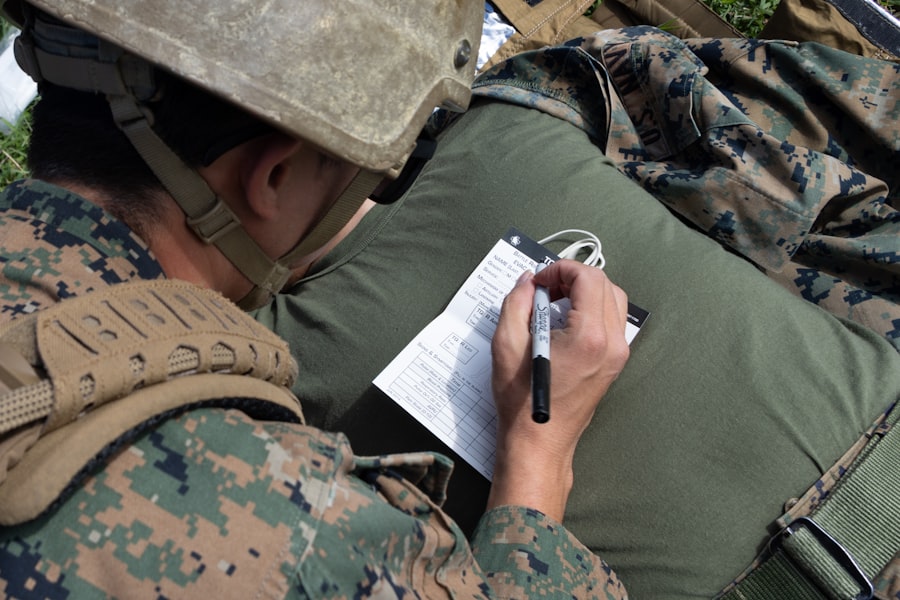
Enhancing defense intelligence analysis methodology is crucial for several reasons. First and foremost, improved methodologies lead to more accurate and timely intelligence assessments. In an era where decisions can have far-reaching consequences, the ability to provide reliable insights is paramount.
Enhanced methodologies enable analysts to better filter and interpret data, ensuring that decision-makers receive actionable intelligence that reflects the current threat landscape. Moreover, refining analytical methodologies fosters greater adaptability in responding to emerging threats. As the nature of warfare evolves, so too must the approaches used to analyze intelligence.
By incorporating innovative techniques and frameworks, defense organizations can better anticipate potential challenges and develop proactive strategies. This adaptability not only strengthens national security but also enhances international cooperation among allied nations facing similar threats.
Incorporating Advanced Technology in Defense Intelligence Analysis
The integration of advanced technology into defense intelligence analysis has revolutionized the field. Tools such as artificial intelligence (AI), machine learning (ML), and big data analytics have transformed how analysts process and interpret information. These technologies enable analysts to automate routine tasks, allowing them to focus on higher-level analytical work that requires human judgment and expertise.
For instance, AI algorithms can quickly analyze vast datasets to identify patterns or anomalies that may warrant further investigation. Additionally, advanced technology facilitates real-time data processing and analysis, which is critical in fast-paced operational environments. The ability to access and analyze information instantaneously allows defense organizations to respond more effectively to emerging threats.
Furthermore, technology enhances collaboration among analysts by providing platforms for sharing insights and findings across different agencies and departments. This interconnectedness fosters a more comprehensive understanding of complex security issues.
Implementing Data Analytics in Defense Intelligence Analysis
| Metric | Description | Typical Data Sources | Measurement Techniques | Purpose |
|---|---|---|---|---|
| Threat Assessment Accuracy | Degree to which identified threats match actual adversary capabilities and intentions | Signals intelligence, human intelligence, open-source intelligence | Comparative analysis, validation against real-world events | Improve predictive reliability of intelligence products |
| Timeliness of Intelligence Reports | Time elapsed from data collection to dissemination of actionable intelligence | Operational logs, communication timestamps | Time tracking, process flow analysis | Enhance responsiveness to emerging threats |
| Source Reliability Rating | Evaluation of the trustworthiness and consistency of intelligence sources | Historical source performance data, corroboration records | Statistical reliability scoring, cross-validation | Prioritize high-quality intelligence inputs |
| Analytical Method Diversity | Range of analytical techniques applied (e.g., pattern analysis, link analysis, geospatial analysis) | Analyst reports, methodology documentation | Methodology audits, technique usage frequency | Ensure comprehensive evaluation of intelligence data |
| Intelligence Product Impact | Effectiveness of intelligence in influencing defense decisions and operations | Decision-maker feedback, operational outcomes | Surveys, case study analysis | Measure value added by intelligence analysis |
Data analytics plays a pivotal role in modern defense intelligence analysis by enabling analysts to derive meaningful insights from large datasets. By employing various analytical techniques, such as predictive analytics and geospatial analysis, defense organizations can uncover trends and correlations that may not be immediately apparent. For example, predictive analytics can help forecast potential conflict zones based on historical data and current geopolitical developments.
Moreover, implementing data analytics enhances the accuracy of threat assessments. Analysts can leverage statistical models to quantify risks associated with specific scenarios or adversaries, allowing for more informed decision-making. This quantitative approach complements traditional qualitative analysis, providing a holistic view of the security landscape.
As data analytics continues to evolve, it will undoubtedly play an increasingly central role in shaping defense intelligence methodologies.
Enhancing Collaboration and Information Sharing in Defense Intelligence Analysis

Collaboration and information sharing are essential components of effective defense intelligence analysis. In an interconnected world where threats often transcend national borders, fostering cooperation among various stakeholders is crucial for comprehensive threat assessments. Defense organizations must establish frameworks that facilitate seamless communication between different agencies, including military branches, law enforcement, and international partners.
One effective strategy for enhancing collaboration is the establishment of joint task forces or intelligence-sharing platforms that bring together analysts from diverse backgrounds. These collaborative efforts allow for the pooling of resources and expertise, leading to more robust analyses. Additionally, fostering a culture of trust among agencies encourages open communication and information sharing, which ultimately strengthens national security efforts.
Leveraging Open Source Intelligence in Defense Intelligence Analysis
Open source intelligence (OSINT) has emerged as a valuable resource for defense intelligence analysis.
By leveraging OSINT, analysts can gain insights into public sentiment, emerging trends, and potential threats that may not be captured through traditional intelligence channels.
The use of OSINT also enhances situational awareness by providing a broader context for understanding complex issues. For instance, monitoring social media can reveal shifts in public opinion or grassroots movements that may impact regional stability. Furthermore, OSINT can serve as a complementary source of information alongside classified intelligence, enriching analysts’ understanding of the operational environment.
Training and Development for Defense Intelligence Analysts
To effectively navigate the complexities of modern defense intelligence analysis, ongoing training and development for analysts are essential. As threats evolve and new technologies emerge, analysts must continuously update their skills to remain effective in their roles. Training programs should encompass a range of topics, including advanced analytical techniques, technological tools, and geopolitical awareness.
Moreover, fostering a culture of lifelong learning within defense organizations encourages analysts to seek out professional development opportunities actively.
By investing in training and development initiatives, defense organizations can ensure that their analysts are well-equipped to address current and future challenges.
Improving the Accuracy and Timeliness of Defense Intelligence Analysis
Accuracy and timeliness are critical factors in defense intelligence analysis that directly impact decision-making processes. To improve accuracy, organizations must implement rigorous validation processes for data sources and analytical methods. This includes cross-referencing information from multiple sources to ensure reliability before disseminating intelligence assessments.
Timeliness is equally important; delays in delivering intelligence can result in missed opportunities or inadequate responses to emerging threats. To enhance timeliness, organizations should streamline their analytical processes by adopting agile methodologies that prioritize rapid assessment without sacrificing quality. By fostering a culture that values both accuracy and timeliness, defense organizations can significantly improve their overall effectiveness in addressing security challenges.
Addressing Ethical and Legal Considerations in Defense Intelligence Analysis
As defense intelligence analysis becomes increasingly reliant on advanced technologies and data collection methods, ethical and legal considerations must be at the forefront of discussions within the field. Analysts must navigate complex legal frameworks governing data privacy and civil liberties while ensuring that their work aligns with ethical standards. This balance is crucial for maintaining public trust in defense institutions.
Moreover, organizations should establish clear guidelines for ethical conduct in intelligence analysis. Training programs should include discussions on ethical dilemmas that analysts may encounter in their work, equipping them with the tools needed to make informed decisions. By prioritizing ethical considerations alongside operational effectiveness, defense organizations can uphold their commitment to transparency and accountability.
Future Trends and Innovations in Defense Intelligence Analysis Methodology
Looking ahead, several trends are poised to shape the future of defense intelligence analysis methodology. The continued integration of artificial intelligence and machine learning will likely enhance analytical capabilities further by enabling more sophisticated data processing techniques. As these technologies evolve, they will empower analysts to uncover deeper insights from complex datasets.
Additionally, the growing emphasis on collaboration across international borders will drive innovations in information sharing practices. As nations face common threats such as terrorism or cyberattacks, collaborative frameworks will become increasingly vital for effective intelligence analysis. The future will likely see enhanced partnerships between government agencies and private sector entities as well as academic institutions working together to address shared security challenges.
In conclusion, defense intelligence analysis methodology is an ever-evolving field that requires continuous adaptation to meet emerging challenges. By enhancing methodologies through advanced technology integration, data analytics implementation, collaboration efforts, and ethical considerations, defense organizations can significantly improve their analytical capabilities. As they look toward the future, embracing innovation will be key to ensuring national security in an increasingly complex global landscape.
For those interested in deepening their understanding of defense intelligence analysis methodology, a valuable resource can be found in the article on In the War Room. This article provides insights into the frameworks and techniques used in intelligence analysis, highlighting the importance of systematic approaches in assessing threats and making informed decisions. By exploring this resource, readers can enhance their knowledge of the critical role that intelligence plays in defense strategies.
WATCH THIS! 🕵️ HE CHOSE BETRAYAL—And His Wife Paid the Price | The Billion Dollar Spy
FAQs
What is defense intelligence analysis methodology?
Defense intelligence analysis methodology refers to the systematic processes and techniques used to collect, evaluate, and interpret information relevant to national security and military operations. It aims to provide accurate and timely intelligence to support decision-making in defense contexts.
What are the key steps involved in defense intelligence analysis?
The key steps typically include collection of raw data, processing and validation of information, analysis and interpretation, production of intelligence reports, and dissemination to relevant stakeholders. Analysts use various tools and frameworks to ensure accuracy and relevance.
What types of data sources are used in defense intelligence analysis?
Data sources can include human intelligence (HUMINT), signals intelligence (SIGINT), imagery intelligence (IMINT), open-source intelligence (OSINT), and measurement and signature intelligence (MASINT). These diverse sources help create a comprehensive intelligence picture.
How does defense intelligence analysis support military operations?
It provides commanders and policymakers with insights into enemy capabilities, intentions, and potential threats. This information aids in strategic planning, threat assessment, risk management, and operational decision-making.
What analytical techniques are commonly used in defense intelligence?
Common techniques include trend analysis, pattern recognition, link analysis, scenario development, and predictive modeling. Analysts may also use structured analytic techniques to reduce bias and improve objectivity.
What role does technology play in defense intelligence analysis?
Technology enhances data collection, processing, and analysis through tools like artificial intelligence, machine learning, geospatial analysis, and data visualization. These technologies improve the speed and accuracy of intelligence products.
How is the accuracy of defense intelligence analysis ensured?
Accuracy is maintained through rigorous validation of sources, cross-referencing multiple data points, peer reviews, and continuous updating of intelligence based on new information. Analysts also follow established protocols to minimize errors and biases.
Who are the primary users of defense intelligence analysis?
Primary users include military commanders, defense policymakers, intelligence agencies, and government officials responsible for national security and defense strategy.
What challenges are faced in defense intelligence analysis methodology?
Challenges include dealing with incomplete or deceptive information, managing large volumes of data, overcoming cognitive biases, ensuring timely dissemination, and adapting to rapidly changing threat environments.
Is defense intelligence analysis methodology standardized across countries?
While core principles are similar, methodologies can vary based on national security policies, available technologies, organizational structures, and specific defense needs of each country. However, international cooperation often leads to shared best practices.