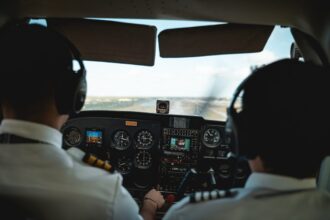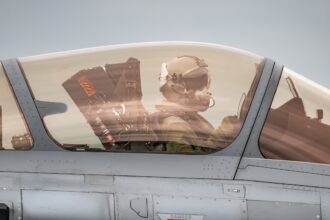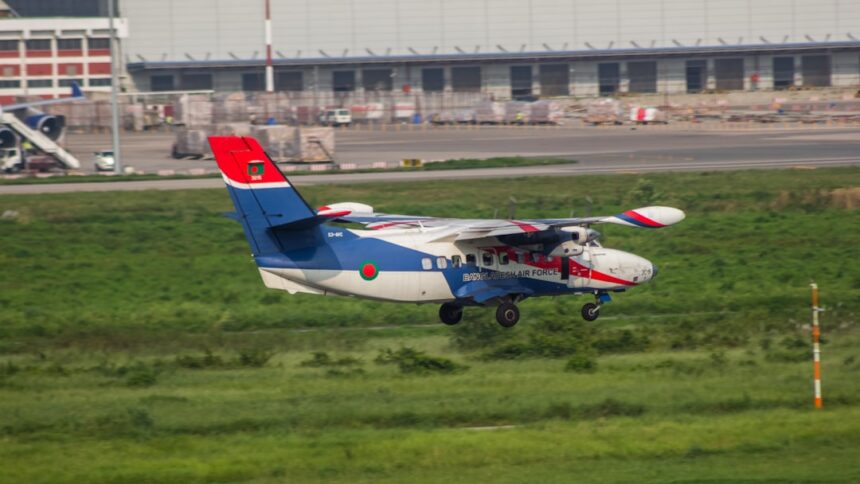
Combat debriefs serve as a critical component in military aviation, providing a structured opportunity for personnel to analyze and reflect on mission experiences. These debriefs are essential for enhancing operational effectiveness and ensuring lessons learned are systematically integrated into future missions. By facilitating open discussions about successes and failures, combat debriefs allow military aviators to dissect complex scenarios, identify areas for improvement, and refine their tactics, techniques, and procedures.
This process is vital for maintaining readiness and adaptability in an ever-evolving combat environment. The importance of combat debriefs extends beyond individual missions. They contribute to the collective knowledge base of military units, fostering a culture of learning and resilience.
When aviators share insights and experiences, they create a repository of information accessible to others, enhancing the overall capability of the unit. This collaborative approach strengthens team cohesion and instills accountability among personnel, as they recognize the impact of their actions on broader mission objectives. Combat debriefs are indispensable for cultivating a proactive mindset within military aviation, where continuous improvement is not just encouraged but expected.
Key Takeaways
- Combat debriefs are crucial for improving performance and safety in military aviation.
- Effective debriefs enhance communication, collaboration, and continuous learning among teams.
- Overcoming cultural and logistical challenges is key to successful debrief implementation.
- Leveraging technology and structured approaches can significantly improve debrief quality.
- Training, feedback mechanisms, and best practices foster a culture of continuous improvement.
Understanding the Current State of Combat Debrief Culture
The current state of combat debrief culture within military aviation reflects a complex interplay of tradition, innovation, and the challenges posed by modern warfare. Historically, debriefs have been conducted in a somewhat informal manner, often relying on the recollections of pilots and crew members immediately following missions. However, as the nature of combat has evolved with advancements in technology and tactics, so too has the approach to debriefing.
Many military organizations are now recognizing the need for a more structured and systematic methodology to capture critical insights effectively. Despite these advancements, there remain significant disparities in how combat debriefs are perceived and executed across different units and branches. Some organizations have embraced a culture of transparency and open communication, encouraging personnel to share their experiences candidly without fear of retribution.
In contrast, others may still struggle with hierarchical barriers that inhibit honest dialogue. This inconsistency can lead to missed opportunities for learning and growth, as valuable lessons may go unreported or unaddressed. Understanding these dynamics is crucial for fostering an environment where combat debriefs can thrive and contribute meaningfully to operational success.
Identifying the Benefits of Effective Combat Debriefs
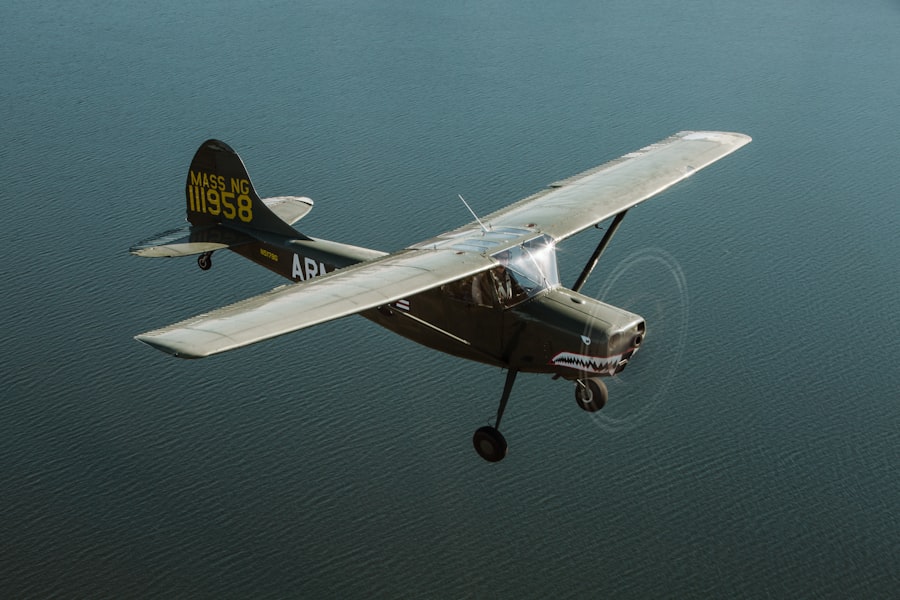
Effective combat debriefs yield numerous benefits that extend far beyond immediate mission analysis. One of the most significant advantages is the enhancement of situational awareness among personnel. By discussing various aspects of a mission—such as decision-making processes, environmental factors, and unexpected challenges—aviators gain a deeper understanding of the complexities involved in combat operations.
This heightened awareness not only improves individual performance but also strengthens team dynamics, as members learn to anticipate each other’s actions and reactions in high-pressure situations. Additionally, effective combat debriefs play a pivotal role in risk management and safety enhancement. By systematically identifying what went well and what did not during missions, military aviators can develop strategies to mitigate risks in future operations.
This proactive approach to safety fosters a culture where personnel are encouraged to speak up about potential hazards or procedural shortcomings without fear of negative consequences. As a result, effective debriefs contribute to a safer operational environment, ultimately preserving lives and resources while maximizing mission success.
Overcoming Challenges in Implementing Combat Debriefs
While the benefits of combat debriefs are clear, implementing them effectively is not without its challenges. One significant hurdle is the time constraint faced by military personnel in the aftermath of missions. With operational demands often taking precedence, debriefs may be rushed or overlooked entirely.
This can lead to incomplete discussions that fail to capture critical insights or lessons learned. To address this issue, military leaders must prioritize debriefing as an essential component of mission planning and execution, ensuring that adequate time is allocated for thorough analysis. Another challenge lies in overcoming cultural resistance within certain units.
In some cases, personnel may be hesitant to engage in open discussions about mistakes or failures due to fear of judgment or repercussions. This reluctance can stifle honest communication and hinder the effectiveness of debriefs. To combat this issue, leadership must actively promote a culture that values transparency and learning from mistakes.
Enhancing Communication and Collaboration in Combat Debriefs
| Metric | Description | Typical Value/Range | Importance in Combat Debrief Culture |
|---|---|---|---|
| Debrief Frequency | Number of debrief sessions conducted per mission | 1 per mission | Ensures timely feedback and learning |
| Average Debrief Duration | Time spent in each debrief session | 30-60 minutes | Allows thorough analysis without fatigue |
| Participation Rate | Percentage of crew and support staff attending debriefs | 90-100% | Maximizes shared learning and accountability |
| Error Identification Rate | Number of errors or issues identified per debrief | 3-5 | Highlights areas for improvement and risk mitigation |
| Follow-up Action Completion | Percentage of corrective actions completed after debrief | 85-95% | Ensures lessons learned are implemented |
| Psychological Safety Score | Measure of crew comfort in openly discussing mistakes | High (7-9/10) | Encourages honest communication and trust |
| Use of Technology | Integration of video, telemetry, and simulation in debriefs | Common | Enhances accuracy and engagement in analysis |
| Training Impact | Improvement in mission success rate attributed to debrief culture | 5-15% increase | Demonstrates effectiveness of debriefs in operational performance |
Effective communication is at the heart of successful combat debriefs. To enhance this aspect, military organizations must foster an environment where all participants feel comfortable expressing their thoughts and opinions. Encouraging open dialogue during debriefs allows for diverse perspectives to be shared, leading to richer discussions and more comprehensive analyses.
Additionally, utilizing techniques such as active listening can help ensure that all voices are heard and valued during these critical conversations. Collaboration among team members is equally important in maximizing the effectiveness of combat debriefs. By promoting teamwork during these sessions, military aviators can leverage each other’s strengths and insights to develop more robust strategies for future missions.
This collaborative approach not only enhances individual learning but also strengthens unit cohesion, as personnel work together to identify common challenges and solutions. Ultimately, fostering effective communication and collaboration during combat debriefs contributes to a more resilient and capable military force.
Utilizing Technology to Improve Combat Debriefs
In an age where technology plays an increasingly vital role in military operations, leveraging digital tools can significantly enhance the effectiveness of combat debriefs. Advanced software applications can facilitate real-time data collection and analysis during missions, allowing for more accurate assessments during debriefing sessions. For instance, utilizing flight data recorders or video footage can provide concrete evidence of events that transpired during a mission, enabling personnel to analyze their actions with greater precision.
Moreover, technology can streamline the debriefing process itself by providing platforms for remote participation or asynchronous discussions. This flexibility allows personnel who may be deployed or stationed in different locations to contribute their insights without being physically present. Additionally, digital platforms can serve as repositories for recorded debriefs, making it easier for units to access past discussions and lessons learned.
By embracing technology in combat debriefs, military organizations can enhance their ability to capture critical information and foster a culture of continuous improvement.
Developing a Structured Approach to Combat Debriefs
A structured approach to combat debriefs is essential for ensuring that all relevant aspects of a mission are thoroughly examined. This involves establishing clear guidelines for conducting debriefs, including specific topics to cover and questions to address during discussions. By providing a framework for analysis, military organizations can ensure that no critical elements are overlooked while also promoting consistency across different units.
Additionally, incorporating standardized formats for documenting debrief outcomes can enhance accountability and facilitate follow-up actions. For example, creating templates that outline key findings, recommendations, and action items can help ensure that lessons learned are effectively communicated and acted upon. A structured approach not only improves the quality of debrief discussions but also reinforces the importance of these sessions within the broader context of military operations.
Training and Education for Effective Combat Debriefs
Training and education play a crucial role in equipping personnel with the skills necessary for conducting effective combat debriefs. Military organizations should prioritize developing training programs that focus on communication techniques, analytical skills, and best practices for facilitating discussions. By investing in these areas, leaders can empower personnel to engage meaningfully in debrief sessions and contribute valuable insights based on their experiences.
Furthermore, ongoing education about the evolving nature of warfare and operational challenges is essential for keeping personnel informed and prepared for future missions. Incorporating lessons learned from previous conflicts into training curricula can help instill a mindset of continuous improvement among aviators. By fostering an environment where learning is prioritized at all levels, military organizations can enhance their overall effectiveness in conducting combat debriefs.
Fostering a Culture of Continuous Improvement through Combat Debriefs
Fostering a culture of continuous improvement is paramount for military aviation units seeking to maximize the benefits of combat debriefs. This culture should emphasize the importance of learning from both successes and failures while encouraging personnel to view challenges as opportunities for growth rather than setbacks. By promoting this mindset at all levels of leadership, military organizations can create an environment where individuals feel empowered to share their experiences openly.
Additionally, recognizing and rewarding contributions made during combat debriefs can further reinforce this culture of improvement. Celebrating instances where personnel have identified critical lessons or proposed innovative solutions encourages others to engage actively in discussions. By cultivating an atmosphere where continuous improvement is valued and rewarded, military organizations can ensure that combat debriefs remain an integral part of their operational framework.
Implementing Feedback Mechanisms for Combat Debriefs
Implementing feedback mechanisms is essential for enhancing the effectiveness of combat debriefs over time. Gathering input from participants about their experiences during debrief sessions can provide valuable insights into what works well and what areas may need improvement. Surveys or informal discussions following debriefs can help identify any barriers to open communication or areas where additional training may be required.
Moreover, establishing channels for ongoing feedback allows military organizations to adapt their approaches based on evolving needs and challenges within the operational environment. By actively seeking input from personnel regarding their experiences with combat debriefs, leaders can make informed decisions about how best to support their teams in future missions. This iterative process not only enhances the quality of debrief discussions but also reinforces a commitment to continuous improvement within military aviation.
Case Studies and Best Practices in Combat Debrief Culture
Examining case studies and best practices from various military organizations can provide valuable insights into effective combat debrief cultures. For instance, some air forces have implemented structured debriefing protocols that emphasize open communication and collaboration among team members. These protocols often include specific guidelines for discussing both successes and failures while encouraging participants to share their perspectives candidly.
Additionally, successful units often leverage technology to enhance their debriefing processes by utilizing data analytics tools that provide real-time insights into mission performance. By analyzing trends over time, these units can identify recurring challenges or areas for improvement that may not be immediately apparent during individual debrief sessions. Learning from these case studies allows military organizations to adopt proven strategies that enhance their own combat debrief cultures while fostering an environment conducive to continuous learning and growth.
In conclusion, combat debriefs are an indispensable aspect of military aviation that significantly contribute to operational effectiveness and safety enhancement. By understanding the current state of combat debrief culture, identifying benefits, overcoming challenges, enhancing communication, utilizing technology, developing structured approaches, providing training, fostering continuous improvement cultures, implementing feedback mechanisms, and learning from case studies, military organizations can create an environment where lessons learned are effectively captured and integrated into future operations. Through these efforts, they will ensure that they remain agile and prepared in an ever-changing landscape of warfare.
In the context of addressing the challenges associated with debrief culture in military aviation, the article on com/’>In The War Room provides valuable insights and strategies for fostering a more constructive and open environment during debriefs.
By emphasizing the importance of psychological safety and effective communication, the article highlights how these elements can significantly enhance learning and performance in high-stakes situations.
WATCH THIS! 🎬 The Day Speed Died: How One Jet Changed Air Combat Forever
FAQs
What is a combat debrief in military aviation?
A combat debrief in military aviation is a structured review process conducted after a mission or combat sortie. It involves pilots and crew discussing the mission’s events, performance, challenges, and outcomes to identify lessons learned and improve future operations.
Why is combat debrief culture important in military aviation?
Combat debrief culture is important because it promotes continuous learning, enhances safety, improves mission effectiveness, and fosters teamwork. By openly analyzing successes and mistakes, aircrews and commanders can adapt tactics and procedures to better meet operational demands.
Who typically participates in a combat debrief?
Participants usually include the pilots and aircrew involved in the mission, flight commanders, intelligence officers, and sometimes maintenance personnel. Higher-level commanders may also attend to gain insights and provide guidance.
What are the key components of a combat debrief?
Key components include a review of mission objectives, timeline of events, assessment of tactics and equipment performance, identification of any issues or errors, discussion of enemy actions, and recommendations for improvements.
How does combat debrief culture impact pilot training?
Combat debrief culture reinforces training by linking real-world experiences with classroom instruction. It helps pilots understand the practical application of tactics, recognize potential pitfalls, and develop critical thinking skills essential for combat readiness.
Are combat debriefs confidential?
Yes, combat debriefs are typically conducted in a secure environment and are confidential to protect sensitive operational information and maintain the integrity of the learning process.
How often are combat debriefs conducted?
Combat debriefs are conducted after every mission or sortie, especially those involving combat or complex operations. Regular debriefs ensure timely feedback and continuous improvement.
What tools or technologies support combat debrief culture?
Tools such as mission recording systems, flight data recorders, video playback, and simulation software are commonly used to provide objective data during debriefs. These technologies help participants analyze performance accurately.
Can combat debrief culture be applied outside of military aviation?
Yes, the principles of combat debrief culture—structured review, open communication, and continuous improvement—can be applied in other high-risk fields such as emergency services, healthcare, and commercial aviation to enhance safety and performance.