Coastal security has emerged as a critical concern for nations around the globe, particularly those with extensive coastlines and maritime interests. The vast expanse of oceans and seas not only serves as a conduit for trade and commerce but also presents numerous vulnerabilities that can be exploited by various threats, including piracy, smuggling, illegal fishing, and even terrorism. As such, the protection of coastal areas is paramount for ensuring national security, economic stability, and environmental preservation.
The significance of coastal security extends beyond mere defense; it encompasses the safeguarding of vital resources, the protection of marine ecosystems, and the maintenance of sovereignty over territorial waters. Moreover, the increasing frequency of natural disasters, such as hurricanes and tsunamis, further underscores the need for robust coastal security measures. These events can lead to significant loss of life and property, necessitating a proactive approach to disaster preparedness and response.
Coastal security is not solely about military presence; it involves a comprehensive strategy that integrates surveillance, law enforcement, environmental protection, and community engagement. As nations grapple with these multifaceted challenges, the development and implementation of advanced technologies become essential in fortifying coastal defenses.
Key Takeaways
- Advanced radar systems play a crucial role in enhancing coastal security by providing real-time surveillance and threat detection.
- Understanding the underlying technology is essential for optimizing the use and integration of radar systems in coastal defense.
- Despite their advantages, challenges such as high costs and technical complexities can hinder the implementation of advanced radar systems.
- Successful case studies demonstrate the effectiveness of combining radar technology with other security measures and proper training.
- Future advancements and international collaboration are key to improving the capabilities and deployment of radar systems for coastal protection.
The Role of Advanced Radar Systems in Coastal Security
Advanced radar systems play a pivotal role in enhancing coastal security by providing real-time surveillance and monitoring capabilities. These sophisticated technologies enable authorities to detect and track vessels, monitor maritime traffic, and identify potential threats before they escalate into serious incidents. By utilizing high-resolution imaging and advanced signal processing techniques, radar systems can distinguish between legitimate maritime activities and suspicious behavior, thereby facilitating timely interventions.
This capability is particularly crucial in busy shipping lanes where the risk of illegal activities is heightened. In addition to vessel tracking, advanced radar systems contribute to environmental monitoring by detecting changes in oceanographic conditions and identifying illegal fishing activities. This dual functionality not only bolsters security but also promotes sustainable practices in marine resource management.
As coastal regions face increasing pressures from human activities and climate change, the integration of advanced radar systems into broader coastal management strategies becomes essential for preserving both security and ecological integrity.
Understanding the Technology Behind Advanced Radar Systems
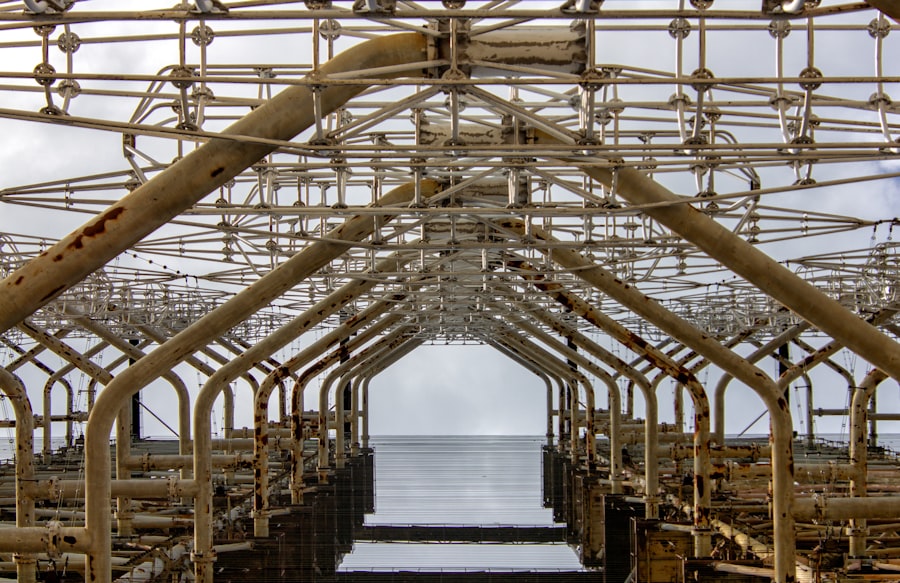
The technology behind advanced radar systems is rooted in sophisticated engineering principles that allow for precise detection and tracking of objects over vast distances. At the core of these systems is the use of electromagnetic waves, which are transmitted and reflected off objects in the environment. The radar system analyzes the returned signals to determine the distance, speed, and direction of moving targets.
Modern radar systems employ various techniques such as Doppler processing and synthetic aperture radar (SAR) to enhance resolution and accuracy. Furthermore, advancements in digital signal processing have revolutionized radar technology by enabling real-time data analysis and visualization. This allows operators to interpret complex information quickly and make informed decisions based on current conditions.
The integration of artificial intelligence (AI) and machine learning algorithms into radar systems has further enhanced their capabilities by automating threat detection and reducing false alarms. As technology continues to evolve, the potential applications of advanced radar systems in coastal security will expand, offering new solutions to emerging challenges.
Advantages of Using Advanced Radar Systems for Coastal Security
The advantages of employing advanced radar systems for coastal security are manifold. One of the most significant benefits is their ability to provide continuous surveillance over large maritime areas without the need for physical presence. This capability allows authorities to monitor vast stretches of coastline and open waters efficiently, reducing the risk of unauthorized activities going undetected.
Additionally, advanced radar systems can operate under various weather conditions and during both day and night, ensuring round-the-clock vigilance. Another key advantage is the integration of radar data with other surveillance technologies, such as satellite imagery and automatic identification systems (AIS). This multi-layered approach enhances situational awareness by providing a comprehensive view of maritime activities.
The ability to cross-reference data from different sources enables authorities to identify patterns and trends that may indicate potential threats. Moreover, advanced radar systems can facilitate rapid response efforts by providing real-time information to law enforcement agencies and emergency responders, ultimately improving overall coastal security.
Challenges in Implementing Advanced Radar Systems for Coastal Security
| Metric | Description | Typical Value / Range | Unit |
|---|---|---|---|
| Detection Range | Maximum distance at which the radar can detect targets | 50 – 250 | km |
| Frequency Band | Operating frequency range of the radar system | X-band, S-band, L-band | GHz |
| Azimuth Coverage | Horizontal scanning angle of the radar | 360 | degrees |
| Elevation Coverage | Vertical scanning angle of the radar | 0 – 30 | degrees |
| Target Tracking Capacity | Number of targets the radar can track simultaneously | 50 – 200 | targets |
| Update Rate | Frequency at which the radar updates target information | 1 – 10 | seconds |
| Power Output | Peak power transmitted by the radar | 10 – 100 | kW |
| Resolution | Minimum distance between two targets to be distinguished | 10 – 50 | meters |
| System Mobility | Whether the radar is fixed or mobile | Fixed / Mobile | N/A |
| Integration Capability | Ability to integrate with other air defense systems | High | N/A |
Despite their numerous advantages, implementing advanced radar systems for coastal security is not without challenges. One significant hurdle is the high cost associated with acquiring and maintaining these sophisticated technologies. Budget constraints can limit the ability of some nations or regions to invest in state-of-the-art radar systems, leading to disparities in coastal security capabilities.
Additionally, ongoing maintenance and upgrades are essential to ensure that these systems remain effective against evolving threats. Another challenge lies in the integration of advanced radar systems with existing infrastructure and protocols. Many coastal security operations rely on a combination of legacy systems and manual processes that may not be compatible with modern technologies.
This can create gaps in communication and data sharing among different agencies involved in coastal security efforts. To overcome these challenges, it is crucial for stakeholders to prioritize collaboration and invest in training programs that equip personnel with the necessary skills to operate advanced radar systems effectively.
Case Studies of Successful Implementation of Advanced Radar Systems
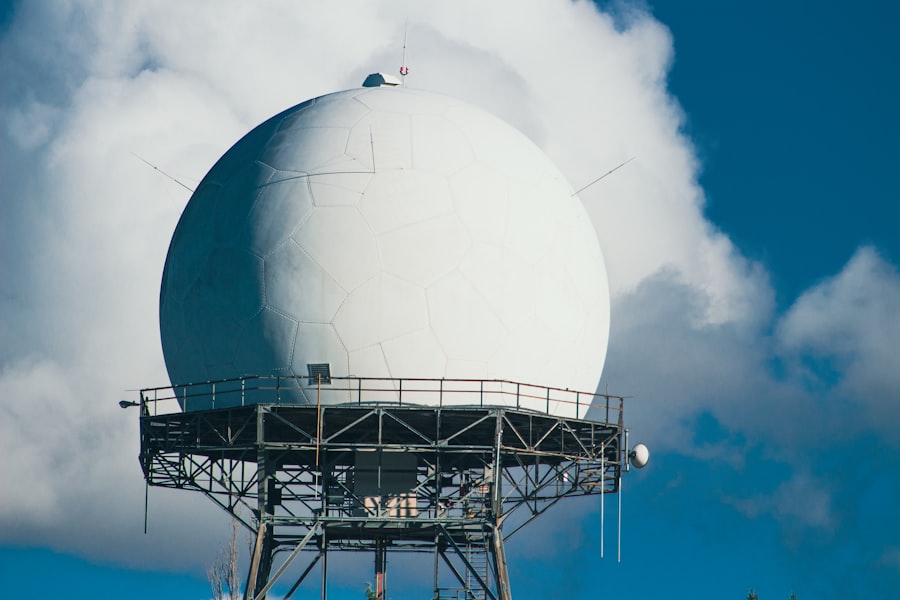
Several countries have successfully implemented advanced radar systems to enhance their coastal security measures, serving as valuable case studies for others to follow. For instance, the United States Coast Guard has integrated advanced radar technology into its maritime domain awareness initiatives. By utilizing high-frequency surface wave radar along key shipping routes, they have significantly improved their ability to detect unauthorized vessels and respond swiftly to potential threats.
Similarly, Australia has invested in a network of coastal surveillance radars that provide comprehensive coverage of its extensive coastline. This system has proven instrumental in monitoring illegal fishing activities and enhancing search-and-rescue operations during emergencies. The success of these implementations highlights the importance of tailored solutions that consider specific regional challenges while leveraging advanced technology to bolster coastal security.
Integrating Advanced Radar Systems with Other Coastal Security Measures
The effectiveness of advanced radar systems can be significantly enhanced when integrated with other coastal security measures.
For example, integrating radar data with information from unmanned aerial vehicles (UAVs) can provide a more comprehensive understanding of maritime activities in real time.
Furthermore, collaboration with local communities plays a vital role in enhancing coastal security efforts. Engaging fishermen, recreational boaters, and coastal residents can foster a sense of shared responsibility for monitoring suspicious activities. By creating reporting mechanisms that allow citizens to relay information about potential threats or illegal activities, authorities can leverage local knowledge to complement technological solutions effectively.
Training and Education for Effective Use of Advanced Radar Systems
To maximize the potential of advanced radar systems in coastal security, comprehensive training and education programs are essential for personnel involved in their operation. Understanding the intricacies of radar technology, data interpretation, and threat assessment requires specialized knowledge that can only be acquired through targeted training initiatives. Investing in ongoing education ensures that operators remain proficient in utilizing these systems effectively.
Moreover, simulation-based training can provide personnel with hands-on experience in real-world scenarios without the associated risks. By creating realistic training environments that mimic actual maritime conditions, operators can develop critical decision-making skills under pressure. This level of preparedness is crucial for ensuring that advanced radar systems are used optimally during actual incidents.
Future Developments in Advanced Radar Systems for Coastal Security
The future of advanced radar systems for coastal security holds great promise as technology continues to evolve at a rapid pace. Innovations such as quantum radar technology may revolutionize detection capabilities by enabling the identification of stealthy vessels that traditional radar systems struggle to detect. Additionally, advancements in miniaturization may lead to more portable radar units that can be deployed quickly in response to emerging threats.
Furthermore, the integration of big data analytics into radar systems will enhance predictive capabilities by analyzing historical patterns alongside real-time data. This could enable authorities to anticipate potential threats before they materialize, allowing for proactive measures rather than reactive responses. As research and development efforts continue to push the boundaries of what is possible with radar technology, the potential applications for coastal security will expand significantly.
International Collaboration in Enhancing Coastal Security with Advanced Radar Systems
International collaboration is essential for enhancing coastal security through advanced radar systems, particularly given the transnational nature of many maritime threats. Countries must work together to share intelligence, best practices, and technological advancements to create a unified front against common challenges. Collaborative initiatives such as joint training exercises and information-sharing platforms can foster stronger relationships among nations while improving overall maritime security.
Additionally, regional partnerships can facilitate the development of integrated surveillance networks that span multiple jurisdictions. By pooling resources and expertise, countries can create a more comprehensive approach to monitoring their coastlines effectively. Such collaborations not only enhance individual nations’ capabilities but also contribute to global efforts aimed at securing international waters against illicit activities.
The Potential of Advanced Radar Systems in Safeguarding Coastal Areas
In conclusion, advanced radar systems represent a transformative force in safeguarding coastal areas against a myriad of threats. Their ability to provide real-time surveillance, integrate with other technologies, and enhance situational awareness makes them indispensable tools for modern coastal security operations. However, realizing their full potential requires overcoming challenges related to cost, integration, training, and international collaboration.
As nations continue to prioritize coastal security amidst evolving threats and environmental challenges, investing in advanced radar technology will be crucial for ensuring safety and sustainability in maritime environments. By embracing innovation and fostering cooperation among stakeholders at all levels, countries can build resilient coastal defenses that protect their interests while promoting peace and stability on the high seas.
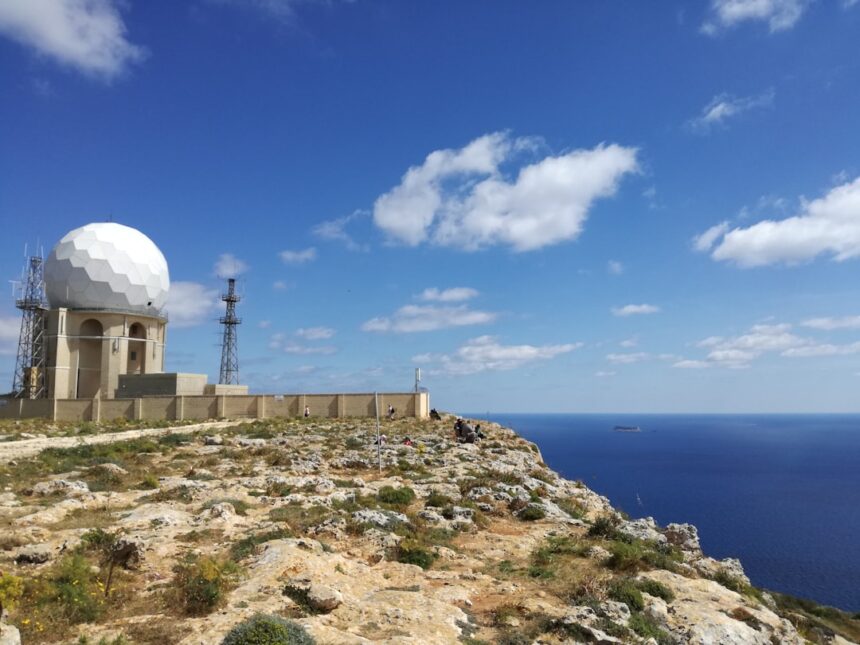
Coastal radar systems play a crucial role in air defense by providing early warning and tracking capabilities for incoming threats. For a deeper understanding of the strategic importance of these systems, you can read more in the article available at this link. This resource delves into the technological advancements and operational strategies that enhance coastal defense mechanisms.
FAQs
What is a coastal radar system in air defense?
A coastal radar system in air defense is a network of radar installations positioned along coastlines to detect, track, and monitor airborne threats approaching from the sea. These systems provide early warning and situational awareness to military forces, helping to protect coastal areas from potential air attacks.
How do coastal radar systems work?
Coastal radar systems emit radio waves that bounce off objects in the air, such as aircraft or missiles. By analyzing the reflected signals, the radar can determine the location, speed, and direction of these objects. This information is then relayed to command centers for threat assessment and response coordination.
What types of threats do coastal radar systems detect?
Coastal radar systems primarily detect airborne threats including enemy aircraft, unmanned aerial vehicles (UAVs), cruise missiles, and other low-flying objects that may pose a risk to coastal installations or naval assets.
Why are coastal radar systems important for air defense?
They provide early detection of incoming threats from the sea, allowing defense forces to prepare and respond effectively. This early warning capability is crucial for protecting critical infrastructure, military bases, and civilian populations near coastlines.
Are coastal radar systems integrated with other defense systems?
Yes, coastal radar systems are often integrated with other air defense components such as surface-to-air missile batteries, fighter aircraft, and command and control centers to create a comprehensive and coordinated defense network.
What technologies are commonly used in coastal radar systems?
Modern coastal radar systems use technologies like phased array radar, Doppler radar, and over-the-horizon radar to enhance detection range, accuracy, and the ability to track multiple targets simultaneously.
Can coastal radar systems detect stealth aircraft?
While stealth technology reduces an aircraft’s radar signature, advanced coastal radar systems with sophisticated signal processing and multiple radar frequencies can improve the chances of detecting stealth aircraft, though detection remains challenging.
How do environmental factors affect coastal radar performance?
Environmental conditions such as sea clutter, weather (rain, fog, storms), and atmospheric conditions can impact radar performance by causing signal interference or attenuation. Coastal radar systems are designed to mitigate these effects through advanced filtering and signal processing techniques.
Who operates coastal radar systems?
Coastal radar systems are typically operated by national military forces, coast guards, or specialized air defense units responsible for monitoring and securing a country’s maritime borders.
Are coastal radar systems used only for military purposes?
While primarily used for military air defense, coastal radar systems can also support civilian maritime traffic monitoring, search and rescue operations, and environmental monitoring, depending on the system’s capabilities and operational directives.