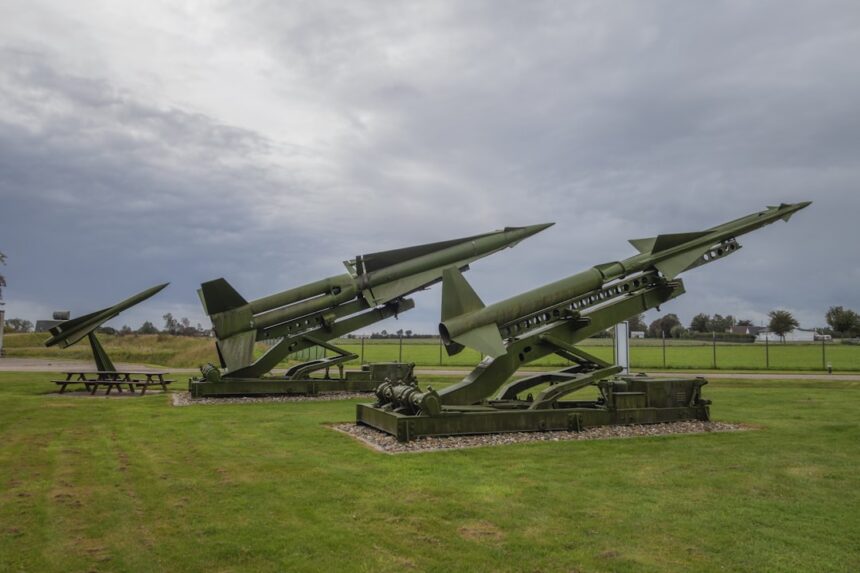
Coastal defense has emerged as a critical component of national security for many countries, particularly those with extensive coastlines and maritime interests. The significance of safeguarding coastal areas cannot be overstated, as these regions are often the first line of defense against potential maritime threats. With the increasing frequency of naval confrontations and the rise of asymmetric warfare, nations are compelled to invest in robust coastal defense mechanisms.
The protection of vital economic zones, shipping lanes, and critical infrastructure hinges on the effectiveness of these defensive strategies. Moreover, coastal defense plays a pivotal role in preserving sovereignty and deterring aggression from adversaries. In an era where territorial waters are frequently contested, the ability to project power and maintain control over maritime domains is essential.
Coastal defense systems not only serve to protect against direct attacks but also act as a deterrent, signaling to potential aggressors that any hostile action will be met with a formidable response. As geopolitical tensions continue to escalate, the importance of a well-rounded coastal defense strategy becomes increasingly apparent.
Key Takeaways
- Anti-ship missile systems are crucial for effective coastal defense against maritime threats.
- These systems offer precision targeting, long-range engagement, and rapid response capabilities.
- Various types include ship-launched, shore-based, and air-launched missiles, each with unique advantages.
- Integration with coastal defense networks enhances situational awareness and coordinated defense efforts.
- Ongoing advancements focus on improving missile technology, countermeasures, and system interoperability.
Understanding Anti-Ship Missile Systems
Anti-ship missile systems represent a sophisticated technological advancement in maritime warfare, designed specifically to target and neutralize naval vessels. These systems have evolved significantly over the years, incorporating cutting-edge technology to enhance their accuracy, range, and lethality. At their core, anti-ship missiles are guided munitions that can be launched from various platforms, including ships, submarines, and aircraft.
Their primary objective is to incapacitate enemy ships, thereby diminishing the adversary’s naval capabilities. The operational principles behind anti-ship missile systems involve a combination of guidance systems, propulsion mechanisms, and warhead technologies. Modern anti-ship missiles utilize advanced radar and infrared homing systems to track and engage targets effectively.
This level of precision is crucial in contemporary naval warfare, where the ability to strike swiftly and accurately can determine the outcome of engagements. Understanding the intricacies of these systems is essential for military strategists and defense planners as they seek to enhance their coastal defense capabilities.
Advantages of Anti-Ship Missile Systems

The advantages of anti-ship missile systems are manifold, making them an indispensable asset in modern naval warfare. One of the most significant benefits is their ability to engage targets at long ranges, allowing forces to strike from a safe distance without exposing themselves to enemy fire. This standoff capability is particularly valuable in contested maritime environments where direct engagement with enemy vessels could lead to significant losses.
Additionally, anti-ship missile systems can be deployed from various platforms, providing flexibility in their use. Whether launched from land-based installations, naval vessels, or aircraft, these missiles can adapt to different operational scenarios. This versatility enhances the overall effectiveness of coastal defense strategies, enabling nations to respond dynamically to emerging threats.
Furthermore, the integration of advanced targeting technologies ensures that these systems can operate effectively in complex environments, where multiple threats may be present simultaneously.
Types of Anti-Ship Missile Systems
Anti-ship missile systems can be categorized into several types based on their launch platforms and operational characteristics. One prominent category includes ship-launched missiles, which are typically deployed from surface vessels equipped with vertical launch systems or missile tubes. These missiles are designed for rapid engagement and can be fired in quick succession to overwhelm enemy defenses.
Another significant category is air-launched anti-ship missiles, which are deployed from aircraft such as bombers or fighter jets. These missiles benefit from the speed and altitude of their launch platforms, allowing them to cover vast distances quickly. Submarine-launched anti-ship missiles also play a crucial role in naval warfare, providing stealthy strike capabilities that can catch adversaries off guard.
Each type of anti-ship missile system offers unique advantages and challenges, necessitating a comprehensive understanding of their operational contexts.
Key Components of Anti-Ship Missile Systems
| System Name | Country of Origin | Missile Type | Range (km) | Guidance System | Warhead Weight (kg) | Deployment Type | Operational Since |
|---|---|---|---|---|---|---|---|
| Harpoon Coastal Defense System | USA | RGM-84 Harpoon | 124 | Active Radar Homing | 221 | Mobile Launcher / Fixed Site | 1980s |
| YJ-62 Coastal Defense System | China | YJ-62 | 200 | Inertial + Active Radar | 300 | Mobile Launcher | 2010s |
| Exocet MM40 Block 3 | France | MM40 Block 3 | 180 | Active Radar Homing | 165 | Fixed and Mobile Coastal Batteries | 2000s |
| P-800 Oniks (Yakhont) | Russia | P-800 Oniks | 300 | Active Radar + Infrared | 250 | Mobile Coastal Defense | 2010s |
| Gabriel V | Israel | Gabriel V | 200 | Active Radar Homing | 150 | Mobile and Fixed | 2010s |
The effectiveness of anti-ship missile systems hinges on several key components that work in concert to ensure successful engagements. The guidance system is perhaps the most critical element, as it determines how accurately a missile can track and hit its target. Modern missiles often employ a combination of inertial navigation systems and terminal guidance methods such as radar or infrared homing to enhance precision.
Another vital component is the propulsion system, which dictates the missile’s speed and range. Advanced propulsion technologies enable missiles to travel at supersonic or even hypersonic speeds, significantly reducing the time available for enemy vessels to react. Additionally, the warhead design plays a crucial role in determining the lethality of an anti-ship missile; whether using high-explosive or shaped-charge warheads, the goal is to maximize damage upon impact.
Together, these components create a formidable weapon system capable of challenging even the most advanced naval forces.
Deployment and Operation of Anti-Ship Missile Systems

The deployment and operation of anti-ship missile systems require careful planning and coordination among various military branches. Effective deployment strategies often involve integrating these systems into broader coastal defense networks that include surveillance assets and command-and-control structures. This integration ensures that anti-ship missiles can be employed at optimal moments during naval engagements.
Operationally, anti-ship missile systems must be maintained and regularly tested to ensure reliability and effectiveness. Training personnel in the use of these systems is equally important; operators must be proficient in targeting procedures and familiar with the technical aspects of missile operation. Additionally, real-time intelligence and reconnaissance play a crucial role in informing decision-making during operations, allowing commanders to adapt their strategies based on evolving battlefield conditions.
Challenges and Limitations of Anti-Ship Missile Systems
Despite their numerous advantages, anti-ship missile systems face several challenges and limitations that can impact their effectiveness in combat scenarios. One significant challenge is countermeasures employed by adversaries, which may include electronic warfare tactics designed to jam or mislead missile guidance systems. As technology advances, so too do the methods used by enemy forces to defend against missile attacks.
Another limitation lies in the potential for saturation attacks; while anti-ship missiles can be highly effective when used judiciously, overwhelming an enemy’s defenses with multiple incoming threats can lead to diminishing returns if not executed properly. Additionally, logistical considerations such as supply chain management and maintenance requirements can hinder operational readiness if not adequately addressed. Understanding these challenges is essential for military planners as they seek to optimize the use of anti-ship missile systems within their coastal defense frameworks.
Integration with Coastal Defense Networks
The integration of anti-ship missile systems into broader coastal defense networks is crucial for maximizing their effectiveness. This integration involves coordinating various assets such as radar systems, surveillance drones, and command-and-control centers to create a comprehensive defense strategy. By linking these elements together, military forces can achieve greater situational awareness and respond more effectively to maritime threats.
Furthermore, interoperability among different branches of the military enhances the overall capability of coastal defense networks. For instance, collaboration between naval forces and air forces can facilitate joint operations that leverage the strengths of both domains. This synergy allows for more efficient targeting and engagement processes while ensuring that anti-ship missile systems are utilized in conjunction with other defensive measures.
Future Developments in Anti-Ship Missile Systems
As technology continues to evolve at a rapid pace, future developments in anti-ship missile systems are likely to focus on enhancing their capabilities further. Innovations in artificial intelligence and machine learning may lead to more autonomous targeting systems that can adapt to changing battlefield conditions in real-time. Such advancements could significantly improve the accuracy and effectiveness of missile strikes while reducing the cognitive load on operators.
The integration of hypersonic flight capabilities could also revolutionize naval warfare by allowing missiles to strike targets at unprecedented speeds, leaving little time for adversaries to react. As nations continue to invest in research and development for these systems, the landscape of coastal defense will undoubtedly evolve.
Case Studies of Successful Implementation
Examining case studies of successful implementation provides valuable insights into the effectiveness of anti-ship missile systems in real-world scenarios. One notable example is the use of anti-ship missiles during regional conflicts where nations have successfully targeted enemy vessels using land-based missile installations. These instances demonstrate how well-coordinated coastal defense strategies can yield significant results against larger naval forces.
Another compelling case study involves air-launched anti-ship missiles employed during joint military exercises between allied nations.
By analyzing these successful implementations, military planners can glean lessons learned that inform future strategies for deploying anti-ship missile systems.
The Role of Anti-Ship Missile Systems in Coastal Defense
In conclusion, anti-ship missile systems play an indispensable role in modern coastal defense strategies. Their ability to engage enemy vessels at long ranges while being deployed from various platforms provides nations with a formidable tool for safeguarding their maritime interests. As geopolitical tensions continue to rise and naval confrontations become more frequent, investing in advanced anti-ship missile capabilities will remain a priority for many countries.
The integration of these systems into broader coastal defense networks enhances their effectiveness while addressing potential challenges posed by adversaries’ countermeasures. As technology continues to advance, future developments promise even greater capabilities for anti-ship missiles, ensuring that they remain relevant in an ever-evolving maritime landscape. Ultimately, understanding the complexities surrounding these systems will be crucial for nations seeking to maintain security and sovereignty over their coastal regions in an increasingly uncertain world.
Anti-ship missiles have become a critical component of coastal defense systems, providing nations with the capability to deter maritime threats effectively. For a deeper understanding of the strategic implications and technological advancements in this area, you can read a related article on coastal defense systems at In The War Room. This resource offers insights into the evolving landscape of maritime security and the role of missile technology in modern warfare.
FAQs
What are anti-ship missiles?
Anti-ship missiles are guided weapons designed to target and destroy enemy ships. They are typically launched from aircraft, ships, submarines, or coastal defense systems and use radar, infrared, or other guidance systems to home in on their targets.
What is a coastal defense system?
A coastal defense system is a military setup designed to protect a nation’s coastline from naval threats. It often includes a combination of radar installations, missile launchers, artillery, and command centers to detect, track, and engage enemy ships approaching the shore.
How do anti-ship missiles work in coastal defense systems?
In coastal defense systems, anti-ship missiles are deployed on land-based launchers near the coast. When enemy ships are detected by radar or other sensors, the system calculates their position and trajectory, then launches missiles to intercept and destroy the vessels before they can pose a threat.
What types of anti-ship missiles are commonly used in coastal defense?
Common anti-ship missiles used in coastal defense include the Russian P-800 Oniks, the Chinese YJ-12, the American Harpoon, and the Indian BrahMos. These missiles vary in range, speed, and guidance technology but are all designed to effectively target surface ships.
What are the advantages of using anti-ship missiles in coastal defense?
Anti-ship missiles provide long-range precision strike capabilities, allowing coastal defenses to engage enemy vessels before they come within firing range. They are highly mobile, can be concealed, and offer a cost-effective way to deter or neutralize naval threats.
Can coastal defense systems operate independently?
While coastal defense systems can operate independently, they are most effective when integrated with other military assets such as naval forces, air defense systems, and intelligence networks. This integration enhances situational awareness and response coordination.
What challenges do anti-ship missiles face in coastal defense roles?
Challenges include countermeasures employed by enemy ships such as electronic jamming, decoys, and missile defense systems. Additionally, geographic and environmental factors like terrain and weather can affect missile detection and targeting accuracy.
Are coastal defense anti-ship missile systems still relevant in modern warfare?
Yes, coastal defense anti-ship missile systems remain relevant due to their ability to provide a strategic deterrent against naval incursions, protect critical maritime infrastructure, and complement naval and air forces in controlling littoral zones.