Ballistic missile submarines (SSBNs) constitute an essential element of contemporary naval forces and strategic nuclear deterrence frameworks. These submarines are engineered to transport and deploy nuclear-armed ballistic missiles from submerged positions, offering a concealed and resilient platform for retaliatory strike capabilities. The operational survivability of SSBNs is fundamental to their effectiveness, as it determines their capacity to endure hostile actions and complete their missions despite sophisticated enemy surveillance and weapon systems.
SSBNs function as a cornerstone of nuclear deterrence strategy, discouraging potential adversaries from initiating nuclear attacks and contributing to international security equilibrium. Survivability in the context of ballistic missile submarines encompasses multiple operational parameters, including stealth characteristics that enable detection avoidance, structural resilience against hostile fire, and sustained mission capability. With escalating international tensions and rapid technological development, implementing comprehensive survivability enhancements has become increasingly vital for maintaining strategic effectiveness.
This analysis examines the comprehensive factors affecting SSBN survivability, including threat assessment, submarine design and manufacturing considerations, integrated advanced technologies, and crew training protocols. These components collectively determine the operational effectiveness of ballistic missile submarines in fulfilling their strategic deterrence mission.
Key Takeaways
- Ballistic missile submarines employ advanced stealth and design features to enhance survivability against evolving threats.
- Comprehensive training and readiness of submarine crews are critical for effective operation and defense.
- Integration of sophisticated communication and command systems ensures secure and reliable mission execution.
- Ongoing maintenance and inter-branch military cooperation are essential for sustained operational capability.
- Future technological advancements will further strengthen the survivability and strategic value of ballistic missile submarines.
Understanding the Threats to Ballistic Missile Submarines
Ballistic missile submarines operate in an environment fraught with dangers, both from traditional naval threats and emerging technologies. One of the primary concerns is the advancement of anti-submarine warfare (ASW) capabilities among potential adversaries. These capabilities include sophisticated sonar systems, unmanned underwater vehicles, and advanced maritime patrol aircraft that can detect and track submarines with increasing accuracy.
The proliferation of these technologies poses a significant challenge to the stealthy operations of SSBNs, necessitating continuous adaptation and enhancement of their survivability measures. In addition to ASW threats, ballistic missile submarines must also contend with the risk of cyber warfare. As submarines become more reliant on digital systems for navigation, communication, and weaponry, they become vulnerable to cyberattacks that could compromise their operational integrity.
Adversaries may seek to exploit vulnerabilities in these systems to disrupt communications or even take control of critical functions. This evolving landscape of threats underscores the importance of maintaining a comprehensive understanding of both traditional and non-traditional risks to ensure the continued effectiveness of SSBNs.
Design and Construction of Ballistic Missile Submarines
The design and construction of ballistic missile submarines are intricate processes that require a careful balance between stealth, firepower, and survivability. Engineers and naval architects must consider various factors, including hull design, materials used, and internal systems that contribute to the submarine’s overall performance. The hull shape is particularly crucial; a streamlined design minimizes drag and enhances stealth capabilities by reducing noise levels during operation.
Additionally, advanced materials such as composite hulls are often employed to further decrease detectability. Construction techniques also play a vital role in ensuring the survivability of SSBNs. Modular construction methods allow for more efficient assembly while enabling easier upgrades and maintenance over the vessel’s lifespan.
Furthermore, incorporating redundancy into critical systems ensures that even if one component fails, others can take over, thereby enhancing operational reliability. The combination of innovative design principles and advanced construction techniques results in submarines that are not only formidable in terms of their offensive capabilities but also resilient against potential threats.
Advanced Stealth Technologies for Ballistic Missile Submarines
Stealth technology is at the forefront of ensuring the survivability of ballistic missile submarines. These vessels employ a range of advanced technologies designed to minimize their acoustic signature, making them harder to detect by enemy sonar systems. One such technology is the use of anechoic coatings on the hull, which absorb sound waves rather than reflecting them back to sonar arrays.
This significantly reduces the likelihood of detection during patrols. In addition to acoustic stealth, SSBNs also utilize advanced propulsion systems that contribute to their stealthy operations. Nuclear propulsion allows for virtually unlimited underwater endurance while maintaining a low noise profile compared to conventional diesel-electric submarines.
Furthermore, innovations in propeller design and hull shape help reduce cavitation noise, further enhancing stealth capabilities. As adversaries develop more sophisticated detection methods, continuous investment in stealth technologies remains essential for maintaining the effectiveness of ballistic missile submarines.
Countermeasures and Defensive Systems for Ballistic Missile Submarines
| Metric | Description | Typical Value / Range | Impact on Survivability |
|---|---|---|---|
| Acoustic Signature (Noise Level) | Measure of the submarine’s noise output in decibels (dB) | 80-100 dB (lower is better) | Lower noise reduces detectability by sonar, increasing survivability |
| Maximum Operating Depth | Maximum depth the submarine can safely operate | 300-600 meters | Greater depth allows evasion from surface and subsurface threats |
| Speed (Silent Running) | Speed at which the submarine can move quietly | 5-10 knots | Maintains stealth while repositioning or evading detection |
| Endurance (Patrol Duration) | Maximum time submarine can remain submerged and operational | 60-90 days | Longer endurance reduces need to surface, lowering detection risk |
| Countermeasure Systems | Number and type of active/passive defense systems (e.g., decoys, jammers) | 3-5 systems | Enhances ability to evade or confuse enemy tracking and targeting |
| Hull Strength | Pressure resistance and structural integrity of the hull | High-strength steel or titanium alloys | Improves survivability against depth charges and underwater explosions |
| Stealth Technology | Use of anechoic coatings and hull design to reduce sonar reflection | Advanced anechoic tiles and hydrodynamic shaping | Reduces sonar detection probability |
| Communication Security | Encrypted and low-probability-of-intercept communication systems | Secure satellite and underwater communication links | Maintains command and control without compromising location |
While stealth is a primary means of ensuring survivability, ballistic missile submarines also incorporate various countermeasures and defensive systems to protect themselves from potential threats. These systems include advanced sonar arrays that allow SSBNs to detect incoming threats before they can be engaged. By employing passive sonar systems that listen for enemy vessels without emitting detectable signals, submarines can maintain their stealth while gathering critical intelligence about their surroundings.
In addition to sonar capabilities, SSBNs are equipped with electronic warfare systems designed to jam or deceive enemy sensors. These systems can create false targets or disrupt communications, making it more challenging for adversaries to accurately track or engage the submarine. Moreover, some modern SSBNs are being designed with enhanced maneuverability features that allow them to evade incoming threats more effectively.
The combination of advanced detection capabilities and robust countermeasures ensures that ballistic missile submarines can operate with a higher degree of safety in contested environments.
Training and Readiness of Ballistic Missile Submarine Crews
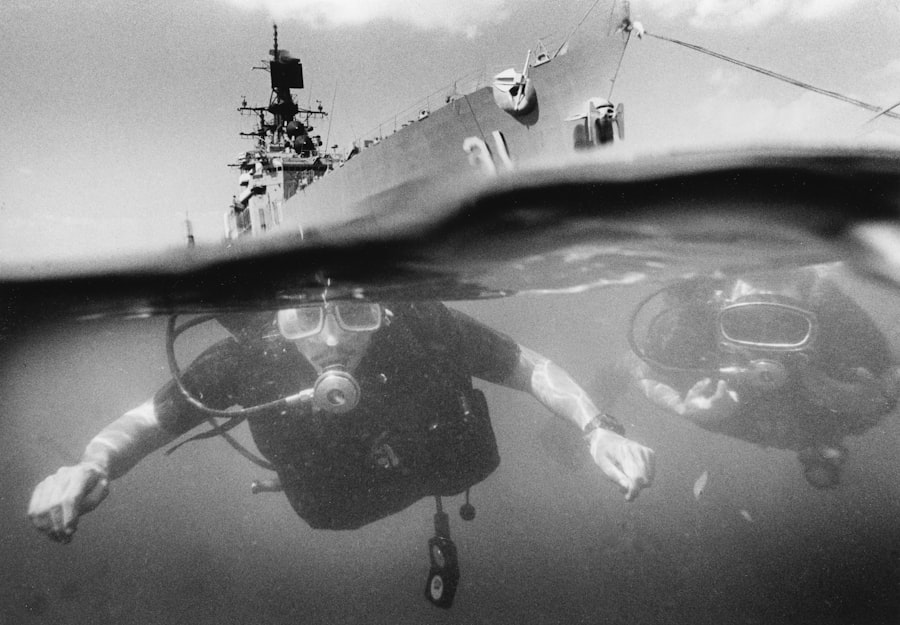
The effectiveness of ballistic missile submarines is not solely dependent on their technological advancements; it also hinges on the training and readiness of their crews. Operating an SSBN requires a high level of skill and expertise due to the complex systems onboard and the strategic nature of their missions. Crews undergo rigorous training programs that encompass various aspects of submarine operations, including navigation, weapon systems management, emergency procedures, and teamwork.
Regular drills and simulations are conducted to ensure that crew members are prepared for any situation they may encounter while deployed. These exercises not only enhance individual skills but also foster cohesion among crew members, which is essential for effective communication during high-pressure scenarios. Additionally, ongoing training programs are adapted to incorporate lessons learned from past missions or emerging threats, ensuring that crews remain at the forefront of operational readiness.
Communication and Command Systems for Ballistic Missile Submarines
Effective communication is vital for the successful operation of ballistic missile submarines, particularly given their strategic role in national defense. SSBNs are equipped with advanced communication systems that enable secure transmission of information between the submarine and command centers on land or at sea. These systems must be resilient against potential interception or jamming attempts by adversaries while ensuring that critical information can be relayed swiftly.
Command systems onboard SSBNs are designed to facilitate rapid decision-making during high-stakes situations. The integration of real-time data from various sensors allows commanders to assess threats accurately and respond accordingly. Moreover, secure communication links enable coordination with other military branches or allied forces when necessary.
Maintenance and Upkeep of Ballistic Missile Submarines
The maintenance and upkeep of ballistic missile submarines are essential components in ensuring their long-term survivability and operational readiness. Given the complex nature of these vessels, regular maintenance schedules are meticulously planned to address wear and tear on critical systems while also incorporating upgrades as new technologies become available. This proactive approach helps prevent potential failures during missions and extends the lifespan of the submarine.
Moreover, maintenance activities often involve extensive inspections and testing procedures to ensure that all systems function optimally. This includes checking propulsion systems, weaponry, sonar arrays, and communication equipment. The integration of predictive maintenance technologies allows for early identification of potential issues before they escalate into significant problems.
By prioritizing maintenance and upkeep, navies can ensure that their ballistic missile submarines remain reliable assets capable of executing their strategic missions effectively.
Cooperation with Other Military Branches for Ballistic Missile Submarine Support
The effectiveness of ballistic missile submarines is often enhanced through cooperation with other military branches. Joint operations involving surface ships, aircraft, and land-based forces provide comprehensive support for SSBN missions by offering additional layers of protection and intelligence gathering capabilities. For instance, maritime patrol aircraft can conduct surveillance missions to detect potential threats in areas where submarines operate.
Furthermore, collaboration with land-based missile defense systems can create a multi-layered defense strategy against potential adversaries. By integrating capabilities across different military branches, navies can enhance situational awareness and improve response times during crises. This cooperative approach not only strengthens national defense but also fosters interoperability among forces, ensuring that all branches can work together seamlessly when required.
Future Developments in Ballistic Missile Submarine Survivability
As global security dynamics continue to evolve, future developments in ballistic missile submarine survivability will likely focus on addressing emerging threats and incorporating cutting-edge technologies. One area of interest is the integration of artificial intelligence (AI) into submarine operations. AI could enhance decision-making processes by analyzing vast amounts of data from sensors in real-time, allowing crews to respond more effectively to potential threats.
Research into quantum technologies could also revolutionize communication systems by providing ultra-secure channels resistant to interception or jamming attempts. As nations invest in these innovations, the survivability of ballistic missile submarines will continue to improve, ensuring they remain a cornerstone of strategic deterrence.
Conclusion and Implications for National Security
The survivability of ballistic missile submarines is a multifaceted issue that encompasses various technological advancements, training protocols, and cooperative strategies among military branches. As geopolitical tensions persist and adversaries develop increasingly sophisticated detection methods, ensuring the effectiveness of these vessels becomes paramount for national security. The ongoing investment in stealth technologies, countermeasures, crew training, and maintenance practices will play a crucial role in maintaining the operational readiness of SSBNs.
Ultimately, the implications for national security are profound; a robust fleet of survivable ballistic missile submarines serves as a deterrent against nuclear aggression while contributing to global stability. As nations navigate an ever-changing security landscape, continued focus on enhancing submarine survivability will be essential for safeguarding national interests and maintaining peace in an uncertain world.
Ballistic missile submarines (SSBNs) play a crucial role in maintaining a nation’s nuclear deterrent capability, and their survivability is a key factor in ensuring strategic stability. For a deeper understanding of the challenges and strategies related to SSBN survivability, you can read the article on this topic at In The War Room. This resource provides valuable insights into the evolving threats faced by these submarines and the measures being taken to enhance their operational security.
FAQs
What is a ballistic missile submarine?
A ballistic missile submarine (SSBN) is a nuclear-powered submarine equipped with submarine-launched ballistic missiles (SLBMs). These submarines serve as a strategic deterrent by providing a secure second-strike capability in the event of a nuclear conflict.
Why is survivability important for ballistic missile submarines?
Survivability is crucial because SSBNs must remain undetected and operational to ensure a credible nuclear deterrent. If an adversary can locate and destroy these submarines, it undermines the deterrence strategy and increases the risk of nuclear conflict.
What factors contribute to the survivability of ballistic missile submarines?
Key factors include stealth technology (such as quiet propulsion systems and sound-absorbing coatings), advanced sonar and detection avoidance techniques, strategic patrol routes, and secure communication systems. Additionally, the ability to operate at great depths and in remote ocean areas enhances survivability.
How do ballistic missile submarines avoid detection?
SSBNs use a combination of noise reduction technologies, careful route planning, and operational tactics to minimize their acoustic signature. They also exploit oceanographic conditions like thermal layers to mask their presence from enemy sonar.
What role does technology play in enhancing SSBN survivability?
Technological advancements improve stealth capabilities, missile accuracy, and onboard defense systems. Innovations in propulsion, hull design, and electronic warfare help submarines evade detection and counter threats.
Are ballistic missile submarines vulnerable to modern anti-submarine warfare (ASW) techniques?
While modern ASW technologies have improved, SSBNs are designed to be highly stealthy and operate in vast ocean areas, making detection and targeting extremely challenging. Continuous upgrades and tactics help maintain their survivability against evolving threats.
How do strategic patrols contribute to the survivability of ballistic missile submarines?
Strategic patrols involve deploying SSBNs in diverse and unpredictable locations, reducing the likelihood that adversaries can track or target them. This unpredictability is a key element of their deterrence value.
What is the significance of the “nuclear triad” in relation to ballistic missile submarines?
The nuclear triad consists of land-based missiles, strategic bombers, and ballistic missile submarines. SSBNs provide the sea-based leg of the triad, offering a survivable and concealed platform for nuclear weapons, which enhances overall deterrence stability.
How do international treaties impact ballistic missile submarine operations?
Treaties such as the Strategic Arms Reduction Treaty (START) and New START regulate the number and types of nuclear weapons and delivery systems, including those on SSBNs. These agreements aim to promote strategic stability and reduce the risk of nuclear conflict.
What measures are taken to protect ballistic missile submarines during peacetime?
During peacetime, SSBNs operate under strict security protocols, including secure communication, intelligence monitoring, and coordination with naval forces to avoid detection and potential threats. Regular maintenance and crew training also ensure readiness and survivability.