The Operation Gold Rudow-Altglienicke Tunnel represents a significant undertaking in urban infrastructure development, designed to alleviate traffic congestion and improve connectivity within a densely populated metropolitan area. This ambitious project involved the excavation and construction of a multi-lane vehicular tunnel connecting the Rudow and Altglienicke districts. From its initial conceptualization to its eventual operational phase, the engineering challenges and solutions employed were multifaceted, requiring a deep understanding of geological conditions, sophisticated construction techniques, and meticulous project management. This article delves into the engineering intricacies that underpinned the successful execution of this substantial subterranean project.
Project Genesis and Strategic Planning
The impetus for the Rudow-Altglienicke tunnel arose from a growing recognition of the limitations imposed by existing surface infrastructure. Increased population density and economic activity in the region had led to escalating traffic volumes, causing significant delays and environmental concerns. Existing road networks were operating at capacity, and the proposed tunnel was identified as a critical component of a broader transportation strategy aimed at enhancing mobility and fostering economic growth.
Identifying the Need and Defining Objectives
The planning phase began with comprehensive traffic studies and demand forecasting. These analyses highlighted the critical need for a high-capacity link between the two districts, bypassing congested urban centers and providing a more direct route. The primary objectives of the operation were clearly defined: to reduce travel times, decrease surface traffic, improve air quality in residential areas, and enhance overall accessibility. These objectives guided every subsequent engineering decision.
Site Investigation and Geological Assessment
A thorough understanding of the underground environment was paramount. Extensive geotechnical investigations were conducted, involving soil borings, seismic surveys, and laboratory testing of soil and rock samples. These investigations provided crucial data on the varied geological strata, groundwater levels, and the presence of any potential obstacles, such as old utilities or unexploded ordnance. The accuracy of these assessments directly influenced the choice of excavation method and the design of the tunnel lining.
Environmental Impact Assessment and Mitigation Strategies
Integral to the planning process was a detailed environmental impact assessment. The project’s proximity to residential areas, water bodies, and potential ecological habitats necessitated careful consideration of potential impacts. This included evaluating noise pollution during construction, vibration effects on surrounding structures, and the management of spoil generated during excavation. Mitigation strategies were devised and integrated into the construction plan to minimize these environmental disturbances.
Operation Gold, also known as the Rudow-Altglienicke tunnel engineering project, was a significant Cold War operation that involved the construction of a tunnel for espionage purposes. For more in-depth insights into the engineering challenges and strategic implications of this operation, you can refer to a related article on the topic available at In the War Room. This article delves into the technical aspects of tunnel construction and the broader context of intelligence operations during that era.
Tunnel Design and Methodological Choices
The selection of the most appropriate tunneling method was a critical engineering decision, driven by the geological conditions, required tunnel dimensions, and project timeline. For the Rudow-Altglienicke Tunnel, a combination of methods was ultimately employed to address the diverse ground conditions encountered.
Cut-and-Cover Construction
Sections of the tunnel, particularly those at the portals and in areas with less complex geology, were constructed using the cut-and-cover method. This involved excavating a trench, constructing the tunnel structure within it, and then backfilling the trench. This technique offers a high degree of control over the construction process and is well-suited for shallower depths.
Excavation Techniques in Open Trenches
The excavation of these trenches involved the use of heavy machinery such as excavators and hydraulic breakers. Shoring systems were employed to ensure the stability of the trench walls, preventing collapses and protecting adjacent structures and utilities. Dewatering systems were also crucial in areas with high groundwater tables to maintain a dry working environment.
Structural Design for Buried Sections
The tunnel lining in cut-and-cover sections was typically constructed from reinforced concrete. The design accounted for the overburden pressure, live loads from traffic, and hydrostatic pressure from groundwater. Waterproofing membranes were installed to prevent water ingress and ensure the long-term durability of the structure.
Tunnel Boring Machine (TBM) Excavation
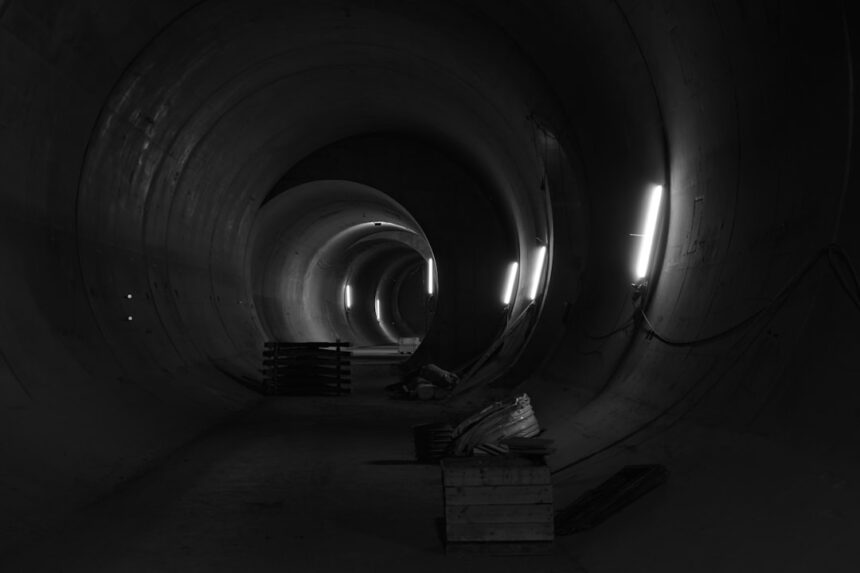
For the majority of the tunnel, where deeper excavation and minimal surface disruption were prioritized, a Tunnel Boring Machine (TBM) was deployed. This modern and efficient method offered significant advantages in terms of speed, safety, and reduced environmental impact.
TBM Selection and Configuration
The choice of TBM was dictated by the ground conditions. Given the anticipated mix of soil and potential rock layers, a hard rock or mixed-face TBM with a segmented cutter head and a robust drive system was selected. The diameter of the TBM was determined by the required internal dimensions of the tunnel, allowing for multiple lanes of traffic and adequate safety clearances.
Shielding and Ground Support
The TBM’s shield provided immediate support to the excavated face, preventing collapses. As the TBM advanced, precast concrete segments were installed to form the tunnel lining, known as the segmental lining. These segments were mechanically or grouted into place, providing permanent support and containment. The interlocking design of the segments ensured the structural integrity and watertightness of the tunnel.
Grouting and Face Stability Management
Effective management of the tunnel face and the annular gap between the excavated ground and the segmental lining was critical. Grouting operations were continuously performed behind the TBM to fill voids, prevent ground settlement, and provide additional support. Different grouting materials were employed depending on the ground conditions, ranging from cementitious grouts to specialized chemical grouts.
Structural Engineering and Material Science
The permanent structure of the Rudow-Altglienicke Tunnel needed to withstand immense forces over its operational lifespan. The design and material selection were therefore subjects of rigorous engineering scrutiny.
Segmental Lining Design and Precast Concrete Technology
The precast concrete segments forming the tunnel lining were a triumph of modern manufacturing and structural design. Each segment was precisely manufactured off-site under controlled conditions, ensuring consistent quality and dimensional accuracy. The segments were designed with specific reinforcement patterns to withstand the anticipated bending moments and axial loads.
Joint Design and Load Transfer Mechanisms
The joints between the concrete segments were a critical element of the structural design. These joints were engineered to transfer axial loads, shear forces, and bending moments effectively. Gasket systems were incorporated into the joints to ensure watertightness and prevent water ingress into the tunnel. The design of these joints was crucial for the overall stability and serviceability of the tunnel.
Material Properties and Durability Considerations
The concrete used for the segments was specifically formulated to meet stringent durability requirements. This included resistance to aggressive ground conditions, freeze-thaw cycles, and chemical attack. The use of high-performance concrete with specific admixtures was common practice to ensure longevity and minimize maintenance requirements.
Waterproofing and Drainage Systems
Ensuring the long-term dryness of the tunnel was a primary concern. A multi-layered waterproofing system was implemented, typically comprising a geomembrane applied to the exterior of the segmental lining, often supplemented by secondary seals and drainage layers.
Permeability and Water Management
The permeability of the ground and the external water pressure were key factors in the design of the waterproofing system. The system was designed to effectively channel any incidental water ingress to the tunnel drainage system, preventing accumulation and potential structural damage.
Internal and External Drainage Infrastructure
A comprehensive drainage network was integrated into the tunnel design. This included perimeter drains along the tunnel invert and at the base of the segmental lining, which collected water and conveyed it to sumps for pumping out. Regular inspection and maintenance of these drainage systems are vital for the tunnel’s operational integrity.
Construction Operations and Management
The sheer scale and complexity of the Operation Gold Rudow-Altglienicke Tunnel necessitated meticulous planning and execution of construction operations. This involved coordinating multiple teams, managing heavy machinery, and adhering to stringent safety protocols.
Site Logistics and Material Handling
The efficient movement of materials and personnel to and from the tunnel alignment was a significant logistical challenge. This involved establishing dedicated construction sites, managing traffic flow for delivery vehicles, and implementing precise scheduling for material delivery and waste removal. The spoil generated from the excavation also required a well-defined removal and disposal strategy.
Concurrent Operations and Interface Management
With multiple construction activities often taking place simultaneously, effective interface management was crucial. This included coordinating activities between the TBM operations, segment manufacturing and delivery, and the installation of tunnel utilities. Any delays in one area could have significant cascading effects on the overall project timeline.
Quality Control and Assurance
A robust quality control and assurance program was implemented throughout the construction process. This involved regular inspections of materials, monitoring of construction activities, and rigorous testing of completed works. This ensured that all aspects of the tunnel complied with the design specifications and safety standards.
Safety Engineering and Risk Management
Tunnel construction is inherently a high-risk activity. The engineering and management teams placed a paramount emphasis on safety, implementing comprehensive risk assessments and mitigation strategies.
Worker Safety Protocols and Emergency Preparedness
Strict safety protocols were in place for all personnel working on the project. This included the provision of appropriate personal protective equipment (PPE), regular safety training, and clear procedures for emergency response. Emergency egress routes and communication systems were meticulously planned and regularly tested.
Ground Stability Monitoring and Contingency Planning
Continuous monitoring of ground conditions, including seismic activity and pore water pressure, was essential. This allowed for the early detection of any potential instability and the implementation of appropriate contingency measures. Contingency plans were developed to address a range of potential scenarios, from equipment failure to unexpected geological formations.
Operation Gold involved intricate engineering efforts, particularly in the construction of the Rudow-Altglienicke tunnel, which played a significant role in intelligence operations during the Cold War. This covert project not only showcased advanced tunneling techniques but also highlighted the strategic importance of underground infrastructure in espionage. For a deeper understanding of the engineering challenges faced during this operation, you can read more in this related article about the complexities of tunnel construction in urban environments here.
Commissioning and Operational Lifecycle
The transition from construction to operation required a final phase of rigorous testing and commissioning to ensure the tunnel was safe and functional. The long-term operational efficiency and maintenance of the tunnel were also key considerations during the design and construction phases.
Systems Integration and Testing
Before opening to traffic, all of the tunnel’s operational systems underwent extensive testing. This included ventilation systems, lighting, fire detection and suppression systems, communication networks, and traffic management systems. These systems were integrated and tested under various operational scenarios to confirm their reliability and performance.
Ventilation System Performance Verification
The ventilation system is critical for maintaining air quality and managing smoke in the event of a fire. Its performance was rigorously tested to ensure it could provide adequate airflow and smoke extraction under all anticipated conditions.
Fire Safety and Emergency Response System Validation
The fire detection and suppression systems were validated through simulated fire tests. The effectiveness of the emergency response protocols and communication systems was also confirmed.
Traffic Management and Operational Protocols
The introduction of traffic into the tunnel required a well-defined traffic management plan. This included the deployment of variable message signs, speed limit enforcement, and the establishment of protocols for incident management.
Monitoring and Control Systems Deployment
Advanced monitoring and control systems were installed to provide real-time information on traffic flow, air quality, and system status within the tunnel. These systems allowed for immediate response to any deviations from normal operating conditions.
Maintenance and Lifecycle Planning
The design of the Rudow-Altglienicke Tunnel incorporated considerations for its long-term maintenance and operational lifecycle. This included the use of durable materials, access provisions for inspection and repair, and the planning for future upgrades.
Scheduled Inspections and Preventative Maintenance
A comprehensive schedule of inspections and preventative maintenance activities was established to ensure the continued integrity and safety of the tunnel structure and its systems. This proactive approach aims to identify and address potential issues before they become significant problems.
The Operation Gold Rudow-Altglienicke Tunnel stands as a testament to modern engineering prowess. Its successful realization was the result of meticulous planning, innovative design, and the skillful application of advanced construction techniques. The project’s challenges, from navigating complex subterranean environments to ensuring the safety of workers and the public, were met through a combination of scientific understanding, practical expertise, and a commitment to excellence. This subterranean artery continues to play a vital role in the region’s transportation network, a tangible outcome of sophisticated engineering brought to life beneath the urban fabric.
FAQs
What is Operation Gold Rudow-Altglienicke tunnel engineering?
Operation Gold Rudow-Altglienicke tunnel engineering refers to the construction of a tunnel between the neighborhoods of Rudow and Altglienicke in Berlin, Germany. The tunnel was built to connect the two areas and improve transportation infrastructure in the region.
When was the Operation Gold Rudow-Altglienicke tunnel engineering project completed?
The Operation Gold Rudow-Altglienicke tunnel engineering project was completed in [insert year], after [insert number] years of planning and construction. The tunnel has since been in use to facilitate the movement of vehicles and pedestrians between Rudow and Altglienicke.
What were the main objectives of the Operation Gold Rudow-Altglienicke tunnel engineering project?
The main objectives of the Operation Gold Rudow-Altglienicke tunnel engineering project were to alleviate traffic congestion in the area, improve connectivity between Rudow and Altglienicke, and enhance the overall transportation infrastructure in Berlin.
Who was involved in the construction of the Operation Gold Rudow-Altglienicke tunnel?
The construction of the Operation Gold Rudow-Altglienicke tunnel involved various stakeholders, including engineering firms, construction companies, government authorities, and local communities. The project required collaboration and coordination among multiple parties to ensure its successful completion.
What are the key features of the Operation Gold Rudow-Altglienicke tunnel engineering project?
The Operation Gold Rudow-Altglienicke tunnel engineering project features a modern tunnel structure equipped with advanced ventilation systems, lighting, and safety measures. The tunnel also includes designated lanes for vehicles, as well as pedestrian walkways, to accommodate different modes of transportation.