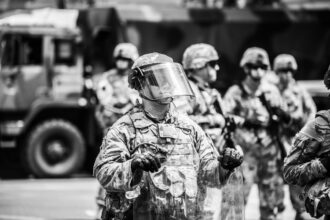
The financial ramifications of war extend far beyond the immediate expenditures associated with military operations. The cost of war encompasses not only the direct expenses incurred during combat but also the long-term economic consequences that ripple through societies for generations. Governments allocate vast sums of money to fund military campaigns, often diverting resources from essential public services such as education, healthcare, and infrastructure.
This diversion can lead to a decline in the quality of life for citizens, as funds that could have been used for societal development are instead funneled into the machinery of war. Moreover, the economic impact of war is not limited to the countries directly involved in conflict. Global markets can be destabilized by military actions, leading to fluctuations in commodity prices and trade disruptions.
Countries that rely on exports may find their economies suffering as demand decreases or supply chains are interrupted. The financial burden of war can also lead to increased national debt, as governments borrow heavily to finance military operations, creating a cycle of economic strain that can last for decades.
Key Takeaways
- The cost of war goes beyond human lives and infrastructure, with significant financial implications that can burden economies for years to come.
- Funding for wars often comes from a combination of government budgets, borrowing, and international aid, impacting national debt and financial stability.
- Defense budgets can contribute to prolonging conflicts by fueling military operations and escalating tensions, diverting resources from peaceful resolution efforts.
- Corporations can benefit financially from conflict through war profiteering, leading to ethical concerns and perpetuating the cycle of violence.
- Post-war reconstruction efforts carry a heavy economic toll, requiring substantial resources and long-term investment to rebuild and stabilize war-torn nations.
Funding Wars: Where Does the Money Come From?
The financing of wars is a complex process that often involves a combination of government budgets, loans, and international aid. National defense budgets are typically the primary source of funding for military operations, with governments allocating significant portions of their annual budgets to maintain armed forces and conduct military campaigns. In many cases, these budgets are justified by the perceived need for national security, but they can also reflect political priorities that prioritize military spending over social welfare programs.
In addition to domestic funding sources, countries may seek international loans or financial assistance to support their military endeavors. This can lead to a reliance on foreign nations or international financial institutions, which may impose conditions on the funding that can further complicate the political landscape.
The Role of Defense Budgets in Prolonging Conflict

Defense budgets play a crucial role in shaping a nation’s military capabilities and its willingness to engage in conflict. When governments allocate substantial resources to their defense sectors, they may feel compelled to utilize those resources in military engagements, leading to a cycle of conflict that can be difficult to break. The existence of a robust military infrastructure can create an environment where diplomatic solutions are overlooked in favor of military action, as leaders may perceive their investment in defense as justification for engaging in warfare.
Furthermore, the political dynamics surrounding defense budgets can contribute to a culture of militarism within a society. As military spending increases, it can foster an environment where war is seen as an acceptable means of resolving disputes. This normalization of conflict can lead to an escalation of tensions both domestically and internationally, as nations become more willing to resort to military solutions rather than pursuing peaceful negotiations.
War Profiteering: How Corporations Benefit from Conflict
| Corporation | Conflict | Benefit |
|---|---|---|
| Lockheed Martin | War in Afghanistan | Increased weapon sales |
| Boeing | War in Iraq | Contract for military aircraft |
| Raytheon | Conflict in Syria | Supply of missile systems |
| Halliburton | War in Iraq | Government contracts for infrastructure |
The phenomenon of war profiteering highlights the intersection between corporate interests and military conflict. Defense contractors and private military companies often stand to gain significantly from wars, as governments award lucrative contracts for weapons production, logistics, and support services. These corporations can profit immensely from the chaos of war, leading to ethical concerns about their motivations and the implications for global peace.
Moreover, the relationship between government and corporations can create a feedback loop that perpetuates conflict. As defense contractors lobby for increased military spending and influence policy decisions, they may contribute to a culture where war is seen as economically beneficial. This dynamic raises questions about accountability and transparency in government spending, as well as the moral implications of profiting from human suffering.
The Economic Toll of Post-War Reconstruction
The aftermath of war often necessitates extensive reconstruction efforts, which can place an enormous financial burden on affected nations. Rebuilding infrastructure, restoring public services, and addressing the needs of displaced populations require significant investment and resources. In many cases, countries emerging from conflict face challenges in securing the necessary funding for reconstruction, leading to prolonged periods of instability and hardship.
Additionally, the economic toll of post-war reconstruction extends beyond immediate financial costs. Societal trauma and loss can hinder economic recovery, as communities grapple with the psychological effects of conflict. The need for comprehensive strategies that address both physical rebuilding and social healing is essential for fostering long-term stability and growth in post-war environments.
Debt and Deficits: The Long-Term Financial Consequences of War

The financial consequences of war often manifest in the form of increased national debt and budget deficits. Governments frequently resort to borrowing to finance military operations, leading to long-term fiscal challenges that can stifle economic growth. As debt levels rise, countries may face pressure to implement austerity measures that further impact public services and social programs.
Nations may struggle to invest in critical areas such as education and healthcare due to the burden of debt repayment. This can hinder overall development and perpetuate cycles of poverty and instability, making it difficult for societies to recover fully from the impacts of war.
Investing in Peace: Redirecting Resources for Conflict Resolution
Redirecting resources from military spending to peacebuilding initiatives presents an opportunity for nations to invest in long-term stability and conflict resolution. By prioritizing diplomacy, negotiation, and development programs, governments can address the root causes of conflict and foster environments conducive to peace. Investing in education, healthcare, and economic development can create resilient societies less prone to violence.
Moreover, promoting peace through resource allocation can yield significant economic benefits. Societies that prioritize peaceful coexistence often experience greater social cohesion and economic growth. By shifting focus from militarization to constructive engagement, nations can create a more sustainable future that benefits all citizens.
The Role of International Aid in Rebuilding War-Torn Nations
International aid plays a critical role in supporting the reconstruction efforts of war-torn nations. Humanitarian assistance can provide immediate relief to affected populations while longer-term development aid helps rebuild infrastructure and restore essential services. However, the effectiveness of international aid often depends on coordination among various stakeholders, including governments, non-governmental organizations (NGOs), and local communities.
Challenges such as corruption, mismanagement, and differing priorities among aid organizations can hinder the effectiveness of international assistance. To maximize the impact of aid efforts, it is essential for donor countries and organizations to work collaboratively with local communities to ensure that aid is tailored to meet specific needs. By fostering local ownership of reconstruction efforts, international aid can contribute to sustainable development and lasting peace.
The Cost of Veteran Care: Supporting Those Affected by War
The financial implications of war extend beyond active combatants; veterans returning home often require extensive care and support due to physical injuries and psychological trauma sustained during service. The costs associated with veteran care can place significant strain on national budgets, as governments must allocate resources for healthcare services, rehabilitation programs, and mental health support. Investing in comprehensive veteran care is not only a moral obligation but also an economic necessity.
Providing adequate support for veterans can facilitate their reintegration into society and reduce long-term healthcare costs associated with untreated injuries or mental health issues. By prioritizing veteran care, nations can honor their commitments to those who served while also fostering healthier communities.
The Opportunity Cost of War: What Could Have Been Done with the Resources?
The opportunity cost of war represents the potential benefits that could have been realized had resources been allocated differently. Funds spent on military operations could have been invested in education, healthcare, infrastructure development, or poverty alleviation programs—initiatives that could yield significant social and economic returns. The decision to engage in conflict often comes at a steep price, not only in terms of human lives but also in lost opportunities for progress.
By examining the opportunity cost associated with war, societies can better understand the broader implications of military engagement. This perspective encourages policymakers to consider alternative approaches to conflict resolution that prioritize diplomacy and development over militarization.
Shifting the Financial Narrative: Promoting Diplomacy and Conflict Prevention
To create a more peaceful world, it is essential to shift the financial narrative surrounding conflict from one that prioritizes military spending to one that emphasizes diplomacy and conflict prevention. By promoting dialogue, negotiation, and cooperation among nations, governments can work towards resolving disputes without resorting to violence. Investing in diplomatic initiatives not only fosters international cooperation but also contributes to global stability and economic growth.
By redirecting resources towards peacebuilding efforts, nations can create a more secure future for their citizens while reducing the financial burden associated with war. Ultimately, promoting diplomacy over militarization represents a crucial step towards building a more peaceful world where conflicts are resolved through dialogue rather than violence.
In exploring the complexities of conflict resolution, the article titled “The Financial Playbook for Ending Wars” provides valuable insights into the economic strategies that can facilitate peace. For a deeper understanding of the broader implications of these strategies, you may find the article on the importance of diplomatic negotiations in conflict resolution particularly enlightening. You can read it here: Diplomatic Negotiations in Conflict Resolution.
WATCH THIS! The Suez Canal Crisis: The 7-Day War That Broke The British Empire’s Bank
FAQs
What is the financial playbook for ending wars?
The financial playbook for ending wars refers to a set of strategies and tactics aimed at managing the economic and financial aspects of bringing an end to armed conflicts and promoting peace and stability.
What are some key components of the financial playbook for ending wars?
Key components of the financial playbook for ending wars may include securing funding for post-conflict reconstruction, managing debt and fiscal sustainability, promoting economic development and job creation, and ensuring transparency and accountability in financial management.
How does the financial playbook for ending wars contribute to peacebuilding?
The financial playbook for ending wars contributes to peacebuilding by addressing the economic drivers of conflict, promoting economic recovery and stability, and supporting the reintegration of ex-combatants into the economy.
What role do international financial institutions play in the financial playbook for ending wars?
International financial institutions such as the World Bank, International Monetary Fund, and regional development banks often play a key role in providing financial and technical assistance to countries emerging from conflict, supporting their efforts to rebuild and develop their economies.
What are some challenges in implementing the financial playbook for ending wars?
Challenges in implementing the financial playbook for ending wars may include securing adequate funding, addressing the root causes of conflict, navigating political and security risks, and ensuring the effective coordination of various stakeholders and actors involved in post-conflict reconstruction and peacebuilding efforts.