
Modern naval security faces unprecedented challenges as traditional maritime defense strategies encounter new and evolving threats. Nation-states are expanding their naval forces and asserting territorial claims in disputed maritime regions, increasing the likelihood of armed confrontations. The current threat environment combines conventional military forces, non-state actors, and advanced technologies that fundamentally alter naval warfare dynamics.
Maritime security directly impacts global economic stability, as approximately 90% of international trade travels by sea through critical shipping lanes. The threat landscape now includes state-sponsored activities, terrorist organizations, piracy networks, and cyber warfare capabilities targeting naval infrastructure. Technological developments such as autonomous underwater vehicles, hypersonic missiles, and electronic warfare systems have introduced new vulnerabilities and attack vectors.
Key emerging threats include anti-access/area-denial (A2/AD) systems that can restrict naval movement in strategic waterways, asymmetric warfare tactics employed by smaller nations and non-state groups, and hybrid warfare combining conventional and unconventional methods. Additionally, competition for maritime resources and climate change effects on sea routes are reshaping naval security considerations. These developments require comprehensive analysis to inform effective maritime defense policies and international cooperation frameworks.
Key Takeaways
- Naval security faces evolving threats including cyber warfare, unmanned systems, and emerging technologies.
- Climate change and regional conflicts increasingly impact maritime security dynamics.
- Biological, chemical, and nuclear threats pose significant risks to naval operations.
- Piracy and economic warfare remain persistent challenges in securing maritime domains.
- Future naval security strategies must adapt to complex, multifaceted threats for effective defense.
Cyber Warfare and Naval Security
Cyber warfare has emerged as a critical component of modern naval security, fundamentally altering the way naval forces operate and defend themselves. The increasing reliance on digital systems for navigation, communication, and operational planning makes naval vessels vulnerable to cyberattacks. Adversaries can exploit these vulnerabilities to disrupt operations, gather intelligence, or even take control of critical systems.
The potential for cyber warfare to incapacitate naval fleets or compromise sensitive information poses a significant risk to national security. Moreover, the anonymity and reach of cyber operations complicate attribution and response strategies. Unlike traditional military engagements, where the aggressor can often be identified, cyberattacks can be launched from anywhere in the world, making it challenging for navies to retaliate effectively.
This ambiguity can embolden adversaries to engage in aggressive cyber operations without fear of immediate consequences. As a result, navies must invest in robust cybersecurity measures, develop comprehensive cyber defense strategies, and foster international cooperation to mitigate these emerging threats.
Unmanned Maritime Systems and Naval Security
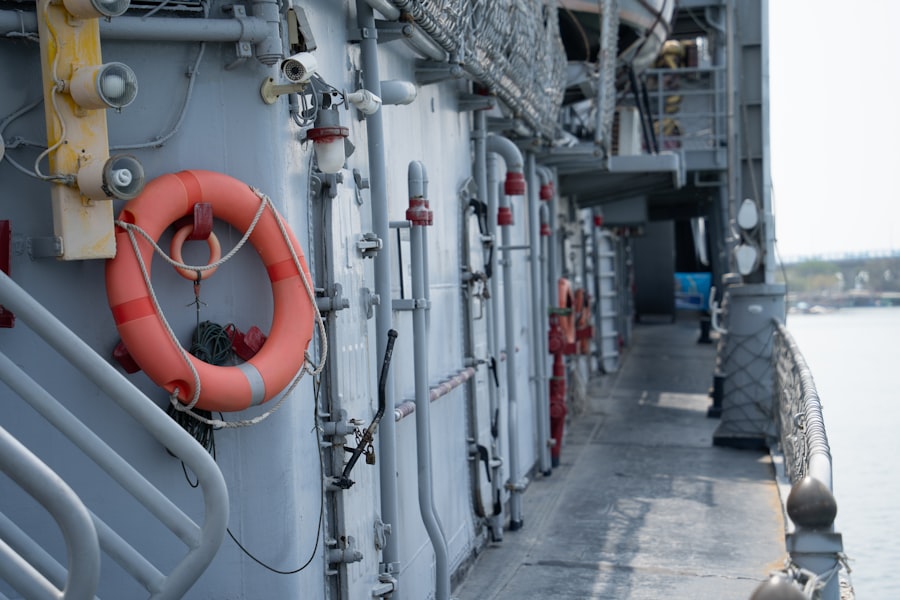
The advent of unmanned maritime systems, including drones and autonomous vessels, has revolutionized naval operations but also introduced new security challenges. These technologies offer significant advantages in terms of surveillance, reconnaissance, and operational flexibility. However, their proliferation raises concerns about their potential misuse by state and non-state actors alike.
Unmanned systems can be employed for hostile purposes, such as conducting surveillance on enemy vessels or launching attacks without risking human lives. Furthermore, the integration of unmanned systems into naval operations necessitates a reevaluation of existing doctrines and strategies. Traditional naval engagements may be transformed as unmanned platforms operate alongside manned vessels, creating new dynamics in warfare.
The potential for autonomous systems to make decisions without human intervention raises ethical questions and complicates command-and-control structures. As navies adapt to these technological advancements, they must also address the regulatory and operational challenges posed by unmanned maritime systems.
Climate Change and Naval Security
Climate change is increasingly recognized as a significant factor influencing naval security. Rising sea levels, extreme weather events, and shifting oceanic patterns threaten not only coastal infrastructure but also the operational capabilities of naval forces. As climate-related challenges intensify, navies must adapt their strategies to address the implications for maritime security.
For instance, changing sea routes due to melting ice in the Arctic may lead to increased competition among nations seeking access to new shipping lanes and resources. Additionally, climate change exacerbates existing geopolitical tensions, particularly in regions where resources are scarce or contested. As nations grapple with the effects of climate change on their economies and security, the potential for conflict over dwindling resources increases.
Navies may find themselves at the forefront of humanitarian missions in response to climate-induced disasters or engaged in conflict prevention efforts in regions experiencing instability due to environmental factors. The intersection of climate change and naval security underscores the need for comprehensive strategies that incorporate environmental considerations into maritime planning.
Piracy and Maritime Security
| Threat Type | Description | Impact | Examples | Countermeasures |
|---|---|---|---|---|
| Cyber Attacks | Hacking and disruption of naval communication and control systems | Loss of command, compromised navigation, data theft | Malware targeting naval networks, GPS spoofing | Enhanced cybersecurity protocols, network segmentation, regular audits |
| Asymmetric Warfare | Use of small, fast boats, drones, and unconventional tactics against larger naval forces | Damage to vessels, disruption of operations | Swarm attacks by small boats, drone swarms | Improved surveillance, rapid response units, electronic warfare |
| Anti-Ship Missiles | Advanced missile systems designed to target naval vessels | Severe damage or sinking of ships | Hypersonic missiles, sea-skimming missiles | Missile defense systems, electronic countermeasures, early detection |
| Maritime Terrorism | Acts of terrorism targeting naval assets or maritime infrastructure | Casualties, disruption of maritime trade | Bombings, hijackings, sabotage | Port security enhancements, intelligence sharing, patrols |
| Unmanned Systems | Use of autonomous underwater and surface vehicles for reconnaissance or attack | Surveillance breaches, surprise attacks | Autonomous drones, underwater mines | Detection technologies, electronic jamming, counter-drone tactics |
| Environmental and Hybrid Threats | Use of environmental manipulation or hybrid tactics combining conventional and unconventional methods | Operational disruption, strategic advantage | Fake news campaigns, weather manipulation theories | Resilience planning, multi-domain awareness, international cooperation |
Piracy remains a persistent threat to maritime security, particularly in regions with weak governance and economic instability. While piracy has evolved over the years, it continues to pose significant risks to commercial shipping and naval operations alike. Modern pirates often employ sophisticated tactics and technology, making it challenging for naval forces to combat this threat effectively.
The resurgence of piracy off the coast of Somalia and in the Gulf of Guinea highlights the need for coordinated international efforts to address this issue. Navies must adopt a multifaceted approach to counter piracy, combining military presence with diplomatic initiatives and capacity-building efforts in affected regions. Collaborative frameworks involving regional partners can enhance maritime domain awareness and improve response capabilities.
Additionally, addressing the root causes of piracy—such as poverty, lack of opportunity, and political instability—is essential for long-term solutions. By fostering stability in vulnerable regions, navies can contribute to a more secure maritime environment.
Biological and Chemical Threats to Naval Security

The potential use of biological and chemical agents poses a unique challenge to naval security. While traditional military threats often focus on kinetic engagements, the threat of unconventional warfare through biological or chemical means requires a different approach. Naval forces must be prepared to respond to incidents involving chemical spills or biological attacks that could compromise crew safety and operational effectiveness.
The complexity of addressing biological and chemical threats lies in their unpredictable nature. Unlike conventional weapons, these agents can be difficult to detect and may have far-reaching consequences for both personnel and the environment. Navies must invest in training personnel to recognize signs of biological or chemical exposure and develop robust response protocols to mitigate risks.
Additionally, international cooperation is crucial in addressing these threats, as they often transcend national borders and require coordinated efforts for effective prevention and response.
Nuclear Proliferation and Naval Security
Nuclear proliferation remains one of the most pressing challenges facing global security today, with significant implications for naval operations. The spread of nuclear weapons technology increases the risk of conflict among states possessing such capabilities.
However, the emergence of new nuclear states complicates traditional deterrence models. As more nations acquire nuclear capabilities, the potential for miscalculation or accidental escalation rises. Navies must navigate this complex landscape by enhancing their strategic deterrence posture while also engaging in diplomatic efforts to promote non-proliferation initiatives.
The interplay between naval power and nuclear deterrence underscores the need for comprehensive strategies that address both conventional and unconventional threats.
Emerging Technologies and Naval Security
The rapid advancement of emerging technologies presents both opportunities and challenges for naval security. Innovations such as artificial intelligence (AI), machine learning, and advanced materials are transforming naval operations by enhancing decision-making processes and improving operational efficiency. However, these technologies also introduce new vulnerabilities that adversaries may exploit.
For instance, AI-driven systems can enhance situational awareness but may also be susceptible to manipulation or adversarial attacks. As navies integrate these technologies into their operations, they must prioritize cybersecurity measures to safeguard critical systems from exploitation. Additionally, ethical considerations surrounding autonomous weapons systems raise important questions about accountability and decision-making in combat scenarios.
As emerging technologies continue to evolve, navies must strike a balance between leveraging their advantages while mitigating associated risks.
Economic Warfare and Naval Security
Economic warfare has emerged as a prominent strategy in contemporary conflicts, with significant implications for naval security. Nations increasingly leverage economic tools—such as sanctions, trade restrictions, and blockades—to achieve strategic objectives without resorting to direct military confrontation. Navies play a crucial role in enforcing these economic measures by ensuring freedom of navigation and protecting vital trade routes.
As nations engage in economic competition, navies must adapt their strategies to protect national interests while navigating complex geopolitical dynamics. This may involve enhancing partnerships with allied nations to ensure collective security in contested waters or developing innovative approaches to counter economic coercion.
Regional Conflicts and Naval Security
Regional conflicts continue to shape the landscape of naval security as nations vie for influence over strategic waterways and resources. The South China Sea dispute exemplifies how territorial claims can escalate tensions among regional powers, leading to confrontations at sea. Navies must navigate these complex dynamics while balancing national interests with diplomatic efforts aimed at de-escalation.
In addition to traditional state-on-state conflicts, non-state actors also pose significant challenges to regional maritime security. Piracy, smuggling networks, and terrorist organizations can exploit weak governance structures in certain regions, further complicating naval operations. To address these multifaceted threats, navies must adopt comprehensive strategies that encompass both military readiness and diplomatic engagement with regional partners.
Conclusion and Future Outlook for Naval Security Threats
As emerging naval security threats continue to evolve, it is imperative for navies worldwide to adapt their strategies accordingly. The interplay between traditional military challenges and non-conventional threats necessitates a holistic approach that encompasses technological innovation, international cooperation, and proactive engagement with regional partners. By addressing issues such as cyber warfare, climate change, piracy, and nuclear proliferation through comprehensive strategies, navies can enhance their resilience against emerging threats.
Looking ahead, the future of naval security will likely be shaped by ongoing technological advancements and shifting geopolitical dynamics. As nations grapple with complex challenges in an interconnected world, collaboration among navies will be essential for ensuring maritime stability and security. By fostering partnerships that prioritize information sharing, joint exercises, and capacity building, navies can collectively address emerging threats while safeguarding vital maritime interests for generations to come.
Modern naval security threats are increasingly complex, encompassing a range of challenges from cyber warfare to traditional maritime piracy. A relevant article that delves into these issues can be found on In The War Room, which discusses the evolving landscape of naval security and the implications for global maritime operations. For more insights, you can read the article [here](https://www.inthewarroom.com/).
FAQs
What are modern naval security threats?
Modern naval security threats refer to the various challenges and dangers faced by naval forces today, including piracy, terrorism, cyber-attacks, territorial disputes, and the use of advanced weaponry such as drones and missiles.
How has technology influenced naval security threats?
Advancements in technology have introduced new threats such as cyber warfare targeting naval systems, the use of unmanned underwater vehicles (UUVs), and sophisticated missile systems, making naval security more complex and requiring updated defense strategies.
What role does cyber warfare play in naval security?
Cyber warfare poses significant risks to naval operations by targeting communication networks, navigation systems, and weapon controls, potentially disrupting naval missions and compromising sensitive information.
How do territorial disputes contribute to naval security threats?
Territorial disputes, especially in strategic maritime regions like the South China Sea, lead to increased naval presence, confrontations, and the risk of conflict between nations, thereby heightening security threats.
What measures are taken to counter piracy in modern naval security?
Naval forces employ patrols, international cooperation, intelligence sharing, and the use of advanced surveillance technologies to detect and prevent piracy activities in vulnerable maritime areas.
How do unmanned systems impact naval security?
Unmanned systems such as drones and autonomous underwater vehicles enhance surveillance and reconnaissance capabilities but also introduce new vulnerabilities as they can be used by adversaries for attacks or espionage.
Why is international cooperation important in addressing naval security threats?
International cooperation facilitates information sharing, joint exercises, coordinated patrols, and unified responses to threats like piracy, terrorism, and illegal trafficking, improving overall maritime security.
What is the significance of missile technology in modern naval threats?
Missile technology, including anti-ship and ballistic missiles, increases the destructive potential of naval engagements, requiring navies to develop advanced defense systems like missile interceptors and electronic countermeasures.
How do environmental factors affect naval security?
Environmental factors such as climate change and natural disasters can impact naval operations by altering sea routes, increasing humanitarian missions, and affecting the stability of coastal regions, indirectly influencing security dynamics.
What challenges do navies face in protecting critical maritime infrastructure?
Navies must safeguard ports, undersea cables, and offshore installations from sabotage, terrorism, and cyber-attacks, which requires constant vigilance, advanced monitoring technologies, and rapid response capabilities.