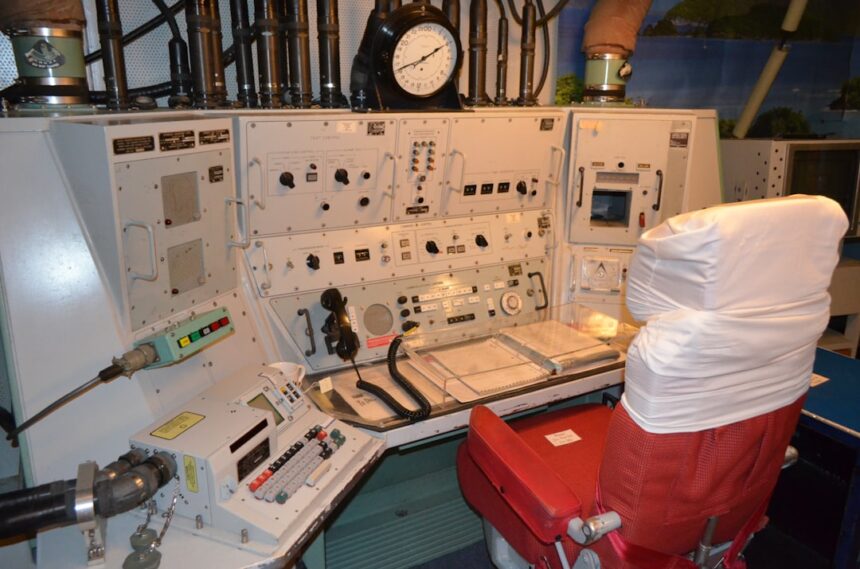
Navigating the depths of the ocean in a nuclear submarine is a testament to advanced engineering and rigorous operational discipline. At the heart of this complex vessel lies its nuclear reactor, a potent energy source that, while enabling extended underwater operations, also necessitates stringent safety protocols. Among the most critical of these is the Emergency Shutdown, or “scram” procedure. This is not a button to be pressed lightly, but rather a carefully orchestrated response designed to extinguish the nuclear chain reaction with utmost speed and precision when a significant anomaly or threat arises. Understanding the intricacies of these procedures is paramount for comprehending the multi-layered safety architecture that underpins the operation of these formidable machines.
The nuclear reactor within a submarine operates on the principle of controlled nuclear fission. Within the reactor core, uranium fuel rods are arranged in a lattice. Neutrons, released from the radioactive decay of uranium atoms, strike other uranium atoms, causing them to split (fission). This fission releases more neutrons, along with a tremendous amount of energy in the form of heat. This heat is used to generate steam, which drives turbines connected to the submarine’s propulsion systems and electrical generators. The rate of fission is carefully managed by control rods, which absorb neutrons. Inserting the control rods slows down the chain reaction, while withdrawing them speeds it up.
The Fission Chain Reaction: A Delicate Balance
Imagine the fission chain reaction as a wildfire. If left unchecked, it consumes everything in its path. In a nuclear reactor, the fuel is the dry tinder, the neutrons are the sparks, and the energy release is the inferno. The control rods are the firefighters, ready to douse the flames at a moment’s notice. The goal is to maintain a steady, controlled burn, providing the necessary power without allowing the fire to rage out of control.
Fuel Assemblies: The Heart of the Reactor
The fuel assemblies are the workhorses of the reactor. These meticulously designed structures contain enriched uranium pellets, encased in metal cladding. The precise arrangement and composition of these assemblies are crucial for efficient and safe operation. Their integrity is paramount, as damage to the fuel cladding could lead to the release of radioactive materials.
Neutron Moderation and Control
Beyond the fuel itself, the reactor relies on a moderator, typically water, to slow down the fast neutrons released during fission, making them more likely to initiate further fission events. The control rods, made of neutron-absorbing materials like cadmium or boron, are the crucial mechanism for regulating the reaction rate. Their controlled insertion into the core is the primary method of adjusting power levels and, crucially, for initiating a shutdown.
In the realm of nuclear submarine operations, understanding reactor scram procedures is crucial for ensuring safety and efficiency. A related article that delves deeper into the intricacies of these procedures can be found at this link: Nuclear Submarine Reactor Scram Procedures. This resource provides valuable insights into the protocols and technologies involved in managing reactor shutdowns, highlighting their importance in maintaining operational integrity and safety aboard submarines.
Why an Emergency Shutdown? The Triggers for a Scram
An emergency shutdown, or scram, is not a routine maneuver. It is reserved for situations where the reactor’s inherent safety systems are insufficient or when immediate action is required to prevent a dangerous escalation. These triggers are diverse, ranging from internal equipment malfunctions to external environmental hazards. The decision to initiate a scram is a weighty one, made by trained personnel based on a clear understanding of the potential risks and the effectiveness of the procedure.
External Threats: The Unseen Dangers
The ocean is a vast and unpredictable environment. Nuclear submarines, operating in this realm, are exposed to a unique set of external threats. These can include collisions with underwater obstacles, the presence of mines or other ordnance, or even hostile engagements. In such scenarios, the integrity of the reactor compartment and the ability to maintain control become paramount.
Collision Avoidance and Impact Mitigation
While collision avoidance systems are sophisticated, the possibility of an unforeseen impact cannot be entirely discounted. A severe hull breach or structural damage could compromise the reactor’s containment. A scram in such an event is designed to immediately halt the nuclear reaction, minimizing the potential for further escalation of damage or the release of radioactive materials.
Mine and Ordnance Detection and Response
The presence of unexploded ordnance in the depths poses a constant threat. Sensitive detection systems are employed, and protocols exist for dealing with potential minefields. If a mine threat is imminent or if a detonation is suspected, a scram could be initiated to reduce the risk associated with a potential secondary event involving the reactor.
Hostile Engagements and Defensive Postures
In times of conflict, nuclear submarines can be the target of hostile action. Defensive maneuvers, evasion tactics, and the potential for weapon deployment all necessitate a keen awareness of reactor status. A scram might be initiated as part of a defensive posture, to reduce the submarine’s detectable signature or to prepare for rapid maneuvering in a high-threat environment.
Internal System Malfunctions: The Hidden Flaws
Beyond external dangers, the complex machinery within a submarine is susceptible to internal malfunctions. These can range from minor sensor failures to critical component breakdowns. The submarine’s safety systems are designed to detect and compensate for many of these issues, but a scram remains the ultimate fallback to ensure safety.
Reactor Coolant System Anomalies
The reactor coolant system is vital for removing the immense heat generated by the fission process. Any disruption to this system, such as a leak, a pump failure, or a blockage, could lead to overheating of the reactor core. Such anomalies are serious and would likely trigger an emergency shutdown to prevent fuel damage.
Loss of Coolant Accidents (LOCA)
A loss of coolant accident (LOCA) is one of the most significant potential hazards for any nuclear reactor. In a submarine, the consequences of a LOCA could be amplified due to the confined space and the critical nature of maintaining operational status. The scram procedure is designed to isolate the reactor and cease heat generation immediately in such a scenario.
Coolant Flow Blockages
Even without a leak, a blockage in the coolant flow pathways can lead to localized overheating. Detecting such blockages and ensuring adequate cooling are critical. If these issues cannot be resolved swiftly, a scram would be the immediate recourse.
Control Rod Mechanism Failures
The control rod system is the primary means of regulating the fission rate. A failure in this mechanism, such as a rod failing to insert when commanded, is a critical safety concern. The scram system is designed with multiple redundancies to ensure that even if primary control mechanisms fail, the reactor can still be shut down.
Stuck Rod Scenarios
A “stuck rod” is a situation where one or more control rods fail to move as intended. This could lead to an uncontrolled increase in reactor power if the rod is stuck in a withdrawn position. The scram mechanism is designed to overcome such blockages and force all rods into the core.
Control Rod Drive System Malfunctions
The intricate drive systems that move the control rods can themselves experience malfunctions. Any indication of erratic movement or an inability to position control rods correctly would necessitate a rapid response, including potentially a scram.
Instrumentation and Control System Failures
Modern nuclear reactors are monitored by an extensive array of sensors and sophisticated control systems. However, these systems are not immune to failure. If critical instrumentation providing vital information about reactor parameters becomes unreliable, or if the control system itself experiences a fault, it could be impossible to manage the reactor safely through normal means, leading to a scram.
Sensor Inaccuracies or Failures
If sensors providing information on temperature, pressure, or neutron flux become inaccurate or fail entirely, the operators would be flying blind, making it impossible to maintain safe operational parameters. A scram would be initiated to prevent potential damage based on potentially erroneous data or a lack of data.
Control System Logic Errors
The software and hardware that govern the reactor’s control logic are complex. While rigorously tested, a flaw in the control system logic could lead to unexpected or unsafe reactor behavior. In such a rare event, a scram would be the failsafe mechanism.
Human Error and Procedural Deviations: The Human Element
Despite advanced automation and rigorous training, human factors can also contribute to or necessitate an emergency shutdown. Mistakes in operating procedures, misinterpretations of data, or lapses in judgment can create unsafe conditions that require immediate intervention.
Operator Erroneous Actions
In the highly pressurized environment of a submarine, even minor errors can have significant consequences. If an operator inadvertently performs an action that compromises reactor safety, the emergency shutdown system can act as a safeguard, overriding incorrect inputs and initiating a safe shutdown.
Misinterpretation of Warnings and Alarms
Submarine systems generate a multitude of alarms and warnings. While comprehensive training aims to ensure their correct interpretation, a critical misinterpretation of a series of alarms could lead to a dangerous situation. The automated scram system, often triggered by a combination of critical parameters rather than a single warning, can act as a vital layer of protection in such instances.
Fatigue and Cognitive Load
Long deployments, confined spaces, and the sheer mental demand of operating a nuclear submarine can lead to fatigue and cognitive load for the crew. While procedures are in place to mitigate these effects, in exceptionally stressful situations, a momentary lapse in judgment could necessitate a scram to ensure safety.
The Scram Procedure: A Symphony of Action
The emergency shutdown, or scram, is not a single action but a cascade of events designed to extinguish the nuclear chain reaction with incredible speed. This procedure is a testament to precision engineering and the dedication of the submariners who train to execute it flawlessly. Its design prioritizes speed and certainty above all else.
Initiating the Scram: The “Go” Signal
The decision to initiate a scram, or the automatic triggering of the system, is the critical first step. This can be initiated either manually by the crew or automatically by the reactor’s safety monitoring systems. Regardless of the trigger, the subsequent actions are swift and decisive.
Manual Scram: The Captain’s or Watch Officer’s Decision
In situations where the crew identifies a threat or anomaly that cannot be managed through normal operational procedures, the commanding officer or the officer of the watch has the authority and responsibility to initiate a manual scram. This decision is based on extensive training and a comprehensive understanding of the reactor’s behavior.
Automatic Scram: The Reactor’s Self-Preservation
The reactor’s safety instrumentation constantly monitors key parameters. If any of these parameters exceed predefined safety limits, the automatic scram system is designed to trigger without human intervention. This “fail-safe” design ensures that the reactor will shut itself down when conditions become unsafe, even if the crew is incapacitated or unaware of the developing danger.
Control Rod Insertion: The “Brain” of the Scram
The heart of the scram procedure lies in the rapid and complete insertion of the control rods into the reactor core. This is achieved through a combination of gravity and pneumatic or hydraulic pressure, designed to overcome any resistance and ensure swift engagement.
Gravity-Assisted Scram: The Fastest Route
Many submarine reactor designs utilize gravity as a primary force for control rod insertion during a scram. When the scram is initiated, latches holding the control rods in their withdrawn positions are released, allowing them to fall rapidly into the core under their own weight. This is often the fastest and most reliable method for ensuring immediate shut-down.
Spring-Loaded or Pneumatic/Hydraulic Systems: Redundant Force
In addition to gravity, many systems incorporate spring-loaded mechanisms or pneumatic/hydraulic actuators to ensure the positive insertion of control rods. These systems provide additional force to guarantee that even if there is some friction or minor obstruction, the rods will be driven fully into the core.
Neutron Absorption and Fission Quenching: The Immediate Effect
As the control rods, made of neutron-absorbing materials, plunge into the reactor core, they effectively soak up the free neutrons that are sustaining the chain reaction. With the neutrons being absorbed at an exponentially increasing rate, the rate of fission rapidly diminishes, and the chain reaction effectively “quenches.”
Rapid Decay of Power: From Inferno to Embers
Within milliseconds, the neutron flux plummets, and the reactor power drops drastically. The immense heat generation ceases almost instantaneously, transforming the sustained nuclear inferno into a state of low-level radioactive decay.
Residual Heat: A Lingering Warmth
While the chain reaction stops, the fission products remaining in the fuel rods continue to undergo radioactive decay, generating a significant amount of “residual heat.” This heat must still be managed by the cooling systems to prevent overheating of the fuel.
System Isolation and Safety Interlocks: Securing the Perimeter
Once the scram is initiated and the control rods are fully inserted, a series of safety interlocks engage to isolate the reactor and prevent any possibility of re-initiating the chain reaction. These measures are designed to ensure that the reactor remains in a safe, shut-down state.
Shutting Down Ancillary Systems
Non-essential reactor auxiliary systems are automatically shut down to conserve energy and prevent potential complications. This includes systems that are only active during reactor operation, thus simplifying the immediate post-scram environment.
Engaging Safety Valves and Sealing Mechanisms
Safety valves may be actuated to vent pressure or control the flow of any residual gases within the reactor system. Sealing mechanisms may also engage on various components within the reactor compartment to further enhance containment.
Post-Scram Operations: Re-evaluation and Recovery
The immediate aftermath of an emergency shutdown is a critical period of assessment and potential recovery. The submariners must meticulously analyze the cause of the scram, ensure the integrity of the reactor, and determine the subsequent course of action. This phase demands calm, methodical work under immense pressure.
Damage Assessment and Cause Analysis: The “Why” Behind the “What”
The first priority after a scram is to understand why it occurred. This involves a thorough examination of all instrumentation data, alarm logs, and any physical evidence related to component performance. The goal is to identify the root cause of the anomaly or threat that triggered the shutdown.
Review of Reactor Instrumentation Logs
Detailed logs from the reactor’s instrumentation provide a timeline of events leading up to the scram. This data is crucial for pinpointing any deviations from normal operating parameters and for identifying the specific conditions that initiated the shutdown.
Physical Inspection of Reactor Components
Where safe and feasible, physical inspections of key reactor components may be conducted. This could involve visual checks for any signs of damage, leaks, or unusual wear.
Crew Debriefing and Witness Accounts
The immediate accounts of the crew members who were operating the reactor are invaluable. Their observations, even if seemingly minor, can provide critical context for understanding the sequence of events.
Reactor Cooling and Residual Heat Management: The Cooling Down Period
Even with the chain reaction stopped, the decaying fission products continue to generate considerable heat. The reactor’s cooling systems must remain operational to prevent the fuel from overheating. This residual heat management is a critical aspect of post-scram operations.
Maintaining Coolant Flow
The primary cooling loops must continue to circulate coolant through the reactor core to absorb and dissipate the residual heat. This ensures that the fuel cladding remains within safe temperature limits.
Monitoring Core Temperature and Pressure
Continuous monitoring of core temperature and coolant pressure is essential to ensure that the cooling systems are functioning effectively and that no unexpected thermal excursions are occurring.
Decision-Making: Return to Power or Safe Haven
Based on the comprehensive assessment of the scram’s cause and the reactor’s current state, the command team must make a crucial decision. This decision involves evaluating the feasibility and safety of attempting to restart the reactor or, alternatively, proceeding to a safe haven for further repairs and evaluation.
Evaluating Restart Feasibility
If the cause of the scram was determined to be a transient issue that has been rectified, and if all safety parameters are within acceptable limits, the command team may consider the possibility of carefully restarting the reactor. This process would be extremely cautious and involve multiple verification steps.
Proceeding to a Safe Haven
In cases where the cause of the scram is significant, or if there are lingering concerns about reactor integrity, the submarine may be directed to proceed to a designated safe haven. This could be a friendly port or a pre-determined rendezvous point where specialized support and repair facilities are available.
Understanding the intricacies of nuclear submarine reactor scram procedures is essential for ensuring safety and operational efficiency. A related article that delves deeper into this topic can be found at In the War Room, where various aspects of military technology and protocols are explored. This resource provides valuable insights into how these procedures are implemented and the critical role they play in maintaining reactor stability during emergencies.
Training and Simulation: Preparing for the Worst-Case Scenario
| Parameter | Description | Typical Value/Range | Unit | Notes |
|---|---|---|---|---|
| Scram Initiation Time | Time from scram signal to control rod insertion start | 0.1 – 0.5 | seconds | Depends on reactor design and control rod drive mechanism |
| Control Rod Insertion Time | Duration for full insertion of control rods | 1 – 3 | seconds | Rapid insertion critical to halt fission chain reaction |
| Reactor Power Reduction | Power drop after scram initiation | 90 – 99% | Percent | Power typically drops sharply within seconds |
| Decay Heat Removal Start | Time to begin decay heat removal after scram | Within 10 | seconds | Essential to prevent overheating post-scram |
| Emergency Core Cooling Activation | Time to activate emergency cooling systems if needed | Within 30 | seconds | Depends on reactor condition and scram success |
| Scram Signal Types | Methods to initiate scram | Manual, Automatic, Reactor Trip | N/A | Multiple redundant systems ensure scram reliability |
| Control Rod Drive Mechanism | Mechanism used for rod insertion | Hydraulic, Electromagnetic | N/A | Varies by submarine class and reactor type |
| Post-Scram Monitoring Duration | Time period for intensive monitoring after scram | 1 – 4 | hours | Ensures reactor remains stable and cooling is effective |
The effectiveness of any emergency procedure relies heavily on the proficiency of the personnel executing it. For nuclear submarine reactor scram procedures, training and simulation are not just important; they are absolutely vital. Submariners are subjected to rigorous and recurrent training designed to instill an instinctive and flawless response to critical situations.
Simulators: The Practice Arena for High Stakes
Advanced simulators are the cornerstone of this training regimen. These sophisticated systems replicate the reactor’s controls, instrumentation, and behavior with remarkable fidelity, allowing submariners to experience a wide range of emergency scenarios in a safe and controlled environment.
Realistic Scenario Replication
The simulators are programmed with a vast library of potential malfunctions and external threats, enabling trainees to practice responding to everything from minor component failures to catastrophic events. The accuracy of these simulations is paramount for building confidence and muscle memory.
Stress Inoculation and Decision Enhancement
Through repeated exposure to high-pressure scenarios in the simulator, submariners develop the ability to maintain composure and make sound decisions under extreme stress. This “stress inoculation” is critical for preventing panic and ensuring adherence to procedures when the stakes are highest.
Drills and Exercises: Maintaining Readiness
Beyond simulator training, submarines regularly conduct physical drills and exercises to practice scram procedures in real-time. These exercises are designed to test the crew’s coordination, communication, and the operational readiness of the scram systems themselves.
Walk-Throughs and Tabletop Exercises
Initial phases of training often involve walk-throughs of the scram procedure and tabletop exercises where the crew discusses and plans their response to various scenarios without actually operating the reactor. This builds a strong theoretical foundation.
Live Scram Drills (with inert rods or simulated conditions)
While a full live scram with actual nuclear fuel is never performed during training for safety reasons, drills may involve the physical engagement of the scram mechanisms with inert control rods or simulated conditions that mimic the forces and actions involved. This allows for a hands-on understanding of the equipment and the procedure.
Continuous Improvement and Lessons Learned: Evolving Safety
The procedures and training for nuclear submarine emergency shutdowns are not static. They are subject to continuous review and improvement based on insights gained from exercises, actual incidents (where they occur, however rarely), and advancements in reactor technology and safety principles. The “lessons learned” from any event, no matter how minor, are meticulously cataloged and integrated into future training and operational protocols. This commitment to perpetual learning ensures that the safety architecture remains robust and adaptable to new challenges.
In conclusion, the emergency shutdown of a nuclear submarine reactor is a highly sophisticated and precisely orchestrated procedure. It represents the ultimate safeguard, designed to swiftly extinguish the nuclear chain reaction in the face of danger. The meticulous design of the scram systems, coupled with the rigorous training and unwavering discipline of the submarine crews, forms a multi-layered defense that prioritizes the safety of the vessel, its crew, and the surrounding environment. Understanding these procedures offers a profound appreciation for the engineering prowess and operational excellence that define the world of nuclear submarines.
FAQs
What is a scram in a nuclear submarine reactor?
A scram is an emergency shutdown procedure for a nuclear reactor, where control rods are rapidly inserted into the reactor core to halt the nuclear fission reaction immediately.
Why are scram procedures important in nuclear submarines?
Scram procedures are critical for safety, as they allow the reactor to be quickly shut down in case of abnormal conditions, preventing potential reactor damage or hazardous situations.
How is a scram initiated on a nuclear submarine?
A scram can be initiated manually by the reactor operator or automatically by the reactor protection system if sensors detect unsafe conditions such as high temperature, pressure anomalies, or loss of coolant.
What happens to the submarine’s power supply after a scram?
After a scram, the reactor stops producing power, so the submarine switches to backup power systems like batteries or diesel generators to maintain essential functions until the reactor is safely restarted or the situation is resolved.
Are scram procedures standardized across all nuclear submarines?
While the fundamental principles of scram procedures are consistent, specific protocols and equipment may vary depending on the submarine class, reactor design, and naval regulations of the operating country.