Cable repair ships are specialized vessels designed to maintain and restore the integrity of submarine communication cables that crisscross the ocean floor. These ships are equipped with advanced technology and skilled personnel, enabling them to locate, retrieve, and repair damaged cables efficiently. As the backbone of global communication, these vessels play a crucial role in ensuring that the world remains interconnected.
The importance of cable repair ships cannot be overstated, as they are essential for maintaining the infrastructure that supports internet connectivity, international telecommunications, and data transfer. The operations of cable repair ships are often conducted in challenging environments, requiring a combination of maritime expertise and technical knowledge. These ships are typically equipped with remotely operated vehicles (ROVs), cable-laying equipment, and specialized tools for cable splicing and repair.
The crews aboard these vessels are trained to handle various scenarios, from routine maintenance to emergency repairs following significant disruptions. As the demand for reliable global communication continues to grow, the role of cable repair ships becomes increasingly vital.
Key Takeaways
- Cable repair ships are essential for maintaining and restoring submarine communication cables that connect the world.
- Submarine cables are critical infrastructure for global internet and communication networks.
- Damage to cables often results from natural events, fishing activities, and shipping accidents.
- Cable repair ships play a crucial role in emergency response by quickly locating and fixing cable faults at sea.
- Advances in technology and international collaboration are improving the efficiency and environmental impact of cable repair operations.
The Importance of Submarine Cables
Submarine cables are the lifelines of modern communication, facilitating the transfer of vast amounts of data across continents. These cables carry approximately 95% of international data traffic, connecting countries and enabling everything from personal communications to global commerce. The significance of submarine cables extends beyond mere connectivity; they are essential for economic growth, social interaction, and technological advancement.
In an era where digital communication is paramount, the reliability of these cables is critical for both individuals and businesses alike. Moreover, submarine cables contribute to the resilience of global networks. They provide redundancy in communication pathways, ensuring that if one cable is damaged or compromised, alternative routes can maintain connectivity.
This redundancy is particularly important in times of crisis, such as natural disasters or geopolitical tensions, where communication can be disrupted. The strategic placement and maintenance of these cables are therefore crucial for national security and economic stability.
Common Causes of Submarine Cable Damage
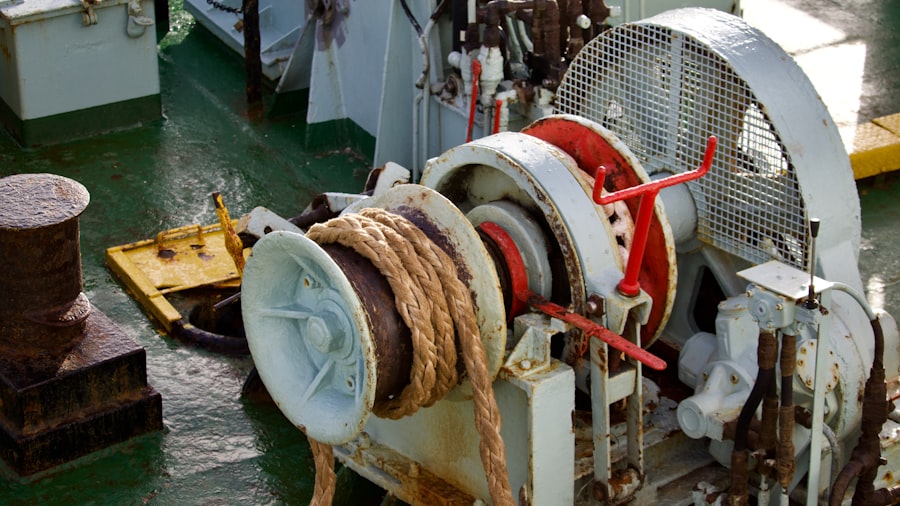
Submarine cables are susceptible to various forms of damage, which can disrupt communication and lead to significant economic losses. One of the most common causes of damage is fishing activities, particularly trawling, where heavy nets can snag and sever cables lying on the ocean floor. Additionally, shipping activities pose a risk; anchors can drag across the seabed and inadvertently cut through cables.
Natural phenomena such as earthquakes and underwater landslides can also cause significant disruptions by shifting the seabed and damaging cable infrastructure. Another notable cause of cable damage is human error during installation or maintenance operations. Improper handling or inadequate securing of cables can lead to vulnerabilities that may not be immediately apparent but can result in failures over time.
Furthermore, environmental factors such as extreme weather conditions can exacerbate these risks, making it essential for cable operators to monitor and maintain their infrastructure proactively.
The Role of Cable Repair Ships in Emergency Response
In the event of a cable failure, cable repair ships are deployed as part of an emergency response strategy to restore connectivity as quickly as possible. These vessels are equipped with sophisticated tracking systems that allow them to pinpoint the location of damaged cables accurately. Once a fault is detected, the ship’s crew mobilizes to assess the situation and determine the best course of action for repair.
The speed at which cable repair ships can respond is critical in minimizing downtime and restoring services. Their ability to operate in challenging maritime conditions allows them to reach remote locations where damage may have occurred. Upon arrival at the site, the crew utilizes ROVs to inspect the damaged section of the cable before bringing it aboard for repairs.
This rapid response capability is essential for mitigating the impact of cable failures on global communication networks.
How Cable Repair Ships Operate
| Metric | Description | Typical Value / Range | Unit |
|---|---|---|---|
| Response Time | Time taken from emergency notification to ship departure | 2 – 6 | Hours |
| On-Site Arrival Time | Time taken to reach the cable fault location after departure | 12 – 48 | Hours |
| Repair Duration | Average time to complete cable repair operations | 24 – 72 | Hours |
| Maximum Operating Depth | Maximum depth at which the ship can perform cable repairs | 2000 – 3000 | Meters |
| Cable Length Capacity | Maximum length of cable that can be stored and handled onboard | 50 – 150 | Kilometers |
| Number of ROVs (Remotely Operated Vehicles) | Number of ROVs available for underwater inspection and repair | 1 – 3 | Units |
| Crew Size | Number of personnel onboard during emergency response | 30 – 60 | People |
| Emergency Spare Parts | Types of spare parts typically carried for emergency repairs | Connectors, Cable Joints, Power Modules | Items |
| Communication Systems | Systems used for coordination during emergency response | Satellite, Radio, Internet | Types |
Cable repair ships operate through a well-coordinated process that involves several key steps. Initially, once a fault is detected, operators analyze data from monitoring systems to identify the location and nature of the damage. After confirming the fault’s position, a repair ship is dispatched to the site.
The ship’s crew prepares by gathering necessary tools and equipment for the repair operation. Upon arrival at the site, the ship deploys ROVs equipped with cameras and tools to assess the damage visually. This inspection allows technicians to determine whether a simple splice or a more extensive repair is needed.
If a splice is required, the damaged section is retrieved from the seabed using specialized grappling equipment. Once aboard, technicians work meticulously to splice the cables together using advanced techniques that ensure minimal signal loss and restore functionality.
The Challenges of Cable Repair at Sea
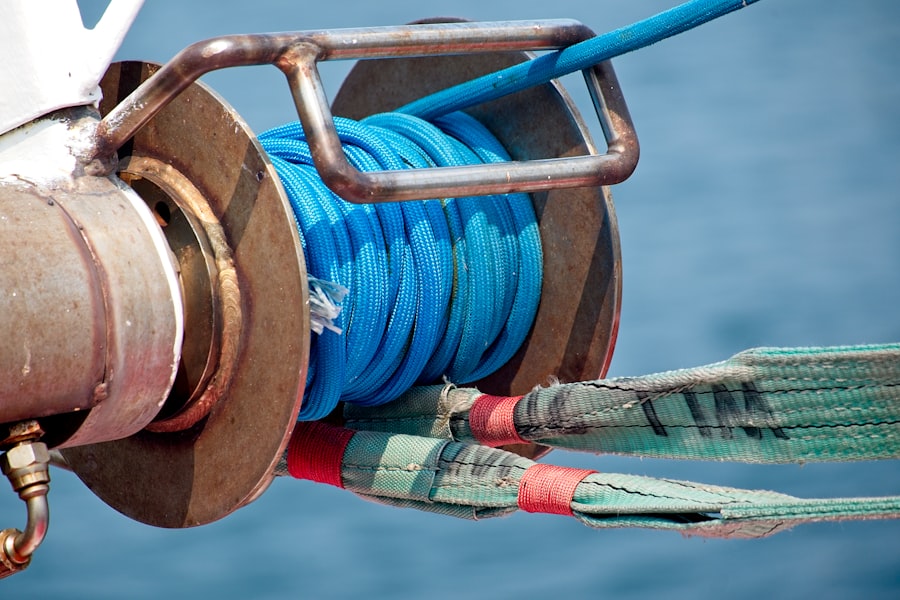
Repairing submarine cables at sea presents numerous challenges that require careful planning and execution. One significant challenge is the unpredictable nature of ocean conditions. Strong currents, rough seas, and inclement weather can hinder operations and pose risks to both personnel and equipment.
To mitigate these risks, cable repair ships must be equipped with stabilizing technology and skilled crews who can navigate adverse conditions effectively. Another challenge lies in the depth at which many submarine cables are laid. Some cables are located thousands of meters below sea level, making retrieval and repair operations complex and time-consuming.
The use of ROVs has revolutionized this aspect of cable repair; however, operating these vehicles at great depths requires specialized training and equipment. Additionally, there may be environmental considerations that limit operational windows or necessitate specific procedures to protect marine ecosystems during repair activities.
Case Studies of Successful Cable Repairs
Several notable case studies highlight the effectiveness of cable repair ships in addressing submarine cable failures. One such instance occurred in 2020 when a major undersea cable connecting several Pacific islands was damaged due to a fishing incident. The rapid deployment of a cable repair ship allowed technicians to locate the fault within days.
Utilizing ROVs for inspection and retrieval, they successfully repaired the cable within a week, restoring vital communication services to affected regions. Another example involved a transatlantic cable that experienced multiple faults due to severe weather conditions. The repair ship was able to navigate through challenging seas and conduct repairs on multiple sections of the cable over several weeks.
This operation not only restored connectivity but also provided valuable data on how environmental factors impact submarine cables, leading to improved future maintenance strategies.
The Future of Cable Repair Technology
As technology continues to advance, so too does the field of cable repair operations. Innovations in robotics and automation are expected to enhance the efficiency and effectiveness of repairs at sea. For instance, autonomous underwater vehicles (AUVs) may soon play a more prominent role in inspecting cables before repairs are initiated, allowing for quicker assessments without requiring human intervention.
Additionally, advancements in materials science may lead to stronger and more resilient cable designs that can withstand environmental stresses better than current models. These developments could reduce the frequency of repairs needed while also improving overall network reliability. As global demand for data continues to rise, investing in cutting-edge technology will be essential for maintaining robust submarine communication networks.
Collaboration and Coordination in Emergency Response
Effective emergency response in submarine cable repairs relies heavily on collaboration among various stakeholders. Cable operators, maritime authorities, and local governments must work together seamlessly to ensure rapid deployment and efficient operations during crises. This collaboration often involves sharing information about potential risks, coordinating logistics for vessel deployment, and ensuring compliance with maritime regulations.
Furthermore, international cooperation is crucial when dealing with cross-border cable systems that connect multiple countries. Establishing protocols for communication during emergencies can streamline response efforts and minimize downtime for affected regions. By fostering strong partnerships among stakeholders, the industry can enhance its resilience against future disruptions.
Environmental Considerations in Cable Repair Operations
Environmental considerations play a significant role in submarine cable repair operations. The marine ecosystem is delicate; therefore, minimizing disruption during repair activities is paramount.
Before commencing repairs, environmental assessments may be conducted to identify sensitive areas that require special attention or mitigation measures during operations. Additionally, using eco-friendly materials and practices during repairs can help reduce the ecological footprint of these activities. As awareness grows regarding environmental sustainability, integrating these considerations into cable repair operations will become increasingly important.
The Vital Role of Cable Repair Ships in Maintaining Global Connectivity
In conclusion, cable repair ships serve as indispensable assets in maintaining global connectivity through their role in repairing submarine cables. Their ability to respond swiftly to emergencies ensures that disruptions are minimized and communication remains uninterrupted across vast distances. As technology evolves and demand for data continues to rise, these vessels will play an even more critical role in safeguarding the infrastructure that underpins modern society.
The challenges faced by cable repair ships are significant but not insurmountable; through innovation, collaboration, and a commitment to environmental stewardship, they will continue to adapt and thrive in an ever-changing maritime landscape. Ultimately, their contributions are vital not only for individual nations but also for fostering global interconnectedness in an increasingly digital world.
For more information, you can read the full article [here](https://www.inthewarroom.com/sample-page/).
FAQs
What are cable repair ships?
Cable repair ships are specialized vessels designed to locate, retrieve, repair, and maintain underwater cables, such as telecommunications and power cables, that are critical for global connectivity.
Why are cable repair ships important for emergency response?
Cable repair ships play a crucial role in emergency response by quickly addressing cable faults or damages caused by natural disasters, fishing activities, or shipping accidents, thereby minimizing downtime and restoring essential communication and power services.
What equipment do cable repair ships typically carry?
These ships are equipped with advanced sonar and remotely operated vehicles (ROVs) for cable detection, cable handling gear such as grapnels and plows, onboard workshops for splicing and repairs, and dynamic positioning systems to maintain stability during operations.
How quickly can cable repair ships respond to emergencies?
Response times vary depending on the ship’s location and the severity of the damage, but cable repair ships are generally maintained in a state of readiness to deploy rapidly, often within hours to a few days, to minimize service disruption.
Who operates cable repair ships?
Cable repair ships are operated by specialized maritime companies, telecommunications firms, and utility providers that manage submarine cable networks, often under contracts with governments or private sector clients.
What types of cables do these ships repair?
They primarily repair submarine telecommunications cables, including fiber optic cables, as well as submarine power cables used for electricity transmission between islands or offshore installations.
Can cable repair ships prevent cable damage?
While their main function is repair, cable repair ships also participate in preventive maintenance, route surveys, and cable burial operations to reduce the risk of future damage.
How are cable faults detected before repair?
Faults are detected using monitoring systems that measure signal loss or electrical faults, combined with specialized equipment on repair ships that locate the exact position of the damage on the seabed.
What challenges do cable repair ships face during emergency operations?
Challenges include adverse weather conditions, deep or rough seabed terrain, limited visibility underwater, and the complexity of repairing cables without causing further damage.
Are cable repair ships used worldwide?
Yes, cable repair ships operate globally to maintain the extensive network of submarine cables that connect continents and islands, ensuring continuous international communication and power supply.