American destroyer escorts (DEs) emerged during World War II to address the urgent need for anti-submarine warfare capabilities. These vessels were designed to be smaller and more economical than conventional destroyers while still providing essential protection for larger ships and convoys against enemy submarines and aircraft. Their design balanced speed, firepower, and versatility, making them vital components of naval operations.
The primary mission of destroyer escorts was to protect merchant vessels and troop transports, ensuring critical supplies reached their destinations safely. Destroyer escorts significantly influenced naval tactics and strategy beyond their protective role. Their operational flexibility in diverse maritime environments made them emblematic of American naval resilience.
These vessels contributed substantially to numerous successful naval engagements and established foundations for future naval warfare approaches. Their influence persists in contemporary naval operations, demonstrating the critical importance of adaptability and innovation in military design and strategy.
Key Takeaways
- Destroyer escorts played a crucial role in protecting naval fleets through anti-submarine and defensive tactics.
- Effective maneuvering, positioning, and use of radar and sonar were key to detecting and countering enemy threats.
- Coordination within a task force enhanced the overall combat effectiveness of destroyer escorts.
- Speed, agility, and advanced weapons systems allowed destroyer escorts to evade attacks and engage enemies efficiently.
- Rigorous training and clear communication structures were essential for the success of destroyer escort crews in battle.
Understanding the Role of Destroyer Escorts in Naval Warfare
In the complex theater of naval warfare, destroyer escorts serve a multifaceted role that goes beyond simple escort duties. You will find that these vessels are equipped to engage in anti-aircraft, anti-surface, and anti-submarine warfare, making them versatile assets in any naval fleet. Their primary function is to protect larger ships from threats, particularly submarines, which posed a significant danger during World War
Moreover, destroyer escorts played a pivotal role in convoy operations, where they would accompany merchant ships across perilous waters. You may appreciate how their presence not only deterred enemy attacks but also provided reassurance to the crews of merchant vessels. The ability to detect and neutralize threats before they could reach their targets was a game-changer in maintaining supply lines.
As you study the operational history of destroyer escorts, you will see how their contributions were essential in securing victories and maintaining maritime dominance.
Maneuvering and Positioning Tactics for Destroyer Escorts

Maneuvering and positioning are critical components of a destroyer escort’s operational effectiveness. You will learn that these vessels are designed for agility, allowing them to navigate through challenging waters while maintaining a strategic advantage over potential adversaries. Effective positioning involves understanding the battlefield dynamics and anticipating enemy movements.
As a destroyer escort captain, you would need to employ tactics that maximize your ship’s strengths while minimizing vulnerabilities. One key tactic involves creating a protective screen around larger vessels by positioning destroyer escorts at strategic intervals. This formation allows for overlapping fields of fire and enhances the collective defensive capabilities of the fleet.
Additionally, you would need to be adept at executing evasive maneuvers in response to enemy threats. By maintaining a flexible approach to positioning, destroyer escorts can effectively respond to changing conditions on the battlefield, ensuring that they remain a formidable force against any adversary.
Utilizing Radar and Sonar Technology for Effective Detection
In modern naval warfare, technology plays an indispensable role in enhancing situational awareness and operational effectiveness. For destroyer escorts, radar and sonar systems are vital tools for detecting and tracking enemy vessels and submarines. You will discover that these technologies have evolved significantly over the years, allowing for greater accuracy and range in detection capabilities.
The integration of advanced radar systems enables destroyer escorts to identify aerial threats from considerable distances, providing early warning and allowing for timely responses.
As you explore the intricacies of sonar systems, you will learn how active and passive sonar can be employed to detect submarines lurking beneath the surface.
Active sonar sends out sound waves that bounce off objects, while passive sonar listens for sounds made by submarines. This dual capability allows destroyer escorts to effectively locate and engage underwater threats while minimizing the risk of detection by enemy forces. The synergy between radar and sonar technologies enhances the overall effectiveness of destroyer escorts in safeguarding naval operations.
Coordination with Other Naval Vessels in a Task Force
| Metric | Description | Typical Value/Example |
|---|---|---|
| Escort Formation | Arrangement of destroyer escorts around the convoy | Screen formation with 3-5 ships in a circular or elliptical pattern |
| Speed | Typical speed maintained during escort missions | 12-15 knots |
| ASW (Anti-Submarine Warfare) Patrol Radius | Distance covered during submarine hunting patrols | 5-10 nautical miles from convoy |
| Depth Charge Pattern | Number and arrangement of depth charges dropped during attack | 6-12 charges in a diamond or circular pattern |
| Radar Range | Effective detection range of enemy submarines or aircraft | Up to 15,000 yards |
| Sonar Detection Range | Range at which underwater contacts can be detected | Up to 2,000 yards |
| Communication Method | Primary communication used between escorts and convoy | Radio and signal flags |
| Typical Crew Size | Number of personnel aboard a destroyer escort | 180-220 sailors |
| Primary Armament | Main weapons used for defense and attack | 3-inch guns, Hedgehog anti-submarine mortar, depth charges |
Effective coordination with other naval vessels is essential for maximizing the operational capabilities of destroyer escorts within a task force. You will find that successful naval operations rely on seamless communication and collaboration among various ship types, including aircraft carriers, cruisers, and submarines. As a member of a task force, your role as a destroyer escort would involve not only executing your own mission but also supporting the objectives of the entire fleet.
This coordination often involves sharing intelligence and situational awareness through advanced communication systems. You would need to be proficient in relaying information about enemy movements and potential threats to ensure that all vessels are operating with a unified strategy. Additionally, joint exercises and training missions are crucial for fostering teamwork among different ship crews.
By practicing coordinated maneuvers and responses to simulated threats, destroyer escorts can enhance their effectiveness as part of a larger naval force.
Anti-Submarine Warfare Tactics for Destroyer Escorts
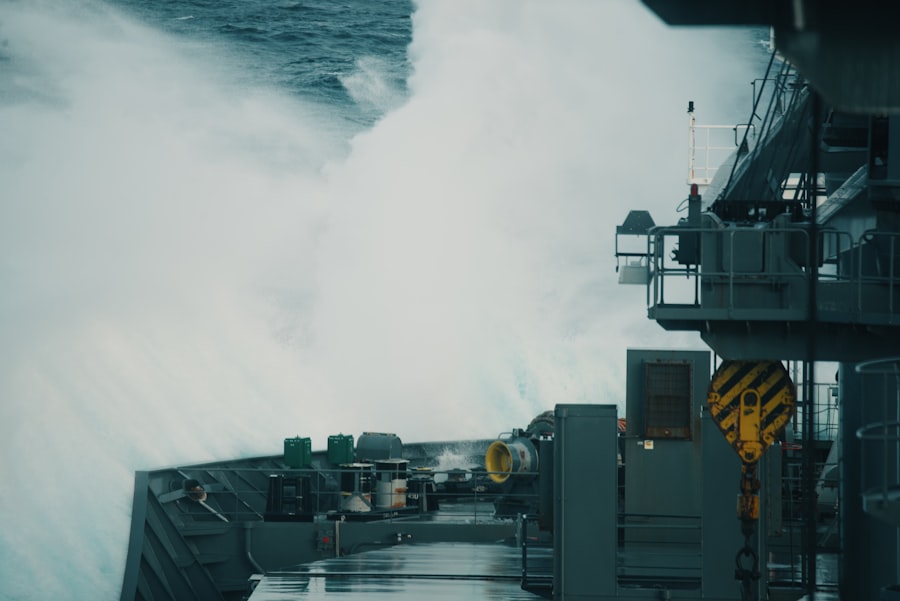
Anti-submarine warfare (ASW) is one of the primary missions of destroyer escorts, and mastering effective tactics is essential for success in this domain. You will learn that ASW involves a combination of detection, tracking, and engagement strategies designed to neutralize submarine threats before they can inflict damage on friendly forces. One common tactic employed by destroyer escorts is the use of depth charges and torpedoes to target submarines once they have been located.
In addition to offensive measures, you will discover that employing defensive tactics is equally important in ASW operations. This includes maintaining vigilance for signs of enemy submarine activity and employing countermeasures such as decoys or electronic warfare systems to mislead enemy sensors. The ability to adapt tactics based on the specific threat environment is crucial for ensuring the safety of both destroyer escorts and the larger fleet they protect.
Utilizing Speed and Agility to Evade Enemy Attacks
Speed and agility are defining characteristics of destroyer escorts that can be leveraged to evade enemy attacks effectively. You will find that these vessels are designed with powerful engines that allow them to reach high speeds, enabling rapid repositioning during combat scenarios. This capability is particularly valuable when responding to incoming threats or when executing evasive maneuvers against enemy fire.
In addition to speed, agility plays a critical role in enhancing survivability on the battlefield. You would need to be skilled at executing sharp turns and unpredictable movements to make it more difficult for enemy gunners or missile systems to lock onto your ship. By combining speed with tactical maneuvering, destroyer escorts can create opportunities for counterattacks while minimizing exposure to enemy fire.
Effective Use of Weapons Systems on Destroyer Escorts
The effectiveness of destroyer escorts is heavily reliant on their weapons systems, which are designed for versatility across various combat scenarios. You will learn that these vessels are typically armed with a combination of guns, missiles, and torpedoes tailored for different types of engagements. For instance, surface-to-air missiles provide protection against aerial threats, while anti-ship missiles can be employed against enemy vessels.
Understanding how to effectively utilize these weapons systems is crucial for maximizing combat effectiveness. You would need to be trained in targeting procedures and fire control systems to ensure accurate engagement with enemy targets. Additionally, coordinating weapon use with other vessels in the task force can amplify overall firepower during engagements.
By leveraging the full spectrum of available weaponry, destroyer escorts can significantly contribute to achieving mission objectives.
Communication and Command Structure on Destroyer Escorts
A well-defined communication and command structure is vital for ensuring operational success aboard destroyer escorts. You will find that clear lines of communication facilitate effective decision-making during high-pressure situations at sea. The command structure typically includes a commanding officer who oversees all operations aboard the vessel while delegating responsibilities among officers and crew members.
Effective communication extends beyond internal channels; it also involves relaying information between different ships within a task force or fleet. You would need to be proficient in using various communication systems, including radio and satellite communications, to maintain situational awareness across the operational area. By fostering an environment where information flows freely among crew members and other vessels, destroyer escorts can enhance their responsiveness and adaptability during missions.
Training and Preparation for Destroyer Escort Crews
Training and preparation are fundamental aspects of ensuring that destroyer escort crews are ready for the challenges they may face at sea. You will learn that comprehensive training programs encompass various areas, including navigation, combat tactics, damage control, and emergency procedures. Crew members must be well-versed in their roles and responsibilities to operate effectively as a cohesive unit during missions.
Simulated exercises play a crucial role in preparing crews for real-world scenarios. These drills allow crew members to practice their skills under pressure while fostering teamwork and communication among different departments aboard the ship. Additionally, ongoing training ensures that crews remain up-to-date with advancements in technology and tactics relevant to modern naval warfare.
By investing in thorough training programs, destroyer escort crews can enhance their readiness and effectiveness in fulfilling their mission objectives.
Case Studies of Successful Destroyer Escort Tactics in Naval Battles
Examining historical case studies provides valuable insights into the successful tactics employed by destroyer escorts during naval battles. One notable example is the Battle of the Atlantic during World War II, where American destroyer escorts played a pivotal role in protecting convoys from German U-boats. You will find that their ability to detect submarines using sonar technology allowed them to engage effectively while minimizing losses among merchant vessels.
Another significant case study is the Korean War, where destroyer escorts were instrumental in providing naval gunfire support during amphibious landings. Their agility allowed them to maneuver close to shore while delivering accurate fire against enemy positions. These examples illustrate how destroyer escorts have adapted their tactics based on evolving threats while contributing significantly to overall mission success.
In conclusion, American destroyer escorts have played an essential role in naval warfare since their inception during World War
American destroyer escort tactics played a crucial role in naval warfare during World War II, particularly in protecting convoys from submarine threats. For a deeper understanding of these tactics and their implementation, you can refer to a related article on the subject at inthewarroom.
com/’>In The War Room. This resource provides valuable insights into the strategies employed by destroyer escorts and their impact on maritime operations during the conflict.
WATCH THIS 🎬 The 12-Hour Fuse: How One Man’s Vote Stopped Nuclear War
FAQs
What was the primary role of American destroyer escorts during World War II?
American destroyer escorts were primarily tasked with protecting convoys from submarine and air attacks. They served as anti-submarine warfare (ASW) vessels, escorting merchant ships and larger warships across the Atlantic and Pacific Oceans.
How did American destroyer escorts detect enemy submarines?
Destroyer escorts used sonar (then called ASDIC) to detect underwater submarines. They also employed radar to spot surface threats and aircraft. These detection systems were crucial for locating and tracking enemy submarines during convoy operations.
What tactics did American destroyer escorts use to combat submarines?
Destroyer escorts used coordinated search patterns and depth charge attacks to engage submarines. They often operated in groups to maintain continuous sonar contact and to box in enemy submarines. Hedgehog anti-submarine mortars were also used to increase the chances of a successful attack.
How did destroyer escorts contribute to convoy defense?
Destroyer escorts formed protective screens around convoys, patrolling the perimeter to detect and deter enemy submarines and aircraft. Their presence significantly reduced losses by providing early warning and engaging threats before they could reach the merchant ships.
What distinguished destroyer escorts from larger destroyers?
Destroyer escorts were smaller, slower, and more lightly armed than full-sized destroyers. They were designed specifically for escort and anti-submarine duties rather than fleet actions. Their simpler design allowed for quicker and more cost-effective production during wartime.
Were American destroyer escorts effective in their tactical role?
Yes, American destroyer escorts were highly effective in protecting convoys and reducing shipping losses. Their tactics and technology helped turn the tide against German U-boats in the Battle of the Atlantic and contributed to Allied naval dominance.
Did American destroyer escorts operate independently or in groups?
While destroyer escorts could operate independently for certain missions, they typically operated in groups or as part of larger escort task forces to maximize their anti-submarine capabilities and provide comprehensive convoy protection.
What weapons were commonly used by American destroyer escorts?
Common weapons included depth charges, Hedgehog anti-submarine mortars, 3-inch or 5-inch guns, and anti-aircraft artillery. These weapons allowed destroyer escorts to engage submarines underwater, surface threats, and attacking aircraft effectively.