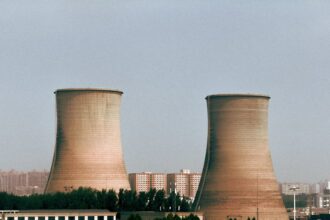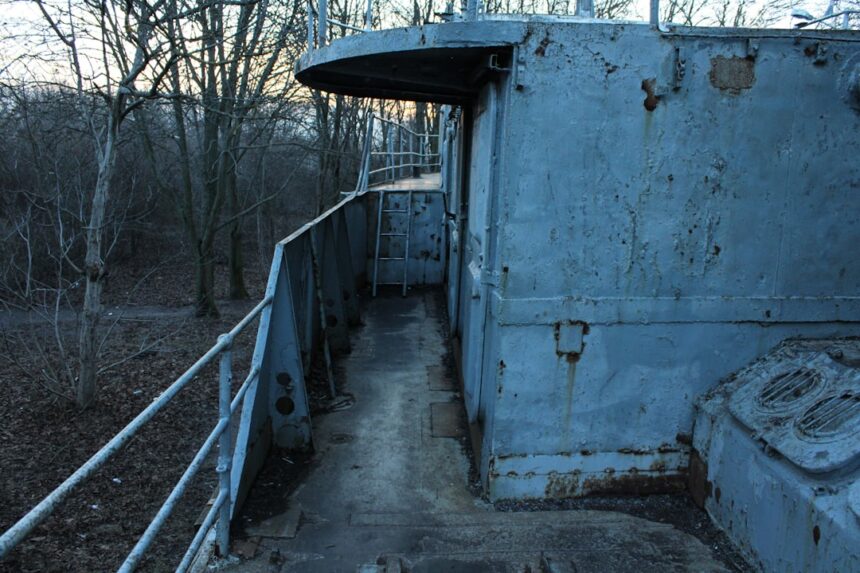
The duty officer in a nuclear bunker maintains operational oversight and security protocols for the facility and its personnel. This position requires monitoring safety systems, enforcing security procedures, and managing access to classified materials and restricted areas within the bunker complex. Primary responsibilities include conducting regular safety inspections, coordinating shift changes, and maintaining communication logs with external command structures.
The duty officer monitors environmental controls, radiation detection systems, and emergency equipment to ensure all systems function within specified parameters. They also verify personnel credentials, track visitor access, and implement lockdown procedures when necessary. During emergency situations, the duty officer initiates response protocols, coordinates evacuation procedures if required, and serves as the primary communication link between bunker personnel and external emergency services or military command.
They must maintain detailed incident reports and ensure compliance with established safety and security regulations. The position requires extensive training in nuclear safety procedures, emergency response protocols, and facility-specific systems. Duty officers typically work in rotating shifts to provide continuous coverage and must demonstrate proficiency in operating communication equipment, monitoring systems, and emergency response procedures before assuming independent responsibility for bunker operations.
Key Takeaways
- Duty officers in nuclear bunkers play a critical role in monitoring, communication, and emergency response.
- Comprehensive training and strict qualifications are essential for duty officers to handle high-stress situations effectively.
- Clear communication protocols and advanced monitoring systems ensure timely reporting and coordination during crises.
- Collaboration with external agencies enhances overall preparedness and response capabilities.
- Psychological support and continuous improvement initiatives help maintain duty officers’ resilience and operational readiness.
Training and Qualifications for Duty Officers
To become a duty officer in a nuclear bunker, individuals must undergo rigorous training and meet specific qualifications. Typically, candidates are required to have a background in fields such as emergency management, military service, or nuclear engineering. This foundational knowledge equips them with the skills necessary to handle the unique challenges presented by a nuclear facility.
Furthermore, many organizations mandate that prospective duty officers complete specialized training programs that focus on nuclear safety protocols, crisis management, and operational procedures. Training for duty officers often includes simulations and drills that mimic real-life scenarios they may encounter while on duty. These exercises are designed to enhance their decision-making abilities under pressure and improve their communication skills.
Additionally, ongoing education is vital; duty officers are encouraged to participate in refresher courses and workshops to stay updated on the latest technologies and best practices in nuclear safety. This commitment to continuous learning ensures that they remain competent and confident in their roles.
Responsibilities and Duties of the Duty Officer
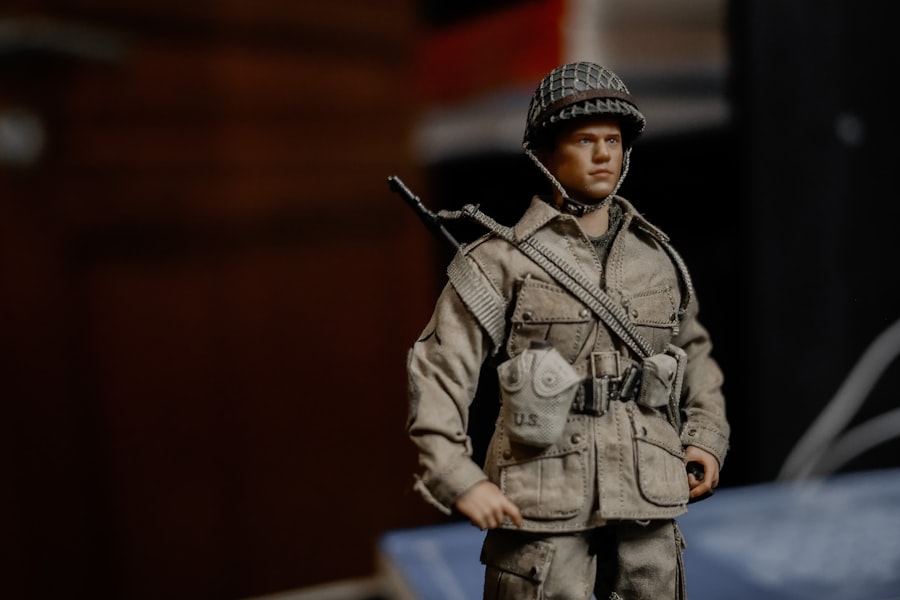
The responsibilities of a duty officer extend far beyond mere oversight; they encompass a wide array of tasks that are essential for the smooth operation of the nuclear bunker. One of their primary duties is to monitor the status of all systems within the facility, ensuring that everything operates within safe parameters. This includes overseeing power supplies, ventilation systems, and radiation monitoring equipment.
By maintaining vigilance over these critical systems, the duty officer plays a key role in preventing potential malfunctions that could jeopardize safety. In addition to system monitoring, the duty officer is tasked with managing personnel schedules and ensuring that all staff members are adequately trained for their roles. This involves conducting regular briefings to keep everyone informed about current protocols and any changes in procedures.
The duty officer also serves as a point of contact for any personnel issues that may arise, addressing concerns and facilitating communication among team members. Their ability to foster a collaborative environment is essential for maintaining morale and ensuring that everyone is prepared to respond effectively in emergencies.
Communication Protocols and Procedures
Effective communication is paramount in a nuclear bunker, where the stakes are incredibly high. The duty officer must establish clear communication protocols that facilitate information sharing among team members and external agencies. This includes developing standardized procedures for reporting incidents, disseminating updates, and coordinating responses during emergencies.
By implementing these protocols, the duty officer ensures that everyone is on the same page and can act swiftly when necessary. Moreover, the duty officer must be adept at using various communication technologies to relay information accurately and efficiently. This may involve utilizing radio systems, intercoms, or secure messaging platforms designed for high-stakes environments.
The ability to communicate clearly under pressure is crucial; during a crisis, every second counts, and miscommunication can lead to dire consequences. Therefore, the duty officer must not only be skilled in using these tools but also be able to convey complex information in a manner that is easily understood by all personnel involved.
Monitoring and Reporting Systems
| Metric | Value | Unit | Description |
|---|---|---|---|
| Location | Undisclosed | – | Classified site location of the nuclear bunker |
| Depth | 30 | meters | Depth below ground level |
| Personnel Capacity | 50 | persons | Maximum number of duty officers and staff accommodated |
| Operational Duration | 30 | days | Duration the bunker can sustain operations without resupply |
| Communication Systems | 5 | types | Number of communication channels available |
| Power Supply | Backup Generators + Battery Banks | – | Primary and secondary power sources |
| Air Filtration | HEPA + NBC Filters | – | Type of air filtration systems installed |
| Emergency Protocols | Standardized NATO Procedures | – | Protocols followed during nuclear or other emergencies |
| Surveillance Systems | 24/7 Monitoring | – | Continuous security and environmental monitoring |
Monitoring systems within a nuclear bunker are designed to provide real-time data on various operational parameters, including radiation levels, structural integrity, and environmental conditions. The duty officer plays a vital role in overseeing these systems, ensuring that they function correctly and provide accurate readings. Regular checks and maintenance of monitoring equipment are essential to prevent malfunctions that could compromise safety.
In addition to monitoring systems, the duty officer is responsible for reporting any anomalies or irregularities observed during their shifts. This involves documenting incidents meticulously and communicating findings to relevant authorities or team members. Accurate reporting is crucial for maintaining transparency and accountability within the bunker’s operations.
Furthermore, it allows for timely interventions when issues arise, thereby minimizing risks and enhancing overall safety.
Emergency Response and Crisis Management
In the event of an emergency, the duty officer must be prepared to lead the response efforts effectively. This requires a thorough understanding of emergency protocols and the ability to make quick decisions based on available information. The duty officer must assess the situation rapidly, determine the appropriate course of action, and coordinate with team members to implement emergency procedures.
Crisis management also involves maintaining calm among personnel during high-stress situations. The duty officer must communicate clearly and provide direction while ensuring that everyone understands their roles in the response effort. This leadership is critical for maintaining order and preventing panic, which can exacerbate an already challenging situation.
By fostering a sense of teamwork and collaboration, the duty officer can help ensure that all personnel work together effectively to mitigate risks during emergencies.
Safety Protocols and Procedures
Safety protocols are at the core of operations within a nuclear bunker, guiding every aspect of daily activities. The duty officer is responsible for enforcing these protocols rigorously to ensure compliance among all personnel. This includes conducting regular safety drills, reviewing emergency procedures, and ensuring that everyone understands their responsibilities in maintaining a safe environment.
Additionally, the duty officer must stay informed about any changes in safety regulations or best practices within the nuclear industry. This knowledge allows them to update protocols as necessary and ensure that all staff members are trained accordingly. By prioritizing safety and fostering a culture of vigilance, the duty officer plays an essential role in protecting both personnel and sensitive materials within the bunker.
Equipment and Technology in the Nuclear Bunker
The equipment and technology utilized within a nuclear bunker are critical components of its operation. The duty officer must be well-versed in the various systems in place, including radiation detection devices, ventilation controls, and emergency power supplies. Understanding how these technologies function enables the duty officer to monitor their performance effectively and respond promptly if issues arise.
Moreover, advancements in technology continually reshape how nuclear bunkers operate. The duty officer must stay abreast of new developments in equipment that can enhance safety or improve operational efficiency. This may involve participating in training sessions or workshops focused on emerging technologies relevant to nuclear safety.
By embracing innovation and integrating new tools into existing protocols, the duty officer can help ensure that the bunker remains at the forefront of safety practices.
Collaboration with External Agencies and Authorities
Collaboration with external agencies is an essential aspect of a duty officer’s role in a nuclear bunker. This includes liaising with local law enforcement, emergency services, regulatory bodies, and other relevant organizations during both routine operations and emergencies. Establishing strong relationships with these entities fosters effective communication channels that can be invaluable during crises.
The duty officer must also participate in joint exercises with external agencies to enhance coordination during emergencies. These collaborative efforts allow all parties involved to understand each other’s capabilities and limitations better, ultimately leading to more effective responses when real incidents occur. By fostering partnerships with external authorities, the duty officer enhances not only their own preparedness but also that of the entire facility.
Psychological and Emotional Support for Duty Officers
The role of a duty officer can be incredibly demanding both physically and emotionally. The high-stakes environment of a nuclear bunker often leads to stress and anxiety among personnel tasked with ensuring safety under pressure. Recognizing this reality, organizations must prioritize psychological support for duty officers to help them cope with the unique challenges they face.
Providing access to mental health resources is essential for promoting resilience among duty officers. This may include counseling services, stress management workshops, or peer support programs where officers can share experiences and coping strategies with one another. By fostering an environment where mental health is prioritized alongside physical safety, organizations can help ensure that duty officers remain effective in their roles while also taking care of their well-being.
Continuous Improvement and Preparedness Measures
Continuous improvement is vital for maintaining high standards of safety and operational efficiency within a nuclear bunker. The duty officer plays an integral role in identifying areas for enhancement through regular evaluations of procedures and protocols. By analyzing past incidents or near-misses, they can develop strategies to prevent similar occurrences in the future.
Preparedness measures also involve staying informed about emerging threats or changes in regulations that may impact operations within the bunker.
By fostering a culture of continuous improvement and preparedness among all personnel, the duty officer helps create an environment where safety remains paramount at all times.
In conclusion, the role of a duty officer in a nuclear bunker encompasses a wide range of responsibilities that are critical for ensuring safety and security within these high-stakes environments. From rigorous training requirements to effective communication protocols and collaboration with external agencies, every aspect of this role is designed to promote preparedness and resilience among personnel.
In the context of the responsibilities of a duty officer in a nuclear bunker, it’s essential to understand the broader implications of military readiness and crisis management. For a deeper insight into these topics, you can read the article on military operations and strategic planning at In The War Room. This resource provides valuable information that complements the critical role of duty officers in ensuring national security during high-stakes situations.
WATCH THIS 🎬 DEAD HAND: The Soviet Doomsday Machine That’s Still Listening
FAQs
What is the role of a duty officer in a nuclear bunker?
A duty officer in a nuclear bunker is responsible for overseeing the operations and security of the facility, ensuring all protocols are followed, monitoring communication systems, and coordinating emergency responses as needed.
What qualifications are required to become a duty officer in a nuclear bunker?
Qualifications typically include military or civil defense training, knowledge of nuclear safety procedures, strong leadership skills, and the ability to operate specialized communication and monitoring equipment. Specific requirements vary by country and organization.
What are the primary responsibilities of a duty officer in a nuclear bunker?
Primary responsibilities include maintaining the security of the bunker, monitoring nuclear threat alerts, managing personnel shifts, ensuring the functionality of life-support systems, and coordinating with external agencies during emergencies.
How long do duty officers typically serve in a nuclear bunker?
Shift lengths can vary but often range from 8 to 12 hours to maintain alertness and operational efficiency. Extended deployments may occur depending on the situation and organizational protocols.
What kind of training do duty officers receive for nuclear bunker assignments?
Training includes emergency response procedures, nuclear threat assessment, communication protocols, equipment operation, survival skills, and psychological preparedness for high-stress environments.
Are duty officers in nuclear bunkers involved in decision-making during a nuclear crisis?
Yes, duty officers play a critical role in monitoring situations, relaying information to higher command, and executing pre-established protocols. However, strategic decisions are typically made by senior military or government officials.
What safety measures are in place for duty officers working in nuclear bunkers?
Safety measures include radiation shielding, air filtration systems, secure communication lines, regular drills, medical support, and strict adherence to operational procedures to minimize risk.
Can civilians become duty officers in nuclear bunkers?
In most cases, duty officers are military personnel or specially trained government employees. However, some countries may have civilian roles within nuclear bunkers, depending on their defense structure.
How do duty officers communicate with the outside world from within a nuclear bunker?
Duty officers use secure, encrypted communication systems designed to function during nuclear events, including radio, satellite links, and dedicated landlines to maintain contact with command centers and other agencies.
What psychological challenges do duty officers face in nuclear bunkers?
Challenges include isolation, high stress due to the nature of nuclear threats, confined living conditions, and the responsibility of managing critical situations, which require resilience and mental health support.