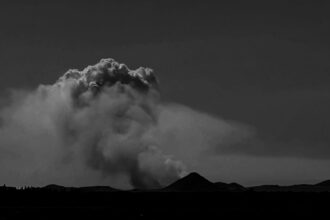
The rumble, a deep, guttural roar that seemed to originate from the very bowels of the earth, announced the unimaginable. On a quiet Tuesday afternoon, a catastrophe unfolded at a Titan II missile silo located near Damascus, Arkansas, forever etching a dark chapter into the annals of Cold War history. What began as a routine maintenance operation devolved into a devastating explosion, a stark and terrifying reminder of the immense power and inherent danger contained within these underground fortresses. The incident, which occurred on September 19, 1980, did not result in a nuclear detonation, a fact for which the nation and indeed the world, can be profoundly grateful. However, the conventional explosion that did occur was of such magnitude that it ripped through the reinforced concrete and steel structure, leaving behind a scene of unimaginable destruction and triggering a complex and perilous cleanup operation.
The day began like any other at the Titan II missile complex. Personnel were engaged in standard procedures, unaware that they were teetering on the precipice of disaster. The Titan II, a relic of an era defined by geopolitical tension and the constant threat of nuclear annihilation, was a formidable weapon. Its massive Intercontinental Ballistic Missile (ICBM) was designed to deliver a nuclear payload across continents, a deterrent that underscored the high stakes of the Cold War. The silo, a labyrinth of reinforced concrete and steel, was intended to be an impenetrable sanctuary for this destructive force. Yet, on this fateful day, it became the epicenter of a catastrophic event born not of enemy action, but of an internal failure.
The Chain of Events Leading to the Explosion
The precise sequence of events that culminated in the explosion is a complex narrative, pieced together through subsequent investigations. At its core, the incident stemmed from a catastrophic leak of hypergolic propellant, a highly volatile and corrosive substance used to fuel the Titan II missile. This leak, originating from a damaged seal within the missile’s second stage, was the initial trigger. The hypergolic fuels, specifically unsymmetrical dimethylhydrazine (UDMH) and nitrogen tetroxide (NTO), are known for their extreme reactivity. When they come into contact with each other, they ignite spontaneously, a characteristic that makes them effective rocket fuels but also incredibly dangerous.
The Initial Leak and its Deadly Progression
The first indication of trouble was a subtle, yet ominous, change in the environment within the silo. A slow and insidious leak of UDMH began, its pungent odor permeating the confined space. While initial responses may have focused on containing the leak, the volatile nature of the propellant meant that time was a luxury they did not possess. As the UDMH dispersed, it inevitably came into contact with the equally volatile oxidizer, NTO, which was also present in the missile system. This unintended mixing created the conditions for ignition.
The Violent Manifestation of Energy
The ignition of the hypergolic fuels was not a gentle flicker; it was an explosive release of immense energy. The confined space of the silo acted as a natural pressure vessel, amplifying the force of the detonation. The explosion ripped through the missile, tearing apart its internal components and projecting debris with incredible velocity. The sheer force of the blast was enough to overcome the robust defenses of the silo, a structure designed to withstand far greater forces.
The Force of the Explosion and its Immediate Impact
The detonation within the Titan II missile silo was a singular event that reverberated through the surrounding landscape. The immediate impact was localized but devastating. The silo’s protective layers, while formidable, were no match for the uncontrolled release of chemical energy. Concrete was pulverized, steel warped, and the entire structure was compromised. The blast was so powerful that it blew the silo’s massive steel blast door clean off its hinges, sending it hurtling hundreds of feet away. The missile itself was rendered a mangled wreck, its nuclear warhead miraculously intact, a testament to the fail-safes and the sheer luck that averted a far graver catastrophe.
The Arkansas Titan II missile silo explosion remains a significant event in Cold War history, highlighting the potential dangers associated with nuclear arsenals. For a deeper understanding of the implications and aftermath of such incidents, you can read a related article that explores the broader context of nuclear safety and military preparedness during that era. Check it out here: In the War Room.
The Nuclear Element: Averted Disaster
The most terrifying aspect of the Titan II silo explosion was the presence of a nuclear warhead. The Titan II missiles carried the W56 thermonuclear warhead, a weapon capable of immense destruction. The fact that this warhead survived the conventional explosion and remained intact was a miracle in itself, a stark reminder of the existential threat that the Cold War posed. The potential for a nuclear detonation, however unlikely given the nature of the initial failure, cast a long shadow over the immediate aftermath of the incident.
The Warhead’s Integrity: A Close Call
Investigations immediately focused on the state of the nuclear warhead. The engineers and military personnel involved in the response were acutely aware of the catastrophic implications should the warhead have been compromised. Thankfully, due to robust design and safety features, the W56 warhead remained intact. The conventional explosion, while devastating to the missile and its launch system, did not trigger the nuclear detonation sequence.
Safety Mechanisms and Design Resilience
The Titan II missile and its warhead were designed with multiple layers of safety mechanisms. These were intended to prevent accidental detonation under a variety of scenarios, including impact, fire, and even conventional explosions. The fact that these systems held up during the intense forces of the silo explosion underscores the sophisticated engineering that went into these weapons, even as it highlights the inherent dangers of the technology itself.
The Human Cost: Sacrifice and Resilience
The explosion at the Titan II silo was not just a technological failure; it was a human tragedy. The incident claimed the lives of two brave individuals, Airman First Class Jeffrey T. Powers and Airman First Class David M. Hall, who were working within the silo at the time of the explosion. Their sacrifice underscored the perilous nature of their duties, operating and maintaining these powerful weapons systems.
The Loss of Life: A Somber Reckoning
The immediate priority after the explosion was the recovery of the fallen airmen. The hazardous conditions within the compromised silo made this an extremely dangerous undertaking. Rescue and recovery teams faced the daunting task of navigating the debris-laden structure, exposed to residual hazardous materials. The loss of Powers and Hall was a profound tragedy for their families and a somber reminder of the human cost associated with the Cold War arms race.
The Courage of Responders in the Face of Danger
The response to the Titan II silo explosion involved a coordinated effort from various military and civilian agencies. The individuals who entered the compromised silo to assess the situation, attempt rescues, and later to clean up the hazardous materials displayed extraordinary courage and dedication. They worked under extreme duress, knowing the potential for further harm, driven by a sense of duty and a commitment to their fallen comrades.
The Environmental and Hazardous Material Challenge
The explosion released a significant quantity of hazardous materials into the environment. The UDMH and NTO, highly toxic and corrosive substances, posed a serious threat to the surrounding ecosystem and the health of nearby communities. The cleanup operation was a monumental and complex undertaking, requiring specialized expertise and equipment.
Containing and Neutralizing Hazardous Agents
The primary concern following the explosion was to contain and neutralize the spilled hypergolic propellants. These fuels are not only flammable but also highly toxic and can cause severe damage to skin, eyes, and respiratory systems. The cleanup crews had to work meticulously to prevent further contamination of the soil and groundwater.
The Long-Term Cleanup and Decontamination Efforts
The decontamination process was extensive and protracted. The volatile nature of the fuels meant that specialized techniques were required to break them down into less harmful substances. The soil and surrounding areas had to be thoroughly tested and treated to ensure that no residual contamination remained, a process that took months and involved significant logistical challenges. The incident served as a stark lesson in the environmental consequences of handling such dangerous materials.
The Arkansas Titan II missile silo explosion remains a significant event in the history of military operations and nuclear safety. This incident not only highlighted the potential dangers associated with missile silos but also led to increased scrutiny of safety protocols within the military. For those interested in exploring more about the implications of such accidents, a related article can be found here, which delves into the broader context of nuclear weapons management and the lessons learned from past mishaps.
Lessons Learned and the Legacy of the Incident
| Metric | Details |
|---|---|
| Incident | Arkansas Titan II Missile Silo Explosion |
| Date | September 18, 1980 |
| Location | Near Damascus, Arkansas |
| Missile Type | LGM-25C Titan II |
| Cause | Accidental drop of a socket wrench during maintenance |
| Explosion Type | Fuel explosion (non-nuclear) |
| Casualties | 1 fatality, 21 injured |
| Damage | Complete destruction of the missile and silo complex |
| Nuclear Detonation | No nuclear explosion occurred |
| Response Time | Emergency crews responded within minutes |
| Aftermath | Decommissioning of Titan II missile program accelerated |
The Titan II silo explosion at Damascus, Arkansas, while a catastrophic event, provided invaluable lessons that influenced safety protocols and the management of hazardous materials within military operations. It served as a critical case study, prompting a re-evaluation of procedures and a heightened awareness of the potential dangers inherent in maintaining and operating nuclear weapons systems.
Repercussions for Nuclear Weapons Safety Protocols
The incident led to a comprehensive review of safety procedures concerning the handling and maintenance of all nuclear weapons systems. The focus shifted towards enhanced inspection protocols, more stringent maintenance schedules, and improved training for personnel working with hazardous materials. The importance of robust emergency response plans was also underscored.
The Evolution of Hazardous Material Management
The challenges faced during the cleanup operation highlighted the need for more advanced technologies and standardized procedures for managing highly volatile and toxic substances. The lessons learned at Damascus informed future strategies for environmental remediation and disaster response in the case of similar incidents. The importance of proactive risk assessment and mitigation became paramount.
The Enduring Memory and its Significance
The explosion at the Titan II missile silo remains a significant event in the history of the Cold War and nuclear deterrence. It serves as a stark reminder of the precarious balance of power that defined the era and the constant, albeit often unseen, dangers that accompanied the development and deployment of nuclear weapons. While the immediate threat of nuclear war may have receded, the memory of this devastating conventional explosion within a nuclear silo continues to underscore the profound responsibility that comes with wielding such destructive potential. The resilience of the human spirit, the courage of those who responded, and the tragic loss of life are all integral to the enduring legacy of the Damascus incident, a testament to a time when the world held its breath, ever mindful of the power lurking beneath the surface.

How a Dropped Socket Destroyed a Titan II Missile
FAQs
What happened at the Arkansas Titan II missile silo?
An explosion occurred at the Titan II missile silo near Damascus, Arkansas on September 19, 1980. The explosion was caused by a worker dropping a wrench socket, which punctured the missile’s fuel tank, leading to a massive explosion.
Were there any casualties from the explosion?
Yes, there were casualties from the explosion. One Air Force member was killed, and 21 others were injured. The explosion also caused significant damage to the surrounding area.
What was the purpose of the Titan II missile silo in Arkansas?
The Titan II missile silo in Arkansas was part of the United States’ intercontinental ballistic missile (ICBM) program during the Cold War. The silo housed a Titan II missile, which was capable of carrying a nuclear warhead.
How did the explosion at the Titan II missile silo impact the surrounding community?
The explosion at the Titan II missile silo in Arkansas had a significant impact on the surrounding community. It caused widespread fear and concern among residents about the safety of having a nuclear missile silo in their area. The explosion also led to the evacuation of nearby residents and raised questions about the risks associated with storing nuclear weapons.
What safety measures were implemented following the explosion at the Arkansas Titan II missile silo?
Following the explosion at the Arkansas Titan II missile silo, safety measures were implemented to prevent similar incidents in the future. These measures included improved training for personnel working at missile silos, enhanced safety protocols for handling sensitive equipment, and increased oversight of nuclear weapons storage facilities.