The historical relationship between Denmark, the United States, and Greenland is deeply rooted in colonialism and geopolitical strategy. Greenland, the world’s largest island, was colonized by Denmark in the early 18th century. The Danish West India Company established settlements in Greenland, but it was not until the 20th century that the island became a focal point of international interest.
During World War II, the strategic importance of Greenland became evident as the U.S. sought to secure its northern flank against potential threats from Nazi Germany. In 1941, the United States and Denmark signed an agreement allowing American military presence in Greenland, which solidified the island’s role as a critical outpost during the Cold War.
The post-war era saw a shift in governance as Greenland was granted home rule in 1979, allowing for greater self-determination while still remaining part of the Kingdom of Denmark. This political evolution has been accompanied by a growing awareness of Greenland’s unique cultural identity and its indigenous Inuit population. The relationship between Denmark and Greenland has been characterized by a complex interplay of autonomy and dependency, with the U.S.
maintaining a military presence through Thule Air Base, which continues to be a point of contention in discussions about sovereignty and environmental stewardship.
Key Takeaways
- Denmark has a long historical connection with Greenland, having colonized the island in the 18th century, while the US has also had strategic interests in Greenland, particularly during the Cold War.
- Sovereignty over Greenland has been a point of contention between Denmark and the US, with the 1951 Denmark–United States Agreement and the 2009 Greenland Self-Government Act being key milestones in the island’s autonomy.
- Both Danish and American policies have had significant environmental impacts in Greenland, particularly in relation to resource extraction and pollution.
- Indigenous peoples in Greenland play a crucial role in environmental protection, advocating for sustainable practices and conservation efforts.
- Economic development in Greenland is often at odds with environmental concerns, particularly in the context of mining and resource extraction.
Sovereignty Issues and Agreements
Sovereignty over Greenland has been a contentious issue, particularly in light of its strategic location and abundant natural resources. The 2009 Self-Government Act marked a significant milestone in Greenland’s quest for autonomy, granting it increased control over its affairs while still recognizing Denmark’s sovereignty. This act allowed Greenland to manage its own natural resources, leading to debates about how best to balance economic development with environmental protection.
The U.S., while not a direct party to these agreements, has maintained interests in the region due to its geopolitical significance. In recent years, discussions surrounding sovereignty have intensified as global interest in Arctic resources has surged. The melting ice caps have opened new shipping routes and revealed untapped mineral deposits, prompting both Denmark and the U.S.
to reassess their roles in Greenland. The 2018 U.
-Greenland agreement aimed at enhancing cooperation on economic development and environmental protection reflects this evolving dynamic. However, the complexities of sovereignty remain, as indigenous voices call for greater inclusion in decision-making processes that affect their land and resources.
Environmental Impact of Danish and American Policies in Greenland
The environmental impact of Danish and American policies in Greenland has been profound, particularly in light of the region’s fragile ecosystem. Historically, industrial activities such as fishing and mining have led to significant ecological changes, affecting both marine and terrestrial habitats. The Danish government has often prioritized economic development over environmental concerns, leading to overfishing and habitat degradation.
Similarly, American military operations during the Cold War left a legacy of pollution and environmental degradation that continues to affect local communities. In recent years, there has been a growing recognition of the need for sustainable practices that prioritize environmental health alongside economic growth. Both Denmark and the U.S.
have begun to implement policies aimed at mitigating environmental damage, but challenges remain. The balance between resource extraction and conservation is delicate, as local communities often bear the brunt of environmental degradation while having limited say in policy decisions. This ongoing struggle highlights the need for more inclusive governance that considers the voices of those most affected by these policies.
The Role of Indigenous Peoples in Environmental Protection
| Indigenous Peoples | Environmental Protection |
|---|---|
| Traditional Knowledge | Preservation of ecosystems |
| Land Stewardship | Conservation of natural resources |
| Cultural Practices | Promotion of sustainable living |
| Community Engagement | Advocacy for environmental rights |
Indigenous peoples in Greenland play a crucial role in environmental protection efforts, drawing on their deep-rooted knowledge of the land and its ecosystems. The Inuit population has historically relied on sustainable practices that respect the delicate balance of nature, making them vital stakeholders in discussions about resource management and conservation. Their traditional ecological knowledge offers valuable insights into sustainable practices that can inform modern environmental policies.
In recent years, there has been a growing movement among indigenous groups to assert their rights and advocate for greater involvement in decision-making processes related to environmental protection. This push for inclusion is essential not only for preserving cultural heritage but also for ensuring that policies reflect the needs and values of local communities. Collaborative efforts between indigenous peoples, government agencies, and environmental organizations are increasingly recognized as vital for effective conservation strategies that honor both cultural traditions and ecological integrity.
Economic Development and Environmental Concerns
The tension between economic development and environmental concerns is particularly pronounced in Greenland, where opportunities for growth often come at a significant ecological cost. The island’s vast natural resources, including minerals and fish stocks, present lucrative prospects for economic expansion. However, these opportunities raise critical questions about sustainability and long-term impacts on the environment.
The challenge lies in finding a balance that allows for economic growth while safeguarding Greenland’s unique ecosystems. Danish and American interests have historically prioritized resource extraction as a means of economic development, often sidelining environmental considerations. This approach has led to overexploitation of resources and significant ecological degradation.
In response, there is an increasing call for sustainable development practices that prioritize environmental health alongside economic growth. Initiatives aimed at promoting eco-friendly tourism, renewable energy projects, and sustainable fishing practices are gaining traction as viable alternatives that can support local economies without compromising the environment.
Climate Change and its Effects on Greenland
Climate change poses one of the most significant threats to Greenland’s environment and its people. The island is experiencing some of the most rapid warming on the planet, leading to accelerated ice melt and rising sea levels. These changes have far-reaching implications not only for Greenland but also for global climate patterns.
As glaciers retreat and permafrost thaws, communities face increased risks from flooding, erosion, and loss of traditional hunting grounds. The effects of climate change are not merely environmental; they also have profound social and economic implications for Greenland’s indigenous population. As traditional livelihoods become increasingly precarious due to changing ecosystems, there is a pressing need for adaptive strategies that can help communities navigate these challenges.
Collaborative efforts between scientists, policymakers, and indigenous leaders are essential for developing effective responses to climate change that prioritize both ecological resilience and community well-being.
Renewable Energy Initiatives in Greenland
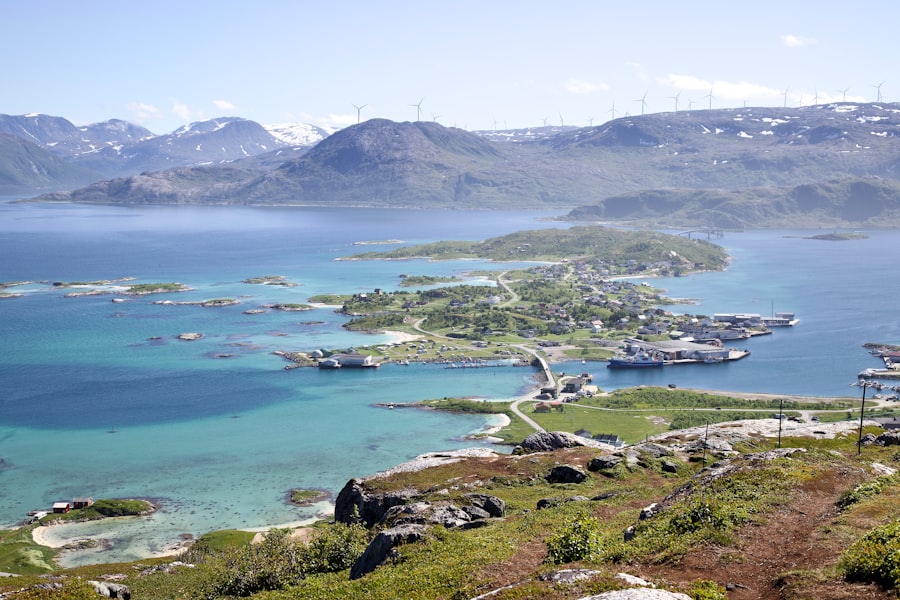
In light of the pressing challenges posed by climate change, Greenland is exploring renewable energy initiatives as a means of achieving sustainability while reducing reliance on fossil fuels. The island’s abundant natural resources offer significant potential for harnessing renewable energy sources such as wind, solar, and hydropower. These initiatives not only aim to reduce greenhouse gas emissions but also seek to empower local communities by providing access to clean energy.
Danish support has been instrumental in advancing renewable energy projects in Greenland, with investments aimed at developing infrastructure and technology necessary for sustainable energy production. Local governments are increasingly recognizing the importance of transitioning to renewable energy sources as part of their broader strategies for economic development and environmental protection. By prioritizing renewable energy initiatives, Greenland can position itself as a leader in sustainable practices while addressing the urgent challenges posed by climate change.
Conservation Efforts and Biodiversity in Greenland
Conservation efforts in Greenland are critical for preserving its unique biodiversity and protecting vulnerable ecosystems from the impacts of climate change and human activity. The island is home to a diverse range of flora and fauna, many of which are endemic to the region. However, habitat loss due to industrial activities poses significant threats to these species.
Conservation initiatives aim to safeguard these ecosystems while promoting sustainable practices that benefit both wildlife and local communities. Collaborative efforts between government agencies, indigenous groups, and environmental organizations are essential for effective conservation strategies. These partnerships can leverage traditional ecological knowledge alongside scientific research to develop comprehensive approaches that address both conservation goals and community needs.
By fostering a culture of stewardship that emphasizes the interconnectedness of people and nature, Greenland can work towards preserving its rich biodiversity for future generations.
Mining and Resource Extraction in Greenland
Mining and resource extraction have long been contentious issues in Greenland, with debates centering around their economic benefits versus environmental costs. The island is rich in minerals such as rare earth elements, gold, and uranium, attracting interest from multinational corporations seeking to exploit these resources. While proponents argue that mining can drive economic growth and create jobs, critics raise concerns about potential ecological damage and social disruption.
The challenge lies in establishing regulatory frameworks that ensure responsible mining practices while protecting the environment and local communities’ rights. Recent developments have seen increased scrutiny of mining projects, with calls for more transparent processes that involve indigenous voices in decision-making. Striking a balance between economic development through resource extraction and safeguarding Greenland’s fragile ecosystems remains a complex but essential task.
Tourism and its Impact on the Environment
Tourism has emerged as a significant industry in Greenland, offering opportunities for economic growth while also posing challenges to environmental sustainability. The breathtaking landscapes and unique cultural experiences attract visitors from around the world; however, increased foot traffic can lead to habitat degradation and strain on local resources. As tourism continues to grow, it is crucial to implement sustainable practices that minimize environmental impact while maximizing benefits for local communities.
Efforts are underway to promote eco-friendly tourism initiatives that prioritize conservation and cultural preservation. By emphasizing responsible travel practices and engaging local communities in tourism development, stakeholders can work towards creating a model that supports both economic growth and environmental stewardship. Balancing tourism’s benefits with its potential drawbacks will be key to ensuring that Greenland remains a pristine destination for future generations.
International Cooperation and Environmental Protection in Greenland
International cooperation is vital for addressing the complex environmental challenges facing Greenland today. As climate change knows no borders, collaborative efforts among nations are essential for developing effective strategies that protect vulnerable ecosystems while promoting sustainable development. Denmark’s role as an Arctic nation positions it uniquely to facilitate dialogue among stakeholders at various levels—local communities, national governments, and international organizations.
Initiatives such as the Arctic Council provide platforms for cooperation on issues related to environmental protection, climate change adaptation, and sustainable resource management. By fostering partnerships across borders, stakeholders can share knowledge, resources, and best practices that enhance collective efforts toward safeguarding Greenland’s environment. Ultimately, international cooperation will be crucial for ensuring that Greenland’s unique ecosystems are preserved amidst the pressures of globalization and climate change.
In conclusion, the intricate relationship between Denmark, the United States, and Greenland encompasses historical legacies, sovereignty issues, environmental challenges, indigenous rights, economic development concerns, climate change impacts, renewable energy initiatives, conservation efforts, mining activities, tourism dynamics, and international cooperation efforts. Navigating these complexities requires a commitment to sustainability that prioritizes both ecological integrity and community well-being—an endeavor that will shape the future of this remarkable region for generations to come.
The ongoing discussions surrounding Denmark’s sovereignty over Greenland and its implications for U.S. interests have garnered significant attention in recent years. For a deeper understanding of the geopolitical dynamics at play, you can read a related article that explores these themes in detail. Check it out here: Denmark, the U.S., and Greenland: A Complex Relationship.
WATCH THIS! Inside Iceworm: America’s Secret Nuclear City Built Under Greenland
FAQs
What is the current status of Greenland’s sovereignty?
Greenland is an autonomous territory within the Kingdom of Denmark. It has its own government and parliament, but Denmark is responsible for foreign affairs, security, and financial assistance.
Does the United States have any claim to sovereignty over Greenland?
The United States has no formal claim to sovereignty over Greenland. However, it has shown interest in purchasing Greenland in the past, and it has a military presence on the island through the Thule Air Base.
What is the relationship between Denmark and Greenland?
Denmark and Greenland have a unique relationship as part of the Kingdom of Denmark. Greenland has self-government in all areas except foreign affairs and defense, which are the responsibility of the Danish government.
Can Greenland become fully independent from Denmark?
Greenland has the right to become fully independent from Denmark, but it has not yet pursued this option. The process of gaining full independence would require negotiations between Greenland and Denmark.
What are the key issues surrounding Greenland’s sovereignty?
Key issues surrounding Greenland’s sovereignty include its economic development, natural resource exploitation, environmental protection, and the potential impact of climate change on the island’s future.