
Defense spending plays a crucial role in maintaining national security and ensuring the safety of a nation’s citizens. It encompasses a wide range of expenditures, including personnel salaries, equipment procurement, research and development, and operational costs. A robust defense budget is essential for a country to deter potential threats, respond to crises, and project power globally.
In an increasingly complex geopolitical landscape, where threats can emerge from state and non-state actors alike, the allocation of resources toward defense is not merely a matter of military readiness; it is a fundamental aspect of a nation’s sovereignty and stability. Moreover, defense spending is often viewed as a reflection of a nation’s priorities and values. It signals to both allies and adversaries the commitment to national security and the willingness to invest in the capabilities necessary to protect interests.
This investment can foster international partnerships and alliances, as countries with strong defense capabilities are often seen as reliable partners in collective security arrangements. Thus, the importance of defense spending extends beyond mere numbers; it embodies a nation’s strategic vision and its approach to global engagement.
Key Takeaways
- Defense spending is crucial for national security but often lacks alignment with strategic goals.
- There is a significant disconnect between defense strategies and actual spending priorities.
- Technological advancements play a key role in shaping effective defense expenditures.
- Political and economic factors heavily influence defense budget decisions, sometimes detracting from strategic needs.
- Addressing the strategy-defense spending gap is essential to ensure future military effectiveness and national security.
The Current State of Defense Spending
As of 2023, global defense spending has reached unprecedented levels, with many nations significantly increasing their military budgets in response to evolving threats. The rise of geopolitical tensions, particularly in regions such as Eastern Europe and the Indo-Pacific, has prompted countries to reassess their defense postures. For instance, NATO member states have committed to increasing their defense expenditures to meet the alliance’s guideline of spending at least 2% of their GDP on defense.
This shift reflects a growing recognition of the need for enhanced military readiness in the face of potential aggression. In addition to traditional military powers, emerging economies are also ramping up their defense spending. Nations like India and Brazil are investing heavily in modernizing their armed forces and expanding their military capabilities.
This trend is not limited to conventional forces; there is also a significant focus on cyber capabilities and space defense systems. The current state of defense spending illustrates a global arms race, where countries are not only competing for military superiority but also striving to secure their interests in an increasingly multipolar world.
The Strategy-Defense Spending Disconnect

Despite the rising levels of defense spending, there exists a notable disconnect between military strategy and actual budget allocations. Many nations find themselves investing heavily in capabilities that do not align with their strategic objectives. This misalignment can stem from various factors, including political pressures, bureaucratic inertia, and a lack of clear strategic vision.
As a result, resources may be directed toward programs that do not effectively address current or emerging threats, leading to inefficiencies and wasted expenditures. Furthermore, this disconnect can create significant challenges for military planners and policymakers.
This misalignment can hinder a nation’s ability to respond effectively to crises or adapt to changing security environments. Ultimately, the strategy-defense spending disconnect undermines the effectiveness of military forces and can compromise national security.
The Impact of the Strategy-Defense Spending Disconnect
The consequences of the strategy-defense spending disconnect can be profound and far-reaching. When defense budgets do not reflect strategic priorities, military readiness can suffer. Forces may lack the necessary training or equipment to respond effectively to threats, leading to vulnerabilities that adversaries may exploit.
This situation can create a perception of weakness, emboldening potential aggressors and destabilizing regional security dynamics. Moreover, the disconnect can lead to public disillusionment with defense institutions. Citizens may question the efficacy of their government’s defense policies if they perceive that resources are being squandered on ineffective programs or misaligned priorities.
This skepticism can erode public support for defense spending, making it more challenging for governments to secure funding for essential military initiatives in the future. In this way, the strategy-defense spending disconnect not only impacts military effectiveness but also shapes public perceptions and political discourse surrounding national security.
Historical Context of Defense Spending
| Metric | Description | Example Data | Implication |
|---|---|---|---|
| Percentage of Budget Allocated to Legacy Systems | Portion of defense spending dedicated to outdated or less relevant military technology | 45% | Indicates potential misalignment with current strategic needs |
| Investment in Emerging Technologies | Funds directed towards AI, cyber defense, and unmanned systems | 12% | Shows underinvestment in future warfare capabilities |
| Defense Spending Growth Rate vs. Strategic Threat Evolution | Comparison of annual spending increase against changes in global threat landscape | Spending growth: 3% | Threat evolution: 15% | Spending not keeping pace with evolving threats |
| Procurement Cycle Length | Average time from project initiation to deployment | 8 years | Long cycles can cause misalignment with fast-changing strategic needs |
| Percentage of Budget Spent on Personnel vs. Equipment | Distribution of funds between human resources and material assets | Personnel: 60% | Equipment: 40% | May reflect imbalance affecting modernization efforts |
To understand the current landscape of defense spending, it is essential to consider its historical context. Throughout history, nations have grappled with the balance between military investment and other societal needs. The aftermath of major conflicts often leads to increased defense spending as countries seek to rebuild their armed forces and deter future threats.
For example, following World War II, many nations significantly expanded their military budgets in response to the Cold War dynamics that emerged. In more recent history, the events of September 11, 2001, marked a turning point in global defense spending patterns. The subsequent War on Terror led to substantial increases in military budgets across many Western nations as they sought to address new forms of asymmetric warfare and terrorism.
This historical perspective highlights how external events and shifting geopolitical landscapes can dramatically influence defense spending priorities and strategies.
The Role of Technology in Defense Spending
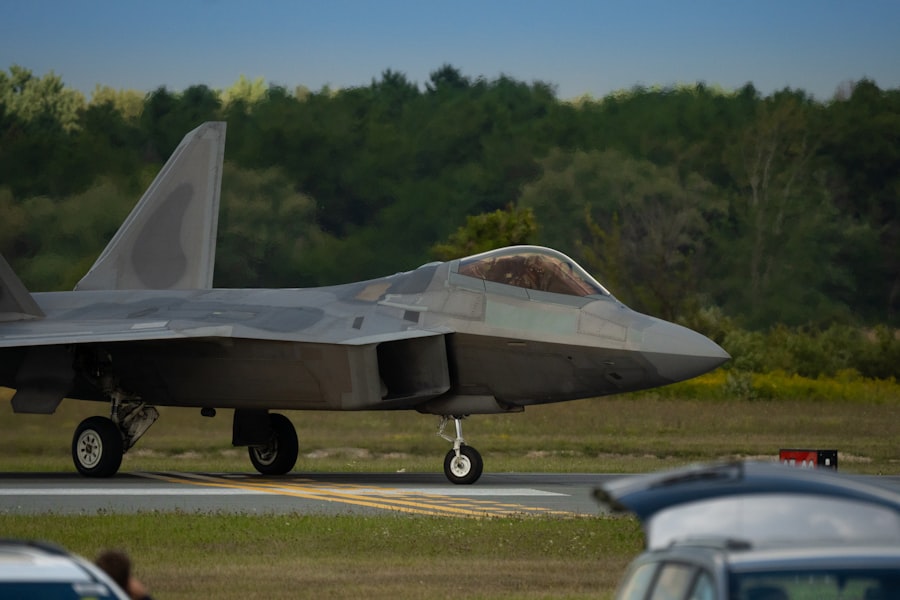
Technology has become a pivotal factor in shaping modern defense spending strategies. The rapid advancement of military technology has transformed how nations approach warfare and defense capabilities. Investments in cutting-edge technologies such as artificial intelligence, unmanned systems, cyber warfare capabilities, and advanced missile systems have become essential components of contemporary military strategies.
As nations seek to maintain technological superiority over potential adversaries, defense budgets increasingly reflect these priorities. However, the integration of new technologies into defense spending also presents challenges. The pace of technological change can outstrip traditional procurement processes, leading to delays and cost overruns.
Additionally, there is often a gap between technological innovation and practical application within military contexts.
Political and Economic Factors Influencing Defense Spending
Defense spending is influenced by a complex interplay of political and economic factors that vary from country to country. Political considerations often drive budgetary decisions, as leaders seek to respond to public sentiment or geopolitical pressures. In democratic societies, public opinion can significantly impact defense budgets; citizens may demand increased spending in response to perceived threats or advocate for reductions during times of relative peace.
Economic conditions also play a critical role in shaping defense spending priorities. During periods of economic growth, governments may be more inclined to increase military budgets as they have greater fiscal flexibility. Conversely, economic downturns can lead to budget cuts and constraints on defense expenditures.
This dynamic underscores the importance of aligning defense strategies with broader economic realities to ensure sustainable investment in national security.
The Need for a Coherent Defense Strategy
To address the challenges posed by the strategy-defense spending disconnect, there is an urgent need for coherent defense strategies that align budgetary allocations with national security objectives. A well-defined strategy should articulate clear priorities based on an assessment of current threats and future challenges. This strategic framework would guide decision-makers in allocating resources effectively and ensuring that investments are directed toward capabilities that enhance military readiness.
Moreover, a coherent defense strategy should incorporate input from various stakeholders, including military leaders, policymakers, industry experts, and civil society. Engaging diverse perspectives can foster a more comprehensive understanding of security challenges and facilitate informed decision-making regarding defense spending priorities. By establishing a clear strategic vision that resonates with both political leaders and the public, nations can enhance their ability to secure necessary funding for effective defense initiatives.
The Consequences of Ineffective Defense Spending
Ineffective defense spending can have dire consequences for national security and global stability. When resources are misallocated or wasted on programs that do not align with strategic objectives, it can lead to significant vulnerabilities within a nation’s armed forces. These weaknesses may manifest in various forms—ranging from outdated equipment and insufficient training to inadequate cyber defenses—ultimately compromising a nation’s ability to respond effectively to emerging threats.
Additionally, ineffective defense spending can strain relationships with allies and partners. Nations that fail to invest adequately in their military capabilities may find themselves unable to contribute meaningfully to collective security efforts or international coalitions. This situation can create friction within alliances and undermine trust among partners who rely on each other for mutual defense commitments.
In this way, ineffective defense spending not only jeopardizes national security but also has broader implications for international relations.
Addressing the Strategy-Defense Spending Disconnect
To bridge the gap between strategy and defense spending, policymakers must prioritize transparency and accountability in budgetary processes. Establishing clear metrics for evaluating the effectiveness of defense investments can help ensure that resources are directed toward initiatives that align with strategic objectives. Regular assessments of military readiness and capability gaps should inform budgetary decisions, allowing for adjustments based on evolving security environments.
Furthermore, fostering collaboration between military leaders and civilian policymakers is essential for addressing the strategy-defense spending disconnect. By creating forums for dialogue and information sharing, stakeholders can develop a shared understanding of security challenges and work together to craft coherent strategies that guide budgetary allocations. This collaborative approach can enhance decision-making processes and promote more effective use of defense resources.
Future Implications of Defense Spending
Looking ahead, the implications of current trends in defense spending will likely shape global security dynamics for years to come. As nations continue to invest heavily in military capabilities amid rising geopolitical tensions, the potential for conflict may increase if miscalculations occur or if deterrence fails. Additionally, the ongoing evolution of technology will further complicate the landscape; nations must navigate the challenges posed by emerging technologies while ensuring that their defense strategies remain relevant.
Moreover, addressing the strategy-defense spending disconnect will be critical for maintaining effective military forces capable of responding to future challenges. As countries grapple with complex security environments characterized by hybrid threats and asymmetric warfare tactics, aligning budgetary allocations with coherent strategies will be essential for ensuring national security in an uncertain world. Ultimately, how nations approach defense spending today will have lasting implications for their security posture and international standing in the years ahead.
In recent discussions about defense spending, it’s crucial to consider how financial allocations can sometimes be disconnected from overarching military strategies. An insightful article that delves into this topic can be found on In the War Room, which explores the implications of budgetary decisions that do not align with strategic objectives. For more information, you can read the article [here](https://www.inthewarroom.com/).
FAQs
What does it mean when defense spending is disconnected from strategy?
It means that the allocation of funds for defense does not align with the country’s military goals, priorities, or strategic objectives. Spending may be driven by outdated plans, political considerations, or inefficiencies rather than current security needs.
Why is aligning defense spending with strategy important?
Aligning spending with strategy ensures that resources are used effectively to address actual threats and support military capabilities that fulfill national security goals. It helps avoid waste, improves readiness, and enhances overall defense effectiveness.
What are common causes of a disconnect between defense spending and strategy?
Common causes include bureaucratic inertia, lack of clear strategic guidance, political pressures, outdated procurement processes, and failure to adapt to changing security environments or technological advancements.
How can governments improve the connection between defense spending and strategy?
Governments can improve alignment by regularly reviewing and updating defense strategies, increasing transparency and oversight of budgets, involving military experts in planning, and prioritizing investments based on current and future threat assessments.
What are the risks of defense spending being disconnected from strategy?
Risks include inefficient use of taxpayer money, reduced military readiness, inability to respond effectively to emerging threats, and potential weakening of national security.
Has this issue been observed in specific countries or regions?
Yes, various countries have faced challenges where defense budgets did not reflect strategic priorities, often leading to calls for reform in defense planning and budgeting processes.
What role do defense audits and assessments play in addressing this issue?
Defense audits and assessments help identify mismatches between spending and strategy, recommend adjustments, and promote accountability to ensure that defense resources support strategic objectives effectively.