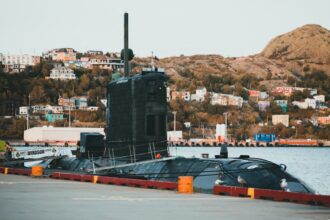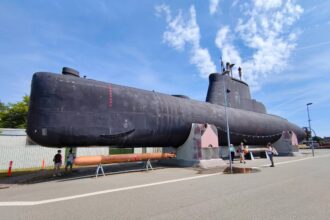
Deep sea recovery operations began developing systematically during the 19th century as technological advances enabled deeper underwater exploration. Initial methods utilized basic equipment including diving bells and weighted rope systems. The industrial revolution accelerated progress in underwater recovery techniques, with the submarine’s invention and specialized diving equipment representing major technological breakthroughs.
The mid-20th century marked deep sea recovery’s transformation into a structured scientific discipline. Cold War military requirements drove submarine technology development, resulting in advanced submersibles capable of reaching extreme depths. Significant operations included the USS Thresher recovery mission in 1963 and the Titanic wreck exploration in 1985.
These missions served dual purposes: retrieving sunken vessels and advancing scientific understanding of deep ocean environments, establishing foundations for subsequent exploration and salvage operations.
Key Takeaways
- Deep sea recovery has evolved through history, overcoming significant technical and environmental challenges.
- Advanced technology and specialized submarines are crucial for effective salvage missions in deep ocean environments.
- Deep sea recovery plays a vital role in retrieving valuable materials and preserving underwater heritage.
- Salvage missions carry environmental risks and require careful management to minimize ecological impact.
- The future of submarine salvage involves improved technology, enhanced safety, and more successful recovery operations.
The Challenges of Submarine Salvage Missions
Submarine salvage missions are fraught with challenges that test the limits of human capability and technology. One of the most significant hurdles is the extreme environment of the deep sea, where pressure increases dramatically with depth. At depths exceeding 10,000 meters, the pressure can reach over 1,000 times that at sea level, posing a severe risk to both equipment and personnel.
This immense pressure can crush submersibles and complicate recovery efforts, making it essential for teams to utilize specially designed vehicles that can withstand such conditions. In addition to pressure, visibility is another major challenge in deep sea recovery missions. The darkness of the ocean depths limits visibility to mere inches, making navigation and identification of targets incredibly difficult.
Salvage teams often rely on remotely operated vehicles (ROVs) equipped with powerful lights and cameras to assist in locating and recovering objects.
The Technology Used in Deep Sea Recovery

The technology employed in deep sea recovery has advanced significantly over the years, enabling teams to tackle increasingly complex missions. One of the most critical innovations is the development of remotely operated vehicles (ROVs), which allow operators to explore and manipulate objects on the ocean floor without risking human lives. These ROVs are equipped with high-definition cameras, robotic arms, and specialized tools for cutting, lifting, and securing items for recovery.
Another essential piece of technology is autonomous underwater vehicles (AUVs), which can operate independently to map the seafloor and gather data about submerged objects. AUVs are particularly useful for surveying large areas before a salvage operation begins, providing valuable information that helps teams plan their approach. Additionally, advancements in sonar technology have improved the ability to detect and identify wrecks or debris on the ocean floor, further enhancing the efficiency of recovery missions.
The Role of Submarines in Salvage Missions
Submarines play a crucial role in deep sea recovery missions, serving as both platforms for exploration and tools for salvage operations. Their ability to operate at great depths makes them invaluable for accessing wrecks that would otherwise be unreachable. Modern submarines are equipped with advanced navigation systems, communication tools, and life support systems that allow teams to conduct extended missions in challenging environments.
In many cases, submarines serve as mother ships for ROVs or AUVs, providing a stable base from which these vehicles can be deployed. This synergy between submarines and unmanned vehicles enhances operational efficiency and safety. Furthermore, submarines can transport personnel and equipment to remote locations, facilitating quick response times in emergency salvage situations.
Their versatility makes them indispensable assets in the ever-evolving landscape of deep sea recovery.
The Importance of Deep Sea Recovery
| Metric | Description | Typical Value | Unit |
|---|---|---|---|
| Depth of Operation | Maximum depth at which the salvage mission is conducted | 3000 | meters |
| Duration of Mission | Total time taken to complete the salvage operation | 14 | days |
| Number of Divers | Personnel involved in underwater salvage activities | 6 | persons |
| Salvage Equipment Used | Types of equipment deployed (e.g., ROVs, cranes) | ROVs, Cranes, Lifting Bags | n/a |
| Weight of Submarine Salvaged | Estimated weight of the submarine or parts recovered | 1500 | tons |
| Water Temperature | Average temperature of water at salvage site | 4 | °C |
| Visibility Underwater | Average visibility range for divers and ROVs | 10 | meters |
| Environmental Impact Assessment | Assessment score of environmental impact (1-10 scale) | 3 | score |
Deep sea recovery is not merely about retrieving lost vessels or treasures; it holds significant importance for various reasons. One primary aspect is historical preservation. Many shipwrecks serve as time capsules that offer insights into past maritime practices, trade routes, and cultural exchanges.
By recovering these artifacts, researchers can piece together historical narratives that would otherwise remain obscured by time. Moreover, deep sea recovery plays a vital role in environmental conservation. Sunken vessels can pose hazards to marine ecosystems if left undisturbed.
Oil leaks or hazardous materials from wrecks can contaminate surrounding waters, threatening marine life. By conducting salvage operations, teams can mitigate these risks and restore balance to affected ecosystems. Thus, deep sea recovery serves both historical and ecological purposes, highlighting its multifaceted significance.
The Environmental Impact of Submarine Salvage Missions

While deep sea recovery has its merits, it is not without environmental consequences. The process of salvaging wrecks can disrupt delicate marine ecosystems, particularly when heavy machinery is involved. Disturbing the seafloor can lead to sediment plumes that smother coral reefs and other vital habitats.
Additionally, the removal of wrecks may inadvertently displace marine species that have made these structures their home over decades or even centuries. To address these concerns, many organizations are now adopting more environmentally conscious practices during salvage missions. This includes conducting thorough environmental impact assessments before commencing operations and utilizing less invasive techniques whenever possible.
By prioritizing sustainability alongside recovery efforts, teams can work towards minimizing their ecological footprint while still achieving their objectives.
The Risks and Dangers of Deep Sea Recovery
The risks associated with deep sea recovery missions are substantial and cannot be understated. The extreme conditions present numerous dangers to personnel involved in these operations. From equipment malfunctions to sudden changes in ocean currents, salvage teams must be prepared for a range of potential emergencies.
The psychological toll of working in such an isolated and high-pressure environment can also affect crew morale and decision-making. Moreover, there is always a risk of accidents during recovery operations. The use of heavy machinery and complex equipment increases the likelihood of mishaps that could result in injury or loss of life.
As such, rigorous training and safety protocols are essential components of any salvage mission. Teams must be well-versed in emergency procedures and equipped with the necessary tools to respond effectively should an incident occur.
The Future of Submarine Salvage Missions
The future of submarine salvage missions appears promising as technology continues to advance at an unprecedented pace. Innovations in artificial intelligence and machine learning are set to revolutionize how teams approach deep sea recovery operations. For instance, AI algorithms can analyze vast amounts of data collected by AUVs or ROVs to identify potential targets more efficiently than human operators alone.
Additionally, as environmental awareness grows globally, there will likely be an increased emphasis on sustainable practices within the field of deep sea recovery. Organizations may adopt stricter regulations regarding salvage operations to ensure minimal disruption to marine ecosystems while still achieving their goals. This shift towards responsible recovery practices will not only benefit the environment but also enhance public perception of salvage missions as a whole.
The Process of Deep Sea Recovery
The process of deep sea recovery is intricate and requires meticulous planning and execution. Initially, teams conduct extensive research to identify potential targets for recovery based on historical records or sonar surveys. Once a target is confirmed, a detailed plan is developed that outlines the necessary equipment, personnel requirements, and timelines for the operation.
Upon arrival at the site, teams deploy ROVs or AUVs to assess the condition of the wreck or debris before commencing recovery efforts. This reconnaissance phase is crucial for understanding any potential hazards or challenges that may arise during the operation. Once all preparations are complete, specialized tools are utilized to secure and lift objects from the ocean floor safely.
Throughout this process, constant communication between team members is essential to ensure safety and efficiency.
The Team Behind Submarine Salvage Missions
Behind every successful submarine salvage mission lies a dedicated team of professionals with diverse expertise. This team typically includes marine engineers, underwater archaeologists, ROV pilots, and safety officers who work collaboratively to achieve their objectives. Each member plays a vital role in ensuring that operations run smoothly while adhering to safety protocols.
Effective communication is paramount within these teams as they navigate complex challenges during missions. Regular briefings help keep everyone informed about progress and any emerging issues that may require immediate attention. Moreover, fostering a culture of teamwork and mutual respect enhances morale and encourages innovative problem-solving approaches when faced with unexpected obstacles.
The Success Stories of Deep Sea Recovery
The annals of deep sea recovery are filled with remarkable success stories that highlight human resilience and ingenuity in overcoming challenges posed by the ocean’s depths. One notable example is the recovery of artifacts from the Titanic wreck site by RMS Titanic Inc., which has provided invaluable insights into this iconic disaster while preserving its legacy for future generations. Another inspiring story involves the successful retrieval of lost military aircraft from World War II by various salvage teams around the world.
These missions not only honor those who served but also contribute significantly to historical research efforts aimed at understanding wartime events better. These success stories serve as reminders that despite the inherent risks associated with deep sea recovery missions, perseverance combined with advanced technology can yield extraordinary results—both for history enthusiasts seeking knowledge about our past and for environmental advocates striving for sustainable practices in marine conservation efforts.
In recent discussions about submarine salvage missions, the complexities and challenges involved in recovering sunken vessels have been highlighted. A related article that delves deeper into the intricacies of such operations can be found at inthewarroom.
com/sample-page/’>this link. This piece provides valuable insights into the technology and strategies employed in successful salvage missions, making it a must-read for those interested in maritime recovery efforts.
FAQs
What is a submarine salvage mission?
A submarine salvage mission involves the recovery, repair, or removal of a sunken or damaged submarine. These operations are typically conducted to retrieve valuable equipment, investigate accidents, or ensure environmental safety.
Why are submarine salvage missions important?
Submarine salvage missions are crucial for recovering sensitive technology, preventing environmental hazards such as fuel leaks, investigating the causes of submarine accidents, and sometimes rescuing trapped crew members.
What equipment is used in submarine salvage missions?
Common equipment includes remotely operated vehicles (ROVs), cranes, lifting pontoons, diving gear, sonar systems, and specialized cutting and welding tools designed for underwater operations.
Who conducts submarine salvage missions?
These missions are usually carried out by naval forces, specialized salvage companies, or government agencies with expertise in underwater recovery and marine engineering.
What challenges are faced during submarine salvage missions?
Challenges include deep-water pressure, limited visibility, hazardous underwater conditions, structural instability of the submarine, and the complexity of safely lifting heavy objects from the ocean floor.
How long do submarine salvage missions typically take?
The duration varies widely depending on the depth, condition of the submarine, weather, and mission objectives. Some missions may last days, while others can extend over several months.
Are submarine salvage missions dangerous?
Yes, these missions involve significant risks due to underwater hazards, potential structural collapse, and the technical complexity of the operations, requiring highly trained personnel and strict safety protocols.
Can all sunken submarines be salvaged?
Not all submarines can be salvaged due to factors like extreme depth, environmental conditions, or the extent of damage. Decisions are made based on feasibility, cost, and strategic importance.
What environmental considerations are involved in submarine salvage?
Salvage operations must minimize environmental impact by preventing fuel leaks, avoiding disturbance to marine ecosystems, and safely disposing of hazardous materials recovered from the submarine.
How has technology improved submarine salvage missions?
Advancements in robotics, sonar imaging, underwater communication, and materials science have enhanced the safety, efficiency, and success rates of submarine salvage missions.