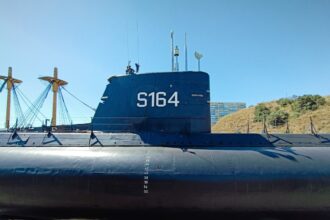
Decoy signatures represent a cornerstone of military deception, a practice as old as warfare itself. Their fundamental purpose is to mislead an adversary regarding the true nature, location, or intent of friendly forces. This can range from simple bluffs to complex, multi-faceted operations designed to sow confusion and exploit vulnerabilities. By presenting a fabricated reality, deception tactics aim to influence enemy decision-making, diverting resources, inducing caution, or provoking specific reactions that benefit the deceiver. The effectiveness of decoy signatures lies in their ability to exploit psychological biases in human perception and the inherent difficulties in accurately assessing an enemy’s capabilities and intentions, especially in the fog of war.
Decoy signatures are not merely about creating illusions; they are sophisticated tools designed to achieve specific military objectives. Their implementation involves a careful understanding of the adversary’s intelligence gathering capabilities, their operational doctrines, and their psychological makeup. The goal is to create a plausible, yet false, picture that the enemy is likely to accept as reality. This requires a deep understanding of how intelligence is gathered, processed, and translated into actionable insights. The adversary’s sensors, human intelligence assets, and analytical processes are all considered when designing a decoy signature.
Defining a Decoy Signature
A decoy signature, in a military context, refers to any indication or signal that is deliberately created or amplified to deceive an adversary into believing in the existence of something that is not present, or that is different from what is actually there. This can encompass a wide spectrum of manifestations, from tangible physical constructs to intangible electromagnetic emissions. The core principle is the creation of an anomaly in the adversary’s perceived reality, an anomaly that serves a specific manipulative purpose.
Objectives of Decoy Signatures
The objectives of employing decoy signatures are varied and directly tied to operational goals. They can aim to:
- Misdirect enemy forces: Causing the adversary to commit their assets to the wrong location or focus their attention on a non-existent threat. This can involve drawing away reserves, diverting reconnaissance efforts, or creating a false sense of an impending attack in a particular area.
- Conceal true intentions and capabilities: Masking the actual location of forces, the true strength of an offensive, or the specific nature of an operation. This allows friendly forces to achieve surprise and maintain an operational advantage.
- Induce specific enemy reactions: Provoking a predictable response from the adversary, such as a premature counterattack or the deployment of valuable assets to a vulnerable position, which can then be exploited.
- Degrade enemy sensor effectiveness: Overwhelming enemy intelligence, surveillance, and reconnaissance (ISR) assets with false data, making it difficult for them to distinguish real threats from decoys.
- Preserve friendly forces: By drawing enemy fire and attention away from the actual operational elements, decoys can reduce casualties and the attrition of valuable military hardware.
The Importance of Plausibility
A critical factor in the success of any decoy signature is its plausibility. An obviously fabricated deception will be readily dismissed by an experienced adversary. Therefore, decoys must be designed to mimic genuine military activity as closely as possible, incorporating elements that align with the adversary’s expectations and understanding of military operations. This involves replicating typical patterns of movement, communication frequencies, radar profiles, and logistical footprints associated with real formations.
Decoy signatures play a crucial role in military deception, allowing forces to mislead adversaries about their true intentions and capabilities. A related article that delves deeper into the strategies and implications of such tactics can be found at this link: Decoy Signatures in Military Deception. This resource provides valuable insights into the effectiveness of decoy operations and their historical applications in various conflicts.
Types of Decoy Signatures
Decoy signatures can be broadly categorized based on the sensory modalities they exploit, the platforms they employ, and the level of sophistication involved. The modern battlefield presents a complex electromagnetic spectrum and a variety of physical and informational domains, offering numerous avenues for deception.
Physical Decoys
Physical decoys are tangible representations of military assets, designed to mimic their appearance, size, and even their thermal or radar signatures.
Inflatable Decoys
- Description: These are often life-sized replicas of tanks, aircraft, artillery pieces, or even entire base facilities, inflated with air or gas. They are lightweight, highly portable, and can be rapidly deployed.
- Purpose: To create the illusion of a significant military presence, drawing enemy reconnaissance and potentially even direct fire away from concealed real assets.
- Limitations: Susceptible to detection through thermal imaging, and their lack of movement or realistic operational signatures can make them detectable to sophisticated sensors over time.
Static Displays
- Description: This can involve the placement of non-functional mock-ups, wooden effigies, or even simple visual cues like camouflage netting arranged to suggest military encampments or vehicle concentrations.
- Purpose: To create a general impression of activity, particularly in areas where an adversary might expect a presence.
- Considerations: Less sophisticated than inflatable decoys, often relying on the adversary’s limited reconnaissance capabilities and the vastness of the operating environment.
Dummy Vehicles and Structures
- Description: Building upon static displays, these can be more elaborate constructions designed to mimic the silhouette and even the expected radar cross-section of real vehicles or infrastructure.
- Purpose: To specifically target radar and optical reconnaissance, giving the impression of occupied positions or fortified areas.
- Example: A simple wooden frame covered with metallic sheeting can be designed to reflect radar signals in a manner similar to a real vehicle.
Electronic Decoys
Electronic decoys exploit the reliance of modern warfare on the electromagnetic spectrum. Their objective is to generate false signals that mimic genuine military emissions.
Radar Decoys (Chaff and Flares)
- Description: Chaff consists of small strips of metal or metallized material dispersed to create a cloud that reflects radar signals, obscuring real targets or creating false ones. Flares are designed to counteract infrared-guided missiles by emitting a heat source.
- Purpose: Primarily defensive, to confuse radar-guided weapons systems and infrared seekers, but can also be used offensively to mask the approach of other aircraft or to simulate friendly radar activity.
- Technical Aspects: The size, shape, and dispersal pattern of chaff are critical to its effectiveness against different radar frequencies.
Communications Decoys
- Description: These involve the generation of false radio communications traffic, often mimicking the call signs, frequencies, and message formats of real units. This can include simulated orders, reports, or requests for support.
- Purpose: To mislead the adversary about the location of units, their operational status, or their intentions. It can also be used to tie up enemy electronic intelligence collection efforts.
- Implementation: Requires sophisticated understanding of friendly and enemy communication protocols, and careful scripting of messages.
Electronic Warfare (EW) Decoys/Deception Systems
- Description: These are more advanced systems that can actively generate and manipulate a wide range of electronic signals. This includes creating false radar returns, simulating the presence of entire airfields, or generating deceptive electronic warfare profiles.
- Purpose: To conduct sophisticated deception operations, overwhelming enemy EW systems and creating complex illusions across multiple electronic domains.
- Capabilities: Can mimic the electronic signature of friendly aircraft, ships, or ground-based radar installations, diverting enemy attention and resources.
Deceptive Signatures in the Information Domain
In the contemporary battlespace, the information domain is increasingly critical. Deception signatures can manifest as carefully curated narratives, manipulated data, or strategic leaks.
Disinformation Campaigns
- Description: The deliberate spread of false or misleading information to influence the perceptions and decision-making of the adversary. This can be disseminated through various channels, including social media, controlled leaks to sympathetic media outlets, or even through clandestine channels.
- Purpose: To shape the adversary’s understanding of a situation, sow doubt and confusion, or create a pretext for military action.
- Psychological Impact: Exploits cognitive biases and the human tendency to seek confirmation of existing beliefs.
Operational Security (OPSEC) Breaches (Controlled)
- Description: While OPSEC is normally about preventing the compromise of sensitive information, controlled or deliberate leaks of selected information can be used as a deceptive tactic. This can involve releasing information that suggests a certain course of action, which then diverts attention from the true plan.
- Purpose: To create a plausible cover story or to encourage the adversary to prepare for a specific, false threat.
- Risk Assessment: Requires extremely careful planning to ensure that only the desired information is “leaked” and that it does not reveal actual sensitive material.
Social Media Manipulation
- Description: The creation of fake accounts, the amplification of specific narratives, and the generation of seemingly organic online discussion to influence public opinion or specific target groups within an adversary nation or military.
- Purpose: To shape the perceived narrative surrounding a conflict, to undermine enemy morale, or to influence political decision-making related to military actions.
- Global Reach: Leverages the interconnectedness of the internet to disseminate tailored messages.
Platforms and Techniques for Decoy Signature Deployment

The effectiveness of a decoy signature is heavily reliant on its delivery mechanism and the sophistication of the techniques used to deploy it. The choice of platform and technique depends on the specific objective, the environment, and the adversary’s detection capabilities.
Ground-Based Deployment
Decoys can be deployed directly on the ground to create the illusion of concentrated forces or fortified positions.
Mobile Decoy Platforms
- Description: Vehicles equipped to transport and rapidly deploy various types of decoys, including inflatable assets, electronic emitters, and acoustic generators.
- Advantages: Allows for the dynamic repositioning of decoys, maintaining the illusion of constant activity and preventing the adversary from learning patterns.
- Tactical Application: Essential for operations where forces are on the move and need to maintain deceptive signatures.
Static Decoy Sites
- Description: Pre-selected locations where decoys are emplaced and maintained, often in areas that are difficult for the adversary to observe directly but are within their likely reconnaissance envelopes.
- Purpose: To create the impression of sustained presence and operational readiness in specific sectors.
- Considerations: Risk of being discovered if reconnaissance assets are able to penetrate the area.
Camouflage and Concealment Integration
- Description: Employing standard camouflage and concealment techniques to enhance the realism of physical decoys, making them harder to distinguish from genuine military equipment even under close observation.
- Objective: To blend decoys into the natural environment and to make them appear as if they are part of a larger, real military formation.
Air-Based Deployment
Aircraft provide a rapid and versatile platform for deploying a variety of decoys, particularly those that operate in the electronic or atmospheric domains.
Decoy Drones and Unmanned Aerial Vehicles (UAVs)
- Description: UAVs can be equipped with reflective materials to mimic radar signatures, thermal emitters to simulate heat, or even acoustic projectors to simulate the sound of engines.
- Purpose: To create false radar contacts, simulate the presence of larger aircraft, or to draw enemy air defense systems into engaging non-existent threats.
- Flexibility: Can be programmed for specific flight paths and emission patterns to maximize deceptive impact.
Decoy Missiles and Decoy Pods
- Description: Specialized munitions designed to simulate the radar or infrared signature of real missiles or aircraft. These can be deployed in conjunction with actual attacks or as standalone deception measures.
- Application: To overload or confuse enemy air defense systems by presenting multiple false targets.
Chaff and Flare Dispensers
- Description: Aircraft are routinely equipped with systems to deploy chaff and flares, providing immediate defensive and potentially offensive deception capabilities.
- Operational Integration: Used during maneuvers or combat to mask their own signature or to disrupt enemy targeting.
Maritime and Subsurface Deployment
Naval forces also employ deception signatures to mislead adversaries in the complex maritime environment.
Decoy Ships and Boats
- Description: Using smaller vessels or inflatable craft to mimic the signature of larger warships or to create the impression of increased naval activity in certain areas.
- Purpose: To draw enemy attention away from genuine naval assets or to mislead about the disposition of forces.
Acoustic Decoys
- Description: Devices deployed underwater to generate false sonar signatures, mimicking the sound of submarines, surface ships, or even marine life, with the intent to confuse sonar operators.
- Anti-Submarine Warfare (ASW): A critical tool in ASW operations to mask the presence of friendly submarines or to lead enemy ASW forces astray.
Electronic Warfare on Maritime Platforms
- Description: Naval vessels employ sophisticated EW systems to generate false radar signals, spoof or jam enemy radar, and to simulate the presence of other ships or aircraft.
- Fleet Deception: Can be used to create the impression of a larger fleet than is actually present, or to mask the true composition and positioning of naval forces.
Countering Deception and the Role of Intelligence

The ongoing sophistication of deception tactics necessitates equally sophisticated methods of detection and analysis. Adversaries who employ deception also invest heavily in counter-deception measures to identify and neutralize these efforts.
The Importance of Multi-Source Intelligence
Effective countering of deception relies on integrating information from a wide array of intelligence sources. No single sensor or asset can reliably distinguish all decoys from reality.
Signal Intelligence (SIGINT)
- Description: The interception and analysis of electronic signals, including radar emissions, communications traffic, and electronic warfare transmissions.
- Deception Detection: By analyzing anomalies in signal patterns, frequency usage, and message content, SIGINT can help identify deviations from expected behavior that suggest deception.
Imagery Intelligence (IMINT)
- Description: The interpretation of images acquired from satellite, aerial, or reconnaissance unmanned platforms.
- Deception Detection: Visual observation can reveal the presence of non-standard equipment, unnatural formations, or the lack of expected activity associated with physical decoys. Thermal and spectral imaging can also reveal anomalies.
Human Intelligence (HUMINT)
- Description: Information gathered from human sources, including spies, informants, and prisoners of war.
- Deception Detection: HUMINT can provide context and insights into enemy intentions and capabilities that might not be apparent from technical sources. Human sources may have direct knowledge of deception operations.
Open-Source Intelligence (OSINT)
- Description: Information gathered from publicly available sources, such as news reports, social media, and official publications.
- Deception Detection: OSINT can provide an external perspective, highlighting inconsistencies in enemy narratives or troop movements that might be intentionally obscured by deception.
Analyzing Behavioral Anomalies
Deception often involves acting in ways that deviate from typical military doctrine or operational patterns. Intelligence analysis focuses on identifying these anomalies.
Pattern of Life Analysis
- Description: Studying the regular activities and movements of forces in a particular area.
- Deception Detection: A sudden shift in patterns, unusual concentrations of energy signatures, or the absence of expected activity in a perceived operational zone can indicate deception.
Cross-Referencing Data
- Description: Comparing information from different intelligence sources to identify discrepancies or corroborating evidence of deception.
- Example: If IMINT shows a large concentration of vehicles, but SIGINT detects no corresponding communication traffic or electronic emissions, this raises suspicion.
Correlation with Doctrine and Intent
- Description: Evaluating whether observed activities align with known military doctrines, operational plans, and strategic objectives of the adversary.
- Deception Detection: Activities that appear illogical or counterproductive from a doctrinal standpoint may be deliberate attempts to mislead.
The Role of Counter-Deception Units
Specialized units are often tasked with identifying, analyzing, and combating enemy deception efforts. These units employ advanced analytical tools and experienced personnel.
Intelligence Fusion Centers
- Description: Centers where intelligence from all sources is collected, analyzed, and synthesized to provide a comprehensive operational picture.
- Deception Focus: These centers often have dedicated analysts focused on identifying and countering deception.
Electronic Warfare Countermeasures
- Description: The development and deployment of systems and tactics to defeat enemy electronic deception measures.
- Active Countermeasures: This can involve jamming enemy deception emitters or spoofing their own electronic signatures to further confuse them.
Deception Detection Training
- Description: Ensuring that military personnel, particularly those involved in intelligence and operations, receive rigorous training in recognizing and responding to deception.
- Cultivating Skepticism: Fostering a healthy degree of skepticism is crucial; assuming deception exists until proven otherwise.
Decoy signatures play a crucial role in military deception strategies, allowing forces to mislead adversaries about their true intentions and capabilities. An insightful article on this topic can be found at In The War Room, which explores various tactics and historical examples of how decoys have been effectively employed in warfare. Understanding these methods not only highlights the importance of psychological operations but also sheds light on the evolving nature of military strategy in modern conflicts.
Ethical and Legal Considerations
| Decoy Signatures | Military Deception |
|---|---|
| Used in warfare | Yes |
| Purpose | To mislead enemy forces |
| Types | Visual, auditory, and electronic |
| Examples | False radio transmissions, inflatable tanks |
| Effectiveness | Depends on execution and enemy’s perception |
The use of military deception, while a legitimate tool, is not without its ethical and legal quandaries. The line between strategic deception and outright manipulation of non-combatants can be blurred, and the international community has established norms to govern such activities.
International Law and the Law of Armed Conflict
- Geneva Conventions and Additional Protocols: These frameworks generally permit deception, provided it does not endanger protected persons or objects. The distinction between combatants and civilians must be maintained, and targeting of civilian infrastructure through deceptive means is prohibited.
- Prohibition on Perfidy: A key distinction is made between permissible deception and perfidy. Perfidy involves acts that invite the confidence of an adversary with the intent to betray that confidence. Examples include feigning surrender to gain an advantage or using civilian medical personnel or protected status to launch attacks. While decoy signatures are generally considered acceptable forms of deception, care must be taken not to cross the line into perfidy.
Psychological Warfare and Propaganda
- Distinction from Deception: While related, psychological warfare and propaganda often focus on influencing the morale and attitudes of enemy combatants or civilian populations. Decoy signatures are primarily tactical or operational tools aimed at manipulating military decision-making rather than eroding willpower through information alone.
- Ethical Boundaries: The dissemination of disinformation targeting civilian populations in an adversarial nation, with the intent to sow dissent or civil unrest, raises separate ethical concerns that go beyond the scope of battlefield deception.
Accountability and Oversight
- Chain of Command: Deception operations are typically conducted under strict command authority and oversight. This is to ensure that operations remain within legal and ethical boundaries, and that the risks associated with deception are carefully managed.
- Post-Operation Review: After a deception operation, a review process often occurs to assess its effectiveness, identify any unintended consequences, and to learn for future operations. This includes scrutinizing the adherence to rules of engagement and international law.
The Impermanence of Deception
The adversarial nature of warfare means that deception is a dynamic and evolving practice. As adversaries improve their detection capabilities, so too must deceivers adapt and innovate. The effectiveness of decoy signatures is never guaranteed and is subject to continuous challenge and adaptation by both sides. The commitment to innovation in both deception and counter-deception ensures that this aspect of warfare remains a complex and critical domain.
The strategic deployment of decoy signatures, therefore, is a multifaceted endeavor. It requires meticulous planning, a deep understanding of the adversary, and a sophisticated integration of physical, electronic, and informational elements. Its success hinges not just on the cleverness of the illusion, but on the adversary’s susceptibility to that illusion and the ability of the deceiver to manipulate the adversary’s perception of reality to achieve battlefield advantage. The constant interplay between deception and counter-deception ensures that this ancient art form continues to evolve in the modern battlespace.
FAQs
What is a decoy signature in military deception?
A decoy signature in military deception is a false or misleading signal or indication designed to deceive an adversary. It is used to draw attention away from the actual location or intentions of military forces.
How are decoy signatures used in military operations?
Decoy signatures are used in military operations to confuse and mislead the enemy. They can be used to create the illusion of a larger force, disguise the true location of troops or equipment, or simulate military activities to deceive enemy reconnaissance.
What are some examples of decoy signatures in military deception?
Examples of decoy signatures in military deception include inflatable tanks and vehicles, dummy aircraft and ships, fake radio transmissions, and simulated troop movements. These decoys are designed to create the appearance of military activity and force presence where none actually exists.
What are the benefits of using decoy signatures in military deception?
The use of decoy signatures in military deception can provide several benefits, including confusing the enemy, concealing the true intentions and capabilities of military forces, and reducing the risk to actual troops and equipment by drawing enemy fire away from them.
What are the challenges of using decoy signatures in military deception?
Challenges of using decoy signatures in military deception include the need for realistic and convincing decoys, the risk of the enemy discovering the deception, and the potential for the enemy to use similar tactics in response. Additionally, maintaining the secrecy and coordination of decoy operations can be challenging.