Declassified: US Navy Special Missions
The United States Navy, an institution steeped in a rich history of naval warfare and projection of power, has long maintained a clandestine arm dedicated to operations beyond the purview of conventional forces. These “Special Missions,” often shroud in secrecy in the very fabric of their existence, have played a pivotal role in shaping global events, acting as the nation’s unseen scalpel in critical junctures. This article delves into the nature of these declassified operations, offering a glimpse into the specialized units, their formidable capabilities, and the strategic imperatives that have defined their covert endeavors.
The origins of US Navy Special Missions are not confined to a single, documented event, but rather represent an organic evolution driven by the changing geopolitical landscape and the inherent adaptability of naval power. As the world transitioned from open sea dominance to more nuanced, often clandestine, conflicts, the need for specialized naval units capable of operating in hostile or denied environments became increasingly apparent.
World War II and the Precursors to Special Warfare
While the term “Special Missions” might evoke a more modern conception, its roots can be traced back to the daring exploits of World War II. Small, specialized units were employed for reconnaissance, sabotage, and the insertion of agents behind enemy lines.
Underwater Demolition Teams (UDTs)
These early units, the progenitors of today’s SEALs, were instrumental in clearing beach obstacles and gathering intelligence during amphibious assaults. Their bravery in the face of overwhelming odds became legendary, setting a precedent for the Navy’s willingness to utilize highly trained personnel for high-risk operations.
OSS Maritime Units
The Office of Strategic Services (OSS), the precursor to the CIA, also operated maritime units that engaged in clandestine operations, including infiltration and exfiltration of personnel and the interdiction of enemy shipping. These operations, though often joint in nature, highlighted the Navy’s unique capacity for operating in the maritime domain.
The Cold War and the Rise of Specialized Naval Units
The protracted ideological struggle of the Cold War created a fertile ground for the expansion and formalization of naval special missions. The need to counter Soviet naval expansion, conduct intelligence gathering in sensitive areas, and respond to emerging threats necessitated the development of dedicated special operations forces.
The Birth of the SEALs
The most recognized manifestation of US Navy Special Missions is undoubtedly the Underwater Demolition Teams (UDTs) and their eventual consolidation into the United States Navy Sea, Air, and Land (SEAL) Teams. Commissioned in 1961, the SEALs were designed to be amphibious, versatile, and capable of operating in a wide range of environments, from the depths of the ocean to arid deserts. Their training, renowned for its grueling intensity, forged operators with exceptional physical and mental resilience.
The Development of Special Boat Units
Alongside the SEALs, Special Boat Units (SBUs) evolved to provide specialized maritime insertion and extraction capabilities. These units, operating smaller, faster craft, became essential for clandestine reconnaissance, direct action missions, and the support of larger special operations.
The recent declassification of special missions conducted by the US Navy has shed light on some of the most covert operations in military history. For those interested in exploring this topic further, a related article can be found at In the War Room, which delves into the implications of these revelations and their impact on modern naval strategy. This resource provides a comprehensive overview of the Navy’s evolving role in special operations and the significance of transparency in military affairs.
The Multifaceted Nature of Naval Special Missions
The term “Special Missions” is not a monolithic descriptor; rather, it encompasses a diverse array of tasks and objectives that leverage the unique strengths of naval special warfare operators and their supporting elements. These are not merely military interventions; they are often intricate dances between diplomacy, intelligence, and kinetic action, conducted with surgical precision.
Intelligence, Surveillance, and Reconnaissance (ISR)
A cornerstone of many special missions, ISR operations provide invaluable intelligence to policymakers and military commanders. These missions are the eyes and ears of the nation in areas where traditional intelligence gathering is impossible or too risky.
Covert Reconnaissance Missions
Naval special operators have historically been tasked with covertly observing and documenting enemy activities, infrastructure, and capabilities. This intelligence can range from charting the movement of naval vessels to mapping clandestine facilities. The information gathered acts as the foundation upon which larger strategic decisions are built.
Maritime Interdiction Operations (MIO) with a Special Twist
While MIO is a recognized naval operation, special missions can involve a more clandestine approach – for instance, boarding vessels suspected of carrying illicit cargo or conducting reconnaissance on offshore platforms without alerting the target.
Direct Action and Unconventional Warfare
Beyond observation, naval special missions frequently involve offensive actions designed to disrupt, degrade, or destroy enemy capabilities and leadership. These are the sharp edges of the sword, employed when diplomatic solutions have been exhausted.
Counter-Terrorism Operations
In a post-9/11 world, counter-terrorism has become a significant focus for naval special missions. This can involve the neutralization of terrorist cells, the rescue of hostages, or the disruption of terror financing networks. These operations are often time-sensitive and require rapid deployment and execution.
Sabotage and Denied Area Operations
Operating in hostile or politically sensitive territories, special missions can involve the strategic sabotage of critical enemy infrastructure or the execution of operations in areas where a overt military presence would be counterproductive.
Personnel Recovery and Support Operations
The safe return of personnel, whether captured, missing, or in distress, is a paramount concern for any military force. Naval special missions are uniquely positioned to conduct these delicate and often perilous operations.
Hostage Rescue Operations
The recovery of hostages, particularly in maritime or coastal environments, is a high-stakes endeavor where specialized training and rapid response are critical. These operations are the ultimate test of an operator’s skill and courage.
Support to Other Agencies
Naval special operations units can also provide specialized support to other government agencies, such as the FBI or the DEA, in law enforcement or counter-narcotics operations in maritime contexts.
The Arsenal of Naval Special Missions: Technology and Training
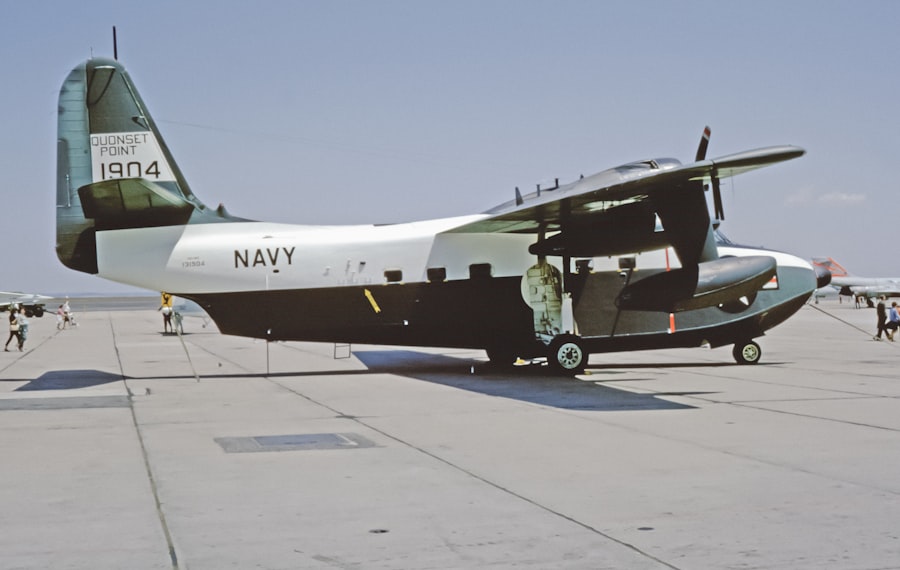
The effectiveness of US Navy Special Missions hinges on a potent combination of cutting-edge technology and intensely rigorous training. These operators are not simply soldiers; they are highly specialized assets, honed by years of dedicated preparation.
Advanced Technologies and Equipment
The clandestine nature of these missions necessitates the use of technologies that enhance stealth, survivability, and operational effectiveness. The operators are the apex predators of their domain, and their tools are commensurate.
Advanced Submersible and Infiltration Craft
From advanced mini-submarines designed for covert insertion to high-speed, low-observable craft for rapid deployment, naval special missions leverage a suite of specialized platforms for maritime access.
Sophisticated Communication and Surveillance Gear
Secure and resilient communication systems, advanced intelligence gathering tools, and discreet surveillance equipment are essential for maintaining operational security and situational awareness in denied environments.
Specialized Weapons and Munitions
Operators are equipped with a range of specialized firearms, breaching tools, and non-lethal options tailored to the demands of their diverse mission sets. The selection of ordnance is as precise as the mission itself.
The Crucible of Training: Forging Elite Operators
The training regimen for US Navy Special Missions is widely recognized as one of the most demanding in the world. It is a process designed to break down and rebuild individuals into a cohesive, highly effective fighting force.
Basic Underwater Demolition/SEAL (BUD/S) Training
The legendary BUD/S program is the gateway for aspiring SEALs, pushing candidates to their absolute physical and mental limits through a series of hellish evolutions designed to instill discipline, teamwork, and resilience.
Advanced Tactical Training and Mission Rehearsals
Beyond BUD/S, operators undergo continuous advanced training in areas such as close-quarters combat, special reconnaissance, tactical driving, and complex mission simulations that mirror real-world operational scenarios.
Continuous Skill Development and Specialization
Operators often specialize in areas like diving, parachuting, demolitions, or advanced medical techniques, ensuring a deep bench of expertise within the units. This continuous refinement is the lifeblood of their operational success.
Strategic Imperatives and Declassified Operations
The decision to declassify information regarding US Navy Special Missions is a calculated one, often serving strategic objectives ranging from deterrence to historical clarification. These revelations are not arbitrary; they are carefully curated glimpses into the shadows.
Deterrence and Message Projection
The declassification of certain operations can serve as a powerful deterrent to potential adversaries, signaling the nation’s capabilities and resolve to act decisively in defense of its interests. It is a silent roar across the geopolitical landscape.
Publicizing Past Successes
Highlighting past successes, even years or decades later, can reinforce the image of a capable and formidable naval force, influencing the calculations of other nations.
Demonstrating Red Lines
The revelation of interventions in specific scenarios can serve to communicate implicit red lines and the consequences of crossing them.
Historical Accountability and Public Understanding
In some instances, declassification aims to provide a more complete and accurate historical record, allowing for greater public understanding of past conflicts and the roles played by specialized units.
Correcting Misconceptions
Declassification can offer a more nuanced perspective on events that may have been previously misunderstood or misrepresented.
Acknowledging Sacrifice and Service
It provides an opportunity to acknowledge the often-unsung sacrifices and contributions of the individuals who have served in these demanding roles.
The recent declassification of US Navy special missions has shed light on some of the most secretive operations in military history. This revelation not only highlights the bravery and skill of Navy personnel but also raises questions about the implications of such missions on national security. For those interested in exploring this topic further, a related article can be found at In The War Room, which delves into the intricacies of these operations and their impact on modern warfare.
Challenges and the Future of Naval Special Missions
| Mission Name | Year Declassified | Objective | Outcome | Units Involved |
|---|---|---|---|---|
| Operation Ivy Bells | 1990 | Wiretapping Soviet underwater communication cables | Successful intelligence gathering for several years | SEAL Team 6, Submarine USS Halibut |
| Operation Neptune Spear | 2012 | Capture or kill Osama bin Laden | Osama bin Laden killed, mission success | SEAL Team 6 (DEVGRU) |
| Operation Red Wings | 2005 | Reconnaissance and targeting of Taliban leaders | Mission compromised, heavy casualties | SEAL Team 10 |
| Operation Trident | 1991 | Mine clearance in Persian Gulf during Gulf War | Successful clearance of naval mines | Navy Explosive Ordnance Disposal (EOD) Teams |
| Operation Just Cause | 1990 | Invasion of Panama to depose Manuel Noriega | Successful capture of Noriega | SEAL Teams, Special Boat Units |
The landscape of global security is in constant flux, presenting new and evolving challenges for US Navy Special Missions. The very nature of their clandestine operations means they must remain adaptable and forward-looking.
Evolving Threats and the Need for Agility
As state and non-state actors adapt their tactics, naval special missions must likewise evolve, remaining agile and prepared to counter new forms of warfare and asymmetric threats. The battlefield is a restless sea, and they must navigate its changing currents.
Cyber Warfare and Special Missions
The integration of cyber capabilities into special missions is becoming increasingly crucial, enabling operations in the digital domain as well as the physical.
Countering Hybrid Warfare
The rise of hybrid warfare, blending conventional, irregular, and cyber tactics, demands a sophisticated and integrated response from special operations forces.
Maintaining Secrecy in an Information Age
The challenge of maintaining operational security and secrecy in an increasingly interconnected and transparent world is a significant hurdle for clandestine operations. The digital whispers of the world can be a dangerous adversary.
Information Operations and Counter-Intelligence
Developing robust strategies for information operations and counter-intelligence is paramount to protecting sensitive missions and personnel.
The Ethical Considerations of Covert Action
As the scope and impact of special missions are revealed, ongoing ethical considerations surrounding the use of covert force and intelligence gathering will continue to be a subject of debate and discussion.
In conclusion, declassified US Navy Special Missions offer a fascinating, albeit incomplete, view into the shadowy world of covert naval operations. They underscore the Navy’s capacity to project power and influence beyond the conventional, acting as the nation’s silent guardians in an often-unseen theater of operations. The continued evolution of these missions, driven by technological advancements and a dynamic geopolitical environment, ensures their relevance and importance in safeguarding national interests for the foreseeable future.
FAQs
What are US Navy Special Missions?
US Navy Special Missions refer to highly classified operations conducted by specialized units within the Navy, such as the Navy SEALs and other special warfare groups. These missions often involve reconnaissance, direct action, counterterrorism, and intelligence gathering.
What does “declassified” mean in the context of US Navy Special Missions?
“Declassified” means that previously secret or confidential information about US Navy Special Missions has been officially released to the public. This can include details about specific operations, tactics, or equipment that were once restricted for national security reasons.
Why are some US Navy Special Missions kept classified?
Many US Navy Special Missions are kept classified to protect operational security, safeguard the lives of personnel involved, maintain tactical advantages, and prevent sensitive information from falling into the hands of adversaries.
How does the declassification of special missions impact public knowledge?
Declassification allows the public, historians, and researchers to gain insight into the capabilities, history, and strategic importance of US Navy Special Missions. It can also enhance transparency and provide recognition for the service members involved.
Where can one find declassified information about US Navy Special Missions?
Declassified information can be found through official government releases, archives such as the National Archives, military history publications, and authorized documentaries or books that have been vetted for security clearance.