The United States Navy’s involvement in special missions extends back decades, often operating under an umbrella of secrecy that has only recently begun to lift. These operations, distinct from conventional naval warfare, encompass a broad spectrum of activities ranging from reconnaissance and intelligence gathering to direct action and unconventional warfare. The very nature of “special missions” implies a degree of sensitive and high-stakes operations performed by highly trained personnel, frequently outside typical military doctrines.
The conceptualization of specialized naval units for unconventional warfare predates many modern iterations. During World War II, the need for naval forces capable of infiltration, sabotage, and reconnaissance in challenging littoral and riverine environments became evident.
Early Precursors: The Amphibious Scouts and Raiders
The Amphibious Scouts and Raiders, formed in 1943, were among the earliest units to fulfill a special missions role for the Navy. Their primary function was to reconnoiter enemy beaches and coastlines before major amphibious assaults, providing critical intelligence on terrain, defenses, and obstacles. These pioneering efforts laid a foundational understanding of the expertise required for operations beyond direct combat. Their activities, though often overshadowed by larger landing operations, were crucial in minimizing casualties and maximizing the effectiveness of landing forces. The scouts and raiders demonstrated the value of small, highly skilled teams operating with stealth and precision.
Post-War Evolution: UDTs and the Shadow of the Cold War
Following World War II, the capabilities developed by units like the Scouts and Raiders were refined and adapted. The Underwater Demolition Teams (UDTs), established in 1943, continued to play a vital role, particularly during the Korean War. Their perilous work involved clearing underwater obstacles and demolishing fortifications, often under enemy fire, to facilitate amphibious landings. The UDTs were the direct progenitors of modern naval special warfare. The Cold War era further emphasized the need for specialized units capable of clandestine operations in a rapidly changing geopolitical landscape. This period saw a significant expansion in the scope and complexity of naval special missions, driven by heightened global tensions and the advent of new technologies. The UDTs, initially focused on demolition, began to broaden their capabilities to include reconnaissance and intelligence gathering from maritime environments.
The declassification of special missions undertaken by the US Navy has shed light on some of the most covert operations in military history. For those interested in exploring this topic further, a related article can be found at In the War Room, which delves into the intricacies and implications of these missions, providing insights into the strategic importance of naval operations throughout various conflicts.
The Rise of Navy SEALs and Modern Special Warfare
The formal establishment of the Navy SEALs (Sea, Air, Land) in 1962 marked a significant turning point in U.S. naval special operations. Conceived during the Kennedy administration, the SEALs were designed to operate in all environments, combining the maritime expertise of the UDTs with advanced capabilities in land and air operations.
Vietnam and the Shaping of a Force
The Vietnam War provided the SEALs with their first major operational testing ground. Their engagements in riverine warfare, intelligence gathering, and direct action against Viet Cong infrastructure cemented their reputation for effectiveness and adaptability. Operations in the Mekong Delta, often conducted under extreme conditions, showcased their mastery of unconventional tactics. They operated deep behind enemy lines, conducting reconnaissance patrols, ambushes, and specialized raids. The lessons learned in Vietnam profoundly shaped SEAL doctrine and training, emphasizing self-sufficiency, ingenuity, and a relentless pursuit of objectives. The demanding jungle environment forced units to innovate constantly, adapting equipment and tactics to the unique challenges presented.
Expanding Horizons: Counter-Terrorism and Global Proliferation
Following Vietnam, the SEALs continued to evolve, taking on increasingly diverse roles. The rise of international terrorism in the 1970s and 1980s prompted a significant shift in focus towards counter-terrorism operations. This era saw the development of highly specialized tactics and advanced training methodologies aimed at hostage rescue, direct action, and combating terrorist networks globally. The complexities of asymmetric warfare required a different approach than traditional military engagements. The SEALs were positioned at the forefront of this new challenge, honing their skills in urban environments, maritime interdiction, and intelligence-driven operations. This period saw the integration of advanced weaponry, communication systems, and intelligence techniques into their operational framework.
Declassified Operations and Public Disclosure
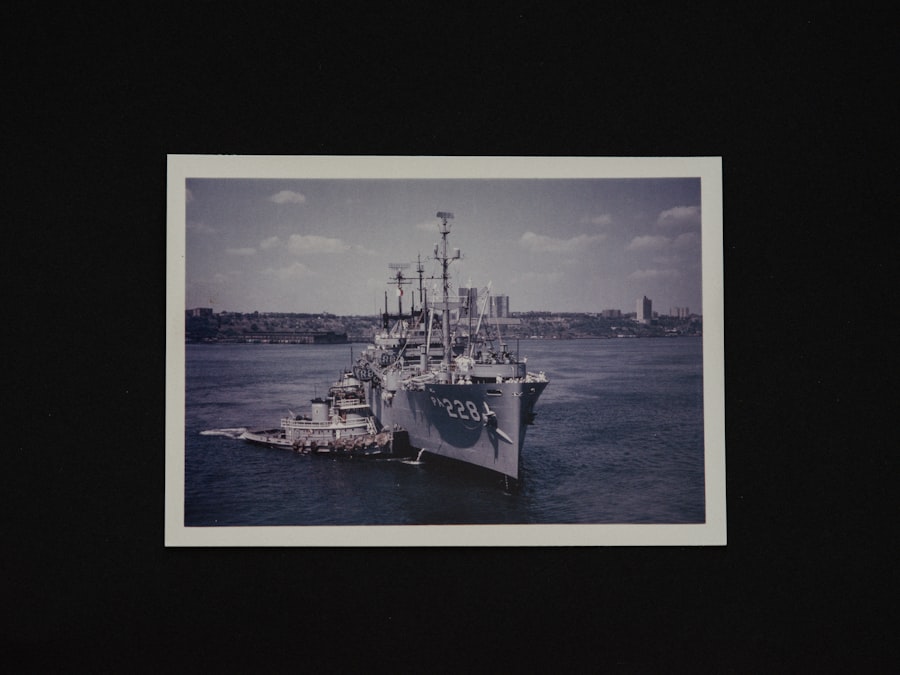
Throughout much of their history, the precise details of many special naval missions remained classified, shrouded in operational necessity and national security interests. However, with the passage of time and the strategic declassification of certain documents, a clearer, though still incomplete, picture has emerged.
Operation Eagle Claw: A Sobering Lesson
While many missions remain secret, some failures or highly publicized events have inevitably drawn attention to the nature of special operations. Operation Eagle Claw in 1980, the attempt to rescue American hostages in Iran, serves as a stark reminder of the complexities and inherent risks. Though ultimately unsuccessful due to unforeseen mechanical failures and logistical challenges, the post-mortem analysis of Eagle Claw highlighted critical areas for improvement in inter-service cooperation and special operations doctrine. It was a crucible for future joint special operations planning and execution, demonstrating that even the most elite forces could be undermined by systemic issues. The lessons learned from this operation directly led to significant reforms within the U.S. special operations community, emphasizing unified command and control.
The Capture of Somali Pirates: A Showcase of Precision
In stark contrast, the successful rescue of Captain Richard Phillips from Somali pirates in 2009 demonstrated the pinnacle of modern naval special operations. The precision synchronized efforts of Navy SEAL snipers, operating from a moving vessel, to neutralize the hostage-takers and secure Captain Phillips, captivated the world. This operation exemplified the high degree of skill, tactical proficiency, and unwavering resolve that defines these units. It was a testament to years of rigorous training and technological advancement, highlighting the ability of special operations forces to execute complex missions under extreme pressure. The swift and decisive action prevented a protracted hostage situation, showcasing the deterrent power of a highly capable special operations force.
Unconventional Warfare and Psychological Operations
Beyond direct action and reconnaissance, naval special missions also encompass the less kinetic, but equally critical, realm of unconventional warfare and psychological operations. These activities aim to influence foreign populations, disrupt enemy operations through non-traditional means, and support resistance movements.
Foreign Internal Defense (FID) and Security Force Assistance (SFA)
A significant component of naval special operations involves Foreign Internal Defense (FID) and Security Force Assistance (SFA). These missions involve training and advising indigenous military and paramilitary forces to counter internal threats such or external aggression. The goal is to build partner capacity, enabling host nations to manage their own security challenges effectively, thereby reducing the need for direct U.S. intervention. This approach is often described as a “light footprint” strategy, focusing on long-term partnerships and sustainable security solutions. Navy SEALs and other special operations forces deploy globally to conduct these missions, sharing their expertise in tactics, logistics, intelligence, and command and control. These sustained engagements often occur in politically sensitive and culturally complex environments, requiring a nuanced understanding of local dynamics.
Information Warfare and Influence Operations
Naval special missions also delve into the domain of information warfare and influence operations. These activities involve the strategic use of information to achieve specific objectives, whether by countering enemy propaganda, building support for U.S. policy, or subtly shaping perceptions. This can involve a variety of tactics, from radio broadcasts and leaflet drops to sophisticated cyber operations and social media engagement. The objective is to win hearts and minds, or conversely, to destabilize adversaries through non-lethal means. The digital age has greatly expanded the scope and complexity of these operations, requiring specialized skills in data analysis, linguistics, and cross-cultural communication. The impact of information warfare can be profound, shaping narratives and influencing public opinion on a global scale.
The recent declassification of US Navy special missions has shed light on some of the most covert operations in military history. For those interested in a deeper exploration of these missions, a related article provides fascinating insights into the strategies and technologies used by the Navy. You can read more about this intriguing topic in the article found here, which delves into the implications of these revelations and their impact on modern naval warfare.
The Future of Naval Special Missions
| Mission Name | Year Declassified | Objective | Outcome | Location |
|---|---|---|---|---|
| Operation Ivy Bells | 1995 | Wiretapping Soviet underwater communication cables | Successful intelligence gathering | Bering Sea |
| Operation Neptune Spear | 2012 | Capture/kill Osama bin Laden | Mission successful, bin Laden killed | Abbottabad, Pakistan |
| Operation Red Wings | 2007 | Reconnaissance and targeting Taliban leaders | Mission compromised, heavy casualties | Kunar Province, Afghanistan |
| Operation Trident Juncture | 2018 | Joint NATO maritime exercises | Successful multinational cooperation | Norwegian Sea |
| Operation Praying Mantis | 1990 | Retaliation against Iranian naval forces | US naval victory, damaged Iranian assets | Persian Gulf |
The landscape of global security is in constant flux, presenting new and complex challenges for naval special operations. Adaptability, advanced technology, and a continued emphasis on human capital will remain paramount.
Cyber Warfare and Maritime Security
The rise of cyber warfare and the persistent threat of piracy and maritime terrorism continually shape the evolution of special naval units. Expect to see increased integration of cyber capabilities within special operations forces, not only for offensive purposes but also for defensive measures protecting critical maritime infrastructure and national assets. The growing reliance on interconnected systems presents both vulnerabilities and opportunities in the information domain. Maritime security remains a critical component, with units continuously adapting to counter evolving threats ranging from illicit trafficking to unconventional naval attacks. The interconnectedness of global supply chains and the vastness of the world’s oceans make maritime security a perpetually complex challenge.
Interagency Cooperation and Global Partnerships
The future will also see an even greater emphasis on interagency cooperation and global partnerships. The complex nature of modern conflicts often necessitates a multi-faceted approach involving intelligence agencies, diplomatic entities, and military forces from allied nations. Special naval operations frequently serve as a crucial bridge in these partnerships, fostering trust and operational synergy among diverse organizations. The exchange of intelligence, shared training exercises, and joint deployments will continue to enhance collective security and effectiveness against transnational threats. This collaborative model recognizes that no single entity can effectively address the myriad of challenges facing the international community. The metaphor of a finely woven tapestry comes to mind, where each thread, though distinct, contributes to the strength and integrity of the whole.
Maintaining the Edge: Training and Innovation
Ultimately, the competitive advantage of naval special missions will always hinge on relentless training and continuous innovation. The pursuit of cutting-edge technology, while important, is secondary to the capabilities of the individual operator. The human element – courage, ingenuity, resilience, and adaptability – remains the bedrock of their success. Training regimens are constantly updated to reflect current threats and anticipate future challenges, pushing the limits of physical and mental endurance. From advanced combat techniques to specialized language skills and cultural immersion, the investment in human capital is substantial. This commitment ensures that naval special operations forces remain at the forefront of global security challenges, ready to respond to the unexpected with silent professionalism.
FAQs
What are US Navy Special Missions?
US Navy Special Missions refer to highly classified operations conducted by specialized naval units, such as the Navy SEALs and other special warfare groups, focusing on tasks like reconnaissance, direct action, counterterrorism, and intelligence gathering.
Why were some US Navy Special Missions declassified?
Certain US Navy Special Missions were declassified to provide historical transparency, acknowledge the contributions of service members, and allow public understanding of significant military operations that were previously kept secret for national security reasons.
Which units are primarily involved in US Navy Special Missions?
The primary units involved in US Navy Special Missions include the Navy SEALs (Sea, Air, and Land Teams), Special Warfare Combatant-craft Crewmen (SWCC), and other specialized naval forces trained for covert and high-risk operations.
How does declassification impact the understanding of US Navy Special Missions?
Declassification allows historians, researchers, and the public to gain insight into the tactics, challenges, and successes of these missions, contributing to a more comprehensive understanding of military history and the evolution of naval special operations.
Are all US Navy Special Missions eventually declassified?
No, not all US Navy Special Missions are declassified. Many remain classified indefinitely to protect ongoing operations, sensitive tactics, intelligence sources, and national security interests. Declassification decisions are made on a case-by-case basis.