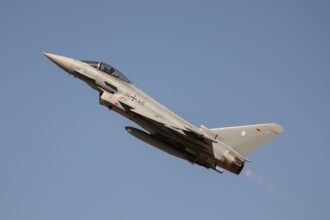
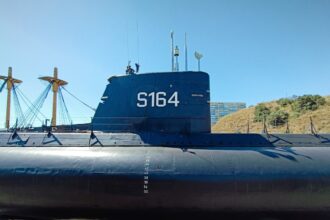
The Soviet Navy served as a central element of the Soviet Union’s military strategy during the Cold War period. As geopolitical tensions intensified between the United States and Soviet Union, the Navy received missions encompassing both the protection of Soviet maritime territories and global power projection. Soviet leadership determined that substantial naval capabilities were necessary for establishing influence in strategic regions, including the Mediterranean Sea, Arctic Ocean, and Pacific Ocean.
This emphasis on naval development reflected a comprehensive military doctrine aimed at countering American naval dominance. During the Cold War era, the Soviet Navy experienced extensive organizational and technological changes, transitioning from a force primarily focused on coastal defense to a blue-water navy with global operational capacity. This evolution involved the construction of advanced submarine fleets, aircraft carriers, and surface vessels specifically designed to compete with U.S.
naval forces. Soviet leadership allocated significant resources to naval technology development and infrastructure expansion, demonstrating their commitment to establishing comprehensive maritime capabilities. The Navy’s responsibilities extended beyond defensive operations to include support for ground forces during military engagements and participation in maritime diplomatic initiatives designed to enhance the Soviet Union’s international position.
Key Takeaways
- The Soviet Navy played a crucial strategic role during the Cold War, influencing global naval power dynamics.
- Declassified documents have unveiled previously unknown top secret missions and naval operations.
- Soviet naval capabilities and technology were central to the Cold War arms race and military innovation.
- Espionage, intelligence, and diplomatic communications were key components of Soviet naval strategy.
- Insights from declassified materials have reshaped understanding of events like the Cuban Missile Crisis and the Soviet Navy’s legacy.
Declassified Documents: What They Reveal
The release of declassified documents has provided historians and researchers with invaluable insights into the inner workings of the Soviet Navy during the Cold War. These documents reveal not only strategic plans and operational directives but also the political context in which naval decisions were made. They shed light on the motivations behind naval expansions, the challenges faced by naval commanders, and the intricate relationships between military and political leaders.
The insights gained from these documents have significantly enriched the understanding of how the Soviet Navy functioned within the broader framework of Cold War dynamics. Among the most striking revelations from these declassified materials is the extent to which naval operations were influenced by political considerations. The documents illustrate how naval leaders often had to navigate complex political landscapes, balancing military objectives with the demands of party officials.
Additionally, they highlight instances where intelligence failures or miscalculations led to significant operational setbacks. By examining these documents, scholars can piece together a more nuanced narrative of the Soviet Navy’s role in global affairs, moving beyond simplistic portrayals of a monolithic military force.
Top Secret Missions and Operations
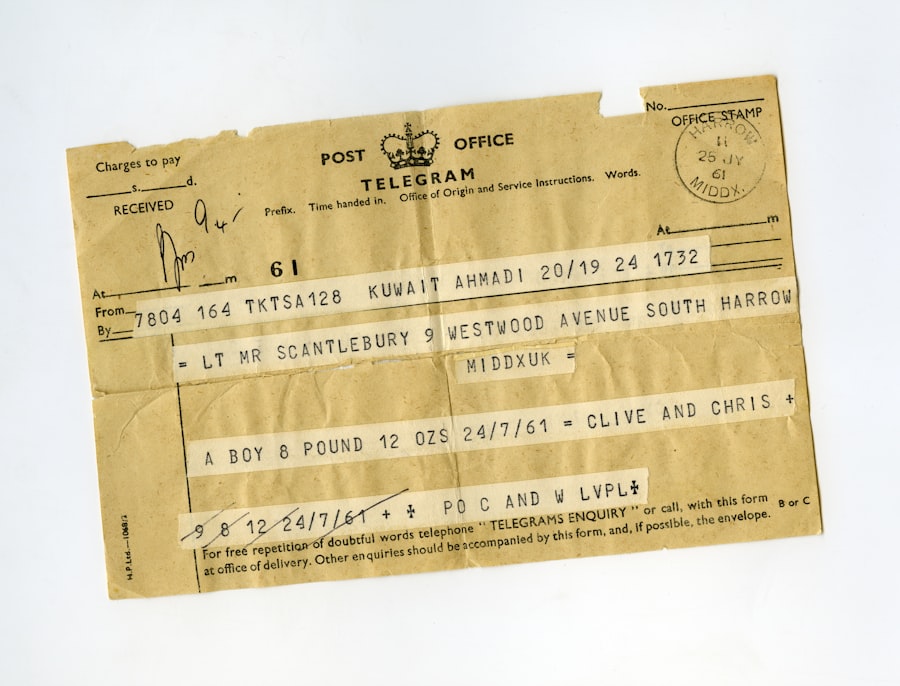
The Cold War era was marked by numerous top-secret missions and operations conducted by the Soviet Navy, many of which remain shrouded in mystery even decades later. These clandestine activities were often aimed at gathering intelligence, conducting surveillance, or demonstrating military prowess in strategic regions. One notable operation involved the deployment of submarines to monitor U.S.
naval movements in the Atlantic and Pacific Oceans. These missions were fraught with risk, as they required navigating hostile waters while avoiding detection by American forces. Another significant aspect of these secret operations was the use of naval assets in support of espionage activities.
The Soviet Navy often collaborated with intelligence agencies to facilitate covert missions that involved gathering sensitive information from enemy territories. This included deploying submarines equipped with advanced listening devices to intercept communications or conducting reconnaissance missions near U.S. naval bases.
The success of these operations depended on meticulous planning and execution, as any misstep could lead to diplomatic crises or military confrontations.
The Arms Race: Soviet Naval Capabilities
The arms race between the United States and the Soviet Union extended into naval capabilities, with both superpowers striving to outdo each other in terms of technological advancements and fleet size. The Soviet Navy focused on developing a diverse array of vessels, including nuclear-powered submarines, guided missile cruisers, and advanced destroyers. This emphasis on technological innovation was driven by a desire to counterbalance U.S.
naval superiority and ensure that the Soviet Union could project power effectively across global waters. One of the most significant developments during this period was the introduction of ballistic missile submarines (SSBNs), which allowed the Soviet Navy to maintain a credible second-strike capability against potential adversaries. These submarines were designed to remain undetected while carrying nuclear missiles capable of striking targets far from their home shores.
The deployment of SSBNs marked a turning point in naval warfare, as it fundamentally altered the strategic calculus of deterrence during the Cold War. The arms race not only fueled competition between the two superpowers but also led to an unprecedented level of investment in naval technology and infrastructure.
Cold War Naval Espionage and Intelligence
| Document Title | Year Declassified | Type of Document | Key Metrics | Significance |
|---|---|---|---|---|
| Operational Readiness Reports | 1995 | Report | Fleet readiness: 75%, Submarine patrol hours: 12,000/year | Provided insight into Soviet naval operational capabilities during the Cold War |
| Submarine Design Blueprints | 2001 | Technical Document | Number of submarines designed: 15, Max depth: 600 meters | Revealed technological advancements in Soviet submarine engineering |
| Naval Engagement Logs | 1998 | Logbook | Engagements recorded: 23, Losses: 2 ships, Enemy contacts: 45 | Detailed Soviet naval encounters and tactical decisions |
| Shipbuilding Program Records | 2003 | Program Document | Ships constructed: 120, Budget allocation: Classified | Outlined the scale and priorities of Soviet naval expansion |
| Communication Intercepts | 1997 | Intelligence Report | Intercepted messages: 500+, Decoded messages: 450 | Provided intelligence on Soviet naval communication protocols |
Naval espionage played a critical role in shaping Cold War dynamics, with both sides engaging in covert operations to gather intelligence on each other’s capabilities and intentions. The Soviet Navy was no exception; it employed various methods to monitor U.S. naval activities and assess potential threats.
This included deploying submarines for reconnaissance missions, utilizing aerial surveillance, and intercepting communications through advanced listening technologies. The intelligence gathered through these efforts was vital for informing strategic decisions within the Soviet military hierarchy. It allowed Soviet leaders to better understand U.S.
naval deployments, assess vulnerabilities, and develop countermeasures accordingly. However, espionage also carried significant risks; instances of detection could lead to diplomatic tensions or military confrontations. The delicate balance between gathering intelligence and maintaining operational security became a defining feature of Cold War naval operations.
Soviet Naval Strategies and Tactics
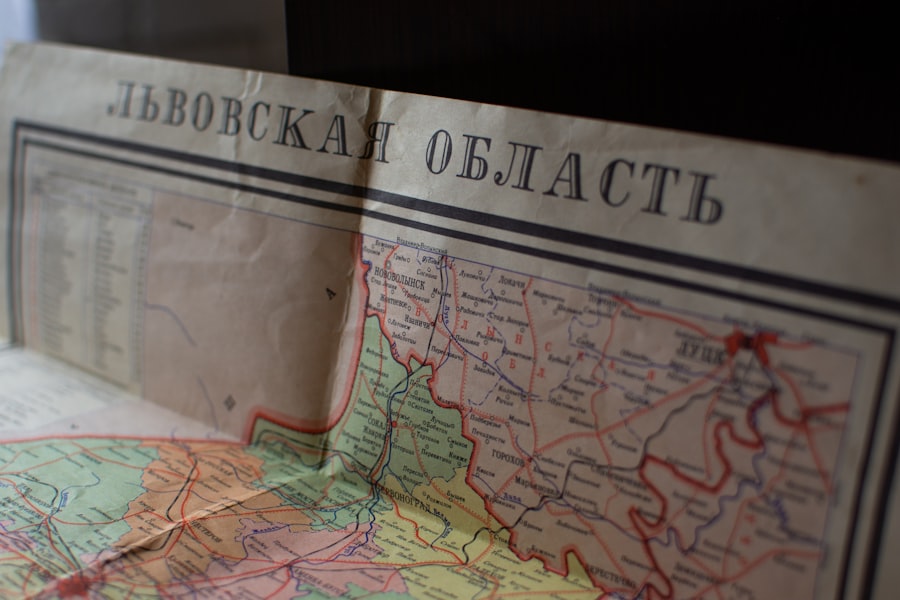
Soviet naval strategies during the Cold War were characterized by a combination of offensive and defensive postures aimed at countering perceived threats from NATO forces. The Navy’s primary objective was to protect Soviet maritime interests while simultaneously projecting power into contested regions. This dual focus necessitated a range of tactics that included fleet maneuvers, joint exercises with allied forces, and strategic deployments designed to deter adversaries.
One notable aspect of Soviet naval strategy was its emphasis on asymmetric warfare tactics. Recognizing that it could not match U.S. naval forces in terms of sheer numbers or technological sophistication, the Soviet Navy sought to exploit its strengths through unconventional means.
This included employing fast attack craft, anti-ship missiles, and submarines to disrupt larger enemy fleets. By leveraging these tactics, the Soviet Navy aimed to create a formidable deterrent that could challenge U.S. naval operations without engaging in direct confrontation.
The Cuban Missile Crisis: Insights from Declassified Documents
The Cuban Missile Crisis stands as one of the most critical moments in Cold War history, and declassified documents have provided new insights into the role of the Soviet Navy during this tense standoff. As tensions escalated between the United States and Cuba, the Soviet Navy was tasked with supporting military operations aimed at reinforcing Cuba’s defenses and deterring U.S. intervention. These documents reveal how naval leaders coordinated closely with political authorities to navigate this precarious situation. One key revelation from these documents is the extent to which naval assets were mobilized during the crisis. The deployment of ships and submarines to Cuban waters was part of a broader strategy to demonstrate Soviet resolve while simultaneously providing support to Cuban forces. However, internal communications also highlight concerns among naval commanders regarding potential escalation into direct conflict with U.S. forces. The insights gleaned from these declassified materials underscore the complex interplay between military strategy and political decision-making during one of history’s most dangerous moments.
Declassified Naval Communications and Diplomacy
Declassified naval communications have shed light on how diplomacy intersected with military operations during the Cold War. These documents reveal that naval leaders often engaged in direct communication with political authorities to coordinate responses to emerging crises or diplomatic initiatives. This close collaboration was essential for ensuring that military actions aligned with broader foreign policy objectives.
Moreover, these communications illustrate how naval diplomacy played a crucial role in managing tensions between superpowers. Instances where naval leaders sought to de-escalate potential conflicts through dialogue or negotiation highlight the importance of communication channels in preventing misunderstandings that could lead to military confrontations. The insights gained from these declassified materials emphasize that while military might was a key component of Cold War strategy, diplomacy remained an essential tool for navigating complex geopolitical landscapes.
Soviet Naval Technology and Innovation
Soviet naval technology underwent rapid advancements during the Cold War as part of an overarching effort to compete with U.S. capabilities. The development of nuclear-powered submarines marked a significant milestone in this technological race, allowing for extended underwater operations without the need for frequent refueling.
This innovation not only enhanced operational flexibility but also contributed to a more formidable deterrent posture against potential adversaries. In addition to nuclear propulsion, advancements in missile technology transformed naval warfare during this period.
Furthermore, innovations in radar and sonar technology improved detection capabilities, enabling more effective surveillance and reconnaissance operations.
The Legacy of the Soviet Navy in Modern Naval Warfare
The legacy of the Soviet Navy continues to influence modern naval warfare strategies around the world. Many concepts developed during the Cold War—such as asymmetric warfare tactics, submarine warfare strategies, and missile technology—remain relevant today as navies adapt to evolving threats and challenges in maritime environments. The emphasis on stealth and precision strikes has become increasingly important in contemporary naval operations, reflecting lessons learned from past conflicts.
Moreover, the technological innovations pioneered by the Soviet Navy have had lasting impacts on global naval capabilities. Many nations have adopted or adapted these technologies for their own fleets, leading to a proliferation of advanced naval systems worldwide. As modern navies grapple with new challenges such as cyber warfare and hybrid threats, they continue to draw upon historical experiences from the Cold War era, including those shaped by the strategies and tactics employed by the Soviet Navy.
The Impact of Declassified Documents on Cold War History
The release of declassified documents has profoundly impacted our understanding of Cold War history, particularly regarding military operations like those conducted by the Soviet Navy. These materials have allowed historians to reconstruct events with greater accuracy and nuance, revealing complexities that were previously obscured by state secrecy. By providing access to internal communications, strategic plans, and operational directives, declassified documents have enriched historical narratives surrounding key events.
Furthermore, these revelations have prompted reevaluations of long-held assumptions about Cold War dynamics and decision-making processes within both superpowers. Scholars can now analyze how military strategies were influenced by political considerations and how miscalculations or intelligence failures shaped outcomes during critical moments like the Cuban Missile Crisis or various proxy conflicts around the globe. Ultimately, declassified documents serve as vital resources for understanding not only the actions of the Soviet Navy but also their broader implications for international relations during one of history’s most tumultuous periods.
Recent revelations from declassified Soviet Navy documents have shed light on the strategic operations and naval capabilities of the USSR during the Cold War. These documents provide a fascinating glimpse into the maritime strategies employed by Soviet forces and their implications for global naval power dynamics. For a deeper understanding of the historical context and implications of these findings, you can read more in this related article on In The War Room.
WATCH THIS 🛑 The Submarine Captain Who Said NO to Nuclear War
FAQs
What are declassified Soviet Navy documents?
Declassified Soviet Navy documents are official records, reports, and communications from the Soviet Navy that have been released to the public after being classified for security reasons. These documents provide insights into naval operations, strategies, technologies, and historical events during the Soviet era.
When were these Soviet Navy documents declassified?
The declassification of Soviet Navy documents has occurred gradually since the dissolution of the Soviet Union in 1991. Various documents have been released at different times by Russian government agencies and archives, with some becoming available to researchers and the public in the 1990s and continuing into the 21st century.
What kind of information can be found in declassified Soviet Navy documents?
These documents may include information on naval ship designs, submarine operations, naval exercises, strategic planning, intelligence reports, personnel records, and details about Cold War naval engagements. They can also reveal technological developments and the Soviet Navy’s role in global military strategy.
Where can one access declassified Soviet Navy documents?
Declassified documents can be accessed through national archives, such as the Russian State Naval Archives, academic institutions, and online databases specializing in Cold War history. Some documents have also been published in books or made available through freedom of information requests.
Why are declassified Soviet Navy documents important for historical research?
These documents provide primary source material that helps historians and researchers understand the Soviet Navy’s capabilities, strategies, and impact during the Cold War. They contribute to a more accurate and comprehensive understanding of naval history and international relations during that period.
Are all Soviet Navy documents declassified and available to the public?
No, not all Soviet Navy documents have been declassified. Many remain classified due to national security concerns, sensitive information, or diplomatic reasons. Access to some documents may be restricted or require special permissions.
How reliable are declassified Soviet Navy documents?
While declassified documents are valuable historical sources, they should be analyzed critically. Some documents may contain propaganda, errors, or incomplete information. Cross-referencing with other sources is recommended for accurate historical interpretation.
Have declassified Soviet Navy documents revealed any significant historical events?
Yes, some declassified documents have shed light on previously unknown naval incidents, espionage activities, technological advancements, and strategic decisions during the Cold War. These revelations have contributed to a deeper understanding of Soviet military history and global naval dynamics.