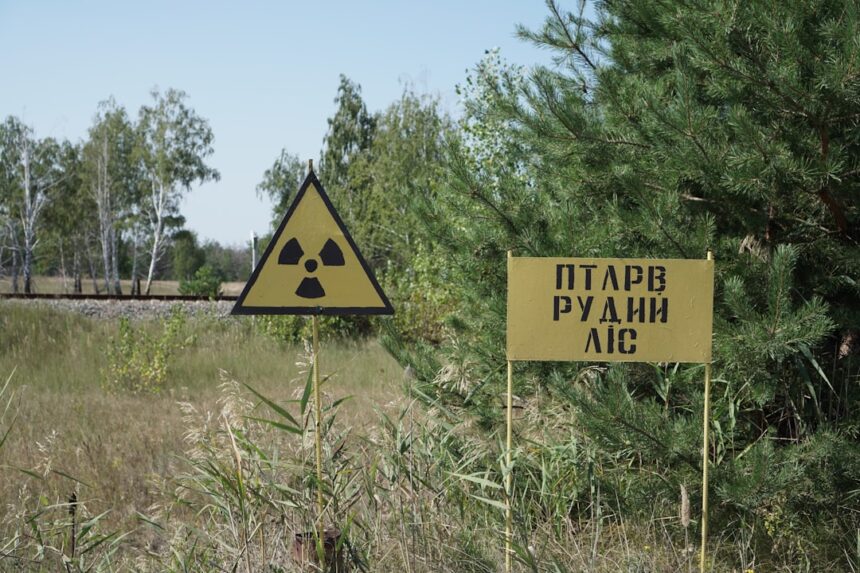
Nuclear technology, a force capable of both immense destruction and profound progress, has long been shrouded in an aura of secrecy. For decades, governments around the world have guarded information pertaining to its development and applications, citing national security as their primary concern. However, in recent years, a shift has begun. Declassification efforts, fueled by historical inquiry and a growing public right-to-know, are slowly lifting the veil on the hidden secrets of nuclear tech. This article delves into some of these unearthed revelations, exploring the multifaceted journey of nuclear science from its clandestine origins to its evolving global impact.
The genesis of nuclear technology lies in the fundamental understanding of atomic structure and the forces that bind its nucleus. Early 20th-century physics, characterized by groundbreaking discoveries like radioactivity and the nature of subatomic particles, laid the theoretical groundwork. The potential for harnessing the immense energy locked within the atom, however, remained largely theoretical until the crucible of World War II.
The Manhattan Project: A Race Against Time
The Manhattan Project, initiated by the United States in 1942, stands as a monumental undertaking in the history of nuclear technology. It was a colossal scientific and industrial endeavor, spurred by the fear that Nazi Germany was developing its own atomic weapon. A vast network of scientists, engineers, and technicians, working in utmost secrecy across numerous sites, including Los Alamos in New Mexico, Oak Ridge in Tennessee, and Hanford in Washington State, were tasked with a singular, formidable goal: to build and detonate the world’s first atomic bomb.
Unveiling Key Scientific Breakthroughs
- Fission and Chain Reactions: The discovery of nuclear fission, the splitting of an atom’s nucleus, was the linchpin of the atomic bomb’s design. Scientists like Otto Hahn and Fritz Strassmann, and later Enrico Fermi, demonstrated that when a heavy nucleus (like uranium-235) absorbs a neutron, it can split into lighter nuclei, releasing a tremendous amount of energy and more neutrons. This discovery opened the door to the concept of a self-sustaining chain reaction, where the neutrons released by one fission event trigger further fission events, leading to an explosive release of energy.
- Isotope Separation: Obtaining fissile material, primarily enriched uranium-235 or plutonium-239, was a significant hurdle. Natural uranium consists mainly of uranium-238, which is not readily fissile. Thus, complex and energy-intensive processes were developed to separate the fissile isotope, U-235, from the more abundant U-238. This included gaseous diffusion at Oak Ridge and electromagnetic separation.
- Plutonium Production: An alternative fissile material, plutonium-239, was also pursued. This involved bombarding uranium-238 in a nuclear reactor, which would then transmute into plutonium-239. The development of the first self-sustaining nuclear reactor, the Chicago Pile-1, by Enrico Fermi’s team in 1942 was a critical step in this process, proving that a controlled chain reaction was possible.
The Ethical Quandaries of a New Weapon
The very existence of the Manhattan Project and its eventual success raised profound ethical questions that continue to resonate. The decision to use atomic bombs on Hiroshima and Nagasaki in August 1945, while ending World War II and saving untold Allied lives according to proponents, also ushered in an era of unprecedented destruction, leaving a legacy of suffering and debate. Declassified documents shed light on the internal discussions and calculations surrounding this momentous decision, revealing the immense pressure and the heavy moral burden carried by those involved.
Recent developments in the field of nuclear technology have shed light on previously classified secrets, revealing the intricate history and implications of nuclear research. An insightful article that delves deeper into this topic can be found at In the War Room, where experts discuss the impact of these declassified documents on current nuclear policy and international relations. This exploration not only highlights the advancements in nuclear technology but also raises important questions about transparency and security in a world where such powerful knowledge exists.
Beyond the Bomb: Peaceful Applications of Nuclear Energy
While the destructive potential of nuclear technology captured global attention, the scientific community also recognized its capacity for beneficial applications. The energy released from controlled nuclear reactions offered a powerful new source for electricity generation, and the unique properties of radioactive isotopes found widespread use in medicine, industry, and scientific research.
Nuclear Power: A Double-Edged Sword for Energy Production
The promise of abundant, carbon-free energy propelled the development of nuclear power plants. These facilities harness the heat generated from controlled nuclear fission reactions to produce steam, which then drives turbines to generate electricity. This technology offers a significant advantage in combating climate change, providing a stable and reliable energy source that doesn’t emit greenhouse gases.
The Evolution of Reactor Designs
- Pressurized Water Reactors (PWRs): The most common type of nuclear reactor worldwide, PWRs use ordinary water as both a coolant and a moderator. The water is kept under high pressure to prevent it from boiling as it flows through the reactor core, transferring heat to a secondary loop where steam is produced.
- Boiling Water Reactors (BWRs): In BWRs, water is allowed to boil directly within the reactor core, producing steam that directly drives the turbines. This design is simpler than PWRs but requires more careful management of the steam produced.
- Fast Breeder Reactors (FBRs): A more advanced, though less widely implemented, type of reactor, FBRs are designed to produce more fissile material than they consume. This has the potential to significantly extend the lifespan of nuclear fuel resources.
The Persistent Challenge of Nuclear Waste
Despite its advantages, nuclear power faces significant challenges, most notably the generation of radioactive waste. This by-product of nuclear fission remains hazardous for thousands of years and requires secure, long-term storage solutions. Declassified studies have meticulously explored various disposal methods, from deep geological repositories to reprocessing of spent fuel, each with its own set of technical and political hurdles. The long-term custodianship of this waste is a somber inheritance from our pursuit of nuclear energy.
Nuclear Medicine: A Life-Saving Tool
The development of radioisotopes, atoms with unstable nuclei that emit radiation, revolutionized medical diagnostics and treatment. These isotopes, when introduced into the body, can be tracked to visualize internal organs, detect diseases, and deliver targeted radiation doses to eliminate cancerous cells.
Diagnostic Imaging Techniques
- Radiotracers: Radioactive isotopes, often linked to specific molecules, are administered to patients and then detected by specialized scanners. These radiotracers act like tiny beacons, highlighting areas of metabolic activity or abnormalities within the body. For instance, Technetium-99m is a widely used radioisotope for imaging bones, the heart, and the brain.
- Positron Emission Tomography (PET) Scans: PET scans utilize positron-emitting radioisotopes that decay by emitting positrons. When a positron encounters an electron, they annihilate each other, producing gamma rays. The location of these gamma rays is detected by the scanner, creating detailed images of cellular function. Radioisotopes like Fluorine-18, attached to glucose molecules, are used to detect tumors due to the high metabolic rate of cancer cells.
Therapeutic Applications of Radiation
- Radiotherapy: For cancer treatment, radiation therapy uses high doses of radiation to kill cancer cells and shrink tumors. This can be delivered externally using machines like linear accelerators, or internally through brachytherapy, where radioactive sources are placed directly inside or near the tumor.
- Radionuclide Therapy: In some cases, radioactive isotopes are incorporated into drugs or antibodies that specifically target cancer cells. Once attached to the tumor, the radiation emitted by the isotope can destroy the cancerous cells while minimizing damage to surrounding healthy tissues.
Nuclear Proliferation: The Shadow of Global Security
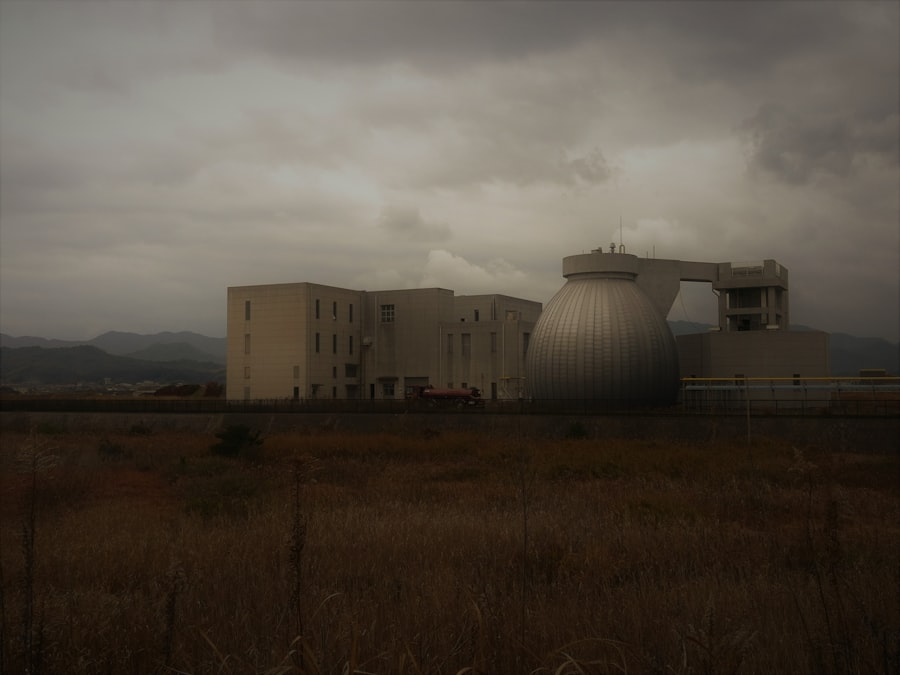
The dual-use nature of nuclear technology – its capacity for both peaceful progress and terrifying destruction – has placed it at the forefront of global security concerns. The spread of nuclear weapons, or the knowledge and materials to build them, remains a persistent threat, prompting international efforts to control and prevent further proliferation.
The Stakes of Nuclear Weapons Spread
The acquisition of nuclear weapons by additional states or non-state actors carries profound implications for international stability. The concept of mutually assured destruction (MAD), a cornerstone of Cold War nuclear strategy, suggests that the sheer destructive power of nuclear arsenals deters their use. However, this delicate balance is precarious and vulnerable to miscalculation, accident, or the rise of rogue states or terrorist organizations.
Arms Control Treaties and International Safeguards
- The Non-Proliferation Treaty (NPT): The NPT, established in 1968, is a landmark international treaty aimed at preventing the spread of nuclear weapons, promoting nuclear disarmament, and fostering peaceful uses of nuclear energy. It divides the world into nuclear-weapon states (those that detonated a nuclear device before 1967) and non-nuclear-weapon states.
- The International Atomic Energy Agency (IAEA): The IAEA, an agency of the United Nations, plays a crucial role in verifying that states are not diverting nuclear materials from peaceful purposes to nuclear weapons programs. Its inspectors conduct on-site inspections and monitor nuclear facilities worldwide.
Covert Pathways and Declassified Insights
Declassified intelligence reports and historical analyses often reveal the intricate and often clandestine pathways through which nuclear technology has been pursued by various nations. These documents can illuminate espionage efforts, the black market for nuclear materials and expertise, and the diplomatic maneuvering employed to curb proliferation. Understanding these hidden histories is vital for contemporary efforts to prevent the proliferation of the world’s most dangerous weapons.
Nuclear Forensics and Security: Unraveling the Unseen
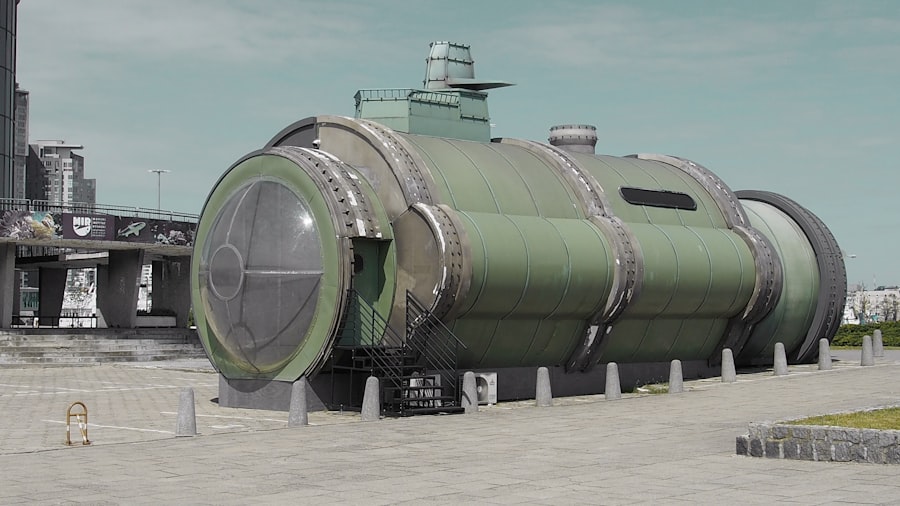
Beyond the overt development of nuclear technology, a specialized field of nuclear forensics has emerged, dedicated to analyzing radioactive materials for security and intelligence purposes. This scientific discipline, often working in the shadows, plays a critical role in identifying the origin of illicit nuclear materials, investigating nuclear incidents, and safeguarding against nuclear terrorism.
Tracing the Footprints of Radioactive Materials
Nuclear forensics involves the application of scientific techniques to determine the origin, history, and potential use of radioactive substances. This can be crucial in various scenarios, from investigating the smuggling of nuclear materials to attributing responsibility for a nuclear attack.
Analytical Techniques and Their Applications
- Isotopic Analysis: By precisely measuring the ratios of different isotopes within a sample of nuclear material, scientists can fingerprint its origin. Different nuclear processes, enrichment levels, and even geological formations can leave unique isotopic signatures. For example, the isotopic composition of uranium or plutonium can indicate whether it was produced in a specific reactor or through a particular enrichment process.
- Radiochemical Analysis: This involves chemically separating and quantifying radioactive elements. The combination of different radionuclides present and their quantities can provide further clues about the material’s history and potential uses.
- Environmental Sampling: In cases of suspected nuclear activity or contamination, environmental samples (soil, water, air) can be collected and analyzed to detect the presence of specific radionuclides and their distribution.
The Role in Counterterrorism and Incident Response
The threat of terrorists acquiring or using nuclear materials necessitates robust nuclear forensic capabilities. By analyzing any trace evidence left behind, investigators can potentially thwart future attacks, identify perpetrators, and understand the methods employed. In the aftermath of a nuclear event, forensic analysis is crucial for assessing the scope of contamination, informing public safety measures, and aiding in recovery efforts.
Recent discussions surrounding nuclear technology have shed light on various declassified secrets that have shaped global security dynamics. An insightful article on this topic can be found at In the War Room, where experts analyze the implications of these revelations on current geopolitical tensions. Understanding these historical contexts is crucial for grasping the complexities of modern nuclear policies and their potential impact on international relations.
The Future of Nuclear Technologies: Innovation and Responsibility
| Declassified Secret | Description | Year Declassified | Country | Impact on Nuclear Technology |
|---|---|---|---|---|
| Manhattan Project Documents | Details on the development of the first atomic bombs during WWII. | 1970 | USA | Provided foundational knowledge on nuclear fission and bomb design. |
| Tsar Bomba Test Data | Information on the largest nuclear bomb ever detonated by the USSR. | 1992 | USSR/Russia | Revealed limits of nuclear weapon yield and delivery mechanisms. |
| Operation Crossroads Reports | Analysis of nuclear weapon effects on naval vessels and environment. | 1996 | USA | Advanced understanding of blast effects and radiation impact. |
| UK’s Blue Danube Bomb Design | Technical details of the UK’s first operational nuclear weapon. | 1980 | United Kingdom | Enhanced knowledge of nuclear weapon miniaturization and delivery. |
| French Nuclear Test Data | Information on underground and atmospheric nuclear tests by France. | 2000 | France | Contributed to nuclear test ban treaty negotiations and safety protocols. |
As our understanding of nuclear science deepens, new frontiers are continually being explored. From advanced reactor designs promising greater safety and efficiency to innovative applications in various fields, the future of nuclear technology is one of both promise and profound responsibility.
Emerging Reactor Concepts and Advanced Fuels
The pursuit of safer, more efficient, and more sustainable nuclear energy continues. Researchers are exploring novel reactor designs that could address some of the challenges associated with current technologies.
Next-Generation Reactor Designs
- Small Modular Reactors (SMRs): SMRs are smaller, factory-built nuclear reactors that offer flexibility in deployment and potentially lower upfront costs. They are envisioned for applications such as powering remote communities or industrial facilities.
- Molten Salt Reactors (MSRs): These reactors use a molten salt mixture as the primary coolant and often as the fuel carrier. MSRs have the potential for inherent safety features, improved fuel efficiency, and the ability to burn existing nuclear waste.
- Fusion Energy: While still in its developmental stages, nuclear fusion, the process that powers the sun, holds the promise of virtually limitless, clean energy. Significant international research efforts, such as the ITER project, are dedicated to achieving sustained fusion reactions.
Innovations in Fuel Cycle Management
- Advanced Fuels: Research into new fuel types, such as accident-tolerant fuels, aims to enhance reactor safety and allow for longer operating cycles.
- Closed Fuel Cycles: Efforts are underway to develop closed fuel cycles that would enable the reprocessing and recycling of spent nuclear fuel, significantly reducing the volume and long-term hazard of nuclear waste.
Navigating the Ethical and Societal Landscape
The continued development and deployment of nuclear technologies demand ongoing ethical consideration and public engagement. The lessons learned from past declassifications and historical events serve as vital guideposts.
The Public Trust and Transparency
As governments continue to declassify information related to nuclear technologies, fostering transparency and public trust becomes paramount. Open dialogue about the risks and benefits, coupled with robust regulatory oversight, is essential for responsible technological advancement. The journey from secrecy to openness is a slow but necessary evolution in managing a technology of such immense power.
International Cooperation and Sustainable Development
Addressing the global challenges and opportunities presented by nuclear technology requires unprecedented international cooperation. Sharing knowledge, best practices, and safety standards will be crucial for ensuring that these powerful tools are used for the benefit of all humanity, while mitigating the inherent risks. The hidden secrets of nuclear technology are slowly emerging, offering a clearer, though often sobering, perspective on our past and a critical roadmap for our future.
FAQs
What does “nuclear tech declassified secrets” refer to?
Nuclear tech declassified secrets refer to information about nuclear technology that was previously classified for national security reasons but has since been made publicly available by governments or authorized agencies.
Why are some nuclear technology details classified initially?
Details about nuclear technology are often classified to prevent sensitive information from falling into the hands of adversaries, to protect national security, and to control the proliferation of nuclear weapons and related technologies.
How does declassification of nuclear technology impact public knowledge?
Declassification allows researchers, historians, and the general public to access previously restricted information, which can enhance scientific understanding, promote transparency, and inform policy discussions related to nuclear technology and security.
Are all nuclear technology secrets eventually declassified?
Not all nuclear technology secrets are declassified; some information remains classified indefinitely due to ongoing security concerns, technological sensitivity, or diplomatic considerations.
Where can one find declassified nuclear technology documents?
Declassified nuclear technology documents can often be found in national archives, government websites, libraries, and specialized databases maintained by agencies such as the U.S. Department of Energy, the National Archives, or international organizations.