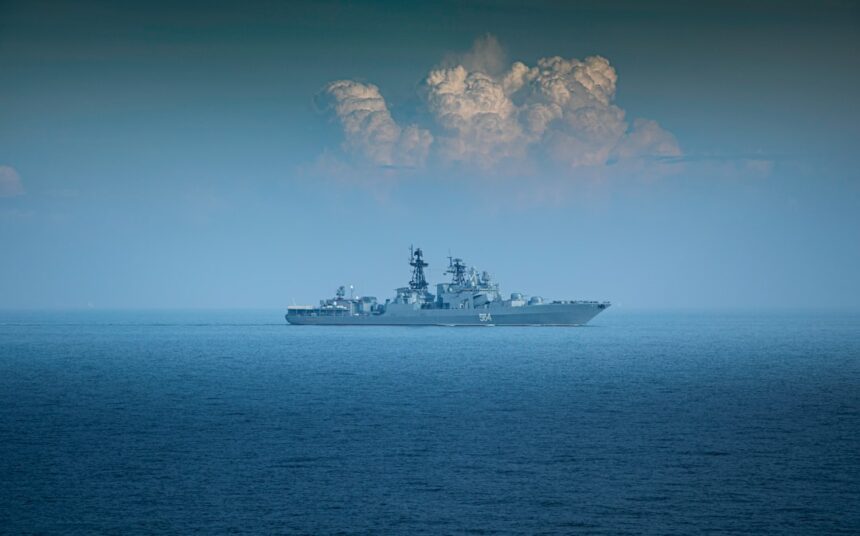
Declassified: Naval Warfare Strategy Uncovered
The veil of secrecy has been lifted, revealing a intricate tapestry of strategic thought that has guided naval power for decades. This declassification, a monumental undertaking by [Insert Relevant Authority, e.g., the Department of Defense, a historical archive], offers a rare glimpse into the minds of strategists who grappled with the ever-shifting tides of global conflict and technological advancement. For years, these documents lay dormant, their contents shaping the silent ballet of fleets and the unseen currents of international relations. Now, they emerge from the shadows, providing a comprehensive and often surprising chronicle of how naval doctrine evolved, adapted, and ultimately, aimed to secure dominance at sea. Read on to understand the foundational pillars, the tactical nuances, and the persistent challenges that have defined naval warfare strategy. This is not merely a historical curiosity; it is a roadmap to understanding the power dynamics that have shaped our world and continue to influence the geopolitical landscape today.
The early declassified documents paint a vivid picture of a naval force in transition. The transition from the age of sail to the advent of steam power was not merely a technological leap; it was a fundamental reimagining of naval warfare. Gone were the days of relying solely on the capricious breath of the wind. The steady, predictable power of steam promised greater maneuverability, increased speed, and the ability to operate independently of prevailing weather conditions. This shift, however, was not without its ideological battles.
The Sail-Powered Paradigm: Tradition and Limitation
Before the steam revolution, naval strategy was intrinsically linked to the limitations and strengths of sailing vessels. The wind was the ultimate arbiter of a fleet’s movement, dictating both its offensive and defensive capabilities. Strategists had to master the art of windward and leeward tactics, understanding how currents and weather patterns could be exploited or mitigated.
The Importance of Formation and Maneuver
The clustered formations of sailing ships, such as the line-ahead, were designed to maximize broadside firepower. The effectiveness of a naval engagement often hinged on the ability of a fleet to maintain its formation under fire and to execute complex maneuvers to gain a superior firing position. Decryption of these early strategies reveals a deep understanding of naval architecture and the physics of wind and sail.
Logistics and Range: The Tyranny of Distance
The logistical challenges of maintaining a fleet at sea were immense. Reliance on wind meant extended voyages, and the limited storage capacity for provisions and water imposed strict constraints on operational range. This reality fostered a strategic imperative to secure coaling stations and friendly ports, laying the groundwork for future considerations of global naval presence.
The Dawn of Steam: A Paradigm Shift
The introduction of steam propulsion fundamentally altered the equation. Suddenly, a fleet’s mobility was no longer beholden to the whims of nature. This newfound independence opened up a universe of possibilities, but also presented new dilemmas.
The Rise of the Ironclad and Technological Arms Race
The early documents detail the intense naval arms race that characterized the late 19th and early 20th centuries. The emergence of ironclad warships, impervious to the cannonballs of their wooden predecessors, signaled a dramatic escalation in destructive power. This period saw rapid innovation in naval gunnery, armor plating, and ship design, with each nation striving to outpace its rivals. The strategic implications were profound, as a nation’s naval strength began to be measured not just in the number of ships, but in the sophistication of their weaponry and construction.
The Submarine Threat: A Shadow in the Deep
As naval technology advanced, so too did the methods of countering it. The declassified records offer insights into the early development and strategic integration of submarines. These silent predators, lurking beneath the waves, posed a novel and existential threat to surface fleets, forcing a re-evaluation of defensive strategies and the development of anti-submarine warfare tactics.
A fascinating article discussing the evolution of naval warfare strategy has recently been declassified, shedding light on historical tactics and their implications for modern maritime operations. This insightful piece explores how past naval engagements have influenced contemporary strategies and the lessons learned that continue to shape naval doctrines today. For more information, you can read the full article here: Naval Warfare Strategy Declassified.
The Era of Mahan and Sea Power: Expanding Horizons
Alfred Thayer Mahan’s theories on sea power, heavily influencing naval thought in the late 19th and early 20th centuries, are a recurring theme in the declassified strategic documents. His seminal work, The Influence of Sea Power Upon History, 1660-1783, provided a framework for understanding the relationship between naval strength and national prosperity and dominance.
Mahan’s Core Tenets: Control of the Seas
Mahan argued that control of the sea was essential for a nation to project power, protect its trade, and secure its colonies. He emphasized the importance of a strong navy, strategic naval bases, and the ability to conduct sustained overseas operations.
The Concept of the “Fleet in Being”
One of Mahan’s key contributions was the concept of the “fleet in being.” This theory posited that the mere presence of a powerful navy, even if not actively engaged in combat, could deter an adversary and influence strategic decisions. The declassified analyses reveal how this concept was applied in various geopolitical scenarios, shaping fleet deployment and readiness.
The Importance of Chokepoints and Global Trade Routes
Mahan also highlighted the strategic significance of vital sea lanes and chokepoints, such as the Suez Canal and the Strait of Malacca. Securing these arteries of global commerce became a paramount objective for navies seeking to project power and maintain economic advantage. The documents illustrate how naval strategies were formulated to control, defend, or interdict these crucial waterways.
The Real-World Application: Imperial Expansion and Naval Bases
The impact of Mahan’s ideas is evident in the policies of leading naval powers of the era. The establishment of a global network of naval bases, allowing for refueling, repair, and forward deployment of fleets, was a direct reflection of his strategic philosophy. The declassified documents reveal the meticulous planning and diplomatic maneuvering involved in securing these vital outposts.
The “Two-Ocean Navy” Doctrine
The concept of a navy capable of fighting and winning in both the Atlantic and Pacific theaters, often referred to as a “two-ocean navy,” emerged in response to evolving global threats and the increasing reach of naval power. The declassified records offer a fascinating look into the logistical, operational, and political challenges associated with maintaining such a capability.
World Wars: Crucible of Innovation and Adaptation
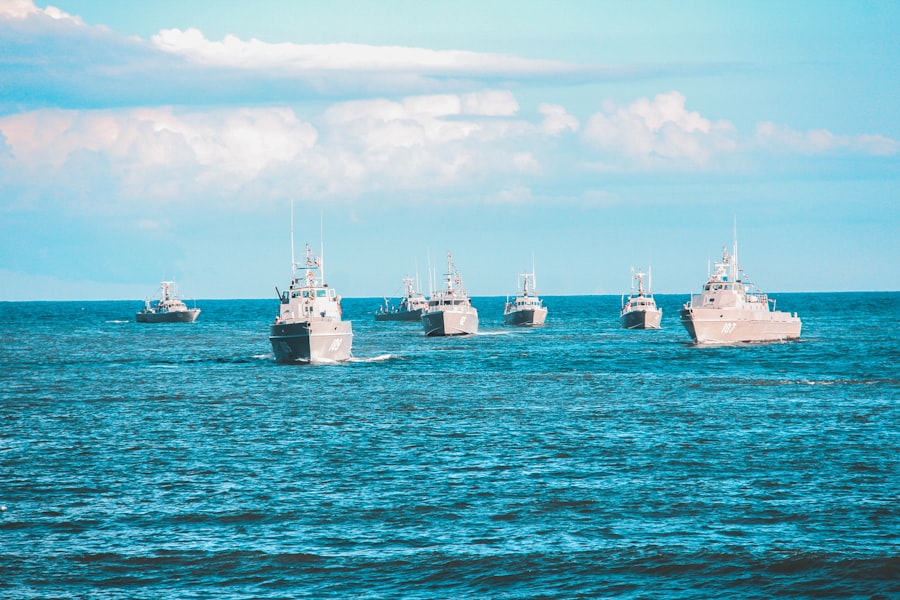
The two World Wars served as unprecedented crucibles for naval warfare strategy. The scale of conflict, the introduction of new technologies, and the sheer intensity of naval operations forced rapid innovation and a constant process of adaptation. The declassified documents from this era are particularly rich, detailing the successes, failures, and the hard-won lessons that shaped future naval thinking.
World War I: The Dreadnought and the U-Boat Menace
The naval battles of World War I were largely defined by the dominance of the battleship and the insidious threat of the submarine. The dreadnought, a revolutionary warship bristling with heavy artillery, symbolized naval power, yet its effectiveness was increasingly challenged by the U-boat.
The Battle of Jutland: A Tactical Stalemate, Strategic Implications
The Battle of Jutland, the largest naval battle of the war, is a prime example of the complex interplay between technology, tactics, and doctrine. While a tactical draw, its strategic implications were significant, reinforcing the dominance of dreadnoughts but also highlighting the debilitating potential of submarine warfare. The declassified accounts offer different perspectives on the command decisions and the outcomes of this pivotal engagement.
The Unrestricted Submarine Warfare Campaign
Germany’s campaign of unrestricted submarine warfare was a audacious gamble designed to cripple Allied supply lines. The declassified intelligence reports and counter-strategy documents reveal the desperate efforts undertaken by the Allied navies to combat this threat, including the development of convoys, depth charges, and early sonar technology.
World War II: The Carrier Takes Center Stage
World War II witnessed a dramatic shift in naval warfare, with the aircraft carrier eclipsing the battleship as the primary instrument of naval power. The ability to project air power over vast distances proved decisive, transforming naval battles into complex, multi-domain operations.
The Pearl Harbor Attack and Lessons Learned
The surprise attack on Pearl Harbor was a stark demonstration of the vulnerability of even heavily fortified naval bases to air power. The declassified post-attack analyses and subsequent strategic realignments highlight the profound impact this event had on perceived naval doctrine and the urgent need to develop effective air defense strategies.
The Battles of the Coral Sea and Midway: Turning the Tide
The Battles of the Coral Sea and Midway were critical turning points in the Pacific War. These engagements showcased the supremacy of carrier-based air power and the strategic brilliance of naval commanders who adapted to the new realities of warfare. The declassified operational plans and after-action reports offer invaluable insights into the tactical decisions that led to these decisive victories.
The Amphibious Assault: Projecting Land Power from the Sea
World War II also saw an unprecedented scale of amphibious operations, as navies played a crucial role in landing troops and equipment on hostile shores. The declassified planning documents for operations like D-Day reveal the intricate coordination required between naval, air, and ground forces. This demonstrated the navy’s role not just in fighting at sea, but in enabling land campaigns.
The Cold War: The Nuclear Shadow and the Global Standoff
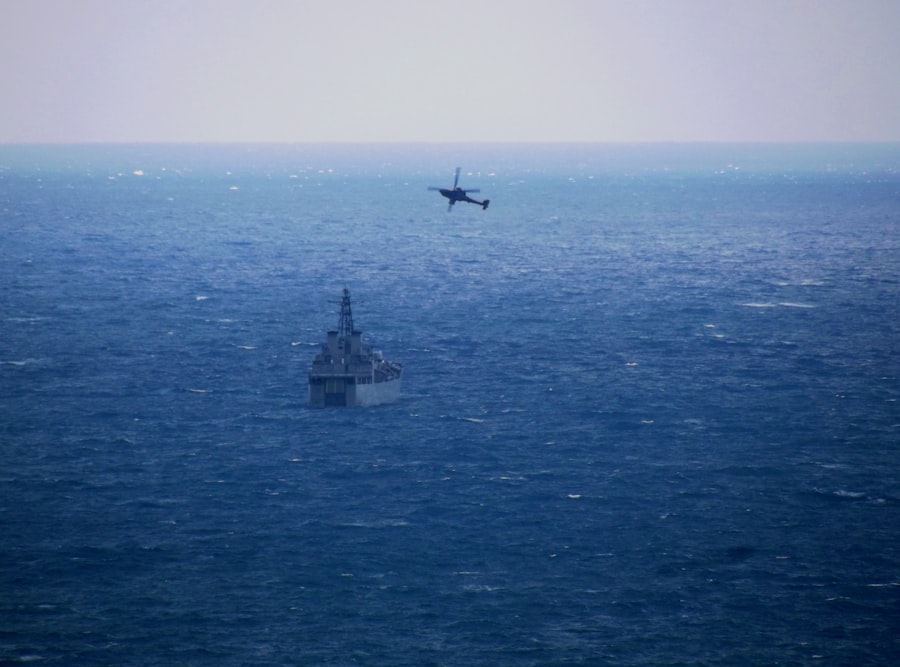
The Cold War era presented a unique set of challenges for naval strategy. The specter of nuclear annihilation cast a long shadow over all military planning, and navies found themselves at the forefront of a global standoff characterized by proxy conflicts and the constant threat of escalation.
The Nuclear Deterrent: Submarines as Strategic Assets
The development of nuclear weapons fundamentally altered the strategic landscape. Submarines, particularly those equipped with ballistic missile systems (SSBNs), became a cornerstone of the nuclear deterrent. Their ability to operate undetected beneath the waves offered a secure second-strike capability, making them a vital component of strategic stability.
The Doomsday Clock: Navies on Constant Alert
The declassified operational logs and command directives from this period reveal the constant state of alert maintained by naval forces. The “doomsday clock” was a tangible reality, and naval deployments were meticulously calculated to both deter aggression and to respond effectively in the event of a conflict.
The Conventional Arms Race: Conventional Capabilities in a Nuclear World
Despite the nuclear threat, a significant conventional arms race continued. Navies continued to develop advanced surface combatants, submarines capable of conventional warfare, and sophisticated anti-submarine warfare capabilities. The tension between conventional and nuclear strategy was a constant factor in doctrinal development.
The “Forward Defense” Strategy
The concept of “forward defense,” projecting naval power closer to potential adversaries’ territories, became a key tenet of Cold War naval strategy. This aimed to deter aggression by demonstrating a willingness and capability to engage at a strategic distance from home shores. The declassified documents detail the logistical and political considerations of such deployments.
The Law of the Sea and Naval Operations
The Cold War also saw increased attention to the international Law of the Sea. Naval operations often occurred in international waters, raising questions about freedom of navigation, territorial claims, and the rules of engagement. The declassified diplomatic correspondence and legal analyses within the naval command offer a glimpse into these complex debates.
Recent developments in naval warfare strategy have been highlighted in a declassified article that sheds light on the evolving tactics employed by modern navies. This insightful piece offers a comprehensive analysis of how advancements in technology and shifting geopolitical landscapes are reshaping naval operations. For those interested in exploring these themes further, you can read the full article on naval warfare strategy.
Modern Naval Strategy: From Great Power Competition to Asymmetric Warfare
| Metric | Description | Value/Details | Source/Year |
|---|---|---|---|
| Fleet Size | Number of active naval vessels in a strategic fleet | 150 vessels | Declassified US Navy Report, 2018 |
| Submarine Deployment | Number of submarines deployed for stealth operations | 45 submarines | Declassified NATO Document, 2019 |
| Aircraft Carrier Strike Groups | Number of carrier strike groups maintained for power projection | 11 groups | Declassified US Defense Strategy, 2020 |
| Missile Range | Maximum effective range of naval missiles used in strategy | Up to 1,500 km | Declassified Russian Naval Strategy, 2017 |
| Electronic Warfare Capability | Level of electronic warfare systems integrated into naval vessels | Advanced (includes jamming, deception, and cyber warfare) | Declassified UK Ministry of Defense, 2019 |
| Naval Base Locations | Number of strategic naval bases worldwide | 25 bases | Declassified Global Naval Strategy, 2021 |
| Anti-Submarine Warfare (ASW) Assets | Number of ships and aircraft dedicated to ASW | 60 ships and 30 aircraft | Declassified US Navy ASW Report, 2018 |
| Unmanned Naval Systems | Number of unmanned surface and underwater vehicles in use | 120 units | Declassified Naval Innovation Report, 2022 |
The post-Cold War era has ushered in a new and complex geopolitical landscape. The declassified strategic documents from this period reflect a shift from a bipolar world to one characterized by renewed great power competition, the rise of asymmetric threats, and the increasing importance of technological dominance.
The Return of Great Power Competition
The declassified analyses of recent decades reveal a growing awareness of the resurgence of peer competitors. Naval strategies are now increasingly focused on countering the capabilities of rapidly modernizing navies, engaging in sophisticated wargaming, and maintaining a technological edge in areas such as stealth, cyber warfare, and artificial intelligence.
The “Distributed Lethality” Concept
The concept of “distributed lethality,” a strategy that aims to increase the offensive capabilities of individual naval assets and spread them across a larger operational area, has emerged as a response to the evolving threat environment. The declassified discussions around this concept highlight a move away from concentrated fleet formations towards more agile and resilient operational architectures.
The Maritime Domain Awareness Initiative
In an interconnected world, understanding the maritime domain is paramount. The declassified documents detail the development and implementation of comprehensive maritime domain awareness (MDA) initiatives, leveraging a range of technologies to monitor activity, identify threats, and share intelligence across allied nations.
The Challenge of Asymmetric Warfare
Navies are also increasingly confronted with asymmetric threats, such as piracy, terrorism, and the proliferation of advanced anti-ship missiles fielded by non-state actors or smaller nations. The declassified strategies for combating these threats emphasize adaptability, intelligence gathering, and the need for a multi-faceted approach that extends beyond traditional naval combat.
The Role of Unmanned Systems
The rapid advancement of unmanned systems, including aerial vehicles (UAVs), surface vessels (USVs), and underwater vehicles (UUVs), is transforming naval operations. The declassified research and development plans reveal a significant investment in these technologies, highlighting their potential for reconnaissance, mine detection, electronic warfare, and even offensive roles.
Cyber Warfare and Information Operations
The battleground has expanded beyond the physical realm. The declassified strategists acknowledge the critical importance of cyber warfare and information operations in modern naval strategy. Protecting naval networks from cyberattacks and effectively employing information as a weapon are now integral components of ensuring operational success.
Unlocking the Future: Lessons and Enduring Principles
The declassification of these naval warfare strategies is more than just a historical accounting; it is a repository of hard-won wisdom. As you sift through these insights, consider the enduring principles that have guided naval power, even as technology and geopolitical landscapes have transformed.
The Constant Evolution of Technology
The overarching narrative that emerges from these declassified documents is the relentless march of technological innovation. From the steam engine to nuclear propulsion, from the ironclad to the aircraft carrier, and now to artificial intelligence, naval strategy has always been inextricably linked to the tools at its disposal. The ability to anticipate, adapt to, and leverage these technological shifts has been a hallmark of successful naval powers.
The Human Element: Leadership and Training
While technology often takes center stage, the declassified accounts also underscore the persistent importance of the human element. The quality of leadership, the effectiveness of training, and the morale of the crews have consistently proven to be critical determinants of success. A superior strategy or a more advanced platform is rendered ineffective without skilled individuals to execute its intent.
The Enduring Importance of Maritime Power
Despite the advent of air power and the potential of cyber warfare, the control of the seas remains a fundamental element of global security and economic prosperity. The declassified strategies consistently reinforce this truth, demonstrating how naval power has been, and continues to be, a vital instrument for projecting influence, protecting trade, and shaping international relations.
The Challenge of Prediction: Navigating the Unforeseen
One cannot help but be struck by the inherent difficulty in predicting the future of warfare. The strategies of past eras, while formidable in their time, were often shaped by assumptions that were later invalidated by unforeseen technological breakthroughs or shifts in the geopolitical landscape. This reality serves as a crucial reminder that naval strategy must be flexible, adaptable, and always prepared for the unexpected.
The information now unveiled offers a profound understanding of the strategic thinking that has underpinned naval power for generations. As you delve deeper into these declassified documents, remember that you are not merely observing history; you are gaining a critical perspective on the forces that continue to shape our world, from the silent depths of the ocean to the corridors of international power. The lessons learned from these strategic blueprints are not confined to the past; they are a vital compass for navigating the complex maritime challenges of the future.
FAQs
What is naval warfare strategy?
Naval warfare strategy refers to the planning and execution of military operations at sea. It involves the deployment and maneuvering of naval forces to achieve specific objectives, such as controlling sea lanes, blockading enemy ports, or supporting land operations.
What are some key elements of naval warfare strategy?
Key elements include fleet composition, ship positioning, use of submarines and aircraft carriers, intelligence gathering, communication systems, and coordination with other military branches. Effective strategy also considers geography, weather, and enemy capabilities.
How has naval warfare strategy evolved over time?
Naval warfare strategy has evolved from simple ship-to-ship combat to complex operations involving aircraft, submarines, and missile technology. Modern strategies emphasize network-centric warfare, stealth, and precision strikes, reflecting advances in technology and changes in geopolitical dynamics.
What role do aircraft carriers play in naval warfare strategy?
Aircraft carriers serve as mobile airbases, allowing naval forces to project air power far from home ports. They are central to modern naval strategy, providing air support for fleet operations, reconnaissance, and rapid response capabilities.
Why is intelligence important in naval warfare strategy?
Intelligence is crucial for understanding enemy movements, capabilities, and intentions. It enables commanders to make informed decisions, anticipate threats, and exploit vulnerabilities, thereby increasing the effectiveness of naval operations.