The 1980s, a decade often characterized by its vibrant pop culture and escalating Cold War tensions, was also a period when the world’s superpowers engaged in a silent, yet potent, arms race and sophisticated intelligence gathering. While the public consciousness was often occupied with shoulder pads and sonic booms, behind closed doors, military and intelligence agencies were weaving intricate webs of technology and strategy. The subsequent declassification of documents from this era offers a fascinating glimpse into the clandestine realities that shaped international relations and technological advancement. These documents, like scattered breadcrumbs in a vast forest, allow us to retrace the steps of nations and understand the undercurrents that flowed beneath the surface of everyday life.
The Cold War was not solely a geopolitical chess match played out on diplomatic tables; it was a far more pervasive struggle waged in the shadows, characterized by covert operations and extensive intelligence gathering. The declassified files from the 1980s reveal the scope and ambition of these clandestine efforts, painting a picture of a world perpetually on the precipice, where information was the ultimate currency and deception a primary weapon.
Listening Posts and Electronic Eavesdropping
The decade witnessed a significant escalation in the sophistication of electronic intelligence (ELINT) and signals intelligence (SIGINT). Nations invested heavily in the development of advanced listening posts, both ground-based and airborne, designed to intercept enemy communications. Satellite technology, still in its relative infancy, played a crucial role. One might imagine these satellites as watchful eyes, silently orbiting above, their lenses capable of deciphering the faintest whisper of electronic chatter.
The Role of SIGINT in Monitoring Soviet Capabilities
Declassified documents detail the meticulous efforts made to monitor Soviet military activities, particularly their nuclear arsenal and missile development programs. The Strategic Air Command (SAC) and its successors were heavily reliant on SIGINT to provide real-time assessments of Soviet capabilities. Intercepted radar signals, encrypted radio transmissions, and electronic emissions from Soviet aircraft and naval vessels were analyzed with relentless precision. This constant stream of intelligence acted as an early warning system, informing strategic decisions and shaping defense postures.
The Evolution of Cryptography and Decryption
Concurrently, the arms race extended to the realm of codes and ciphers. Both sides poured resources into developing more robust encryption methods while simultaneously striving to break past their adversaries’ defenses. The declassified reports often highlight the painstaking work of cryptanalysts, whose breakthroughs, though unsung, were critical to understanding enemy intentions. Imagine them as linguistic detectives, deciphering ancient scripts in real-time, with the fate of nations hanging in the balance of their success. The development of specialized computing hardware, even in its nascent 1980s form, was essential for tackling the burgeoning complexity of encrypted communications.
Covert Operations and Proxy Conflicts
Beyond electronic surveillance, the 1980s were a breeding ground for covert operations and proxy conflicts. These were the proxy battles, where superpowers funded and armed local factions, turning regional disputes into wider ideological struggles. Declassified files shed light on the extent of involvement, the clandestine supply lines, and the strategic objectives behind these interventions.
Support for Anti-Soviet Insurgencies
Perhaps the most widely documented aspect of covert action from this era is the support provided to anti-Soviet insurgencies in various parts of the world. Afghanistan stands as a prominent example, where Western powers, primarily the United States, supplied significant financial and military aid to the Mujahideen. The declassified documents reveal the intricate logistics of these operations, the types of weaponry provided, and the tactical advice offered. This intervention, intended to bog down the Soviet Union in a protracted and costly conflict, had profound and lasting consequences for the region.
Intelligence Sharing and Inter-Agency Cooperation
These covert operations were rarely the sole domain of a single agency. Declassified reports often underscore the complex web of inter-agency cooperation, and sometimes, inter-agency rivalry, that characterized intelligence gathering and dissemination. Information flowed, often imperfectly, between departments responsible for human intelligence (HUMINT), signals intelligence, and analysis. This collaboration, or lack thereof, could significantly impact the effectiveness of operations and the accuracy of assessments. The flow of information can be likened to a complex plumbing system, where the blockage or leakage at any point could disrupt the entire network.
For those interested in the declassified military history of the 1980s, a fascinating article can be found on In The War Room, which delves into the strategic decisions and covert operations that defined this tumultuous decade. The article provides insights into the geopolitical landscape of the time, highlighting key events and their lasting impact on modern military tactics. To explore this topic further, you can read the article here: In The War Room.
Technological Arms Race: A Quest for Superiority
The technological arms race of the 1980s was a relentless pursuit of strategic advantage, with nations pouring vast resources into research and development. The declassified military secrets offer a compelling narrative of this relentless innovation, particularly in areas such as missile technology, stealth capabilities, and the burgeoning field of space-based weaponry.
The Strategic Defense Initiative (SDI)
The announcement of the Strategic Defense Initiative, or “Star Wars,” in 1983 marked a pivotal moment in the technological arms race. President Reagan’s vision of a missile shield capable of neutralizing incoming ballistic missiles captured public imagination, but the behind-the-scenes reality, as revealed by declassified documents, was a complex and often contentious endeavor.
Research into Directed Energy Weapons
A significant portion of SDI research focused on directed energy weapons, such as lasers and particle beams, which were envisioned as the primary means of deactivating enemy missiles. Declassified reports detail the theoretical underpinnings, experimental challenges, and the considerable financial investment poured into these cutting-edge, and often speculative, technologies. The pursuit of such technologies was akin to chasing a phantom, a powerful but elusive force that promised to reshape the very nature of warfare.
The Space-Based Component and its Challenges
The space-based component of SDI, involving orbital platforms equipped with advanced weaponry, presented immense engineering and logistical hurdles. Declassified documents reveal the debates surrounding the feasibility, cost, and potential countermeasures associated with such a system. The sheer audacity of aiming to create an impenetrable shield in orbit highlighted the ambition, and perhaps the hubris, driving the technological ambitions of the era.
Stealth Technology and its Implications
The development of stealth technology, designed to make aircraft and other military assets virtually invisible to radar, was another significant breakthrough of the 1980s. Declassified files offer insight into the early research, the materials science involved, and the strategic implications of this revolutionary capability.
From Concept to Operational Deployment
The transition from theoretical concepts of radar evasion to the operational deployment of stealth aircraft was a protracted and resource-intensive process. Declassified documents illustrate the iterative nature of this development, with numerous prototypes and experimental designs preceding the introduction of operational stealth platforms. This journey was a testament to human ingenuity, a slow and patient chipping away at the seemingly insurmountable problem of radar detection.
The Psychological Impact of Stealth
Beyond its tactical advantages, the development of stealth technology also had a significant psychological impact. The knowledge that an adversary possessed the ability to strike unseen created a new dimension of uncertainty and fear. Declassified intelligence assessments often grapple with the implications of this imbalance, anticipating how the enemy might react to, or attempt to counter, such a clandestine capability.
The Nuclear Equation: Deterrence and Arms Control
The specter of nuclear war loomed large over the 1980s, a constant backdrop to the geopolitical machinations of the era. Declassified military secrets from this period illuminate the complex strategies of nuclear deterrence, the nuanced negotiations surrounding arms control, and the ever-present anxieties surrounding the potential for catastrophic conflict.
The Doctrine of Mutually Assured Destruction (MAD)
The doctrine of Mutually Assured Destruction (MAD), a cornerstone of Cold War nuclear strategy, was continually refined and debated throughout the 1980s. Declassified policy documents reveal the ongoing assessment of nuclear capabilities, the parameters of retaliation, and the delicate balance of terror that underpinned global security.
Assessing Soviet Nuclear Capabilities
A critical aspect of maintaining the MAD posture involved meticulously assessing the Soviet Union’s nuclear arsenal. Declassified intelligence reports detail the methods employed to track missile deployments, bomber fleets, and submarine patrols. This intelligence was crucial for understanding the credible threat posed by the adversary and for ensuring that one’s own deterrent forces remained survivable and effective. Imagine this as a constant, high-stakes game of “spot the difference,” where the stakes were unimaginably high.
The Credibility of Deterrence
The effectiveness of nuclear deterrence hinged on the perception of the adversary. Declassified documents reveal the efforts to communicate resolve and implicitly threaten retaliation, while simultaneously seeking to avoid miscalculation. This involved carefully crafted pronouncements, military exercises, and the maintenance of secure and resilient nuclear command and control systems. The goal was to create a chilling certainty that any first strike would result in unacceptable retaliatory damage.
Arms Control Negotiations and the INF Treaty
Despite the prevailing tensions, the 1980s also witnessed significant efforts in arms control. The Intermediate-Range Nuclear Forces (INF) Treaty, signed in 1987, represented a landmark achievement in reducing nuclear arsenals. Declassified documents offer insight into the behind-the-scenes diplomacy, the compromises made, and the verification mechanisms that underpinned this historic agreement.
The Diplomatic Dance of Arms Control
The path to arms control was rarely a smooth one. Declassified records illustrate the protracted negotiations, the shifts in political will, and the intricate compromises required to bridge the divide between superpowers. These negotiations were akin to a high-stakes diplomatic dance, where each step, each concession, carried immense weight.
Verification and Compliance Challenges
A crucial element of any arms control agreement is verification. Declassified files reveal the challenges associated with ensuring compliance, including the development of inspection regimes and the reliance on intelligence to monitor the dismantlement of weapons systems. The honesty of one party could only be truly assured through the diligent scrutiny of the other.
The Space Race Reimagined: Military Applications of Space
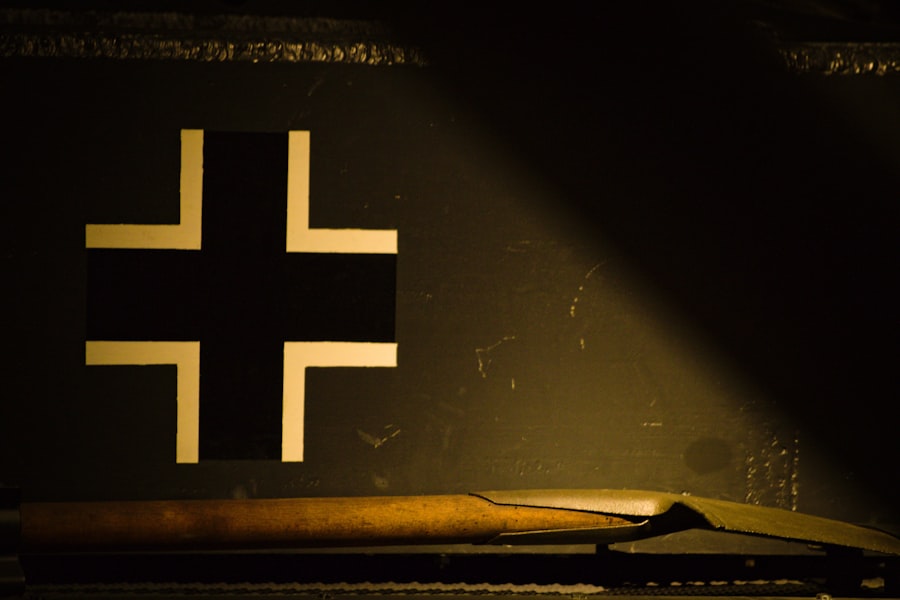
While the initial space race of the mid-20th century was largely driven by national prestige, the 1980s saw a significant shift towards the military applications of space technology. Declassified documents from this era reveal the development of sophisticated surveillance satellites, the integration of space-based assets into military operations, and the clandestine considerations surrounding space as a potential battlefield.
Reconnaissance Satellites: Eyes in the Sky
The 1980s were a golden age for the development and deployment of sophisticated reconnaissance satellites. These orbiting platforms provided an unprecedented level of detail regarding adversary military movements, infrastructure, and technological advancements.
Photo-Reconnaissance and Electro-Optical Systems
Declassified documents detail the advancements in photo-reconnaissance capabilities, with satellites capable of capturing images with increasingly higher resolution. Furthermore, the development of electro-optical and infrared sensors allowed for the detection of heat signatures and other emissions, providing a more comprehensive picture of military activity, day or night. These satellites were the silent observers, their lenses never blinking, meticulously mapping the world below.
Signals Intelligence Satellites
Beyond visual observation, signals intelligence satellites played a crucial role in intercepting and analyzing enemy communications. Declassified reports highlight the evolving capabilities of these satellites in collecting and processing electronic transmissions, providing invaluable intelligence on military plans and intentions.
Dual-Use Technologies and the Militarization of Space
Many technologies developed for space exploration had dual-use applications, blurring the lines between civilian and military research. Declassified files reveal how advancements in areas like propulsion, materials science, and communication systems were leveraged for military purposes.
Satellite Communications and Navigation
The development of secure and reliable satellite communication systems was paramount for coordinating military operations across vast distances. Similarly, advancements in satellite navigation, the precursor to modern GPS, provided crucial positioning information for military assets. This integration made the battlefield, for the first time, a truly interconnected global theater.
The Growing Concern of Space Weaponization
As the military utility of space became increasingly evident, so too did the concerns about its weaponization. Declassified documents reveal discussions and research into anti-satellite weapons and the potential for conflict in orbit. This period saw the dawn of a new frontier for warfare, a silent, invisible realm where new threats could emerge.
The declassified military history of the 1980s reveals intriguing insights into the geopolitical tensions of the era, particularly regarding covert operations and strategic alliances. For those interested in exploring this topic further, a related article offers a comprehensive overview of the clandestine activities that shaped international relations during this tumultuous decade. You can read more about these fascinating developments in the article found here.
The Unseen Hand: Espionage and Counter-Espionage
| Year | Event | Country | Declassified Information | Significance |
|---|---|---|---|---|
| 1983 | Operation Able Archer | USA & USSR | Declassified documents revealed the extent of Soviet fear of a NATO first strike during the exercise. | Highlighted Cold War nuclear tensions and near-miss scenarios. |
| 1986 | Operation El Dorado Canyon | USA | Details of the air strikes against Libya were declassified, including target selection and mission planning. | Showcased US military precision and response to terrorism. |
| 1987 | Iran-Contra Affair | USA | Declassified reports revealed covert arms sales to Iran and funding of Contra rebels in Nicaragua. | Exposed illegal government operations and led to political scandal. |
| 1989 | Fall of the Berlin Wall | East Germany & USSR | Declassified intelligence showed internal military assessments of the weakening Soviet control. | Marked the beginning of the end of the Cold War. |
The intricate dance of espionage and counter-espionage continued to be a vital, albeit clandestine, aspect of 1980s geopolitical strategy. Declassified secrets reveal the ongoing efforts to penetrate enemy intelligence networks, recruit agents, and thwart the clandestine activities of adversaries.
Human Intelligence (HUMINT) Operations
While technological advancements in SIGINT and imagery intelligence were significant, the value of human intelligence remained undeniable. Declassified reports detail the recruitment and handling of agents, the clandestine collection of information through human sources, and the inherent risks and rewards associated with these operations.
Agent Recruitment and Motivation
The process of recruiting agents behind enemy lines was a complex and often ethically fraught undertaking. Declassified files offer glimpses into the motivations behind recruitment, which could range from ideological sympathy to financial incentives or coercion. The human element, with its inherent vulnerabilities and desires, was a key lever in the world of espionage.
The Art of Information Extraction
Once recruited, the extraction of actionable intelligence from these agents required immense skill and patience. Declassified operational reports highlight the methods employed for secure communication, the vetting of information, and the painstaking analysis required to separate truth from disinformation. This was a delicate craft, requiring a keen understanding of human psychology and the art of subtle persuasion.
Counter-Intelligence and the War Against Infiltration
The reciprocal nature of intelligence operations meant that significant resources were also dedicated to counter-intelligence efforts. Declassified documents reveal the methods employed to detect and neutralize enemy agents, protect national secrets, and prevent infiltration of sensitive organizations.
Identifying and Neutralizing Adversary Agents
The detection of enemy spies was a constant and evolving challenge. Declassified reports detail the development of sophisticated techniques for identifying anomalies in communication patterns, financial transactions, and personnel movements. Once identified, the neutralization of these agents could involve arrest, expulsion, or more clandestine measures, all aimed at safeguarding national security.
Protecting Sensitive Information
The protection of sensitive military and technological secrets was a paramount concern. Declassified documents illustrate the implementation of security protocols, personnel vetting procedures, and the constant vigilance required to prevent the leakage of classified information. This was a continuous battle against the unseen enemy, a silent war fought within the very fabric of organizations. The vulnerability of information can be likened to a leaky faucet; even a small drip, over time, can lead to significant loss.
SHOCKING: How Stealth Technology Bankrupted An Empire
FAQs
What does “declassified military history” refer to?
Declassified military history refers to information, documents, and records related to military operations, strategies, and events that were previously restricted or classified for security reasons but have since been made available to the public.
Why is the military history of the 1980s significant?
The 1980s were a pivotal decade marked by the Cold War tensions, technological advancements, and various conflicts such as the Falklands War, the Iran-Iraq War, and the U.S. invasion of Grenada. Studying this period helps understand military strategies and geopolitical dynamics of the time.
What types of documents are typically declassified from the 1980s military history?
Declassified documents can include operational reports, intelligence assessments, communication transcripts, strategic plans, and after-action reviews that provide insight into military decisions and actions during the 1980s.
How can the public access declassified military history from the 1980s?
Declassified materials are often available through national archives, government websites, military history museums, and research institutions. Some documents may also be published in books or academic journals.
What impact does declassified military history have on current military studies?
Declassified history allows scholars and military professionals to analyze past strategies, successes, and failures, contributing to improved military doctrine, training, and policy-making in contemporary contexts.