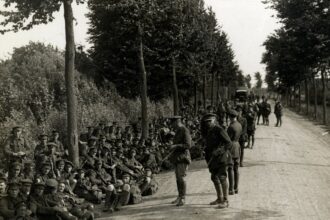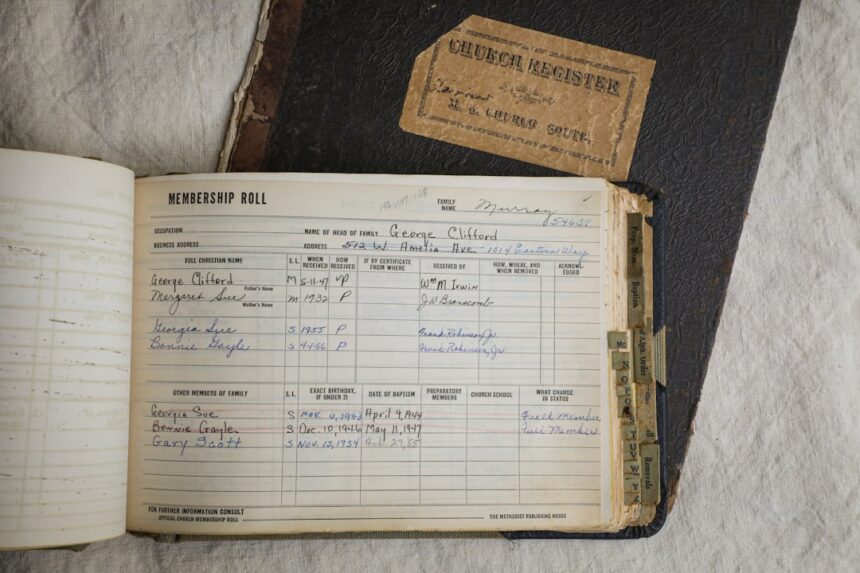
Declassified military records serve as a vital repository of information that was once shrouded in secrecy. These documents, which may include reports, memos, and operational plans, are released to the public after a certain period or under specific circumstances. The process of declassification is often complex, involving careful consideration of national security interests, historical significance, and the potential impact on ongoing military operations.
As governments recognize the importance of transparency, the release of these records has become more common, allowing historians, researchers, and the general public to gain insights into military operations and decisions that shaped history. The significance of declassified military records extends beyond mere curiosity; they provide a window into the past, revealing the intricacies of military strategy and the human experiences behind them. By examining these documents, individuals can better understand the motivations and challenges faced by military leaders and personnel.
The declassification process not only serves to inform the public but also fosters accountability within military institutions, ensuring that past actions are scrutinized and understood in their historical context.
Key Takeaways
- Declassified military records provide valuable historical insights and reveal previously unknown military strategies and operations.
- These records enhance understanding of military intelligence, surveillance, and their societal impacts.
- They play a crucial role in academic research by offering primary source material for study.
- Accessing and utilizing these records can be challenging due to legal and ethical controversies.
- Future declassifications may continue to reshape public knowledge and historical perspectives on military actions.
The Importance of Declassified Military Records
Declassified military records play a crucial role in preserving historical narratives and ensuring that future generations have access to accurate accounts of military actions. These documents often contain firsthand accounts, operational details, and strategic assessments that are invaluable for understanding the complexities of warfare. By making this information available, societies can engage in informed discussions about past conflicts, their causes, and their consequences.
This transparency is essential for fostering a culture of accountability and learning from historical mistakes. Moreover, declassified records contribute to the broader understanding of national security policies and military engagements. They allow scholars and analysts to assess the effectiveness of various strategies and tactics employed during different conflicts.
By studying these records, researchers can identify patterns in military decision-making and evaluate how these decisions have influenced contemporary military practices. The importance of declassified military records cannot be overstated; they are essential for both historical scholarship and the ongoing discourse surrounding military ethics and accountability.
Declassified Military Records and Historical Insights
The release of declassified military records has provided historians with a wealth of material to analyze and interpret. These documents often reveal previously unknown details about significant events, shedding light on the motivations behind military actions and the political contexts in which they occurred. For instance, declassified records from the Vietnam War have allowed historians to reassess U.S.
involvement in the conflict, providing new perspectives on decision-making processes and the impact of public opinion on military strategy. In addition to enhancing historical narratives, declassified records can also challenge established interpretations of events. As new information comes to light, historians may find that long-held beliefs about certain military operations or strategies require reevaluation.
This dynamic nature of historical scholarship underscores the importance of ongoing research into declassified materials, as they can significantly alter our understanding of pivotal moments in history.
Revealing Military Strategies and Tactics
One of the most significant contributions of declassified military records is their ability to illuminate the strategies and tactics employed by armed forces during various conflicts. These documents often contain detailed accounts of operational planning, troop movements, and engagement strategies that were previously classified for national security reasons. By analyzing these records, military historians can gain insights into how different forces approached warfare and adapted to changing circumstances on the battlefield.
Furthermore, understanding past military strategies can inform contemporary military practices. By studying successful tactics from previous conflicts, modern military leaders can draw lessons that may enhance their operational effectiveness. Conversely, examining failed strategies can provide valuable insights into what not to do in future engagements.
The analysis of declassified military records thus serves as a critical tool for both historical understanding and practical application in current military operations.
Uncovering Previously Classified Operations
| Metric | Description | Value | Unit | Source |
|---|---|---|---|---|
| Number of Records Declassified | Total military records declassified in the last decade | 1,250,000 | Documents | National Archives |
| Average Processing Time | Average time taken to review and declassify a record | 18 | Months | Department of Defense |
| Percentage of Records Digitized | Proportion of declassified records available in digital format | 75 | % | Military Archives |
| Top Declassified Conflict | Conflict with the highest number of declassified records | Vietnam War | N/A | Historical Analysis Report |
| Most Common Document Type | Type of document most frequently declassified | Operational Reports | N/A | Military Records Database |
| Security Level Reduction | Average reduction in classification level after declassification | 2 | Levels | Defense Security Agency |
| Public Access Rate | Percentage of declassified records accessible to the public | 60 | % | Freedom of Information Office |
Declassified military records often reveal operations that were once considered too sensitive for public knowledge. These operations may include covert missions, intelligence-gathering efforts, or special forces engagements that played crucial roles in shaping the outcomes of conflicts. By uncovering these previously classified operations, historians can piece together a more comprehensive picture of military engagements and their broader implications.
These revelations not only enhance historical understanding but also raise important questions about the ethical implications of such operations. As more information becomes available, societies must grapple with the moral complexities surrounding covert actions and their long-term consequences.
Insights into Military Intelligence and Surveillance
Declassified military records provide invaluable insights into the evolution of military intelligence and surveillance practices over time. These documents often detail the methods used to gather information about enemy forces, assess threats, and inform strategic decision-making. By studying these records, researchers can trace the development of intelligence-gathering techniques and understand how they have adapted to technological advancements.
Moreover, examining past intelligence operations can highlight both successes and failures in assessing threats. For instance, declassified records from various conflicts may reveal instances where intelligence miscalculations led to significant consequences on the battlefield.
Understanding the Impact of Declassified Military Records on Society
The release of declassified military records has profound implications for society as a whole. By making previously hidden information accessible to the public, governments promote transparency and accountability within military institutions. This openness fosters trust between citizens and their governments, as individuals are better informed about past actions taken in their name.
Additionally, declassified records can serve as a catalyst for public discourse surrounding issues such as war ethics, national security policies, and veterans’ experiences. As citizens engage with this information, they can participate in meaningful discussions about the implications of military actions on both domestic and international levels. The societal impact of declassified military records extends beyond academia; it shapes public perceptions and influences policy debates.
The Role of Declassified Military Records in Academic Research
In academic circles, declassified military records are invaluable resources for researchers studying various aspects of military history, international relations, and political science. Scholars utilize these documents to conduct in-depth analyses of specific conflicts or to explore broader themes related to warfare and statecraft. The availability of primary source materials enhances the rigor of academic research by providing firsthand accounts and official documentation.
Furthermore, declassified records often serve as a foundation for interdisciplinary studies that bridge history with fields such as sociology, psychology, and ethics. Researchers can examine how military actions impact civilian populations or explore the psychological effects of warfare on soldiers. The richness of declassified materials allows for diverse approaches to understanding complex issues related to war and peace.
Challenges and Controversies Surrounding Declassified Military Records
Despite their importance, the process of declassifying military records is not without challenges and controversies. One significant issue is the potential for selective declassification, where only certain documents are released while others remain classified for extended periods. This practice can lead to incomplete narratives that fail to provide a full understanding of historical events.
Additionally, there are concerns about the potential misuse of declassified information. While transparency is essential for accountability, there is a fine line between public interest and national security concerns. Striking this balance is a complex task that requires careful consideration by government officials tasked with overseeing the declassification process.
Accessing and Utilizing Declassified Military Records
Accessing declassified military records has become increasingly feasible due to advancements in technology and digitization efforts by various government agencies. Many countries have established online databases where individuals can search for and access declassified documents from different periods. This accessibility has democratized historical research, allowing a broader audience to engage with primary source materials.
However, navigating these resources can still pose challenges for researchers unfamiliar with archival practices or those lacking experience in historical research methodologies. Understanding how to effectively utilize these records requires training in archival research techniques and an awareness of potential biases inherent in historical documentation.
Future Implications of Declassified Military Records
As societies continue to grapple with issues related to transparency and accountability in governance, the future implications of declassified military records will likely remain significant. The ongoing release of these documents will contribute to an evolving understanding of history while also shaping contemporary discussions about national security policies. Moreover, advancements in technology may further enhance access to declassified materials, allowing for more comprehensive analyses by researchers across disciplines.
As new generations engage with these records, they will undoubtedly contribute fresh perspectives on historical events while also informing current debates surrounding military ethics and governance. In conclusion, declassified military records represent a crucial intersection between history, accountability, and societal understanding. Their importance extends beyond academic research; they shape public discourse and influence perceptions of past conflicts while providing valuable insights into military strategies and operations.
As more information becomes available through ongoing declassification efforts, societies will continue to benefit from a deeper understanding of their histories and the complexities surrounding military actions throughout time.
In recent discussions surrounding the analysis of declassified military records, an insightful article can be found on the topic at this link. The article delves into the implications of these records on our understanding of historical military operations and the transparency of governmental actions. It provides a comprehensive overview of how such analyses can reshape public perception and inform future policy decisions.
WATCH THIS! 🎬 THE HIDDEN SUBMARINE WAR: How One Man Stopped Mutiny and Nuclear Armageddon
FAQs
What are declassified military records?
Declassified military records are documents and files that were previously restricted or classified for national security reasons but have since been made available to the public after a certain period or review process.
Why are military records declassified?
Military records are declassified to promote transparency, historical research, public knowledge, and accountability. Declassification often occurs when the information is no longer sensitive or poses no threat to national security.
How can one access declassified military records?
Declassified military records can be accessed through government archives, national libraries, official military websites, or specialized databases. Some records may require formal requests or visits to physical archives.
What types of information are found in declassified military records?
These records may include operational reports, intelligence assessments, personnel files, mission details, strategic plans, communications, and other documents related to military activities.
What is involved in the analysis of declassified military records?
Analysis involves examining the content for historical context, verifying facts, understanding military strategies, assessing the impact of operations, and drawing conclusions about past events or decisions.
Are there any restrictions on using declassified military records?
While declassified records are generally public, some may still contain redacted information or be subject to usage restrictions to protect privacy or sensitive details. Users should verify any limitations before use.
How reliable are declassified military records for research?
Declassified records are considered reliable primary sources, but researchers should corroborate information with other sources due to potential biases, errors, or incomplete data.
Can declassified military records be used for legal or investigative purposes?
Yes, these records can be used in legal cases, historical investigations, or policy reviews, provided they are relevant and admissible under applicable laws and regulations.
What is the typical time frame for military records to be declassified?
The time frame varies by country and document type but often ranges from 20 to 50 years, depending on the sensitivity of the information and national security considerations.
Who is responsible for declassifying military records?
Declassification is typically managed by government agencies, such as the Department of Defense or national archives, following established protocols and review processes.