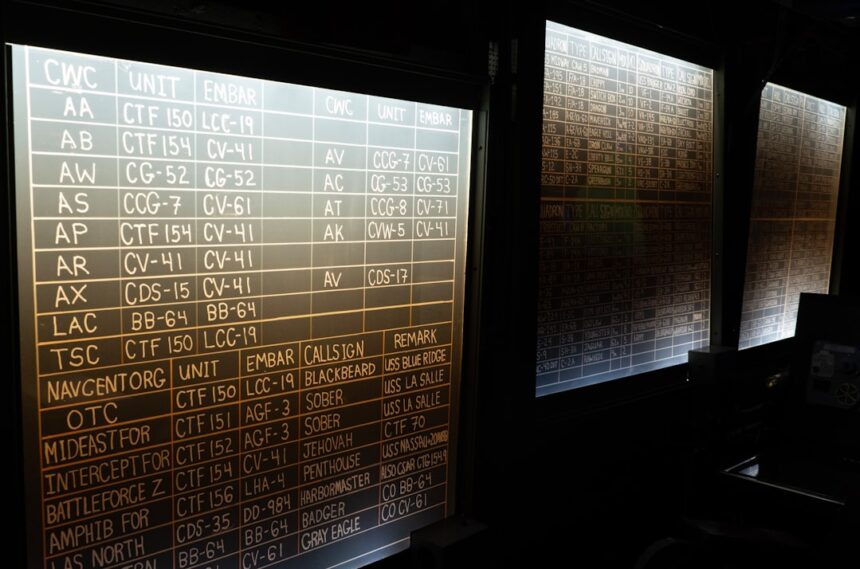
The veil of secrecy surrounding the Cold War continues to lift, revealing intricate and often daring naval operations that shaped the geopolitical landscape for decades. The recent declassification of a wealth of documents, logs, and intelligence reports offers an unprecedented glimpse into the shadowy world of naval strategy, technological innovation, and tense confrontations that defined the maritime rivalry between the United States and the Soviet Union. These newly accessible records, like scattered pieces of a vast, complex puzzle, allow us to re-examine the pivotal role of navies in a conflict fought not just with bombs and bullets, but with espionage, deterrence, and the constant threat of escalation.
The Cold War was, in many respects, a war fought beneath the waves. The silent, unseen ballet of submarines became a primary instrument of strategic deterrence and intelligence gathering. Declassified materials shed light on the relentless pursuit of subsurface dominance by both superpowers, a technological arms race waged in the crushing depths of the ocean.
The Hunter and the Hunted: Submarine vs. Anti-Submarine Warfare
The constant cat and mouse game between hunter submarines and the vessels tasked with finding them is a recurring theme in the declassified archives. The development of sonar technology, both active and passive, advanced at a furious pace. Reports detail the intricate strategies employed by both sides to detect and evade enemy submarines. Soviet submarines, often designed for stealth and carrying ballistic missiles, were a constant concern for NATO navies. Conversely, American submarines, evolving from reconnaissance platforms to formidable nuclear-powered attack submarines, aimed to neutralize Soviet naval threats and project power globally. The sheer scale and complexity of these operations are staggering, a testament to the strategic importance placed on controlling the undersea domain. Imagine the ocean floor as a vast, dark chessboard, where each submarine is a silent knight, maneuvering with calculated precision, its every move a potential harbinger of unprecedented conflict. The declassified documents allow us to see the moves on that board with a clarity previously unavailable.
The Nuclear Deterrent: Ballistic Missile Submarines
Perhaps the most critical role of submarines during the Cold War was their function as mobile, survivable platforms for nuclear ballistic missiles. The development of the Polaris, Poseidon, and Trident missile systems by the United States, and their Soviet counterparts, fundamentally altered the calculus of nuclear war. Declassified operational plans reveal the intricate procedures for ballistic missile submarine patrols, their strategic positioning to ensure “second-strike” capability, and the extreme tension associated with maintaining constant readiness. These submarines represented the ultimate poker chips in the game of nuclear deterrence. The ability to absorb a first strike and still retaliate with devastating force was the cornerstone of this strategy, and the submarines were the invisible hand holding those chips. The meticulous detail in the declassified logs, from launch procedures to patrol routes, underscores the immense gravity of these missions.
Espionage and Intelligence Gathering: The Eyes and Ears of the Deep
Beyond their combat roles, submarines were also highly effective intelligence-gathering platforms. Declassified reports detail covert operations, such as “Operation Ivy Bells,” where US Navy divers attached listening devices to Soviet underwater communication cables. These missions, fraught with peril and requiring immense skill, provided invaluable insights into Soviet naval movements, command and control structures, and technological capabilities. The risk was enormous, and the potential intelligence gain substantial. These operations were the secret whispers of the Cold War, carried on the currents of the ocean, revealing hidden truths to a select few. The records offer a fascinating look at the human element – the bravery, ingenuity, and sheer audacity of the individuals involved in these clandestine endeavors.
Recent revelations about Cold War naval operations have shed new light on the strategic maneuvers employed by both the United States and the Soviet Union during this tense period. For a deeper understanding of these operations and their implications, you can explore the article available at this link. The insights provided in the article highlight the complexities of naval warfare and the critical role it played in shaping international relations during the Cold War.
Projecting Power: Surface Fleets in a Global Arena
While submarines operated in the unseen depths, the visible might of surface fleets was crucial for projecting power, enforcing blockades, and conducting amphibious operations. Declassified documents illustrate the continuous modernization and strategic deployment of carrier strike groups, destroyers, cruisers, and other surface vessels.
The Aircraft Carrier: A Mobile Airbase in Contested Waters
The aircraft carrier, a veritable floating city and a symbol of American naval supremacy, played a central role in Cold War strategy. Declassified operational histories detail the deployment of carrier groups to flashpoints around the globe, from the Mediterranean Sea to the Taiwan Strait. These deployments were not merely displays of force; they were carefully calculated moves to deter aggression, support allies, and respond to crises. The presence of a carrier strike group could dramatically alter the strategic balance in a region, acting as a potent symbol of commitment and a formidable deterrent. These carriers were the thunderous pronouncements of naval power, their presence a constant reminder of the stakes involved in the global struggle. The logs paint a picture of constant vigilance, with flight decks humming with activity as aircraft launched and recovered, ready for any eventuality.
Amphibious Assaults: Landing the ‘Boots on the Ground’
The ability to land large numbers of troops and equipment on hostile shores was a critical component of Cold War military planning. Declassified amphibious assault plans reveal the detailed coordination required for these complex operations, involving naval bombardment, air support, and the deployment of landing craft. While many of these plans remained exercises and simulations, the consistent training and preparation underscore the readiness to conduct such operations if necessary. These plans represented the bridge between naval power and land-based operations, a critical link in the chain of military capability. The intricate choreography of these simulated assaults, as revealed in the documents, highlights the immense logistical and tactical challenges involved in projecting ground power across vast oceans.
Naval Diplomacy and Presence: The Unseen Diplomatic Blade
Beyond direct confrontation, navies served as instruments of diplomatic influence. Declassified communiqués and operational directives reveal the practice of “forward presence” – deploying naval vessels to strategic locations to signal political intent, reassure allies, and deter potential adversaries. These actions, often subtle and nuanced, were a crucial element of Cold War diplomacy. A warship on station could be a powerful, yet silent, message, its very presence speaking volumes. Imagine these ships as silent ambassadors, navigating the complex currents of international relations, their hulls carrying the weight of national policy. The declassified documents provide a deeper understanding of how this naval diplomacy was orchestrated.
Technological Innovation: The Edge of the Cold War Arms Race

The Cold War was a period of unprecedented technological advancement, and the navies of both superpowers were at the forefront of this innovation. Declassified reports highlight the relentless pursuit of technological superiority in areas such as missile systems, sonar, electronic warfare, and stealth technology.
The Arms Race Beneath the Waves: Advancements in Sonar and Submarine Design
The quest for better sonar and more elusive submarines fueled a continuous cycle of innovation. Declassified technical reports detail the development of sonar arrays, acoustic countermeasures, and the evolution of submarine hull designs to reduce acoustic signatures. The Soviet Union, in particular, invested heavily in developing submarines that could operate at greater depths and move with surprising quietness for their size. Conversely, the United States focused on advanced sonar processing and the development of quieter propulsion systems. This technological arms race was like a relentless tide, constantly reshaping the capabilities of undersea warfare. The declassified data allows us to trace the ebb and flow of this technological current, revealing the breakthroughs that pushed the boundaries of what was possible.
Electronic Warfare: The Invisible Battlefield
The control of the electromagnetic spectrum was another critical theater of the Cold War. Declassified documents reveal the development of sophisticated electronic warfare systems designed to jam enemy radar, intercept communications, and spoof targeting systems. These operations were akin to an invisible war being waged through radio waves and radar pulses, a constant battle for information dominance. The sophistication of these systems, aimed at blinding and deafening the enemy, reveals the strategic importance placed on controlling the electronic battlefield.
The Dawn of Stealth: Concealment in Plain Sight
While the concept of “stealth” in naval operations became more prominent in later decades, the Cold War saw early explorations into reducing the detectability of vessels. Declassified reports hint at experiments with radar-absorbent materials and hull shaping designed to minimize radar cross-sections. The idea was to make ships and submarines less visible to enemy sensors, effectively disappearing in plain sight. This was a nascent form of invisibility, a spectral presence that defied conventional detection.
Intelligence and Espionage: Unmasking the Adversary
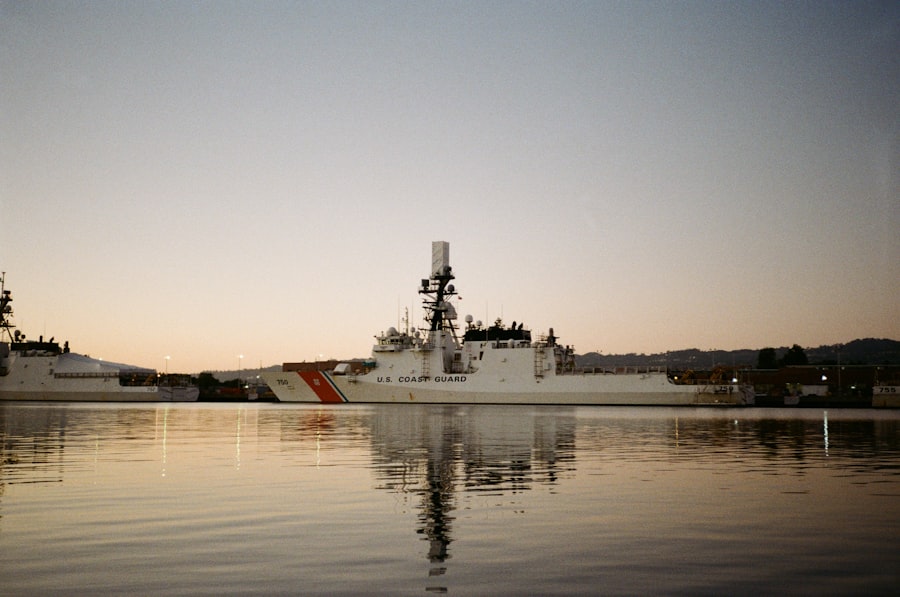
The Cold War was an era of pervasive intelligence gathering, and naval operations were a key focus. Declassified archives reveal the extensive efforts undertaken by both sides to acquire intelligence on each other’s naval capabilities, deployments, and intentions.
Signals Intelligence (SIGINT): Eavesdropping on the Enemy
The interception of enemy communications was a high-priority intelligence mission. Declassified reports detail the sophisticated SIGINT operations conducted by naval vessels and dedicated intelligence platforms. These operations aimed to glean vital information about Soviet fleet movements, operational orders, and technological advancements. Imagine a vast network of electronic ears, straining to capture the faintest whisper from across the Iron Curtain. The declassified documents offer a glimpse into this clandestine listening post.
Reconnaissance and Surveillance: Eyes in the Sky and on the Waves
Naval aircraft, reconnaissance satellites, and specially designed intelligence-gathering ships played a crucial role in observing enemy naval activity. Declassified mission logs and photographic intelligence reports illustrate the detailed surveillance undertaken to track Soviet naval bases, shipbuilding yards, and fleet exercises. These were the all-seeing eyes that watched the adversary’s every move, providing a constant stream of crucial data.
Human Intelligence (HUMINT): The Role of Spies and Informants
While the focus is often on technical intelligence, human intelligence also played a part. Declassified documents, though often more guarded in this regard, can offer insights into the recruitment and utilization of sources willing to provide information about naval activities. These were the human threads woven into the tapestry of espionage, the individuals who, for various reasons, risked everything to reveal secrets.
Recent revelations about Cold War naval operations have shed light on the strategic maneuvers that defined this tense period in history. These insights not only enhance our understanding of military tactics but also illustrate the intricate balance of power at sea. For a deeper exploration of these operations and their implications, you can read a related article on the topic at In the War Room, which provides a comprehensive analysis of naval strategies employed during the Cold War.
The Confrontations: When Deterrence Was Tested
| Operation Name | Year | Involved Nations | Type of Operation | Key Naval Assets | Outcome |
|---|---|---|---|---|---|
| Operation Ivy Bells | 1970s | USA, USSR | Undersea Surveillance & Intelligence Gathering | Submarines, Underwater Taps | Successful interception of Soviet communications |
| Operation Sea Orbit | 1964 | USA | Demonstration of Naval Power | USS Enterprise, USS Long Beach, USS Bainbridge | First nuclear-powered task force circumnavigation |
| Operation Anadyr | 1962 | USSR, USA | Deployment of Missiles to Cuba | Submarines, Surface Ships | Triggered Cuban Missile Crisis |
| Operation Market Time | 1965-1973 | USA, South Vietnam | Coastal Patrol & Interdiction | Patrol Boats, Aircraft | Reduced infiltration of supplies by sea |
| Operation RYAN | 1981-1985 | USSR | Naval Reconnaissance & Early Warning | Submarines, Recon Aircraft | Heightened alert during NATO exercises |
While the Cold War was largely a period of “cold” conflict, there were moments when tensions flared, and naval forces found themselves in direct confrontation or on the precipice of conflict. Declassified reports offer a stark reminder of these close calls and the immense pressure under which naval commanders operated.
The Cuban Missile Crisis: A Naval Standoff
The Cuban Missile Crisis in 1962 is perhaps the most famous example of a naval confrontation during the Cold War. Declassified documents reveal the intense naval blockade established by the United States around Cuba, the tense hours of diplomacy, and the constant threat of escalation. The scene was a powder keg, with warships from both superpowers facing each other across a narrow sea, the fate of the world hanging in the balance. The declassified logs from this period are a testament to the nerve-wracking reality of nuclear brinkmanship.
Encounters and Incidents: The Everyday Risks
Beyond major crises, countless smaller incidents and encounters occurred between US and Soviet naval vessels. Declassified after-action reports detail close passes, shadowing operations, and occasional aggressive maneuvers by submarines or surface ships. These seemingly minor events, when viewed collectively, highlight the constant friction and inherent risks associated with the naval standoff. These were the daily skirmishes, the low-grade fever of the Cold War, that underscored the ever-present danger of escalation.
The Role of Naval Diplomacy in De-escalation
In some instances, naval diplomacy played a role in de-escalating tensions. Declassified communications show how naval commanders, operating under strict rules of engagement, sometimes communicated directly with their Soviet counterparts to resolve misunderstandings or avoid unintended confrontations. These were the quiet conversations of restraint, the attempts to find common ground amidst the vast expanse of mutual suspicion.
The declassification of these Cold War naval operations is more than just an academic exercise. It offers a vital opportunity to understand the strategic thinking, technological advancements, and human courage that shaped the latter half of the 20th century. As these pieces of history continue to emerge from the shadows, they provide a more complete and nuanced picture of a conflict that, while “cold,” was felt intensely by those who stood on the front lines, whether on the surface, below the waves, or in the invisible battlefields of the electromagnetic spectrum. The ocean, once a silent witness, now begins to speak, sharing its long-held secrets of a world teetering on the brink.
FAQs
What were the main objectives of Cold War naval operations?
Cold War naval operations primarily aimed to establish maritime dominance, gather intelligence, deter enemy naval forces, and protect sea lanes critical for trade and military logistics between NATO and Warsaw Pact countries.
Which navies were most involved in Cold War naval operations?
The United States Navy and the Soviet Navy were the principal forces involved, with significant contributions from allied navies such as the British Royal Navy, the French Navy, and the navies of other NATO member states.
What types of vessels were commonly used in Cold War naval operations?
Cold War naval operations utilized a variety of vessels including aircraft carriers, submarines (both nuclear and diesel-electric), destroyers, cruisers, and frigates, each serving roles in power projection, surveillance, and anti-submarine warfare.
How did naval intelligence gathering impact Cold War strategies?
Naval intelligence gathering, including signals interception and reconnaissance missions, was crucial for monitoring enemy movements, technological developments, and strategic intentions, directly influencing military planning and diplomatic negotiations.
Were there any significant naval confrontations during the Cold War?
While direct large-scale naval battles were rare, there were numerous tense encounters such as submarine shadowing, naval blockades, and standoffs, including incidents like the Cuban Missile Crisis naval quarantine and various submarine collisions.