Declassified: Cold War Naval Battles
The Cold War, a period defined by ideological rivalry and a pervasive fear of nuclear annihilation, was not solely fought on land or in the skies. Beneath the waves, a silent, high-stakes chess match unfolded between the naval forces of the United States and the Soviet Union. For decades, these submarine duels, carrier group standoffs, and intelligence-gathering missions remained shrouded in secrecy, their true scope and near misses only now beginning to surface through declassified documents. This article will delve into some of these clandestine engagements, shedding light on the naval dimensions of a conflict that kept the world on a knife-edge.
The advent of the nuclear submarine fundamentally reshaped naval warfare and became a cornerstone of the Cold War deterrence strategy. These silent hunters, capable of remaining submerged for months on end and traveling vast distances at unprecedented speeds, represented a terrifying new dimension of military power. The ability to launch nuclear missiles undetected from beneath the ocean’s surface created a strategic paradox: the very weapon that promised annihilation also deterred its use, acting as a grim guarantor of mutually assured destruction.
The Silent Cat and Mouse: Atlantic Operations
The North Atlantic, a critical artery for NATO logistics and a potential invasion route for Soviet forces, became a primary theater for submarine operations. American SSBNs (Submarine-Ballistic Missile Submarine) patrolled the depths, their crews tasked with maintaining constant readiness for a retaliatory strike. Meanwhile, Soviet SSBNs, often operating closer to home waters but increasingly venturing further afield, sought to develop their own credible second-strike capability. These were not always direct confrontations but rather an intricate game of detection and evasion. Submarines would employ sophisticated sonar systems, both active and passive, to track their adversaries, a technological arms race measured in degrees of silence and sensitivity. The constant hum of sonar pinging, or the unnerving silence of a perfectly hidden submarine, was the soundtrack to this underwater drama. A missed detection could mean the difference between a successful mission and a catastrophic loss.
Arctic Ice and Deep-Sea Stalking: Pacific Operations
The vastness of the Pacific Ocean and the icy cover of the Arctic provided unique operational environments for submarines. Soviet submarines operating from their Pacific bases, such as Petropavlovsk-Kamchatsky, posed a significant threat to American naval assets in the region, including aircraft carrier strike groups. American submarines, in turn, would prowl these waters, monitoring Soviet naval movements and seeking to gain intelligence on their capabilities. The Arctic, with its underwater ridges and challenging acoustic conditions, became a particularly difficult environment to navigate and patrol. Submarines would often use the ice pack for cover, masking their acoustic signatures and presenting a formidable challenge to detection. The operational tempo was often high, with submarines conducting patrols that lasted for months, a testament to the endurance of both the vessels and their crews.
Intelligence Gathering: The Espionage Beneath the Waves
Beyond their nuclear deterrence roles, submarines were also vital tools for intelligence gathering. They would shadow enemy fleets, eavesdrop on communications, and even lay acoustic sensors on the seabed to monitor Soviet submarine movements. The USS Halibut, a converted Balao-class submarine, was famously employed in Operation Ivy Bells, a daring mission to tap into Soviet underwater communication cables in the Sea of Okhotsk. These operations, often conducted at extreme depths and in hazardous conditions, highlight the lengths to which both sides would go to gain a strategic advantage. The stakes were immense, as intelligence gleaned from these missions could inform crucial military planning and diplomatic negotiations. The success of these operations often depended on meticulous planning, technological ingenuity, and an unwavering nerve.
For those interested in the intricacies of Cold War naval battles, a fascinating article has been declassified that sheds light on previously classified operations and strategies employed during this tense period. This article not only explores the naval engagements but also provides insights into the geopolitical implications of these confrontations. To read more about these significant historical events, you can visit the article at In The War Room.
The Carrier Strike Group: Floating Fortresses and Their Escorts
Aircraft carrier strike groups, formidable symbols of naval power projection, were central to Cold War naval strategy. These mobile airfields provided a potent offensive capability, capable of delivering air power anywhere in the world. Their presence in contested waters was a constant signal of intent, a coiled spring ready to strike. However, they were also prime targets, necessitating a layered defense of escort vessels.
Deterrence and Presence: Forward Deployment in the Mediterranean and Western Pacific
The deployment of carrier strike groups to forward positions, such as the Mediterranean Sea and the Western Pacific, served a dual purpose: deterrence and presence. In the Mediterranean, American carriers acted as a bulwark against Soviet influence in the Middle East and North Africa, while also providing a visible commitment to NATO allies. In the Pacific, they were crucial for containing Soviet expansionism and projecting American power across a vast ocean. These deployments were not static; they involved constant maneuvering and exercises, designed to demonstrate readiness and deter potential aggression. The sight of an American carrier group steaming through troubled waters was a powerful message, a silent but potent declaration of intent.
The Shadow of the Soviet Navy: Potential Encounters and Close Calls
The presence of Soviet naval forces, including their own nascent carrier programs and increasingly capable surface fleets, meant that American carrier groups often operated in close proximity to potential adversaries. While direct fleet-on-fleet engagements were largely avoided, there were numerous instances of tense standoffs and near encounters. Soviet submarines would shadow American carriers, while their surface ships would conduct aggressive maneuvers to test the resolve of the escorting destroyers and cruisers. These encounters were akin to a high-wire act, where a miscalculation or an unintended escalation could have had catastrophic consequences. The declassified records reveal accounts of close passes, active sonar jamming, and bristling missile systems trained on each other.
The Role of Escort Vessels: The Shield and Spear
The success of an aircraft carrier strike group relied heavily on the effectiveness of its escort vessels. Destroyers, frigates, and cruisers formed a protective screen, tasked with defending the carrier from submarine, surface, and air threats. These escorts were the sharp edge of the spear and the sturdy shield, capable of engaging enemy submarines with torpedoes and depth charges, engaging surface vessels with their gunnery and missile systems, and defending against air attacks with anti-aircraft missiles and guns. The coordination and communication between the carrier and its escorts were paramount, a complex ballet of steel and electronics in the unforgiving marine environment.
The Espionage Beneath the Ice: Arctic Naval Operations
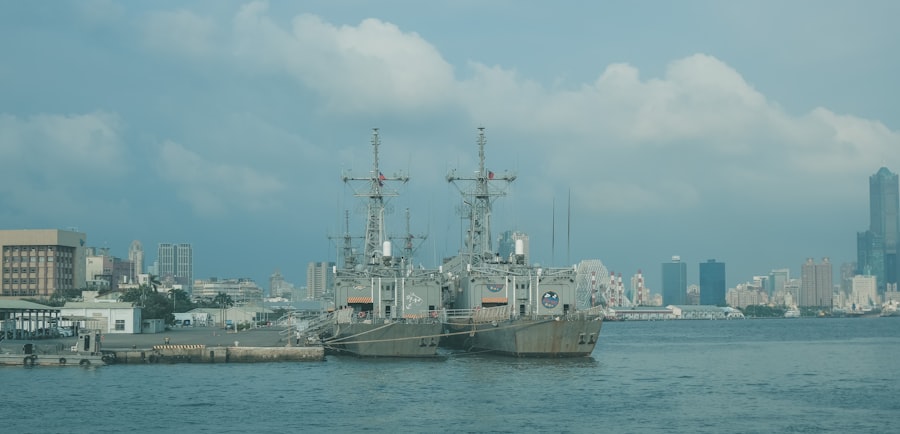
The Arctic Ocean, a strategic chokepoint and a seemingly inhospitable frontier, became an increasingly important arena for Cold War naval activity, particularly for submarines. The combination of its strategic location and the unique challenges it presented made it a target for both intelligence gathering and the deployment of strategic assets.
The Undersea Silk Road: Soviet Submarine Movement and Detection
The Soviet Union’s northern fleet, headquartered in Murmansk, possessed a significant submarine presence, including a large number of SSBNs. These submarines utilized the Arctic waters, often beneath the ice pack, to conduct patrols and evade detection. For the United States, monitoring this movement was a critical intelligence priority. The acoustic conditions beneath the ice are complex, with sound reverberating and distorting, making detection a formidable challenge. The US Navy developed specialized tactics and technologies to counter this, including the use of SOSUS (Sound Surveillance System) arrays, a network of underwater microphones designed to detect submarine noise. The Arctic became a vast, icy labyrinth where the slightest sound could betray a hidden presence.
Operation Ivy Bells: The Audacious Cable Tap
One of the most audacious intelligence operations of the Cold War, declassified in recent years, was Operation Ivy Bells. In 1971, the USS Halibut, a converted submarine, successfully tapped into a Soviet underwater communications cable in the Sea of Okhotsk, an area of strategic importance for the Soviet Pacific Fleet. Divers, operating at depths exceeding 500 feet, attached a sophisticated listening device to the cable. This allowed the US to intercept Soviet naval communications for an extended period, providing invaluable intelligence. The operation was a testament to the ingenuity and bravery of the personnel involved, operating in an incredibly dangerous and clandestine environment, a ghost in the machinery of Soviet communication.
The Icebreaker Ballet: Supporting Submarine Operations
While the focus is often on submarines, icebreakers also played a crucial, albeit less publicized, role in Arctic naval operations. These specialized vessels were essential for maintaining access to Soviet northern ports and for supporting submarine deployments. They would clear paths through the ice, allowing submarines to surface or resupply, and would also be used for scientific research and reconnaissance missions. The presence of icebreakers was a testament to the strategic importance of the Arctic and the lengths to which both sides would go to maintain their presence and influence in this frozen wilderness.
The Perilous Intelligence War: Espionage and Eavesdropping at Sea
The Cold War was as much a war of information as it was of hardware. Naval vessels, particularly submarines and specialized intelligence-gathering ships, played a crucial role in the ceaseless espionage efforts, seeking to peel back the layers of secrecy surrounding their adversary’s naval capabilities and intentions.
Listening Posts in the Deep: The Role of Intelligence Ships
Beyond submarines, dedicated intelligence-gathering ships, often disguised as research vessels or civilian freighters, prowled the oceans. These ships were equipped with advanced electronic surveillance equipment, designed to intercept radio communications, radar signals, and other forms of electronic emissions. They would operate in close proximity to Soviet naval bases and patrol areas, often in provocative ways, forcing the Soviets to react and revealing their own operational procedures. The constant cat and mouse game between these intelligence ships and their Soviet counterparts was a high-stakes endeavor, with the threat of capture or even hostile action always present.
The Submarine as an Ear: Acoustic Intelligence Gathering
As mentioned previously, submarines were not only weapons but also exceptionally effective listening devices. Their ability to operate silently in the depths allowed them to gather acoustic intelligence, identifying specific submarine signatures, tracking fleet movements, and even pinpointing the locations of underwater facilities. The declassified accounts of exercises where submarines meticulously mapped out the acoustic landscape of enemy operating areas showcase the depth of this intelligence-gathering effort. These acoustic signatures became the fingerprint of each vessel, allowing skilled analysts to identify them even without visual confirmation.
The Risk of Deception: Counter-Intelligence and Misinformation
Both sides actively engaged in counter-intelligence and the dissemination of misinformation to mislead their adversaries. This could involve deploying decoys, broadcasting false signals, or creating elaborate ruses to mask their true intentions. The sophisticated nature of these operations made it incredibly difficult for intelligence agencies to discern truth from deception, adding another layer of complexity to the already intricate naval chess match. The constant fog of war extended into the realm of perception, making every piece of intelligence a potential trap.
The declassification of documents related to Cold War naval battles has shed new light on the strategies and tensions that defined this critical period in history. For those interested in exploring this topic further, a related article provides an in-depth analysis of the naval confrontations that occurred during this era. You can read more about these fascinating events and their implications by visiting this article, which offers valuable insights into the maritime conflicts that shaped global politics.
Near Misses and the Brink of Conflict: Incidents and Stand-offs
| Battle Name | Date | Location | Forces Involved | Outcome | Declassified Information Highlights |
|---|---|---|---|---|---|
| 1967 USS Liberty Incident | June 8, 1967 | Eastern Mediterranean Sea | USS Liberty (USA) vs Israeli Air and Naval Forces | USS Liberty severely damaged, 34 killed | Declassified documents revealed intelligence gathering and communication errors leading to the attack. |
| 1968 Black Sea Incident | February 12, 1968 | Black Sea, near Soviet coast | USS Yorktown (USA) vs Soviet Navy | Confrontation without direct combat | Declassified reports show US intent to challenge Soviet territorial claims and test naval boundaries. |
| 1972 Operation Pocket Money | May 9, 1972 | Haiphong Harbor, North Vietnam | US Navy aircraft carriers and minesweepers | Successful mining of harbor | Declassified mission details revealed strategic use of naval mines to disrupt supply lines. |
| 1988 Black Sea Bumping Incident | February 12, 1988 | Black Sea | USS Yorktown and USS Caron (USA) vs Soviet Navy | Physical collisions, no casualties | Declassified footage and reports show deliberate Soviet attempts to push US ships out of contested waters. |
While the Cold War is often characterized by its avoidance of direct, large-scale conflict between the superpowers, there were numerous incidents and stand-offs at sea that brought the world precariously close to open hostilities. These declassified accounts offer a chilling glimpse into the tense moments when a miscalculation could have ignited a global conflagration.
The Cuban Missile Crisis: A Naval Blockade and its Tensions
The Cuban Missile Crisis of 1962 stands as perhaps the most iconic example of a naval stand-off escalating to the brink of nuclear war. The US Navy enforced a naval blockade (termed a “quarantine” by the US) around Cuba, preventing Soviet ships from delivering offensive missiles. Soviet submarines, operating in the vicinity, were under strict orders and faced immense pressure from US Navy warships shadowing and challenging them. One particularly harrowing incident involved the Soviet submarine B-59. Its captain, unaware of the developing diplomatic resolution and under immense stress from depth charges dropped by US destroyers, considered launching a nuclear torpedo. The decision to refrain from firing, due to the dissent of one of its officers, Vasili Arkhipov, is widely credited with averting a potential nuclear war. This incident serves as a stark reminder of the human element and the immense pressure on individuals in moments of extreme crisis.
Confrontations in International Waters: Freedom of Navigation and Provocations
Throughout the Cold War, both the US and Soviet navies frequently engaged in “freedom of navigation” operations, sailing their warships into or near waters claimed by the other side. These operations were often designed to assert international law and challenge territorial claims, but they also served as provocations. Accounts emerge of Soviet warships executing aggressive maneuvers around US carriers and vice versa, testing the reflexes of the opposing forces. These incidents, though often downplayed publicly, were meticulously documented and analyzed, each one a potential spark on a powder keg. The declassified reports reveal a constant assessment of risk and a careful calibration of aggressive actions to avoid crossing indelible red lines.
The Unseen Dangers: Accidents and Technical Failures
Beyond deliberate confrontations, the inherent dangers of operating complex naval machinery in challenging environments led to numerous accidents and technical failures. Submarine collisions, fires, and other mishaps, both documented and undocumented, occurred throughout the Cold War. While these were often contained and resolved without escalating into international incidents, they highlight the constant perils faced by naval personnel and the ever-present risk of unforeseen circumstances exacerbating geopolitical tensions. The silent depths could be as unforgiving as any enemy action.
The declassification of naval records from the Cold War is an ongoing process, continuously adding new layers to our understanding of this pivotal period in history. These once-secret documents reveal a world of constant vigilance, sophisticated espionage, and perilous encounters beneath the waves, a testament to the naval arms race that underpinned the global struggle for dominance. The battles fought in the silent depths, though often unseen by the public eye, were critical in shaping the course of the 20th century and continue to offer vital lessons for the present day.
FAQs
What were some of the most significant naval battles during the Cold War?
Significant Cold War naval battles included the Cuban Missile Crisis naval blockade, the Gulf of Tonkin incident, and various submarine confrontations between the US and Soviet navies. These engagements often involved strategic positioning and intelligence gathering rather than direct large-scale combat.
Why were many Cold War naval battles classified or kept secret?
Many Cold War naval battles were classified to maintain strategic advantages, protect intelligence sources and methods, and avoid escalating tensions between superpowers. Secrecy helped prevent public panic and limited the risk of provoking open conflict.
What types of naval vessels were primarily involved in Cold War naval battles?
Cold War naval battles primarily involved aircraft carriers, submarines (especially nuclear-powered and ballistic missile submarines), destroyers, cruisers, and frigates. Submarines played a crucial role in intelligence gathering and nuclear deterrence.
How have declassified documents changed our understanding of Cold War naval engagements?
Declassified documents have revealed previously unknown details about covert operations, submarine encounters, and naval strategies. They have provided insights into the risks of accidental conflict and the extent of espionage activities during the Cold War.
What role did naval battles play in the overall Cold War strategy?
Naval battles and operations were central to Cold War strategy by enabling power projection, securing sea lanes, conducting surveillance, and maintaining nuclear deterrence. Control of the seas was vital for both NATO and Warsaw Pact forces to influence global geopolitical dynamics.