The declassification of Cold War documents provides essential primary source material for analyzing 20th-century international relations. These records document the strategic decisions, diplomatic communications, and intelligence operations conducted by the United States, Soviet Union, and their respective allies between 1947 and 1991. Government agencies have released millions of pages of previously classified materials through systematic declassification programs, enabling researchers to examine the decision-making processes that shaped Cold War policies.
These documents reveal specific details about nuclear strategy, proxy conflicts, intelligence gathering, and diplomatic negotiations that were previously unknown or based on speculation. They include presidential briefings, military assessments, diplomatic cables, and intelligence reports that demonstrate how leaders evaluated threats and formulated responses. The materials also document covert operations, alliance structures, and economic policies implemented during the period.
Declassified records provide evidence of how Cold War tensions affected civilian populations through policies such as civil defense programs, loyalty investigations, and refugee assistance. They contain data on military expenditures, arms control negotiations, and technological developments that influenced the balance of power. These sources allow historians to verify or revise existing interpretations of events such as the Cuban Missile Crisis, the Berlin Blockade, and various proxy wars in developing nations.
The availability of these documents enables comparative analysis of decision-making in both democratic and authoritarian systems during the Cold War. They serve as primary sources for understanding how ideological competition influenced domestic and foreign policies, and provide measurable data on the conflict’s economic, social, and political impacts on participating nations.
Key Takeaways
- Declassified Cold War documents provide critical insights into political strategies, espionage, and covert operations during the era.
- The process of declassification reveals hidden aspects of the arms race and intelligence activities that shaped global power dynamics.
- These documents have significantly influenced historical narratives and the evolution of Cold War historiography.
- Understanding declassified materials helps shape modern diplomacy by learning from past conflicts and covert actions.
- Ethical considerations arise regarding transparency and the potential impact of revealing sensitive information on current and future policies.
The Process of Declassifying Cold War Documents
The process of declassifying Cold War documents is a meticulous and often lengthy endeavor that involves multiple layers of review and scrutiny. Initially, government agencies must identify which documents are eligible for declassification, typically based on their age and relevance to national security. This process is governed by laws and regulations that dictate how long certain types of information must remain classified.
For instance, documents related to national security may remain classified for decades, while others may be eligible for declassification after a shorter period. Once documents are identified for declassification, they undergo a thorough review to ensure that sensitive information is not inadvertently released. This review process often involves multiple stakeholders, including intelligence agencies, legal teams, and historians.
The goal is to strike a balance between transparency and national security, ensuring that the public has access to important historical information while protecting ongoing intelligence operations or sensitive diplomatic relations. The complexity of this process can lead to delays and frustrations among researchers eager to access these valuable resources.
Declassified Cold War Documents: Insights into Political Strategies
Declassified Cold War documents provide invaluable insights into the political strategies employed by both superpowers during this critical period. These records reveal how leaders crafted their foreign policies in response to perceived threats and opportunities, often driven by ideological commitments and national interests. For instance, documents detailing U.S. strategies in Europe highlight the emphasis on containment and deterrence as central tenets of American foreign policy. This approach aimed to prevent the spread of communism while maintaining a balance of power in Europe. Conversely, Soviet documents shed light on their own strategic calculations, illustrating how they sought to expand their influence globally. The interplay between these strategies often led to proxy wars, diplomatic standoffs, and military buildups that characterized the Cold War era. By analyzing these documents, historians can trace the evolution of political thought and strategy on both sides, revealing how decisions were influenced by domestic pressures, international events, and ideological commitments. This understanding enriches the narrative of the Cold War and highlights the complexities inherent in international relations.
Revealing the Espionage and Intelligence Operations of the Cold War
The realm of espionage during the Cold War was marked by secrecy, deception, and high-stakes operations that shaped global events. Declassified documents have unveiled a plethora of intelligence activities undertaken by both the United States and the Soviet Union, providing a glimpse into a shadowy world where information was power. These records detail covert operations, surveillance tactics, and espionage missions that were often conducted under a veil of secrecy.
The revelations contained within these documents illustrate how intelligence agencies operated in pursuit of national interests, often at great risk. For example, declassified files have exposed the extent of CIA operations in various countries, including efforts to undermine governments perceived as hostile to U.S. interests.
Similarly, Soviet intelligence operations aimed at infiltrating Western institutions reveal a parallel commitment to gathering information and influencing events abroad. The insights gained from these documents not only enhance understanding of specific events but also underscore the broader implications of espionage on international relations during the Cold War. They highlight how intelligence shaped policy decisions and contributed to an atmosphere of mistrust between superpowers.
Declassified Cold War Documents and the Arms Race
| Document Title | Year Declassified | Country | Type of Document | Key Information | Number of Pages |
|---|---|---|---|---|---|
| Venona Project Transcripts | 1995 | USA | Intelligence/Cryptography | Decrypted Soviet espionage communications | 3,000+ |
| CIA Family Jewels | 2007 | USA | Internal Reports | Details on CIA illegal activities during Cold War | 700+ |
| KGB Archives on U-2 Incident | 2013 | Russia | Operational Reports | Details of the 1960 U-2 spy plane shootdown | 150 |
| British MI5 Cold War Files | 2010 | UK | Security Reports | Information on Soviet espionage in the UK | 1,200 |
| East German Stasi Files | 1990 | East Germany | Surveillance Records | Extensive surveillance on citizens and foreign agents | 10,000+ |
The arms race between the United States and the Soviet Union was one of the defining features of the Cold War, characterized by an escalating competition for military superiority. Declassified documents provide critical insights into this arms race, revealing the motivations behind nuclear proliferation and military buildup on both sides. These records illustrate how leaders justified their decisions to develop increasingly sophisticated weaponry in response to perceived threats from their adversaries.
Through these documents, historians can trace the evolution of nuclear strategy and arms control negotiations. For instance, discussions surrounding treaties such as SALT (Strategic Arms Limitation Talks) are illuminated through declassified materials that reveal the complexities of diplomacy in an era defined by mutual suspicion. The insights gained from these records not only enhance understanding of military strategy but also highlight the broader implications for global security and stability during a time when the threat of nuclear conflict loomed large.
The Impact of Declassified Cold War Documents on Historical Narratives
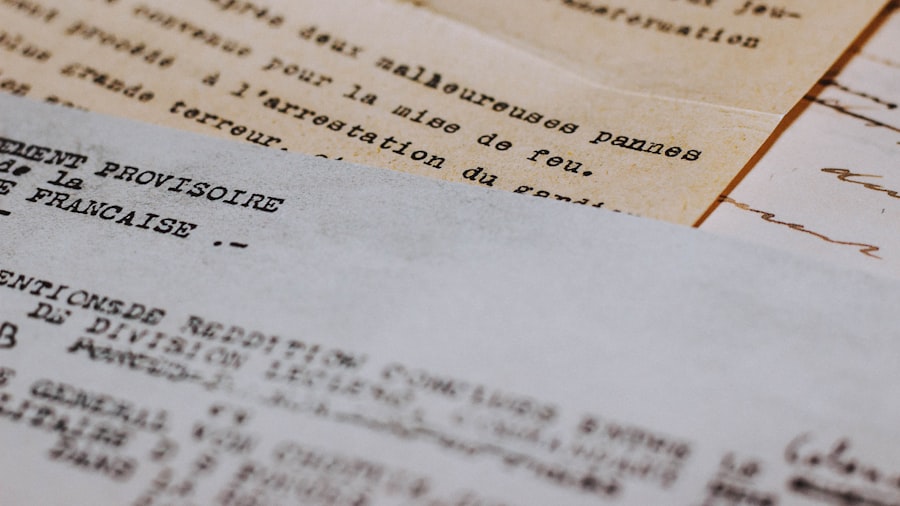
The release of declassified Cold War documents has had a profound impact on historical narratives surrounding this period. As new information comes to light, historians are compelled to reevaluate established interpretations and consider alternative perspectives on key events. This process often leads to a more nuanced understanding of the motivations behind actions taken by both superpowers and their allies.
For instance, previously accepted narratives about specific conflicts or diplomatic initiatives may be challenged by newly available evidence that reveals hidden agendas or overlooked factors. This dynamic nature of historical interpretation underscores the importance of ongoing research and analysis in shaping our understanding of the past. As scholars continue to engage with declassified materials, they contribute to a richer tapestry of historical knowledge that reflects the complexities inherent in international relations during the Cold War.
Declassified Cold War Documents: Uncovering Covert Operations
Covert operations were a hallmark of Cold War strategy, with both superpowers engaging in clandestine activities aimed at advancing their interests without direct confrontation. Declassified documents have played a crucial role in uncovering these covert operations, shedding light on missions that were often shrouded in secrecy. From regime change efforts to psychological warfare campaigns, these records reveal a range of tactics employed by intelligence agencies to achieve strategic objectives.
The insights gained from these documents not only enhance understanding of specific operations but also highlight broader themes related to ethics and accountability in international relations. As historians analyze these covert activities, they grapple with questions about the legitimacy of such actions and their long-term consequences for global stability. The revelations contained within declassified materials serve as a reminder of the complexities involved in statecraft during an era defined by ideological conflict.
The Role of Declassified Cold War Documents in Shaping Modern Diplomacy
Declassified Cold War documents continue to influence modern diplomacy by providing valuable lessons from past experiences. As contemporary leaders navigate complex international challenges, insights gleaned from historical records can inform decision-making processes and diplomatic strategies. Understanding how past leaders approached negotiations, managed crises, and responded to emerging threats can offer valuable guidance for addressing current global issues.
Moreover, these documents serve as reminders of the importance of transparency and accountability in international relations. As governments grapple with issues such as nuclear proliferation, terrorism, and climate change, lessons learned from Cold War diplomacy can inform contemporary approaches to conflict resolution and cooperation among nations. By studying historical precedents, policymakers can better appreciate the intricacies involved in building trust and fostering collaboration in an increasingly interconnected world.
Declassified Cold War Documents and the Evolution of Cold War Historiography
The evolution of Cold War historiography has been significantly shaped by the availability of declassified documents. As new materials become accessible, historians are able to challenge existing narratives and propose alternative interpretations based on fresh evidence. This ongoing dialogue within the field reflects a dynamic engagement with history that acknowledges its complexity and multifaceted nature.
The impact of declassified documents extends beyond academic circles; it influences public discourse about the Cold War as well.
This interplay between scholarship and public understanding underscores the importance of continued engagement with historical records as societies seek to make sense of their pasts.
The Ethical and Moral Implications of Declassifying Cold War Documents
The declassification of Cold War documents raises important ethical and moral questions regarding transparency, accountability, and national security. While access to historical records is essential for fostering informed discourse about past actions, there are concerns about potential risks associated with releasing sensitive information. Balancing the public’s right to know with considerations for ongoing security interests presents a complex challenge for governments tasked with managing classified materials.
Furthermore, ethical considerations extend beyond national security; they encompass issues related to historical memory and justice for those affected by covert operations or state-sponsored actions during the Cold War. As societies grapple with their legacies, declassified documents can serve as tools for reckoning with past injustices while also prompting discussions about accountability for actions taken in the name of national interests.
Declassified Cold War Documents: Lessons for the Present and Future
The lessons gleaned from declassified Cold War documents resonate strongly in today’s geopolitical landscape. As nations confront new challenges—ranging from cyber warfare to climate change—the insights derived from historical records can inform contemporary strategies for conflict resolution and cooperation among states. Understanding how past leaders navigated crises can provide valuable guidance for addressing current global issues.
Moreover, these documents serve as reminders of the importance of diplomacy in preventing conflict and fostering collaboration among nations. As contemporary leaders engage with complex international challenges, they can draw upon lessons learned from history to build trust and promote dialogue in an increasingly interconnected world. Ultimately, declassified Cold War documents not only illuminate the past but also offer valuable insights for shaping a more peaceful future through informed decision-making and collaborative efforts among nations.
Recent revelations from declassified Cold War documents have shed new light on the geopolitical tensions of the era, providing historians and enthusiasts with a wealth of information to analyze. For a deeper understanding of these developments, you can explore a related article that discusses the implications of these documents on our understanding of Cold War strategies and policies. Check it out here: In The War Room.
FAQs
What are declassified Cold War documents?
Declassified Cold War documents are official government records and materials from the Cold War era that were previously classified for security reasons but have since been made available to the public.
Why were these Cold War documents classified initially?
These documents were classified to protect national security, intelligence sources, military strategies, and diplomatic communications during the tense geopolitical conflict between the United States, the Soviet Union, and their allies.
When did the declassification of Cold War documents begin?
Declassification of Cold War documents began gradually after the Cold War ended in the early 1990s, with many governments releasing materials over subsequent decades to promote transparency and historical research.
What types of information can be found in declassified Cold War documents?
They may include intelligence reports, diplomatic cables, military plans, surveillance data, policy discussions, and records of covert operations related to Cold War events and strategies.
Which countries have released Cold War documents?
Countries involved in the Cold War, such as the United States, Russia, the United Kingdom, and others, have released various documents, though the extent and timing of declassification vary by country.
How can the public access declassified Cold War documents?
Many declassified documents are available through national archives, government websites, libraries, and research institutions. Some may require formal requests or visits to specific archives.
What is the significance of declassified Cold War documents for historians?
These documents provide valuable insights into the political, military, and intelligence activities of the Cold War, helping historians understand the motivations, decisions, and events that shaped the era.
Are all Cold War documents now declassified?
No, many Cold War documents remain classified due to ongoing security concerns, sensitive information, or diplomatic reasons. Declassification is an ongoing process.
Can declassified Cold War documents impact current international relations?
Yes, revelations from these documents can influence contemporary diplomatic relations by shedding light on past actions, misunderstandings, or agreements between countries.
Do declassified Cold War documents include information about espionage activities?
Yes, many documents reveal details about espionage, intelligence gathering, and counterintelligence operations conducted by various Cold War actors.