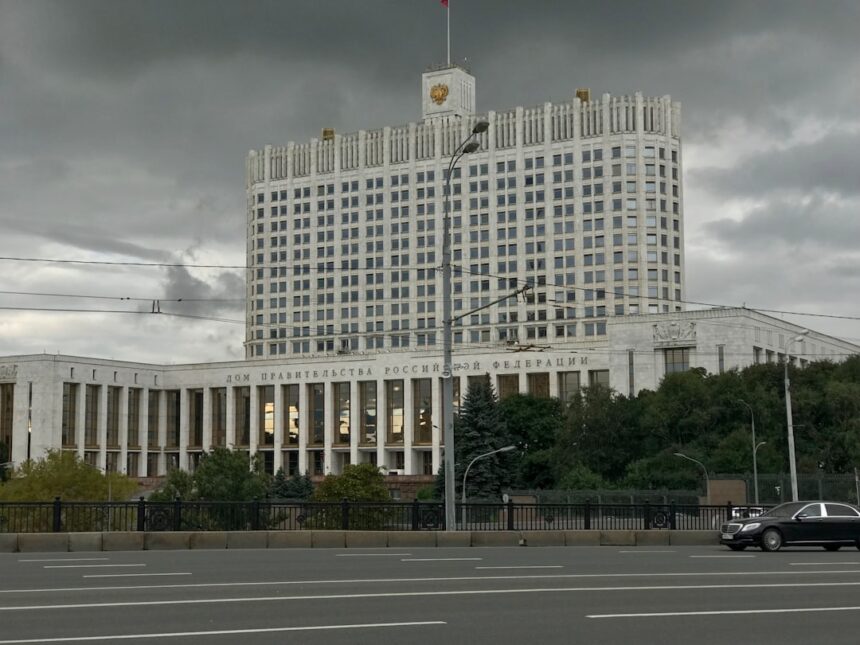
The Central Intelligence Agency (CIA) began conducting intelligence operations in Moscow following its establishment in 1947. During the post-World War II period, escalating tensions between the United States and Soviet Union created a competitive environment for global influence. The CIA’s mission included collecting intelligence on Soviet military capabilities, political activities, and technological developments.
Initial operations employed conventional espionage techniques and human intelligence (HUMINT) sources to obtain information from within Soviet territory. During the Cold War’s intensification, CIA operations in Moscow evolved to become more complex and systematic. The agency established networks of informants and operatives, implementing diverse intelligence-gathering methodologies.
The creation of the CIA’s Moscow station during the 1950s represented a significant operational development, enabling more coordinated and strategic intelligence activities. This era featured covert operations that influenced U.S.-Soviet diplomatic and strategic relations throughout the Cold War period.
Key Takeaways
- CIA operations in Moscow have a long history, especially prominent during the Cold War era.
- Agents used advanced techniques and faced significant risks to gather critical intelligence.
- Declassified documents have shed light on the scope and methods of these covert activities.
- CIA operations influenced US-Soviet relations, sometimes sparking controversies.
- The legacy of these operations continues to shape modern intelligence practices and future strategies.
The Cold War and CIA Operations in Moscow
The Cold War era was characterized by a pervasive atmosphere of distrust and hostility between the United States and the Soviet Union. During this time, CIA operations in Moscow were not only about gathering intelligence but also about countering Soviet influence around the globe. The agency employed a range of tactics, from surveillance to psychological warfare, to undermine Soviet power and promote American interests.
The stakes were high, as both superpowers sought to assert their dominance in a world divided by ideology. One of the most notable operations during this period was the use of defectors and double agents. The CIA sought to exploit vulnerabilities within the Soviet system by recruiting individuals who could provide valuable insights into Soviet operations.
These efforts were often fraught with danger, as the agency had to navigate a complex web of loyalties and betrayals. The Cold War not only shaped the nature of CIA operations in Moscow but also influenced the broader geopolitical landscape, as intelligence became a critical tool in the struggle for supremacy. Learn about the fascinating story of a Soviet radar engineer espionage Cold War operation that changed history.
The Role of CIA Agents in Gathering Intelligence in Moscow
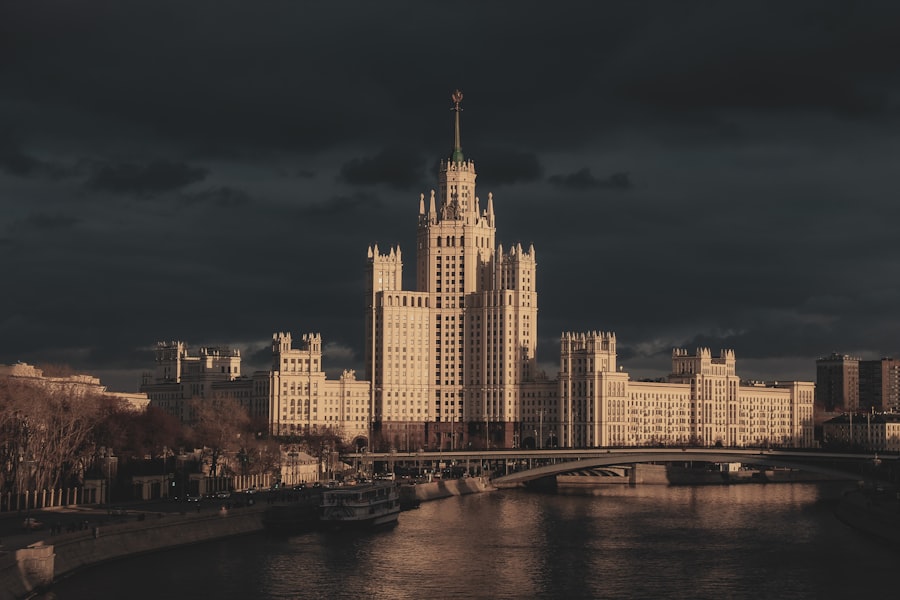
CIA agents played a pivotal role in gathering intelligence in Moscow, often operating under extreme conditions and facing significant challenges. These operatives were tasked with infiltrating Soviet institutions, monitoring military activities, and assessing political developments. Their work required not only technical skills but also cultural understanding and linguistic proficiency, as they needed to blend into their surroundings while collecting sensitive information.
The agents employed various methods to gather intelligence, including surveillance, recruitment of informants, and analysis of open-source materials. They often operated in secrecy, relying on coded communications and clandestine meetings to relay information back to headquarters. The success of these operations depended heavily on the agents’ ability to navigate the complexities of Soviet society while maintaining their cover.
Their contributions were invaluable in shaping U.S. policy and strategy during a time of heightened tension.
Declassified Documents Revealing CIA Operations in Moscow
In recent years, declassified documents have shed light on the CIA’s operations in Moscow, providing historians and analysts with a clearer understanding of the agency’s activities during the Cold War. These documents reveal a range of covert actions, from surveillance programs to efforts aimed at destabilizing the Soviet regime. They also highlight the challenges faced by CIA operatives, including the constant threat of exposure and retaliation.
One particularly revealing document detailed Operation CHAOS, which aimed to monitor and disrupt anti-war movements within the United States that were perceived as sympathetic to Soviet interests. This operation underscored the extent to which the CIA was willing to go to protect national security interests, even if it meant operating within its own borders. The declassification of these documents has sparked renewed interest in the agency’s history and its impact on U.S.-Soviet relations.
The Impact of CIA Intelligence Operations on US-Soviet Relations
| Operation Name | Year Conducted | Objective | Outcome | Declassification Year |
|---|---|---|---|---|
| Operation Merlin | 1990 | Disrupt Soviet nuclear weapons program | Partially successful; some intelligence gained but also risked exposure | 2010 |
| Operation Farewell | 1981-1982 | Expose Soviet espionage and technology theft | Highly successful; led to expulsion of Soviet spies | 2005 |
| Operation Ivy Bells | 1970s | Wiretap undersea Soviet communication cables | Successful; provided valuable intelligence for years | 1990 |
| Operation RYAN | 1980s | Monitor Soviet military readiness and intentions | Mixed results; increased understanding of Soviet paranoia | 2015 |
| Operation Azorian | 1974 | Recover sunken Soviet submarine K-129 | Partially successful; recovered some material but lost submarine | 1995 |
The intelligence operations conducted by the CIA in Moscow had a profound impact on U.S.-Soviet relations throughout the Cold War. These operations often exacerbated tensions between the two superpowers, as each side sought to outmaneuver the other through espionage and counterintelligence efforts. The revelations of CIA activities frequently fueled propaganda campaigns within the Soviet Union, portraying the United States as an imperialist aggressor intent on undermining Soviet sovereignty.
Moreover, successful intelligence operations provided U.S. policymakers with critical insights that informed their decisions regarding military strategy and diplomatic negotiations. For instance, knowledge gained from CIA operatives about Soviet missile capabilities played a crucial role during events such as the Cuban Missile Crisis.
However, these operations also led to retaliatory measures by the Soviets, including increased surveillance of American diplomats and heightened security measures against perceived threats.
The Techniques and Tools Used by CIA Agents in Moscow
CIA agents employed a variety of techniques and tools to carry out their missions in Moscow effectively. One of the primary methods was human intelligence (HUMINT), which involved recruiting informants within Soviet institutions or among expatriate communities. These informants provided valuable insights into political developments, military activities, and technological advancements that could impact U.S.
In addition to HUMINT, agents utilized advanced surveillance technologies to monitor communications and movements within Moscow. This included wiretapping phone lines, intercepting radio transmissions, and employing satellite imagery to gather information on military installations.
The combination of traditional espionage techniques with cutting-edge technology allowed CIA operatives to maintain an edge over their Soviet counterparts, although they often had to operate under significant constraints imposed by hostile environments.
The Risks and Dangers Faced by CIA Agents in Moscow
The risks faced by CIA agents operating in Moscow were considerable, as they navigated a landscape fraught with danger and uncertainty. The threat of exposure was ever-present; if discovered, agents could face severe consequences ranging from imprisonment to execution. The KGB, the Soviet Union’s primary security agency, was known for its ruthless tactics in hunting down spies and informants, making every operation a high-stakes endeavor.
Moreover, agents had to contend with the psychological toll of living under constant surveillance and suspicion. Many operatives reported feelings of isolation and paranoia as they worked to maintain their covers while gathering intelligence. The pressure to deliver results was immense, as failures could have dire implications for U.S.
national security interests. Despite these challenges, many agents demonstrated remarkable resilience and resourcefulness in their efforts to fulfill their missions.
The Controversies Surrounding CIA Operations in Moscow
CIA operations in Moscow have not been without controversy, as various actions taken by the agency have raised ethical questions about the means employed to achieve national security objectives. Critics argue that some operations crossed moral lines, particularly those involving manipulation or coercion of informants.
The use of covert operations also sparked concerns about accountability and oversight within the intelligence community. As revelations about CIA activities emerged over time, public scrutiny intensified regarding the agency’s methods and motivations. This scrutiny has led to calls for greater transparency and reform within intelligence agencies to ensure that national security efforts do not come at the expense of ethical considerations.
The Legacy of CIA Operations in Moscow
The legacy of CIA operations in Moscow is complex and multifaceted. On one hand, these operations contributed significantly to U.S. understanding of Soviet capabilities and intentions during a critical period in history.
They provided policymakers with essential information that shaped military strategies and diplomatic negotiations throughout the Cold War. On the other hand, the controversies surrounding these operations have left a lasting impact on public perception of intelligence agencies. The ethical dilemmas faced by operatives and the consequences of covert actions have prompted ongoing discussions about the balance between national security and civil liberties.
As history continues to unfold, the legacy of CIA operations in Moscow serves as a reminder of the intricate interplay between intelligence gathering and international relations.
The Relationship Between CIA Operations in Moscow and Modern Intelligence Gathering
The evolution of intelligence gathering since the Cold War has been influenced significantly by past experiences, including those of CIA operations in Moscow. Modern intelligence agencies now employ a blend of traditional espionage techniques alongside advanced technological tools such as cyber surveillance and data analytics. This shift reflects lessons learned from earlier operations where human intelligence was paramount but often limited by technological constraints.
Furthermore, contemporary intelligence gathering emphasizes collaboration among international partners to address global threats such as terrorism and cyber warfare. While some methods remain rooted in historical practices established during Cold War espionage efforts, there is now a greater focus on ethical considerations and legal frameworks governing intelligence activities. This evolution highlights how past experiences continue to shape current practices while adapting to an ever-changing global landscape.
The Future of CIA Intelligence Operations in Moscow
Looking ahead, the future of CIA intelligence operations in Moscow will likely be shaped by an increasingly complex geopolitical environment marked by renewed tensions between Russia and the West. As technological advancements continue to evolve rapidly, so too will the methods employed by intelligence agencies seeking to gather information on adversaries. Moreover, as global dynamics shift with emerging powers challenging traditional paradigms, CIA operations will need to adapt accordingly while remaining vigilant against potential threats posed by state-sponsored cyber activities or disinformation campaigns.
Balancing national security interests with ethical considerations will remain paramount as agencies navigate this intricate landscape moving forward. In conclusion, CIA operations in Moscow have played a pivotal role throughout history—shaping not only U.S.-Soviet relations but also influencing modern intelligence practices today. As we reflect on these past endeavors while looking toward future challenges ahead—one thing remains clear: effective intelligence gathering will continue being essential for safeguarding national interests amid evolving global complexities.
In recent years, the declassification of CIA Moscow intelligence operations has shed light on the agency’s intricate strategies during the Cold War. For a deeper understanding of these operations and their implications, you can read a related article that explores the nuances of espionage in this critical period. Check it out here: CIA Moscow Intelligence Operations.
WATCH THIS! 🕵️ HE CHOSE BETRAYAL—And His Wife Paid the Price | The Billion Dollar Spy
FAQs
What is the CIA Moscow intelligence operations declassified?
The CIA Moscow intelligence operations declassified refers to the public release of previously classified information about the Central Intelligence Agency’s covert activities and espionage efforts conducted in Moscow, Russia. This declassification provides insight into the methods, missions, and historical context of CIA operations during the Cold War and beyond.
When were the CIA Moscow intelligence operations declassified?
The declassification of CIA Moscow intelligence operations has occurred in stages over several years, with significant releases happening in the 1990s and continuing into the 21st century as part of efforts to increase transparency and historical understanding. Specific dates vary depending on the documents and operations involved.
Why were these CIA operations in Moscow kept classified?
These operations were kept classified to protect national security interests, safeguard intelligence sources and methods, and maintain the effectiveness of ongoing espionage activities. Revealing such information prematurely could have compromised agents, diplomatic relations, and operational capabilities.
What kind of information is revealed in the declassified documents?
The declassified documents typically include details about espionage techniques, agent recruitment, surveillance activities, communication methods, and specific missions carried out by the CIA in Moscow. They may also shed light on interactions with Soviet intelligence agencies and the challenges faced by operatives.
How has the declassification impacted historical understanding of the Cold War?
The declassification has provided historians, researchers, and the public with a more nuanced and detailed understanding of the intelligence battles between the United States and the Soviet Union. It has helped clarify the scope and nature of espionage activities, contributing to a more comprehensive view of Cold War dynamics.
Are there any risks associated with declassifying intelligence operations?
Yes, declassifying intelligence operations can pose risks such as revealing sensitive sources and methods, endangering former agents or their contacts, and potentially compromising ongoing intelligence efforts. Therefore, declassification is carefully reviewed to balance transparency with security.
Where can the public access the declassified CIA Moscow intelligence documents?
Declassified documents are often made available through the CIA’s Freedom of Information Act (FOIA) Electronic Reading Room, the National Archives, and other government repositories. Some materials may also be published in books or academic journals focusing on intelligence history.
Has Russia responded to the declassification of CIA operations in Moscow?
Official responses from Russia vary, but generally, the Russian government views such disclosures with suspicion or criticism, considering them as attempts to undermine Russian security or historical narratives. However, specific reactions depend on the content and timing of the declassified information.