The world of intelligence is often shrouded in mystery, a carefully guarded tapestry of secrets woven by agencies tasked with safeguarding national interests. Among these, the Central Intelligence Agency (CIA) has undoubtedly played a significant role, and its maritime operations, in particular, remain a fertile ground for untamed questions. While much about these endeavors remains classified, the gradual declassification of certain documents allows a glimpse into the shadowy depths of Cold War seabed reconnaissance, clandestine insertions, and the relentless pursuit of strategic advantage on the world’s oceans. These declassified accounts are not mere historical footnotes; they are the whispers of a bygone era, revealing operational gambits and technological leaps that shaped geopolitical landscapes.
The silent ballet of submarines beneath the waves has always been a crucial element of global military strategy. For the CIA, understanding the capabilities, movements, and technological advancements of adversary submarines was paramount. The declassified materials shed light on a sustained and often audacious effort to peer into this submerged world, a race against time and the enemy’s stealth.
The Eyes and Ears of the Deep: Acoustic Intelligence Gathering
A significant portion of declassified information pertains to the meticulous collection of acoustic intelligence. submarines, as masters of the deep, rely on sound to navigate, communicate, and detect. Therefore, intercepting and analyzing these sonic signatures became a primary objective.
Listening Posts Above and Below: The Role of SOSUS and Other Arrays
The Sound Surveillance System (SOSUS) stands as a monumental achievement in this domain. Initially developed by the U.S. Navy for submarine detection, its intelligence applications were quickly recognized by the CIA. Declassified documents detail the construction and deployment of vast underwater acoustic arrays across strategic ocean floor locations. These were not delicate probes but robust, industrial-scale installations, designed to listen persistently to the ceaseless hum of the ocean and, more importantly, the telltale sounds of passing submarines. Think of these arrays as the nerves of a colossal, unseen organism, constantly transmitting vital information back to shore. The sheer scale and technological sophistication required for such a network underscore the immense resources committed to this covert effort.
The Art of the Intercept: Identifying and Tracking Submarine Signatures
Beyond mere detection, the declassified material hints at the complex process of identifying and classifying individual submarine signatures. This involved developing sophisticated algorithms to distinguish between different classes of submarines, recognizing their unique engine noises, propeller sounds, and even the operational nuances of their crews. Each submarine, in essence, possessed a sonic fingerprint, and the CIAs mission was to learn to read this language of the deep. The challenges were immense, from differentiating naval vessels from marine mammals to filtering out ambient ocean noise that could obscure crucial signals.
Beyond Acoustics: Other Forms of Submarine Intelligence
While acoustics dominated, other methods were also employed. The pursuit of comprehensive intelligence meant exploring every available avenue, even those that pushed the boundaries of feasibility.
The Reconnaissance Challenge: Aerial and Satellite Overflights
The surface presence of submarines, even if infrequent, presented opportunities for aerial and satellite reconnaissance. Declassified reports may touch upon missions designed to photograph submarine pens, track submerged transit routes through sonar mapping, or even attempt to detect submarine wakes. While submarines are designed for concealment, they are not entirely invisible, and any fleeting moment above or near the surface could be a window of opportunity. The effectiveness of these methods, however, was often hampered by the sheer vastness of the oceans and the limited dwell time of aerial assets.
The Human Element: Espionage and Information Brokerage
The declassified record might also allude to the more traditional, albeit often more perilous, methods of intelligence gathering, including the use of human assets. This could involve cultivating sources within naval facilities, tracking the movements of key personnel, or obtaining blueprints and technical specifications through clandestine means. The human factor, always a potent force in intelligence, likely played a role even in the technologically advanced arena of submarine warfare.
In exploring the intriguing world of declassified CIA maritime operations, one can gain deeper insights by examining the related article available at this link. This article delves into the strategic significance of maritime activities conducted by the CIA during the Cold War, highlighting key operations and their implications for international relations. By understanding these covert missions, readers can appreciate the complexities of intelligence work and its impact on global maritime security.
Mastering the Waves: Covert Operations and Unconventional Warfare
The CIA’s maritime operations were not solely about passive observation. They encompassed a range of active, covert operations designed to project power, disrupt enemy capabilities, and achieve strategic objectives without overt declaration of involvement. These operations were often conducted in the liminal spaces between peace and war, where deniability was as crucial as effectiveness.
The Stealthy Insertion: Special Forces and Clandestine Deployment
The ability to insert small teams of highly trained personnel into enemy territory by sea was a vital component of many covert missions. Declassified documents might describe the planning and execution of such operations, highlighting the intricate logistical challenges and the reliance on specialized maritime assets.
Under the Cover of Darkness: Submersible and Inflatable Craft
The use of specialized submersibles, ranging from small one-man chariots to larger, sophisticated craft capable of transporting multiple operatives, is often detailed in declassified accounts. These vessels provided the ultimate stealth, allowing for silent approaches to enemy coastlines or vessels. Similarly, inflatable raiding craft, while less sophisticated, offered a means of rapid, low-profile insertion for shorter distances. Imagine these craft as the whispered secrets of the sea, appearing from the darkness and vanishing just as quickly.
The Art of the Amphibious Assault (Covert Style)
These insertions were not limited to reconnaissance. Declassified materials might reveal scenarios where covert teams were tasked with sabotage, intelligence collection within enemy ports, or even the planting of listening devices. The success of these missions hinged on precise timing, meticulous planning, and the ability of the operatives to blend into their surroundings or disappear without a trace.
Disrupting the Flow: Maritime Interdiction and Sabotage
Beyond personnel deployment, the CIA actively sought to disrupt enemy maritime activities. This could involve interdicting supply lines, sabotaging infrastructure, or creating diversions that would tie up enemy naval assets.
Choke Points and Strategic Waters: Targeting Key Maritime Routes
The strategic importance of certain maritime choke points – narrow passages that control access to larger bodies of water – made them prime targets for disruption. Declassified documents could offer insights into attempts to influence traffic through these areas, perhaps by creating artificial hazards, subtly altering navigational aids, or even engaging in limited, deniable interdictions. The ocean’s arteries are vital to global commerce and military movement, and the CIA sought to control or at least influence their flow.
The Shadow of Sabotage: Undermining Enemy Maritime Capabilities
The possibility of sabotage against enemy naval vessels, port facilities, or logistical hubs is another area that declassified materials might illuminate. This could involve discreet disabling of engines, the introduction of contaminants into fuel supplies, or the destruction of critical infrastructure, all undertaken with the aim of weakening an adversary’s maritime power without escalating to open conflict.
The Technological Frontier: Innovation in Maritime Espionage
The Cold War was a period of intense technological innovation, and the CIA was at the forefront of applying these advancements to maritime intelligence and operations. The declassified documents often reveal pioneering efforts to leverage cutting-edge technology for espionage and clandestine activities.
Submersible Innovation: Beyond the Conventional Submarine
The limitations of existing naval submarines for covert intelligence gathering spurred the development of specialized platforms. These were not intended for fleet engagements but for deep-sea reconnaissance and clandestine operations.
MIDGETMAN and its Kin: The Evolution of Covert Submersibles
Historical accounts, often pieced together from declassified fragments, point to the development and deployment of highly specialized, smaller submersibles. These craft could operate at greater depths, remain submerged for extended periods, and navigate complex underwater environments with remarkable stealth. The stories of these miniature underwater titans, often shrouded in secrecy, represent a significant chapter in the history of maritime espionage. Their design and operational capabilities were a testament to an era where ingenuity was paramount.
The Deep Dive: Pushing the Boundaries of Operational Depth
The ability to operate at extreme depths provided a crucial advantage. Declassified reports might discuss challenges and successes in developing submersibles capable of withstanding immense pressures, allowing access to previously inaccessible underwater terrain and enabling closer observation of enemy submarine activity below the thermocline.
Underwater Surveillance: More Than Just Sound
While acoustics were vital, the CIA also explored other technological avenues for gathering intelligence from beneath the waves.
The Glimpse Below: Optical and Electromagnetic Reconnaissance
The development of specialized optical sensors and perhaps even early forms of underwater electromagnetic detection systems could be hinted at in declassified materials. These technologies aimed to provide a visual or non-acoustic understanding of the underwater environment, complementing acoustic data and offering a more comprehensive picture of enemy activities. Imagine a flashlight piercing the inky blackness, revealing details previously hidden from view.
Miniaturization and Automation: Autonomous Underwater Vehicles (AUVs)
Even in the early stages, the seeds of modern autonomous underwater vehicles (AUVs) may have been sown. Declassified documents could allude to the concept of uncrew`ed underwater platforms designed for persistent surveillance, mine detection, or even the deployment of sensors in hazardous areas, reducing the risk to human operatives.
The Strategic Dance of Distraction and Deception
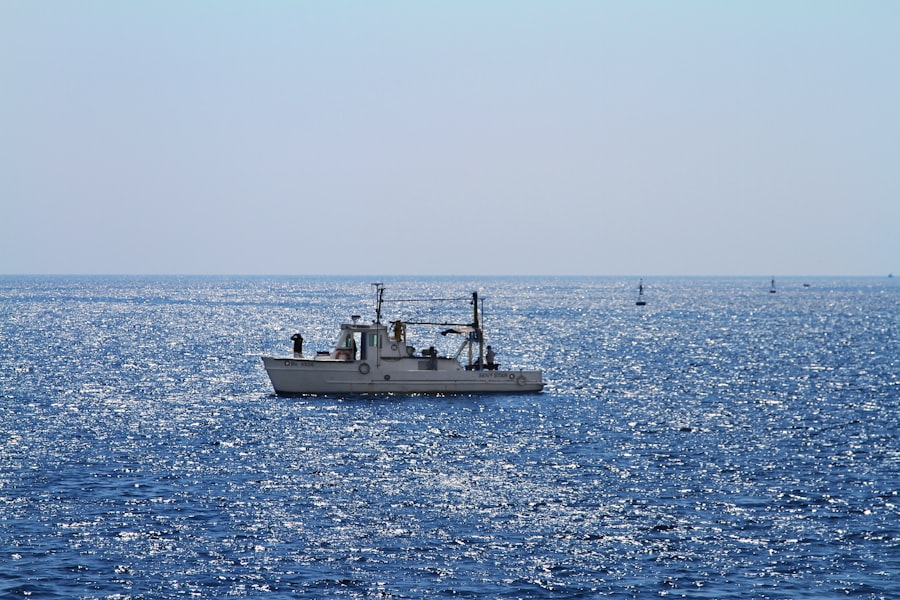
In the world of intelligence, a successful operation often relies not just on what is done, but also on what is perceived to be done, or not done at all. Declassified accounts of maritime operations frequently reveal a sophisticated use of deception and misdirection.
The Ghost in the Machine: Creating False Trails and Diversions
The art of deception is a cornerstone of covert operations. The CIA understood that creating illusions on the water could serve multiple strategic purposes, from confusing adversaries about their true intentions to drawing their attention away from critical areas.
Misinformation Campaigns: Planting False Intelligence
Declassified records might detail instances where false intelligence was deliberately leaked or planted to mislead enemy naval planners. This could involve fabricated reports of fleet movements, exaggerated capabilities, or misleading information about intended operational areas. The goal was to make the adversary chase shadows, expending valuable resources and attention on phantom threats.
Decoy Operations: Drawing Fire and Attention
The creation of decoy operations, designed to mimic genuine threats, could also be a tactic employed. This might involve conducting smaller, more visible but non-critical maritime activities in one area to draw enemy naval assets away from a more important, clandestine operation occurring elsewhere. The ocean becomes a stage for a grand illusion, with the CIA as the master puppeteer.
Cover Stories and Plausible Deniability
The success of any covert maritime operation hinges on the ability to maintain plausible deniability. The declassified documents often shed light on the meticulous construction of cover stories and the mechanisms employed to ensure that any perceived activity could be attributed to civilian ventures or natural phenomena.
Civilian Fronts: Masking Military Intentions
The use of civilian vessels, research expeditions, or commercial shipping operations as fronts for intelligence gathering or covert deployments is a recurring theme in declassified maritime espionage. These seemingly innocuous activities provided a perfect veil, allowing operatives and assets to operate under the radar of international scrutiny.
The Art of the “Accident”: Fabricating Incidents
In some instances, the declassified record might reveal the careful orchestration of events that appeared to be accidental mishaps. This could involve discreetly disabling a foreign vessel in a way that suggested mechanical failure, or creating a minor environmental incident that could be attributed to natural causes, thereby avoiding any suspicion of deliberate hostile action.
The declassified CIA maritime operations reveal a fascinating aspect of Cold War espionage that has often been overlooked. For those interested in exploring this topic further, a related article provides an in-depth analysis of the strategies employed by the agency during this tumultuous period. You can read more about these covert activities and their implications in the article available at In the War Room. This resource sheds light on the intricate details of maritime missions that shaped international relations and intelligence practices.
The Legacy of the Deep: Lessons Learned and Enduring Implications
| Operation Name | Year | Location | Objective | Outcome | Notes |
|---|---|---|---|---|---|
| Operation Mongoose | 1961-1963 | Cuba | Disrupt Cuban maritime supply routes | Partially successful | Included sabotage of Cuban fishing vessels |
| Project Azorian | 1974 | Pacific Ocean | Recover sunken Soviet submarine K-129 | Partially successful | Used the Hughes Glomar Explorer ship |
| Operation CHAOS | 1967-1974 | Global waters | Monitor foreign maritime activities | Ongoing intelligence gathering | Included surveillance of Soviet and Chinese vessels |
| Operation Ivy Bells | 1970s | Bering Sea | Tap Soviet underwater communication cables | Successful | Used deep-sea divers and submersibles |
| Operation Mockingbird | 1950s-1970s | International waters | Influence maritime news and information | Ongoing influence | Involved media manipulation related to maritime events |
The declassified records, though incomplete, offer a profound glimpse into the relentless pursuit of advantage in the maritime domain. They are not merely historical artifacts but repositories of hard-won experience, revealing the strengths, weaknesses, and ethical considerations inherent in covert maritime operations.
The Human Cost: Risks and Sacrifices
While the focus is often on technology and strategy, it is crucial to acknowledge the human element. Declassified accounts, however sparingly, might hint at the risks undertaken by intelligence operatives and naval personnel. The deep ocean is an unforgiving environment, and clandestine operations magnify these dangers. The bravery and sacrifices of those involved, often operating in obscurity, form the bedrock of these untold stories.
The Evolving Landscape: From Cold War to Today
The operational techniques and technological paradigms of the Cold War may seem distant, but the fundamental challenges of maritime intelligence and covert operations persist. Declassified revelations from this era provide a crucial historical context for understanding the evolution of these activities in the modern era, where new technologies and geopolitical realities continue to shape the clandestine seascape. The lessons learned in those shadowy decades continue to resonate in the strategic thinking of today.
The Ethics of Secrecy: Balancing Security and Transparency
The very act of declassification raises questions about the balance between national security and public transparency. The information revealed, while fascinating, also underscores the profound secrecy that has surrounded intelligence activities. The ongoing process of declassification, itself a form of strategic unveiling, allows for a more informed public discourse about the nation’s role in the world and the methods employed to protect its interests, even in the deepest, darkest corners of the ocean.
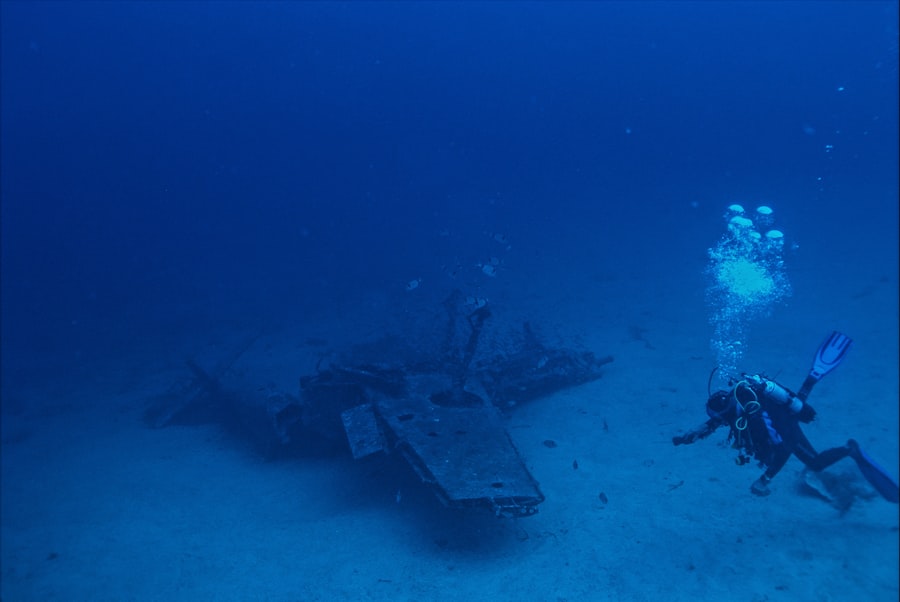
WATCH NOW ▶️ The CIA’s Impossible Mission To Steal A Nuclear Submarine
FAQs
What are declassified CIA maritime operations?
Declassified CIA maritime operations refer to covert or secret missions conducted by the Central Intelligence Agency involving naval or sea-based activities that have been officially released to the public after a period of classification.
Why are some CIA maritime operations declassified?
Operations are declassified to promote transparency, allow historical research, and provide public insight into past intelligence activities once the information is no longer sensitive or poses a risk to national security.
What types of maritime activities did the CIA conduct?
The CIA’s maritime activities have included underwater surveillance, covert ship movements, intelligence gathering from vessels, sabotage missions, and support for allied naval forces during conflicts.
Where can one access information about declassified CIA maritime operations?
Information can be accessed through official government archives such as the CIA’s Freedom of Information Act (FOIA) Electronic Reading Room, the National Archives, and other public records released by the U.S. government.
How have declassified maritime operations impacted historical understanding?
Declassified operations have provided valuable insights into Cold War espionage, naval strategy, and intelligence techniques, helping historians and analysts better understand the scope and methods of U.S. intelligence efforts at sea.