In the ever-evolving landscape of modern warfare, the integration of data-driven tactics has emerged as a pivotal element in enhancing the effectiveness of fighter operations. The traditional methods of combat, which often relied heavily on instinct and experience, are increasingly being supplemented by sophisticated data analytics and intelligence gathering. This shift towards a more analytical approach allows military strategists and pilots to make informed decisions based on real-time information, ultimately leading to improved mission outcomes.
As the complexity of combat scenarios increases, the necessity for data-driven tactics becomes more pronounced, underscoring the importance of harnessing technology and intelligence in the field. Data-driven fighter tactics encompass a wide array of methodologies that leverage quantitative and qualitative data to inform strategic decisions. This approach not only enhances situational awareness but also enables fighters to anticipate enemy movements and adapt their strategies accordingly.
By utilizing advanced algorithms and machine learning techniques, military forces can analyze vast amounts of data from various sources, including satellite imagery, reconnaissance reports, and historical combat data. This comprehensive analysis empowers pilots and commanders to execute missions with a level of precision and foresight that was previously unattainable.
Key Takeaways
- Data-driven fighter tactics enhance mission success by integrating real-time intelligence and comprehensive data analysis.
- Utilizing multiple intelligence sources allows for a more complete understanding of the battlefield environment.
- Advanced technology plays a critical role in enabling real-time intelligence integration for fighter pilots.
- Training and education are essential to effectively implement data-driven tactics in fighter operations.
- Despite challenges, ongoing developments promise to further improve the effectiveness of intelligence-driven fighter tactics.
The Role of Intelligence in Fighter Tactics
Intelligence plays a crucial role in shaping fighter tactics, serving as the backbone of informed decision-making in combat scenarios. The collection and analysis of intelligence data provide insights into enemy capabilities, intentions, and vulnerabilities, allowing military strategists to devise effective countermeasures. In this context, intelligence is not merely a collection of facts; it is a dynamic process that involves continuous monitoring and assessment of the battlefield environment.
The ability to synthesize this information into actionable intelligence is what distinguishes successful military operations from those that falter. Moreover, the integration of intelligence into fighter tactics fosters a proactive rather than reactive approach to combat. By anticipating potential threats and understanding the operational landscape, military forces can position themselves advantageously before engaging in conflict.
This foresight is particularly critical in air combat, where split-second decisions can determine the outcome of a mission. The synergy between intelligence gathering and tactical execution creates a feedback loop that enhances overall operational effectiveness, ensuring that fighters are always one step ahead of their adversaries.
Utilizing Data for Enhanced Performance

The utilization of data in enhancing fighter performance extends beyond mere tactical advantages; it encompasses a holistic approach to training, operational planning, and execution. By analyzing performance metrics from previous missions, military leaders can identify patterns and trends that inform future strategies. This data-driven approach allows for continuous improvement, as lessons learned from past engagements are systematically integrated into training programs and operational protocols.
As a result, pilots are better equipped to handle the complexities of modern warfare. Furthermore, data analytics can optimize resource allocation and mission planning. By assessing various factors such as weather conditions, fuel consumption, and aircraft capabilities, military planners can devise strategies that maximize efficiency while minimizing risks.
This level of precision not only enhances mission success rates but also contributes to the overall safety of personnel involved in operations. The ability to leverage data for enhanced performance represents a paradigm shift in military strategy, where informed decision-making takes precedence over intuition alone.
Integrating Intelligence Sources for Comprehensive Analysis
The integration of diverse intelligence sources is essential for achieving a comprehensive understanding of the operational environment. In modern warfare, information is derived from multiple channels, including human intelligence (HUMINT), signals intelligence (SIGINT), imagery intelligence (IMINT), and open-source intelligence (OSINT). Each type of intelligence offers unique insights that, when combined, create a more complete picture of the battlefield.
This multifaceted approach enables military strategists to make well-informed decisions based on a rich tapestry of information. Moreover, the challenge lies not only in gathering this intelligence but also in synthesizing it into actionable insights. Advanced analytical tools and platforms are employed to process vast amounts of data from these varied sources, allowing for real-time analysis and dissemination.
This integration ensures that fighters have access to the most relevant information at critical moments during operations. By fostering collaboration among different intelligence disciplines, military forces can enhance their situational awareness and responsiveness, ultimately leading to more effective tactical execution.
The Impact of Data-Driven Tactics on Mission Success
| Metric | Description | Typical Value/Range | Impact on Fighter Tactics |
|---|---|---|---|
| Data Link Latency | Time delay in data transmission between fighters | 5-50 ms | Lower latency enables faster decision-making and coordinated maneuvers |
| Data Link Bandwidth | Amount of data transmitted per second | 1-10 Mbps | Higher bandwidth supports richer situational awareness and sensor sharing |
| Network Range | Maximum effective communication distance | 50-150 km | Extended range allows for wider formation and early threat detection |
| Link Reliability | Percentage uptime or successful data transmission | 95-99.9% | High reliability ensures continuous coordination and reduces risk of data loss |
| Number of Linked Fighters | Maximum fighters connected simultaneously | 4-8 units | More linked fighters improve swarm tactics and force multiplication |
| Data Encryption Level | Security strength of transmitted data | AES-256 or equivalent | Prevents enemy interception and maintains tactical advantage |
| Sensor Fusion Capability | Ability to combine data from multiple platforms | High | Enhances target tracking and threat identification accuracy |
The impact of data-driven tactics on mission success cannot be overstated. As military operations become increasingly complex, the ability to leverage data analytics significantly enhances the likelihood of achieving strategic objectives. Data-driven approaches allow for more precise targeting, improved resource management, and enhanced situational awareness—all critical factors in determining mission outcomes.
By relying on empirical evidence rather than conjecture, military leaders can make decisions that are grounded in reality rather than assumptions. Additionally, the implementation of data-driven tactics fosters a culture of accountability within military organizations. When decisions are based on data analysis, it becomes easier to evaluate the effectiveness of strategies and identify areas for improvement.
This transparency not only enhances operational efficiency but also builds trust among personnel who understand that their actions are informed by rigorous analysis rather than arbitrary directives. As a result, data-driven tactics contribute to a more cohesive and effective fighting force.
Leveraging Technology for Real-Time Intelligence Integration
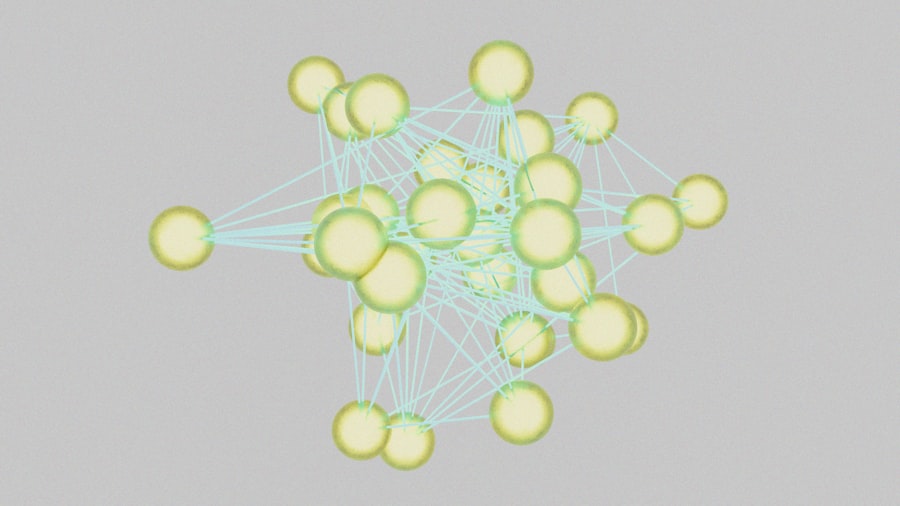
The advent of advanced technology has revolutionized the way military forces integrate real-time intelligence into their operations. Cutting-edge tools such as artificial intelligence (AI), machine learning algorithms, and big data analytics enable rapid processing and analysis of vast amounts of information from various sources. This technological evolution allows for real-time updates on enemy movements, environmental conditions, and other critical factors that influence tactical decisions.
Moreover, the integration of technology into intelligence operations enhances communication among units engaged in combat. With real-time data sharing capabilities, fighters can receive immediate updates on changing conditions or emerging threats during missions.
As technology continues to advance, the potential for even greater integration of real-time intelligence into fighter tactics will only increase.
Training and Education for Data-Driven Fighter Tactics
To fully realize the potential of data-driven fighter tactics, comprehensive training and education programs must be established within military organizations. Pilots and ground personnel need to be equipped with the skills necessary to interpret and analyze data effectively. This requires not only technical training in data analytics but also an understanding of how to apply this knowledge in real-world scenarios.
By fostering a culture of continuous learning, military forces can ensure that their personnel remain adept at utilizing data-driven approaches in combat. Furthermore, simulation-based training programs can play a vital role in preparing fighters for data-driven tactics. By creating realistic scenarios that incorporate real-time data analysis and decision-making processes, military trainers can help pilots develop the cognitive skills necessary for success in complex environments.
These simulations allow personnel to practice responding to various situations while leveraging data insights, ultimately enhancing their readiness for actual combat operations.
Challenges and Limitations of Integrating Intelligence for Fighter Tactics
Despite the numerous advantages associated with integrating intelligence into fighter tactics, several challenges and limitations persist. One significant hurdle is the sheer volume of data generated during military operations. While having access to vast amounts of information can be beneficial, it can also lead to information overload if not managed effectively.
Military personnel must be trained to discern relevant data from noise to make informed decisions without becoming overwhelmed. Additionally, the reliance on technology introduces vulnerabilities that adversaries may exploit. Cybersecurity threats pose significant risks to the integrity of intelligence systems; if compromised, these systems could lead to catastrophic failures in decision-making processes during critical missions.
Therefore, ensuring robust cybersecurity measures are in place is essential for maintaining the reliability of data-driven tactics.
Case Studies of Successful Data-Driven Fighter Tactics
Examining case studies of successful data-driven fighter tactics provides valuable insights into how these methodologies have been effectively implemented in real-world scenarios. One notable example is Operation Desert Storm during the Gulf War, where coalition forces utilized advanced reconnaissance technologies and satellite imagery to gather intelligence on enemy positions. This data-driven approach allowed for precise targeting and minimized collateral damage while maximizing mission success rates.
Another compelling case study is the use of predictive analytics in counterinsurgency operations. By analyzing patterns in insurgent activities through historical data and social media monitoring, military forces were able to anticipate potential threats and deploy resources more effectively. These examples illustrate how integrating data-driven tactics can lead to significant operational advantages in diverse combat situations.
Future Trends and Developments in Data-Driven Fighter Tactics
As technology continues to advance at an unprecedented pace, future trends in data-driven fighter tactics are likely to evolve significantly. The integration of artificial intelligence will play an increasingly prominent role in analyzing vast datasets and providing actionable insights for military strategists. AI algorithms will enable faster decision-making processes while reducing human error—a critical factor in high-stakes combat scenarios.
Moreover, advancements in drone technology will further enhance data collection capabilities on the battlefield. Unmanned aerial vehicles (UAVs) equipped with sophisticated sensors will provide real-time surveillance and reconnaissance data that can be analyzed instantaneously. This evolution will allow military forces to maintain an edge over adversaries by ensuring they have access to timely and accurate information during operations.
The Importance of Intelligence Integration for Enhanced Fighter Performance
In conclusion, the integration of intelligence into fighter tactics represents a transformative shift in modern warfare strategy. By leveraging data-driven approaches, military forces can enhance their operational effectiveness while minimizing risks associated with traditional combat methods. The ability to analyze vast amounts of information from diverse sources empowers fighters to make informed decisions that significantly impact mission success rates.
As technology continues to evolve and new methodologies emerge, the importance of integrating intelligence into fighter tactics will only grow stronger. Training programs must adapt accordingly to equip personnel with the skills necessary for navigating this complex landscape effectively. Ultimately, embracing data-driven tactics will ensure that military forces remain agile and responsive in an increasingly unpredictable world—an essential requirement for achieving strategic objectives in contemporary warfare.
In the realm of modern military operations, data link integration plays a crucial role in enhancing fighter tactics and overall mission effectiveness. For a deeper understanding of how these technologies are shaping contemporary warfare, you can explore the article on this topic at In The War Room. This resource provides valuable insights into the strategic implications of data link systems and their impact on fighter aircraft coordination and engagement strategies.
WATCH THIS! 🎬 The Day Speed Died: How One Jet Changed Air Combat Forever
FAQs
What is data link integration in fighter tactics?
Data link integration in fighter tactics refers to the use of secure, real-time communication networks that connect multiple aircraft and command centers. This allows for the sharing of sensor data, targeting information, and situational awareness to enhance coordinated operations and decision-making during combat missions.
How does data link integration improve fighter aircraft effectiveness?
Data link integration improves effectiveness by enabling faster and more accurate information exchange between pilots and command units. This leads to better target identification, coordinated attacks, reduced risk of friendly fire, and enhanced situational awareness, ultimately increasing mission success rates.
What types of data links are commonly used in fighter aircraft?
Common data links used in fighter aircraft include Link 16, Link 22, and Tactical Targeting Network Technology (TTNT). These systems provide secure, jam-resistant communication channels that support voice, text, and data exchange among allied forces.
Can data link integration be used in joint or coalition operations?
Yes, data link integration is designed to support interoperability among different branches of the military and allied nations. Standardized protocols and encryption methods enable secure information sharing in joint and coalition operations, improving coordination and effectiveness.
What are the challenges associated with data link integration in fighter tactics?
Challenges include ensuring cybersecurity to prevent hacking or jamming, maintaining compatibility between different systems, managing bandwidth limitations, and training personnel to effectively use the integrated systems during high-stress combat situations.
How does data link integration affect pilot workload?
While data link integration provides valuable information, it can also increase pilot workload due to the need to process and respond to a large volume of data. Advanced cockpit displays and automation help mitigate this by prioritizing critical information and simplifying user interfaces.
Is data link integration only used for air-to-air combat?
No, data link integration supports a wide range of missions including air-to-air combat, air-to-ground strikes, reconnaissance, and electronic warfare. It enhances coordination across different mission types by providing a common operational picture.
What role does data link integration play in modern network-centric warfare?
Data link integration is a cornerstone of network-centric warfare, enabling distributed forces to operate as a cohesive unit. It facilitates rapid information sharing and coordinated actions, which are essential for achieving superiority in modern combat environments.