
Creating Ideal Reptile Enclosures with Heat Mats and IR Sensors
The successful husbandry of reptiles necessitates the meticulous replication of their natural environments. Among the most critical environmental parameters to control are temperature and humidity, as these directly influence a reptile’s metabolic rate, immune function, and overall well-being. While various heating methods exist, the combination of heat mats and infrared (IR) sensors offers a sophisticated and precise approach to establishing and maintaining optimal thermal gradients within reptile enclosures. This article will explore the fundamental principles behind these technologies and provide practical guidance for their effective implementation.
Reptiles, as ectotherms, rely on external sources to regulate their body temperature. Unlike endotherms (warm-blooded animals), they cannot generate sufficient internal heat to maintain a stable body temperature. Instead, they must actively move between warmer and cooler areas of their environment to achieve their preferred optimal temperature zone (POTZ). This POTZ varies significantly between species, encompassing a range of temperatures that allow for essential biological processes.
The Importance of Thermal Gradients
A fundamental concept in reptile husbandry is the provision of a thermal gradient. This means creating a distinct difference in temperature across the enclosure, with a warmer basking area and a cooler retreat. This allows the reptile to thermoregulate by moving between these zones as needed. Without a gradient, the reptile may be forced to endure temperatures that are either too hot or too cold, leading to stress, compromised immune systems, and potentially severe health issues.
Basking Spots: The Apex of Heat
The basking area is the focal point of the thermal gradient, mimicking the sun-exposed areas that reptiles seek in the wild. It is crucial that this area reaches the upper end of the species’ POTZ. The heat source for this area needs to be substantial enough to achieve the target temperature without overheating the rest of the enclosure.
Cooler Zones: Essential for Recovery
Conversely, the cooler zones of the enclosure provide a refuge from the heat. These areas should be within the lower end of the POTZ, allowing the reptile to cool down and recover from basking. Adequate space for retreating to these cooler areas is as vital as the provision of warmth.
Species-Specific Temperature Requirements
It cannot be overstated that temperature requirements are highly species-specific. A desert-dwelling Bearded Dragon will have vastly different temperature needs than a tropical Python. Thorough research into the natural habitat and thermoregulatory behaviors of the intended reptile is paramount before setting up any enclosure. Consulting reputable reptile care guides and veterinary professionals is highly recommended.
For those interested in optimizing their heat mat setups and understanding the role of IR sensors in dummy enclosures, a related article can provide valuable insights. This article discusses the best practices for using heat mats in conjunction with IR sensors to enhance temperature regulation and improve overall efficiency. To learn more about these topics, you can read the full article here: related article.
The Role of Heat Mats in Reptile Enclosures
Under-tank heat mats (UTHs) are a popular and effective method for providing ambient and localized heat to reptile enclosures. They are typically thin, flexible heating elements that adhere to the outside of the enclosure’s substrate or directly to the glass/plastic. Their primary advantage lies in their ability to create a stable, consistent heat source that permeates the substrate and warms the animal from below.
Types of Heat Mats and Their Applications
There are several types of heat mats, each with slightly different functionalities.
Radiant Heat Mats (UTHs)
These are the most common type. They function by emitting heat that warms the surface they are attached to, and subsequently, the substrate and the reptile. Proper placement is critical – they should ideally be positioned to cover only one-third to one-half of the enclosure’s floor space to facilitate the creation of a thermal gradient.
Stick-on vs. Adhesive Heat Mats
Some heat mats come with a built-in adhesive backing, while others require separate adhesive strips. The adhesive backing provides a more secure and permanent installation. When using adhesive-backed mats, ensure the surface of the enclosure is clean and dry before application for optimal adhesion.
Sizing Considerations for Heat Mats
The size of the heat mat should be proportional to the enclosure. An undersized mat will not adequately heat the intended area, while an oversized mat could lead to overheating or difficulty in establishing a gradient. Manufacturers typically provide guidelines for recommended enclosure sizes.
Advantages of Using Heat Mats
The primary advantage of heat mats is their ability to provide a consistent and reliable heat source. Unlike basking lamps, which can be affected by air flow and may create hot spots, heat mats distribute heat more evenly from below. This is particularly beneficial for species that often burrow or spend time on the substrate surface.
Consistent Ambient Temperature
Heat mats contribute to maintaining a stable ambient temperature within the enclosure, reducing fluctuations that can be detrimental to reptiles. This steady warmth mimics the heat retained by the substrate in their natural environments.
Substrate Warming Effect
The heat emitted by UTHs warms the substrate, creating a comfortable and inviting surface for the reptile. This is particularly important for species that prefer warmer resting spots and can even aid in digestion.
Discreet and Safe Operation
When installed correctly and used with a thermostat, heat mats are generally safe and unobtrusive. They do not emit light, which can be disruptive to nocturnal species or those that require a strict light cycle.
Potential Drawbacks and Safety Precautions
Despite their benefits, heat mats are not without potential drawbacks or safety concerns if not used properly.
Risk of Thermal Burns
The most significant risk associated with heat mats is the possibility of thermal burns. Reptiles may not always be able to detect excessively high temperatures, especially if they are unable to move away from the heat source. This is where the use of a thermostat becomes absolutely indispensable.
Inadequate for Species Requiring Overhead Heating
Some species, particularly arboreal ones or those that rely on the radiant heat from the sun, may not benefit sufficiently from under-tank heating alone. These animals often require overhead heat sources in addition to or instead of heat mats.
Substrate Suitability
Certain substrates can impede heat transfer from the mat. Very thick or insulating substrates may buffer the heat, requiring a more powerful mat or adjustments to placement. Conversely, very thin substrates may not provide enough diffusion.
The Technology of Infrared (IR) Sensors
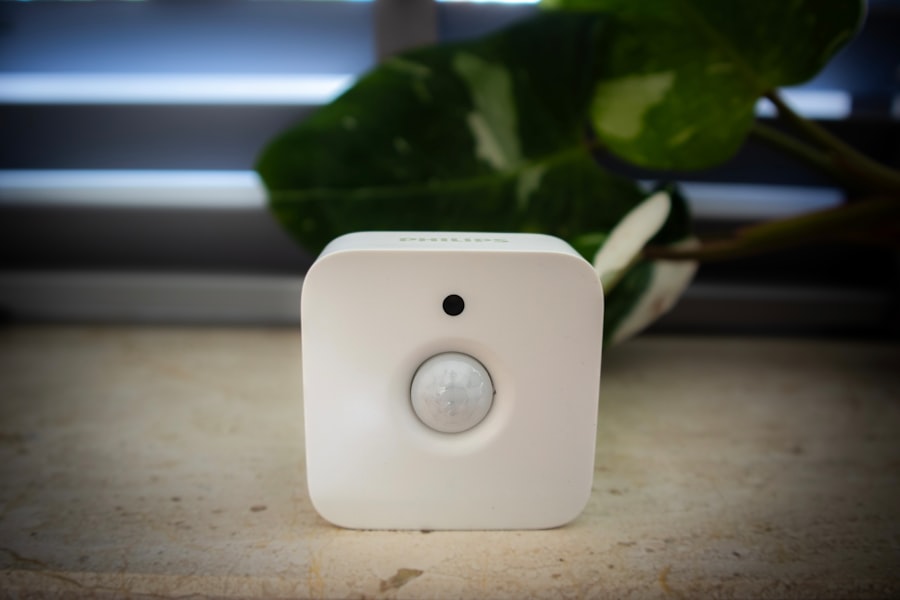
Infrared sensors, also known as IR thermometers or pyrometers, are invaluable tools for accurately measuring surface temperatures without physical contact. This non-contact measurement capability makes them ideal for monitoring the temperatures within reptile enclosures, particularly at the basking spot and cooler retreat areas.
How IR Sensors Work
Infrared thermometers work by detecting the infrared radiation emitted by an object. All objects above absolute zero emit infrared radiation, with the intensity of the radiation being proportional to the object’s temperature. The sensor converts this detected radiation into a temperature reading, typically displayed on a digital screen.
Principles of Infrared Emission
The fundamental principle is that objects emit thermal energy in the form of infrared radiation. The warmer an object is, the more infrared radiation it emits. This emitted radiation is invisible to the human eye but can be detected and measured by specialized sensors.
Emissivity and its Impact on Readings
A crucial factor influencing IR sensor accuracy is emissivity. Emissivity is a measure of how effectively a surface emits thermal energy. Different materials have different emissivity values, ranging from 0 (perfect reflector) to 1 (perfect emitter). For accurate temperature readings, the IR sensor needs to be calibrated to the emissivity of the surface being measured. Most reptile enclosures are made of materials with high emissivity, making IR sensors generally reliable, but it’s important to be aware of this factor.
Types of IR Sensors for Reptile Husbandry
Several types of IR sensors are suitable for reptile enclosure temperature monitoring.
Handheld IR Thermometers
These are the most common and affordable. They are portable and easy to use, allowing for quick spot checks of different areas within the enclosure. They typically feature a laser pointer to indicate the target area.
Fixed IR Sensors
These sensors are designed for continuous monitoring and can be integrated into more complex environmental control systems. They are less common for hobbyist setups but offer the advantage of data logging and automated alerts.
Thermal Imaging Cameras
While more expensive and advanced, thermal imaging cameras provide a visual representation of the temperature distribution across the entire enclosure. This can be incredibly useful for identifying subtle cold spots or hot spots that might otherwise be missed.
Benefits of Using IR Sensors
The non-contact nature of IR sensors provides several significant advantages for reptile husbandry.
Non-Invasive Temperature Measurement
Unlike probe thermometers that require insertion into the substrate or direct contact with the animal, IR sensors measure temperature from a distance. This prevents disturbance to the reptile and avoids potential injury.
Precision and Accuracy
When used correctly, IR sensors offer a high degree of precision and accuracy in temperature measurement, allowing for fine-tuned adjustments to heating elements.
Rapid Readings
IR sensors provide almost instantaneous temperature readings, allowing for quick and efficient monitoring of the enclosure’s thermal profile.
Integrating Heat Mats with Thermostats: The Key to Safety and Control
The unsupervised use of heat mats is fraught with danger. Without a thermostat, a heat mat can rapidly overheat an enclosure, leading to severe burns or even death for the reptile. A thermostat acts as an essential intermediary, regulating the output of the heat mat to maintain a desired temperature.
How Thermostats Work to Control Heat Mats
Thermostats are essentially temperature-sensitive switches. They work by monitoring the temperature at a specific point and turning the heat mat on or off as needed to maintain that temperature.
Proportional Thermostats (PID)
These advanced thermostats offer more precise temperature control. Instead of simply turning the heat on or off, they modulate the power output of the heat mat, providing a more stable and consistent temperature. This reduces temperature fluctuations significantly.
On/Off Thermostats
These are simpler and more basic thermostats. They turn the heat mat fully on when the temperature drops below a set point and fully off when it reaches the set point. While less precise than PID thermostats, they are still a vast improvement over no thermostat at all.
Placement of Thermostat Probes
The proper placement of the thermostat’s temperature probe is crucial for accurate control.
Basking Spot Monitoring
For controlling the basking area, the probe should be placed directly at the surface of the basking spot, ensuring the heat mat delivers the correct temperature to this critical region.
Ambient Temperature Monitoring
For controlling ambient temperature, the probe should be placed in the middle of the enclosure, away from direct heat sources or drafts, to get a representative reading of the overall air temperature.
Substrate Temperature Monitoring
When regulating the substrate temperature directly, the probe should be buried within the substrate at a depth relevant to the reptile’s burrowing behavior.
Setting Up the Thermostat
The setup process typically involves calibrating the thermostat and setting the desired temperature range.
Calibration and Initial Setup
Most thermostats require an initial calibration phase where the probe is placed in a stable environment to allow the thermostat to learn the ambient temperature. Follow the manufacturer’s instructions carefully for this step.
Establishing the Set Point and Differential
The set point is the desired temperature. The differential (or hysteresis) is the range around the set point within which the thermostat will cycle. A smaller differential leads to more precise control but also more frequent cycling.
In the realm of creating optimal environments for various applications, heat mats and dummy enclosures play a crucial role, particularly when integrated with IR sensors for enhanced monitoring. For those interested in exploring this topic further, a related article can provide valuable insights into the benefits and functionalities of these technologies. You can read more about it in this comprehensive guide that delves into the intricacies of heat management and sensor integration.
Utilizing IR Sensors in Conjunction with Heat Mats and Thermostats
| Product | Heat mats | Dummy enclosures | IR sensors |
|---|---|---|---|
| Usage | Provide warmth to plants or animals | Simulate presence of real objects | Detect motion or presence of objects |
| Material | Heating element covered with insulation | Plastic or metal casing | Electronic components |
| Application | Agriculture, pet care, reptile keeping | Security systems, testing environments | Security systems, automation |
The true power of effective reptile enclosure climate control lies in the synergistic combination of heat mats, thermostats, and IR sensors. While thermostats maintain a set temperature, IR sensors provide the independent verification needed to ensure the thermostat is functioning correctly and that the entire gradient is as intended.
Verifying Thermostat Performance
Thermostats are not infallible. Their probes can become dislodged, or the thermostat itself can malfunction. Regular checks with an IR sensor allow keepers to confirm that the temperatures being reported by the thermostat are accurate and that the heat mat is delivering the appropriate heat.
Daily Spot Checks
A quick scan of the basking spot, cool side, and ambient air with an IR thermometer at least once daily is a good practice. This allows for immediate detection of any unexpected deviations.
Seasonal Adjustments and Pre-emptive Checks
As seasons change, ambient room temperatures fluctuate. It is wise to perform more thorough checks of the enclosure’s temperature profile before any significant seasonal shifts. This allows for proactive adjustments to thermostat settings.
Fine-Tuning the Thermal Gradient
While thermostats aim to maintain a specific temperature, they primarily control the heat source. IR sensors allow for direct measurement of the gradient across the enclosure, enabling nuanced adjustments to optimize the reptile’s experience.
Identifying Hot Spots and Cold Spots
An IR sensor can reveal areas of concern that a thermostat probe alone might miss. If the basking spot is too intense or a corner of the cool side is unexpectedly warm, the IR sensor will highlight this.
Adjusting Mat Placement and Thermostat Settings
Based on IR sensor readings, keepers can adjust the position of the heat mat, the thermostat probe, or the thermostat’s settings to fine-tune the thermal gradient for maximum effectiveness. For instance, if the basking spot is consistently a few degrees cooler than desired, the thermostat’s set point might be slightly increased, or the heat mat’s coverage adjusted.
Documenting Temperature Data
For serious hobbyists or those with reptiles with specific medical needs, maintaining temperature logs can be invaluable. This data can help identify trends, troubleshoot problems, and provide crucial information to veterinarians.
Logbooks and Spreadsheets
Simple logbooks or spreadsheets can be used to record temperature readings from various points in the enclosure at regular intervals.
Digital Data Loggers
More advanced setups can incorporate digital data loggers that automatically record temperature data, providing a comprehensive history of the enclosure’s climate.
Advanced Considerations and Best Practices
Beyond the fundamental setup, several advanced considerations can further enhance the effectiveness and safety of reptile enclosure climate control. These include backup heating solutions, power outage preparedness, and species-specific nuances.
Backup Heating Systems
While heat mats with thermostats provide excellent primary heating, it is prudent to consider backup heating solutions, especially in regions prone to power outages or extreme weather fluctuations.
Ceramic Heat Emitters (CHEs)
CHEs provide heat without light and can be regulated by a separate thermostat. They can serve as a reliable backup in case of primary heat mat failure.
Radiant Heat Panels (RHPs)
RHPs offer a broad, even heat distribution and are often used in larger enclosures. They can also act as a secondary or primary heating source, depending on the species and enclosure size.
Power Outage Preparedness
Power outages can be catastrophic for reptiles. Implementing a plan to mitigate the risks associated with these events is essential.
Battery-Powered Thermometers and Alarms
Having battery-powered thermometers that can alert you to a temperature drop is a prudent measure. Some advanced monitoring systems include battery backups for their sensors.
Insulated Enclosure Modifications
Certain modifications to the enclosure, such as adding insulation or using Styrofoam panels, can help retain heat for a longer period during an outage.
Species-Specific Nuances and Further Research
As previously emphasized, reptile husbandry is highly species-dependent. Always conduct thorough research into the specific needs of your reptile.
Arboreal Reptiles
For arboreal species that spend most of their time off the ground, overhead heating solutions like radiant heat panels or heat lamps are often more appropriate than under-tank heat mats. Even in these cases, IR sensors are vital for verifying surface temperatures of branches and basking perches.
Nocturnal Species
Nocturnal reptiles may require different heating strategies to avoid disrupting their natural light cycles. For instance, using heat mats with a lightless ceramic heat emitter on a separate thermostat might be more suitable than a heat lamp. IR sensors are still critical for monitoring the ambient temperatures during their active periods.
Brumation and Hibernation Cycles
Some reptiles enter periods of brumation or hibernation where their metabolic rate slows down, and they require specific temperature drops. Understanding and managing these cycles accurately is crucial.
In conclusion, creating an ideal reptile enclosure is an ongoing process of informed observation and meticulous control. The intelligent integration of heat mats, regulated by thermostats, and consistently verified by infrared sensors, forms the bedrock of a healthy and thriving environment for ectothermic pets. This layered approach ensures not only the immediate comfort of the reptile but also its long-term well-being by safeguarding against the detrimental effects of temperature mismanagement.
FAQs
What are heat mats used for in dummy enclosures?
Heat mats are used in dummy enclosures to provide a source of warmth for reptiles and other small animals. They help to create a comfortable and stable temperature gradient within the enclosure, which is essential for the health and well-being of the animals.
How do heat mats work in dummy enclosures?
Heat mats work by emitting a gentle, consistent heat that warms the floor of the enclosure. This allows the animals to regulate their body temperature by moving closer to or further away from the heat source as needed. Heat mats are designed to be safe and efficient, providing a reliable heat source for the animals.
What are IR sensors and how are they used in dummy enclosures?
IR sensors, or infrared sensors, are devices that can detect infrared radiation (heat) emitted by objects. In dummy enclosures, IR sensors can be used to monitor the temperature within the enclosure and ensure that it remains within the appropriate range for the animals. This helps to prevent overheating or chilling of the animals.
Are heat mats safe to use in dummy enclosures?
When used properly, heat mats are safe to use in dummy enclosures. It is important to follow the manufacturer’s instructions for installation and use, and to regularly check the temperature within the enclosure to ensure that it remains within the appropriate range for the animals.
What are the benefits of using heat mats and IR sensors in dummy enclosures?
The use of heat mats and IR sensors in dummy enclosures provides a controlled and comfortable environment for reptiles and other small animals. This helps to support their health and well-being, and can also contribute to more natural behaviors and activity levels. Additionally, the use of IR sensors allows for precise monitoring and regulation of the temperature within the enclosure, helping to prevent temperature-related health issues for the animals.