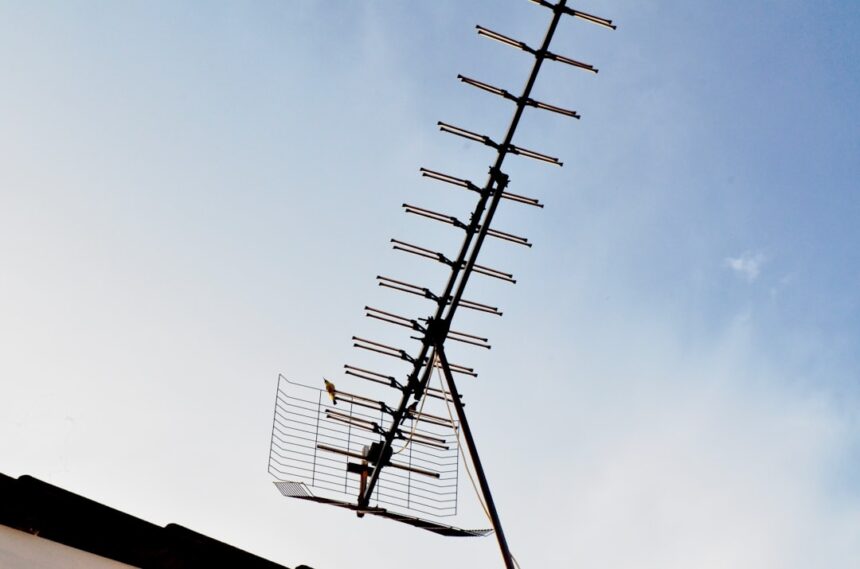
Signals intelligence (SIGINT) emerged during World War II in response to the military need for effective communication interception and intelligence gathering. As nations mobilized for war, intercepting and deciphering enemy communications became strategically essential. Radio transmission technology enabled faster communication but simultaneously created security vulnerabilities that adversaries could exploit.
This technological landscape prompted the development of systematic intelligence gathering methods that would significantly influence military strategy. As the conflict intensified, Allied forces recognized SIGINT’s value in obtaining actionable intelligence about enemy operations and positions. Military organizations established specialized units dedicated to intercepting and analyzing enemy communications, representing a fundamental change in operational methodology.
This intelligence work extended beyond simple message interception to include the development of advanced decryption techniques and analytical processes for processing intercepted information. The formalization of signals intelligence during World War II established a new paradigm in military operations, elevating information collection to a level of strategic importance comparable to conventional weaponry.
Key Takeaways
- Signals intelligence (SIGINT) was crucial to Allied success in WWII, with codebreakers playing a key role.
- Breaking the Enigma code significantly aided the Battle of the Atlantic by intercepting German U-boat communications.
- Decoding Japanese codes provided strategic advantages in the Pacific Theater.
- Bletchley Park was the central hub for Allied cryptanalysis efforts, contributing to the development of modern intelligence techniques.
- The legacy of WWII signals intelligence continues to influence modern military operations and raises ongoing ethical and legal considerations.
The Role of Codebreakers in Allied Victory
Codebreakers played a pivotal role in securing victory for the Allies during World War
Their work was not merely about deciphering codes; it was about understanding the enemy’s intentions and strategies. The ability to break enemy codes allowed Allied forces to anticipate movements, thwart attacks, and ultimately save countless lives. These unsung heroes operated largely in secrecy, often working under immense pressure and with limited resources.
Their contributions were crucial in shaping the outcomes of key battles throughout the war.

One of the most notable achievements of codebreakers was their success in breaking the German Enigma code. This complex cipher was used extensively by the German military to secure their communications. The efforts of codebreakers at Bletchley Park, led by figures such as Alan Turing, were instrumental in cracking this seemingly impenetrable code.
By gaining access to vital information about German troop movements and strategies, the Allies were able to mount effective counteroffensives, turning the tide in several critical engagements. The work of these codebreakers not only contributed to military victories but also laid the foundation for modern cryptography and intelligence operations. Learn about the incredible leadership of Admiral Nimitz during World War II.
The Enigma Machine and the Battle of the Atlantic
The Enigma machine stands as one of the most iconic symbols of World War II cryptography. This sophisticated device was employed by the German military to encrypt messages, making them nearly impossible to decipher without knowledge of its settings. The Battle of the Atlantic, a prolonged conflict between Allied and Axis naval forces, highlighted the significance of breaking Enigma codes.
Control of the Atlantic shipping lanes was vital for both sides, as it determined the flow of supplies and reinforcements. The Allies’ ability to intercept and decode Enigma-encrypted messages provided them with a strategic advantage in this critical theater of war. By understanding German naval movements and intentions, Allied forces could effectively deploy their own ships and submarines to counteract enemy actions.
The successful interception of these communications not only saved ships but also allowed for more effective convoy strategies, ultimately leading to a shift in momentum in favor of the Allies. The Battle of the Atlantic exemplified how signals intelligence could directly influence military outcomes, showcasing its importance in modern warfare.
Japanese Codes and the Pacific Theater
| Metric | Details | Significance |
|---|---|---|
| Number of Enigma Messages Decoded | Approximately 70,000 messages per month at peak | Provided critical intelligence on German military operations |
| Key Allied Signals Intelligence Units | Bletchley Park (UK), OP-20-G (US Navy), Central Bureau (Australia) | Centralized efforts in codebreaking and signal interception |
| Primary Axis Codes Broken | Enigma (Germany), Purple (Japan), Lorenz (Germany) | Allowed interception of strategic communications |
| Impact on D-Day (Normandy Invasion) | Deception and intelligence from signals helped mislead German forces | Contributed to the success of the Allied invasion |
| Number of Personnel at Bletchley Park | Over 10,000 by 1945 | Demonstrates scale of intelligence operations |
| Technological Innovations | Colossus computer, Bombe machine | First programmable digital computers aiding codebreaking |
| Estimated Lives Saved | Hundreds of thousands (various estimates) | By shortening the war and preventing surprise attacks |
While much attention has been given to European theater codebreaking efforts, similar endeavors were underway in the Pacific against Japanese communications. The Japanese employed a variety of complex codes and ciphers that posed significant challenges for Allied cryptanalysts. However, through persistent efforts and innovative techniques, codebreakers were able to make significant strides in understanding Japanese communications.
This intelligence was crucial for planning operations in a theater characterized by vast distances and unpredictable engagements. One of the most notable successes in breaking Japanese codes was during the lead-up to the Battle of Midway. By intercepting and deciphering Japanese messages, Allied forces were able to anticipate Japan’s plans for an attack on Midway Atoll.
This intelligence allowed American forces to prepare an ambush that would result in a decisive victory, turning the tide in the Pacific theater. The ability to read Japanese communications not only provided tactical advantages but also fostered a deeper understanding of Japanese military strategy, which proved invaluable throughout the war.
The Impact of Ultra on the War Effort
The term “Ultra” refers to the intelligence derived from decrypted Enigma messages, which had a profound impact on the Allied war effort. The information obtained through Ultra was often referred to as “the most closely guarded secret” of World War II, as it provided insights that could alter military strategies and operations. The ability to read German communications allowed Allied commanders to make informed decisions based on real-time intelligence, significantly enhancing their operational effectiveness.
Ultra intelligence played a crucial role in several key operations, including D-Day and the North African campaign. By understanding German defenses and troop movements through intercepted communications, Allied forces were able to plan their assaults with greater precision. This advantage not only contributed to successful military operations but also helped minimize casualties among Allied troops.
The impact of Ultra on the war effort cannot be overstated; it represented a turning point in how intelligence was utilized in warfare, demonstrating that information superiority could lead to decisive victories.
The Codebreakers at Bletchley Park
Bletchley Park became synonymous with British codebreaking efforts during World War
This secret facility housed some of the brightest minds in mathematics, linguistics, and engineering, all working tirelessly to crack enemy codes. Among them was Alan Turing, whose groundbreaking work on computational theory laid the foundation for modern computing and cryptography. The collaborative environment at Bletchley Park fostered innovation and creativity, enabling codebreakers to develop new techniques for deciphering complex ciphers.
The atmosphere at Bletchley Park was one of urgency and secrecy; every breakthrough had the potential to change the course of the war. Codebreakers worked around the clock, often under immense pressure to deliver results quickly. Their efforts culminated in significant successes against both German and Japanese codes, providing invaluable intelligence that shaped military strategies across multiple theaters of war.
The legacy of Bletchley Park extends beyond its immediate contributions; it represents a pivotal moment in history where intellect and technology converged to alter the fate of nations.
The Importance of Cryptanalysis in WWII
Cryptanalysis emerged as a critical discipline during World War II, highlighting its importance in modern warfare. As nations increasingly relied on encrypted communications for military operations, the ability to decipher these messages became paramount. Cryptanalysis not only involved breaking codes but also required an understanding of human behavior and patterns in communication.
This multifaceted approach made it an essential tool for military strategists seeking an edge over their adversaries. The significance of cryptanalysis was evident in its direct impact on military operations throughout the war. Successful codebreaking efforts provided commanders with actionable intelligence that informed their decisions on troop movements, resource allocation, and strategic planning.
The ability to anticipate enemy actions based on intercepted communications allowed Allied forces to execute surprise attacks and counteroffensives effectively. As such, cryptanalysis became an integral component of military strategy, underscoring its lasting relevance in contemporary warfare.
The Use of Signals Intelligence in Military Operations
The application of signals intelligence (SIGINT) during World War II revolutionized military operations by providing commanders with real-time information about enemy activities. This intelligence enabled forces to adapt their strategies dynamically based on evolving battlefield conditions. By intercepting communications from enemy units, Allied commanders could gain insights into troop movements, supply lines, and operational plans—information that was often critical for success in combat.
The use of SIGINT extended beyond mere tactical advantages; it also facilitated strategic planning at higher levels of command.
This intelligence allowed for more effective planning and execution of landings, ultimately contributing to one of the most significant victories in the European theater.
The lessons learned from these operations laid the groundwork for future military engagements where signals intelligence would continue to play a vital role.
The Legacy of WWII Signals Intelligence
The legacy of signals intelligence from World War II is profound and far-reaching. It not only transformed military operations during the conflict but also established principles that continue to guide intelligence practices today. The successes achieved by codebreakers at Bletchley Park and other facilities demonstrated the value of investing in cryptographic research and development—a lesson that has been embraced by nations around the world since then.
Moreover, WWII signals intelligence paved the way for advancements in technology that have shaped modern warfare. The techniques developed during this period laid foundational concepts for contemporary cryptography and cybersecurity practices. As nations continue to grapple with evolving threats in an increasingly digital world, the lessons learned from WWII remain relevant; they serve as reminders of how critical information superiority is in achieving strategic objectives.
Ethical and Legal Implications of Signals Intelligence
The rise of signals intelligence during World War II also brought forth ethical and legal considerations that continue to resonate today. The interception and analysis of enemy communications raised questions about privacy rights and state surveillance—issues that have become increasingly pertinent in an age where technology enables unprecedented levels of monitoring and data collection. As nations navigate these complexities, they must balance national security interests with individual rights.
Furthermore, the legacy of WWII signals intelligence has influenced contemporary debates surrounding cybersecurity and information warfare. As states engage in cyber operations against one another, ethical dilemmas arise regarding what constitutes acceptable behavior in cyberspace. The experiences from WWII serve as a historical context for understanding these challenges; they highlight the need for clear legal frameworks governing signals intelligence operations while ensuring accountability and transparency.
The Continued Relevance of Signals Intelligence in Modern Warfare
In an era characterized by rapid technological advancements and evolving threats, signals intelligence remains a cornerstone of modern military operations. Today’s conflicts are increasingly complex, often involving non-state actors who utilize sophisticated communication methods to coordinate their activities. As such, SIGINT has become even more critical for understanding adversaries’ intentions and capabilities.
These innovations allow for faster processing and analysis of vast amounts of data collected from various sources—enabling real-time decision-making on the battlefield. As nations continue to adapt their strategies to address emerging threats, signals intelligence will undoubtedly play an essential role in shaping future conflicts while underscoring its enduring significance within military doctrine worldwide.
During World War II, signals intelligence played a crucial role in the Allied victory, as it allowed for the interception and decryption of enemy communications. A fascinating article that delves deeper into this topic is available at this link, where you can explore the various methods and technologies used in signals intelligence during the war.
WATCH THIS! 🎖️ The Battle of Midway: How Codebreakers Won the Pacific War
FAQs
What is signals intelligence (SIGINT) in the context of WWII?
Signals intelligence (SIGINT) during WWII refers to the interception, decryption, and analysis of enemy communications and electronic signals to gather military information. It played a crucial role in understanding enemy plans and movements.
Which countries were most involved in signals intelligence during WWII?
The major countries involved in signals intelligence during WWII included the United Kingdom, the United States, Germany, Japan, and the Soviet Union. The UK’s Government Code and Cypher School at Bletchley Park and the US’s Signals Intelligence Service were particularly notable.
What was the significance of Bletchley Park in WWII signals intelligence?
Bletchley Park in the UK was the central site for British codebreakers who decrypted Axis powers’ encrypted communications, most famously the German Enigma and Lorenz ciphers. Their work significantly contributed to the Allied victory by providing critical intelligence.
How did the Enigma machine impact WWII signals intelligence?
The Enigma machine was a German encryption device used to secure military communications. Breaking the Enigma code was a major breakthrough for Allied signals intelligence, allowing them to intercept and understand German military plans.
What role did signals intelligence play in major WWII battles?
Signals intelligence provided crucial information that influenced the outcomes of key battles, such as the Battle of the Atlantic, where Allied forces used decrypted German U-boat communications to protect convoys, and the D-Day invasion, where intelligence helped ensure the success of the Normandy landings.
What technologies were used in signals intelligence during WWII?
Technologies included cipher machines like Enigma and Lorenz, radio interception equipment, early computers such as the British Bombe and Colossus machines for codebreaking, and various cryptographic tools for analyzing intercepted messages.
How did signals intelligence affect the outcome of WWII?
Signals intelligence gave the Allies a strategic advantage by providing timely and accurate information about enemy plans, troop movements, and operations. This intelligence shortened the war and saved countless lives by enabling more effective military strategies.
Were there any notable individuals associated with WWII signals intelligence?
Yes, notable figures include Alan Turing, who played a key role in breaking the Enigma code, and Marian Rejewski, a Polish mathematician who made early breakthroughs in Enigma decryption. Many other cryptanalysts and intelligence officers contributed significantly.
Did signals intelligence continue to evolve after WWII?
Yes, the success of signals intelligence in WWII led to its expansion and development during the Cold War and beyond, with advances in electronic surveillance, cryptography, and computer technology becoming central to modern intelligence operations.