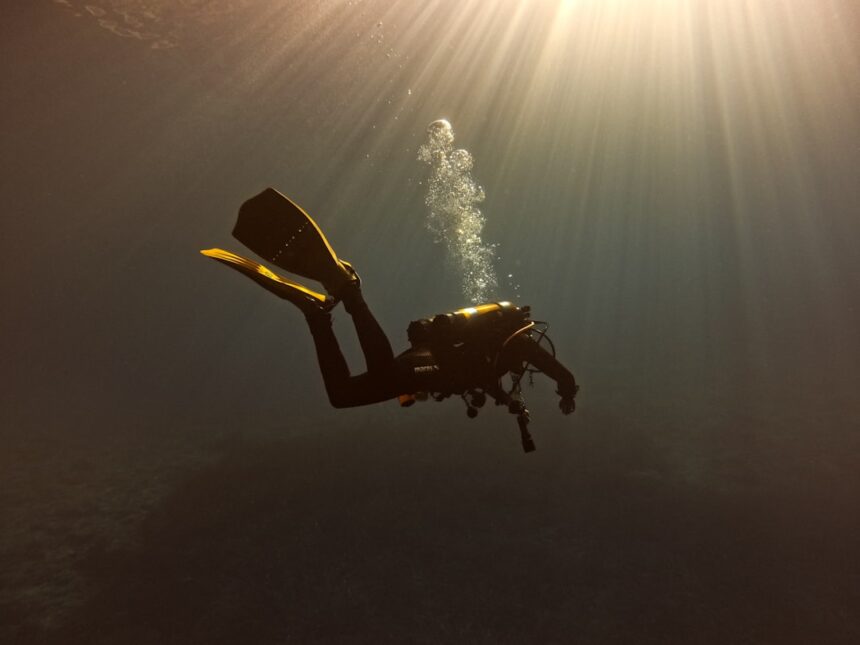
The silent depths of the ocean, far from the prying eyes of satellites and radar, became a crucial battleground during the Cold War. While espionage and aerial reconnaissance dominated public perception, a less visible, yet equally vital, theater of operations unfolded beneath the waves. These were the covert Cold War underwater recovery missions, a highly classified enterprise dedicated to retrieving the fallen, the lost, and the dangerously classified. Think of them as deep-sea surgeons, meticulously operating in the crushing darkness to extract vital information or evidence that could tip the scales of global power.
The advent of nuclear submarines by both the United States and the Soviet Union introduced an entirely new dimension to naval power and, consequently, to the stakes of conflict. These formidable vessels, capable of prolonged underwater operations, became the ultimate stealth weapons. However, their inherent secrecy also meant that their losses were often cloaked in mystery and national shame.
The Shadow of Loss: Submarine Disappearances
The Cold War was punctuated by a series of tragic submarine incidents that sent reverberations through the military and intelligence communities. The loss of a submarine was not merely a material loss but a devastating blow to technological advancement, operational capability, and, most poignantly, human life. When these leviathans of the deep vanished, often without a trace, the question immediately arose: what happened, and more importantly, could anything be salvaged? The pressure to understand these failures was immense, as the information gleaned could prevent future disasters and provide a crucial edge against an adversary.
Technological Hubris and the Deep
Submarines, particularly during the early decades of the Cold War, represented the cutting edge of technological ambition. Pushing the boundaries of pressure resistance, propulsion, and sonar technology meant that failures were often catastrophic and unforgiving. When these complex machines succumbed to the immense pressures of the ocean floor, they could be ripped apart or sink to depths far beyond the reach of conventional salvage operations.
The Strategic Imperative: Recovering Sensitive Technology
Beyond the human element, the loss of a submarine often meant the potential loss of highly classified technology. These vessels carried advanced sonar systems, communication equipment, codebooks, and, in later years, even nuclear weapons. The prospect of such critical intelligence falling into enemy hands was an unacceptable risk. Recovery efforts were thus born out of a stark strategic imperative: denial of intelligence to the adversary.
During the Cold War, secret underwater recovery missions played a crucial role in intelligence gathering and military strategy, often shrouded in mystery and intrigue. These covert operations not only involved the retrieval of lost submarines and military equipment but also aimed to gather valuable intelligence from the ocean floor. For a deeper understanding of these clandestine activities, you can read more in the article available at In the War Room, which explores the complexities and implications of underwater missions during this tense period in history.
The Whispers from the Abyss: Intelligence Gathering Below the Waves
The underwater realm offered a unique and often undisturbed environment for intelligence gathering. Covert missions sought to exploit this, not just through recovering crashed aircraft or torpedoes, but by actively listening to and observing Soviet naval activity.
Eavesdropping on the Silent Fleet
The oceans served as a vast conduit for sound. Submarines, with their sophisticated sonar systems, were both hunters and the hunted. Intelligence agencies recognized the immense value of intercepting Soviet communications and naval movements. This led to the development of clandestine listening posts and the more ambitious task of physically retrieving equipment that could unlock these secrets.
The Technological Arms Race Beneath the Surface
The Cold War was an intense technological arms race, and the underwater domain was no exception. Both sides poured significant resources into developing superior sonar, underwater weaponry, and submarine technology. The ability to understand an adversary’s capabilities and intentions was paramount. This often translated into a desperate need to acquire their most advanced systems, even if they were lost at sea.
Project Azorian: A Landmark in Deep-Sea Espionage
Perhaps the most famous, though not entirely successful, example of a covert underwater recovery mission was Project Azorian. This ambitious CIA operation in the 1970s aimed to raise a sunken Soviet Golf-class submarine, the K-129, from the floor of the Pacific Ocean. The objective was to recover intelligence, including potentially nuclear missile technologies and codebooks. The operation was a marvel of engineering and clandestine planning, involving the construction of a specially designed vessel, the Glomar Explorer, capable of lifting massive objects from extreme depths. While a portion of the submarine was successfully recovered, the full extent of the mission’s success, and the intelligence gained, remains largely classified. This mission was a testament to the lengths to which nations would go to satisfy their intelligence appetites.
The Ghost Ship Phenomenon: Recovering Wreckage for Analysis
Beyond submarines, various other naval assets could be lost at sea, each a potential treasure trove of intelligence. Crashed aircraft, jettisoned equipment, and even captured or damaged enemy vessels presented opportunities for analysis.
Silent Witnesses of Technological Advancement
When an enemy aircraft or naval vessel crashed, the wreckage contained invaluable data about their technological capabilities. Engineers and analysts would meticulously examine every component, seeking to understand the design, materials, and performance characteristics of enemy weapons and systems. This information was like a captured enemy soldier who, under interrogation, reveals their side’s battle plans.
The Scars of Conflict: Recovering Evidence of Naval Engagements
Naval battles, though less frequent than other forms of conflict, could also result in lost assets. Recovering wreckage from these encounters could provide crucial insights into the tactics employed, the effectiveness of weapons, and the overall state of naval capabilities of either side. Each salvaged piece was a puzzle piece in the grand geopolitical chessboard.
The Unseen Hand: Mission Profiles and Execution

The execution of covert underwater recovery missions demanded a unique blend of technical prowess, daring, and absolute secrecy. These were not operations that welcomed the glare of public scrutiny or even the casual notice of other naval forces.
Stealth as a Primary Objective
The raison d’être of these missions was their covert nature. Achieving success meant operating without the knowledge of the adversary, and often, without the knowledge of friendly forces who might accidentally interfere or expose the operation. This necessitated specialized vessels, unobtrusive operational procedures, and meticulous planning.
The Elusive Operatives: Teams of Specialized Professionals
These missions were not undertaken by standard naval crews. They were conducted by highly specialized teams composed of deep-sea divers, marine engineers, salvage experts, cryptologists, and intelligence operatives. These individuals were the silent guardians of national secrets, trained to operate in extreme environments and under immense pressure, both physical and psychological.
The Subtlety of the Deep: Employing Specialized Recovery Vehicles
Getting to the wreckage was only the first hurdle. Extracting it from the crushing depths required sophisticated tools and techniques. Remote Operated Vehicles (ROVs) and Autonomous Underwater Vehicles (AUVs) became increasingly important in the later stages of the Cold War. These unmanned machines could explore, photograph, and even manipulate objects on the seabed, significantly reducing the risk to human divers. Some missions even employed custom-built submarines or modified research vessels designed for discreet operations.
The Delicate Dance with Depth and Pressure
The physical challenges of operating in the deep ocean were formidable. The immense pressure could crush ordinary equipment and pose a mortal threat to human life. Recovery efforts had to account for these environmental factors meticulously.
The Crushing Embrace of the Abyss
The deeper the wreck, the more challenging the recovery. Extreme pressures necessitated the use of specialized materials, robust engineering, and carefully controlled descent and ascent procedures. The ocean floor is an unforgiving environment, and mistakes were rarely afforded a second chance.
Maintaining Secrecy Under Pressure: The Dual Constraint
Operators had to contend with the dual constraints of extreme depth and absolute secrecy. Any equipment malfunction, any visible surface activity, could compromise the entire mission. The planning and execution had to be flawless, leaving no room for error.
The Unseen Arsenal: Technological Innovations Driving Recovery

The technological race of the Cold War extended to the realm of underwater recovery. Both the United States and the Soviet Union invested heavily in developing the tools and techniques necessary to operate effectively in the deep ocean.
Pushing the Boundaries of Underwater Engineering
The demands of covert recovery pushed the boundaries of what was technologically possible. The need to operate at extreme depths, under immense pressure, and with a high degree of precision required innovative solutions.
The Rise of the Submersible: From Bathyscaphes to Advanced ROVs
Early deep-sea exploration relied on bathyscaphes and manned submersibles. However, the inherent risks associated with sending humans into such perilous environments led to the development of unmanned vehicles. Remote Operated Vehicles (ROVs) controlled from the surface, and later Autonomous Underwater Vehicles (AUVs), offered a safer and more versatile solution. These robotic explorers became the eyes and hands of recovery teams, capable of intricate maneuvers and data collection.
Advanced Sonar and Imaging: Peering Through the Murk
The ability to locate and map sunken objects in the vastness of the ocean was crucial. Advancements in sonar technology, including side-scan sonar and multi-beam echo sounders, allowed for detailed mapping of the seabed. Improved underwater imaging systems, including low-light cameras and acoustic imaging, were also critical for identifying and assessing wreckage.
The Challenge of Lifting and Transporting
Once a target was located and assessed, the next major challenge was its retrieval. Lifting massive, often fragile, wreckage from the seabed was a feat of engineering.
The Grappler’s Grip: Innovative Lifting Mechanisms
Specialized grappling devices, powerful winches, and custom-designed lifting frames were developed to secure and raise sunken objects. These mechanisms had to be robust enough to handle the weight and immense water resistance, yet gentle enough to avoid further damaging the delicate wreckage.
The Mobile Command Center: Specialized Recovery Vessels
The recovery missions often required specialized vessels that could serve as mobile bases of operation. These ships housed the sonar equipment, ROVs, and the personnel needed to conduct the operation. They were designed for extended deployments and could operate discreetly, blending in with commercial shipping if necessary. The Glomar Explorer, with its massive Hyspan hull and advanced lifting capabilities, was a prime example of such a specialized vessel.
The secret underwater recovery missions of the Cold War have long fascinated historians and enthusiasts alike, revealing the lengths to which nations would go to secure their interests. For those interested in exploring this topic further, a related article provides an in-depth look at the covert operations that took place beneath the waves. You can read more about these intriguing missions and their implications by visiting this article. The strategies employed during this era not only shaped military tactics but also influenced international relations in profound ways.
The Legacy of the Sunken Depths: Lessons Learned and Lingering Questions
| Mission Name | Year | Location | Objective | Outcome | Notable Equipment Used |
|---|---|---|---|---|---|
| Project Azorian | 1974 | Pacific Ocean, near Hawaii | Recovery of Soviet submarine K-129 | Partial recovery of submarine sections | Glomar Explorer, Deep-sea lifting technology |
| Operation Ivy Bells | 1970s | Sea of Okhotsk | Installation of wiretapping devices on Soviet undersea communication cables | Successful installation and intelligence gathering | Mini-submarines, divers, underwater surveillance gear |
| Project Jennifer | 1974 | Pacific Ocean | Secret recovery of Soviet submarine K-129 | Partial success, some parts recovered | Glomar Explorer, specialized cranes |
| Operation Sand Dollar | 1960s | Atlantic Ocean | Recovery of sunken Soviet naval equipment | Limited success, classified details | Deep-sea submersibles, sonar mapping |
The covert underwater recovery missions of the Cold War left an indelible mark on intelligence gathering, naval technology, and our understanding of the ocean’s depths. While many operations remain shrouded in secrecy, their implications are undeniable.
The Price of Secrecy: The Enduring Mysteries
The hallmark of these missions was their secrecy. This has led to a legacy of unanswered questions and lingering mysteries. While some operations, like Project Azorian, have seen partial declassification, the full scope of activities and the intelligence gained remain largely unknown to the public. This inherent opacity serves as a stark reminder of the hidden struggles that shaped the geopolitical landscape.
The Ghostly Echoes of Spies and Secrets
The stories of these missions are like ghostly echoes from the deep, whispers of daring exploits and silent victories. They highlight the dedication and ingenuity of individuals who operated in the shadows, facing immense challenges to secure vital intelligence. The information recovered, even if not fully revealed, undoubtedly influenced strategic decisions and technological developments for decades.
The Double-Edged Sword of Advanced Technology
The technological innovations spurred by these covert operations were significant. However, they also underscore the double-edged nature of military advancement. The same technologies developed to recover fallen assets could also be used for offensive purposes.
The Perpetual March of Innovation, Driven by Necessity
The continuous development of underwater technology, from sonar to robotics, was a direct response to the challenges of Cold War recovery. This relentless pursuit of innovation, driven by the imperative to gain an advantage, had far-reaching consequences for both military and civilian applications of underwater technology.
A New Frontier for Intelligence and Exploration
The covert recovery efforts of the Cold War effectively opened up a new frontier for intelligence gathering and, inadvertently, for scientific exploration. The techniques and technologies developed for these clandestine operations have since been adapted for commercial salvage, deep-sea research, and environmental monitoring. Thus, the shadow missions of the past have cast a long, and often beneficial, light on the future. The silent depths, once solely a domain of military strategy, are now also a canvas for scientific discovery, a legacy born from the crucible of Cold War clandestine operations.
FAQs
What were the secret underwater recovery missions during the Cold War?
Secret underwater recovery missions during the Cold War were covert operations conducted primarily by the United States and the Soviet Union to retrieve sensitive materials, such as sunken submarines, lost nuclear devices, or intelligence equipment, from the ocean floor. These missions aimed to gain technological and strategic advantages without alerting the opposing side.
Why were underwater recovery missions important during the Cold War?
Underwater recovery missions were crucial because they allowed nations to recover valuable intelligence, prevent sensitive technology from falling into enemy hands, and maintain naval superiority. Recovering lost equipment or wreckage could provide insights into enemy capabilities and technological advancements.
Which organizations were involved in these underwater recovery missions?
Various military and intelligence agencies were involved, including the U.S. Navy’s Special Projects Division, the CIA, and the Soviet Navy’s special operations units. These organizations collaborated with specialized divers, engineers, and scientists to carry out complex recovery operations.
What technologies were used in Cold War underwater recovery missions?
Technologies included deep-sea submersibles, remotely operated vehicles (ROVs), sonar mapping systems, and specialized diving equipment. Advances in underwater navigation and communication also played a significant role in the success of these missions.
Are details about these Cold War underwater recovery missions publicly available?
Many details remain classified or were only declassified decades after the Cold War ended. Some missions have been documented in declassified government files, memoirs, and historical research, but much information remains limited due to national security concerns.