The silent war beneath the waves, a dance of shadows and whispers, defined a significant portion of the Cold War’s strategic landscape. While headlines often focused on missile silos and aerial dogfights, a parallel conflict unfolded in the depths, a constant struggle for maritime intelligence. Naval operations, conducted with utmost secrecy, were crucial arteries of information, pumping vital insights into the enemy’s capabilities and intentions. This clandestine pursuit was not about grand gestures or theatrical displays; it was a relentless, often uncelebrated, endeavor to understand the ocean’s hidden strength and the naval might that sailed upon it.
The submarine, a silent predator of the deep, was perhaps the most potent tool in the maritime intelligence arsenal. Its inherent stealth made it an ideal platform for eavesdropping, reconnaissance, and even subtle provocation. The ability to operate submerged, beyond the reach of many conventional sensors, granted submarines an unparalleled vantage point.
Acoustic Intelligence: Listening to the Ocean’s Heartbeat
The primary method of submarine-based intelligence gathering revolved around acoustic intelligence (ACINT). Every vessel, from a lumbering cargo ship to a swift destroyer, possessed a unique acoustic signature. Submarines, equipped with sophisticated sonar systems, were designed to detect, classify, and track these signatures.
The Symphony of the Sea: Differentiating Signatures
The rhythmic hum of a propeller, the distinct whine of a specific engine type, the mechanical clatter of a particular class of warship – these were the notes in the ocean’s complex symphony. Analysts aboard submarines, and subsequently in shore-based intelligence centers, meticulously cataloged these sounds. The goal was to create a comprehensive library of acoustic fingerprints, allowing identification of individual vessels and even their operational status. Imagine trying to identify a car in a city just by its engine sound; this was the auditory equivalent, but with far greater stakes.
Silent Running: The Art of Evasion and Observation
For a submarine to effectively gather acoustic intelligence, it had to excel at “silent running.” This involved minimizing its own noise output – reducing vibrations, carefully controlling ballast tanks, and ensuring all machinery operated at peak efficiency to minimize sounds. A submarine running silently was like a phantom limb, present but undetectable, observing the world without leaving a ripple. This stealth was paramount, as detection by an enemy submarine or surface vessel could compromise the mission and even lead to capture or destruction.
Sound Velocity Profiles: Navigating the Acoustic Lens
Understanding the ocean’s physical properties was crucial for effective sonar operation. The speed of sound in water varies with temperature, salinity, and pressure, creating layers and channels that could either enhance or distort acoustic signals. Submarines needed to analyze sound velocity profiles to predict how sound would travel, essentially understanding the ocean as a dynamic acoustic lens. This knowledge allowed them to optimize their listening positions and interpret sounds accurately, avoiding misleading echoes or lost signals.
Electronic Intelligence (ELINT) from Submarine Patrols
Beyond acoustics, submarines also played a role in electronic intelligence. While less common than dedicated SIGINT platforms, they could still intercept radio communications and detect radar emissions.
Intercepting the Invisible Signals: Navigating the Electromagnetic Spectrum
Navigating the electromagnetic spectrum was another crucial facet of maritime intelligence. Submarines could, with specialized equipment, detect and analyze radio transmissions from enemy vessels. Even seemingly innocuous communications could reveal troop movements, supply chain details, or operational orders. Radar emissions, though often short-lived, provided vital information about the presence and location of surface ships and aircraft.
The Silent Listener: Identifying Radar Pinging
Imagine a lighthouse that only flashes when it wants to be seen, and the ability to know precisely where that lighthouse is and what it’s signaling. Similarly, radar emissions from enemy vessels were like fleeting signals that, once detected and analyzed, could reveal the presence and capabilities of those vessels. By analyzing the frequency, pulse repetition rate, and power of radar signals, intelligence officers could identify the type of radar and, by extension, the type of ship emitting it.
Cold War maritime intelligence operations played a crucial role in shaping naval strategies and geopolitical dynamics during the tense standoff between the United States and the Soviet Union. For a deeper understanding of these operations and their impact on maritime security, you can explore the article titled “Navigating the Depths: Cold War Maritime Intelligence” available at In The War Room. This article delves into the various tactics employed by both superpowers to gather intelligence at sea and the technological advancements that facilitated these covert operations.
The Ocean’s Eyes and Ears: Surface Reconnaissance and Surveillance
While submarines operated in the silent depths, surface vessels of both allied and opposing navies were constantly engaged in patrols, ostensibly for training or routine operations, but often as a guise for intelligence gathering. These ships served as mobile observation posts, their crews trained to be keenly aware of their surroundings.
Visual Intelligence: The Power of Observation
The naked eye, magnified by binoculars and directed by trained observers, could glean a surprising amount of actionable intelligence. Ships at sea provided a unique vantage point for observing enemy fleet activities.
Unveiling the Fleet: Noticing the Unseen Details
A seemingly routine passage of a friendly destroyer might, in fact, be a cover for observing the composition and disposition of a Soviet naval flotilla in the Baltic. Observers would meticulously record the types of ships present, their formations, any unusual markings or modifications, and the general operational tempo. The smallest details, like the presence of new antennae or the offloading of specific cargo, could signal significant developments. It was like a diligent gardener noting every new bloom and pest in a rival’s prize-winning flowerbed.
Documenting the Deceptive Maneuvers: Photographic and Video Evidence
Crucially, surface reconnaissance often involved documenting findings with photography and video. These visual records served as irrefutable evidence, allowing analysts to study ship designs, weapon systems, and operational procedures in detail. The grainy, black-and-white images captured during these missions often formed the backbone of intelligence assessments, revealing the cutting edge of naval technology and strategy.
Electronic Support Measures (ESM) on Surface Ships
Surface ships were also equipped with sophisticated Electronic Support Measures (ESM) systems, designed to detect and analyze a wide range of electromagnetic emissions.
The Electronic Shadow: Pinpointing and Identifying Emissions
Similar to submarine ELINT, surface ship ESM was about identifying and locating enemy radar, communication signals, and other electronic transmissions. This allowed for the mapping of an enemy’s electronic order of battle, revealing where their critical communication nodes and radar coverage areas were located. It was like mapping the invisible nervous system of an enemy fleet, understanding how it communicated and perceived its environment.
Electronic Order of Battle (EOB): Building a Digital Map of Enemy Capabilities
By systematically collecting and analyzing electronic emissions, intelligence officers could construct an Electronic Order of Battle (EOB). This detailed map of an adversary’s electronic assets provided crucial insights into their defensive capabilities, their targeting systems, and their communication networks. Knowing the enemy’s electronic strengths was as vital as knowing the caliber of their guns.
The Silent Sentinels: Aerial Reconnaissance Flights
The skies also played a critical role in maritime intelligence, with dedicated reconnaissance aircraft and carrier-based planes conducting missions ranging from high-altitude photographic surveys to low-level electronic eavesdropping.
Photographic Interpretation: Unraveling Secrets from Above
High-altitude flights, often at speeds and altitudes that made them difficult to intercept, offered a birds-eye view of naval bases, shipping lanes, and fleet formations. The detailed photographic imagery produced was then meticulously analyzed by skilled interpreters.
Mapping the Enemy’s Infrastructure: Ports, Bases, and Repair Yards
Reconnaissance flights provided vital intelligence on the layout of enemy naval bases, the types and number of ships docked, and the presence of repair facilities. This information was crucial for understanding the operational capacity and logistical capabilities of an adversary’s navy. It was like a doctor examining an X-ray to understand the internal structure and health of a patient.
Tracking the Movements of Vessels: Identifying Trade Routes and Convoy Patterns
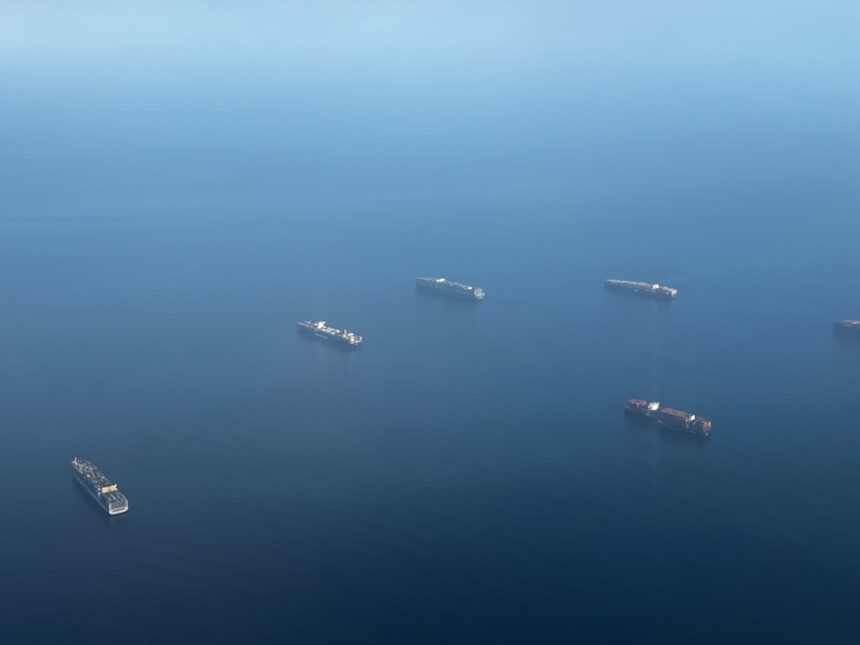
By capturing images of ships at sea, analysts could track commercial shipping, identify important trade routes, and observe the patterns associated with naval convoys. This intelligence could reveal economic vulnerabilities or potential choke points in an enemy’s supply chain.
Electronic and Signals Intelligence (SIGINT) from the Air
Aircraft equipped with SIGINT packages could conduct wide-area electronic surveillance, intercepting communications and gathering intelligence on radar and other electronic systems.
Listening to the Skies: Intercepting Communications and Radar Data
Dedicated SIGINT aircraft, flying along the fringes of contested airspace or international waters, were tasked with intercepting radio communications between ships and shore stations. They could also detect and analyze radar emissions from enemy vessels and aircraft, providing valuable real-time intelligence. The vastness of the ocean meant that aircraft were the most efficient way to cover large areas for electronic intercepts.
The Ghost in the Machine: Understanding Enemy Communications and Radar Capabilities
Understanding the content of intercepted communications could reveal operational plans, fleet morale, and the effectiveness of command and control structures. Analyzing radar data revealed the types of radar in use, their performance characteristics, and their potential for detection and targeting.
The Undercover Agents: Human Intelligence (HUMINT) in Maritime Operations
While technology played a paramount role, human intelligence remained an indispensable component of Cold War maritime intelligence. Agents in ports, dockworkers, disillusioned sailors, and even diplomats could provide invaluable insights that technology alone could not capture.
Infiltration and Information Extraction: The Human Element
The subtle art of human intelligence involved cultivating sources, building trust, and persuading individuals to divulge sensitive information. This was a delicate and often dangerous game, played out in the shadows of international ports and shipyards.
Cultivating Sources: The Power of Connection and Persuasion
Intelligence agencies worked to identify individuals within or close to the enemy’s naval establishments who might be willing to cooperate. These could be disgruntled sailors, individuals with access to sensitive areas, or even those simply motivated by ideology or financial gain. The methods of cultivation were varied, ranging from offers of money and privilege to appeals to patriotism or discontent.
The Art of Debriefing: Extracting Every Ounce of Information
Once an agent provided information, skilled debriefers were crucial for extracting every last detail. This involved careful questioning, cross-referencing information, and identifying subtle nuances that might otherwise be overlooked. A successful debriefing could unlock layers of understanding that even the most advanced technology could not penetrate.
Port Visits and Naval Diplomacy: A Cover for Observation
Official port visits by naval vessels, while ostensibly diplomatic or for resupply, often served as a convenient cover for intelligence gathering. Sailors and intelligence personnel could observe naval facilities, gather information about ship routines, and even attempt to establish contacts.
The Trojan Horse Approach: Observing from Within
When a naval vessel entered a foreign port, its crew was often tasked with observing and documenting anything of intelligence value. This could include the types of ships in port, their operational readiness, the deployment of defenses, and even the general morale of the opposing forces. The presence of a foreign warship could also prompt increased activity or security measures that themselves provided intelligence.
Blackmail and Bribery: The Darker Side of HUMINT
In some instances, intelligence agencies resorted to more coercive methods, such as blackmail or bribery, to obtain information. While ethically questionable, these tactics were sometimes employed when all other avenues were exhausted. The threat of exposure or the promise of significant financial reward could be powerful motivators.
Cold War maritime intelligence operations played a crucial role in shaping naval strategies and geopolitical dynamics during the tense standoff between superpowers. These operations often involved intricate surveillance techniques and the use of advanced technology to monitor enemy movements and capabilities. For a deeper understanding of these clandestine activities, you can explore a related article that delves into the complexities of maritime espionage during this era. This insightful piece can be found here, providing a comprehensive overview of the strategies employed by both sides in the maritime domain.
The Data Deluge: Analysis and Fusion of Maritime Intelligence
| Operation Name | Year(s) | Country | Objective | Key Assets Used | Outcome |
|---|---|---|---|---|---|
| Operation Ivy Bells | 1970-1980 | USA | Undersea wiretapping of Soviet naval communications | Submarine USS Halibut, divers, tapping devices | Successful interception of Soviet naval communications |
| Project Azorian | 1974 | USA | Recovery of sunken Soviet submarine K-129 | Glomar Explorer ship, deep-sea recovery technology | Partial recovery; intelligence gained but mission partially secret |
| Operation Gold | 1955-1956 | USA/UK | Wiretapping Soviet communication cables in Berlin | Underground tunnel, wiretap devices | Compromised by Soviet double agent; operation exposed |
| Operation Moby Dick | 1950s | USA | Tracking Soviet submarines in the Atlantic | Sonar arrays, maritime patrol aircraft | Improved tracking and understanding of Soviet submarine movements |
| Operation Sandcastle | 1960s | UK | Monitoring Soviet naval missile tests | Reconnaissance ships, electronic surveillance equipment | Gathered valuable data on missile capabilities |
The sheer volume of data collected through acoustic, electronic, visual, and human intelligence was staggering. The true value of this intelligence lay not in its collection but in its rigorous analysis and fusion.
The Intelligence Cycle: From Collection to Actionable Insight
Collected intelligence followed a rigorous process known as the intelligence cycle: collection, processing, analysis, dissemination, and re-collection. Each stage was critical in transforming raw data into actionable intelligence that could inform strategic decision-making.
Deconvoluting the Noise: Identifying Relevant Data
The first step was to process and filter the raw data, removing irrelevant information and identifying the pieces that held potential intelligence value. This was a monumental task, akin to finding a needle in a haystack, but the needle represented a critical vulnerability or an important capability.
The Art of Synthesis: Connecting the Dots
Once processed, the data was then analyzed by teams of specialists. They would look for patterns, anomalies, and corroborating evidence from different sources. The goal was to synthesize disparate pieces of information into a coherent picture of the enemy’s naval strength, intentions, and potential courses of action. Imagine assembling a jigsaw puzzle where each piece comes from a different, unrelated box.
Dissemination and Strategic Decision-Making: Informing the War Effort
The final stage involved disseminating the analyzed intelligence to the relevant decision-makers, including political leaders, military commanders, and operational units. This intelligence directly informed strategic planning, resource allocation, and operational execution.
Shaping the Cold War Narrative: The Impact of Maritime Intelligence
The intelligence gathered and analyzed played a crucial role in shaping the strategic calculus of the Cold War. It allowed nations to gauge the threat posed by their adversaries’ naval forces, to develop effective countermeasures, and to avoid miscalculations that could have led to catastrophic conflict. The silent wars fought in the ocean’s depths were, in many ways, the unseen guardians of peace.
The covert Cold War naval operations, shrouded in secrecy and driven by the relentless pursuit of maritime intelligence, stand as a testament to the intricate and often unheralded efforts made to maintain a delicate balance of power. These operations, conducted by submarines, surface ships, aircraft, and human agents, formed the bedrock of strategic understanding, shaping the course of a global standoff without ever firing a shot in overt conflict.
FAQs
What were Cold War maritime intelligence operations?
Cold War maritime intelligence operations involved the collection and analysis of naval and maritime information by both the United States and the Soviet Union, as well as their allies, to monitor each other’s naval capabilities, movements, and strategic intentions during the Cold War period (approximately 1947-1991).
Which agencies were primarily responsible for maritime intelligence during the Cold War?
Key agencies included the U.S. Navy’s Office of Naval Intelligence (ONI), the Central Intelligence Agency (CIA), and the National Security Agency (NSA) on the American side, while the Soviet Union relied on the Main Directorate of the General Staff (GRU) and the KGB for maritime intelligence gathering.
What methods were used to gather maritime intelligence during the Cold War?
Methods included electronic signals intelligence (SIGINT), human intelligence (HUMINT) from spies and informants, reconnaissance aircraft and satellites, underwater surveillance using sonar and submarines, and interception of naval communications.
Why was maritime intelligence important during the Cold War?
Maritime intelligence was crucial for tracking naval deployments, submarine movements, and missile capabilities, which helped both sides maintain strategic balance, avoid surprise attacks, and inform military planning and diplomatic negotiations.
Did Cold War maritime intelligence operations lead to any significant incidents?
Yes, several incidents, such as the capture of the U.S. spy ship USS Pueblo by North Korea in 1968 and the detection of Soviet submarine activity near U.S. waters, highlighted the risks and tensions inherent in maritime intelligence operations during the Cold War.