# Covert Naval Warfare During the Cold War
The origins of covert naval warfare during the Cold War emerged from the geopolitical tensions that developed following World War II. As the Soviet Union and the United States transitioned from wartime allies to ideological adversaries, both nations sought to expand their influence and gather intelligence in strategically important regions. Naval operations became a critical component of this competition, with submarines, intelligence-gathering vessels, and specialized maritime units conducting missions beneath the surface of international relations.
The Soviet Navy, under the direction of Admiral Sergei Gorshkov, underwent rapid modernization and expansion during the 1960s and 1970s. This expansion enabled the Soviets to project power globally and conduct reconnaissance operations far from their home waters. Simultaneously, the United States Navy maintained technological superiority through advanced submarine designs and sophisticated surveillance systems, allowing American forces to monitor Soviet activities across the world’s oceans.
These covert naval operations included submarine espionage, the interception of communications, and the collection of oceanographic data that could be applied to military purposes. Both superpowers developed specialized vessels designed to operate undetected, gathering signals intelligence and monitoring the movements of opposing naval forces. These activities, while technically violations of international norms, remained largely hidden from public view and represented a significant dimension of Cold War competition that extended beyond conventional military confrontation.
The documentary reveals the shocking story of a KGB mole who infiltrated the highest levels of government.
Key Takeaways
- Covert naval warfare during the Cold War heavily relied on submarines and special forces for secret operations and intelligence gathering.
- Technological advancements played a crucial role in enhancing the effectiveness of covert naval missions.
- These secret naval battles significantly influenced geopolitical relations and heightened tensions between superpowers.
- Declassified documents have revealed the complexity and risks involved in covert naval operations, including ethical and psychological challenges.
- Lessons from Cold War covert naval warfare continue to shape modern naval strategy and intelligence practices.
As the United States and the Soviet Union emerged as superpowers, their rivalry extended into various domains, including military strategy and naval operations. The need for secrecy and deniability became paramount, as both nations sought to gain an upper hand without provoking direct confrontation. This led to the development of covert operations that utilized naval assets in ways that were often hidden from public scrutiny and international oversight.
In this context, covert naval warfare was characterized by a series of clandestine missions aimed at gathering intelligence, disrupting enemy operations, and influencing maritime dynamics. The Cold War’s ideological battle between capitalism and communism fueled a sense of urgency for both sides to engage in covert actions that could tip the balance of power. The establishment of specialized units within naval forces, such as the U.S.
Navy’s SEALs and the Soviet Union’s Spetsnaz, marked a significant evolution in how naval warfare was conducted. These units were trained to operate in secrecy, often behind enemy lines, and their missions were designed to achieve strategic objectives without drawing attention to their activities.
The Role of Submarines in Covert Cold War Naval Battles
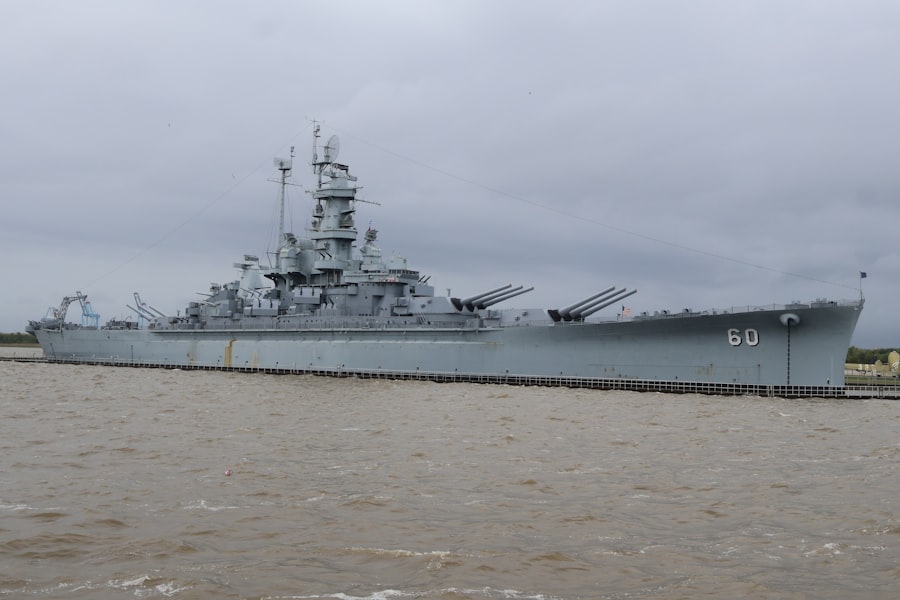
Submarines played a pivotal role in the covert naval battles of the Cold War, serving as both platforms for intelligence gathering and instruments of deterrence. Their ability to operate undetected beneath the ocean’s surface made them ideal for conducting clandestine operations. The United States and the Soviet Union invested heavily in submarine technology, leading to advancements that allowed these vessels to carry out missions ranging from surveillance to sabotage.
The stealthy nature of submarines enabled them to gather critical information about enemy movements and capabilities while remaining hidden from adversaries. Moreover, submarines were instrumental in executing covert strikes against enemy assets. For instance, U.S.
submarines were involved in operations that targeted Soviet supply lines and naval installations, disrupting their maritime operations without escalating tensions to open conflict. The Cold War saw the introduction of nuclear-powered submarines, which extended operational ranges and enhanced their strategic value. These vessels not only served as platforms for launching ballistic missiles but also as tools for psychological warfare, instilling fear in adversaries who were aware of their potential capabilities.
The combination of stealth, firepower, and versatility made submarines a cornerstone of covert naval warfare during this tumultuous period.
Espionage and Intelligence Gathering at Sea
Espionage and intelligence gathering at sea became essential components of naval strategy during the Cold War. Both superpowers recognized that understanding their opponent’s capabilities and intentions was crucial for maintaining a strategic advantage. Naval intelligence operations often involved deploying ships and submarines equipped with advanced surveillance technology to monitor enemy activities.
These missions were conducted under the veil of secrecy, with operatives trained to gather information without revealing their presence. The use of signals intelligence (SIGINT) played a significant role in these operations. Naval vessels would intercept communications between enemy ships and shore installations, providing valuable insights into operational plans and troop movements.
Additionally, reconnaissance missions conducted by aircraft and drones complemented these efforts, allowing for a comprehensive understanding of maritime dynamics. The information gathered through these covert operations informed military strategies and decision-making processes, shaping the course of naval engagements throughout the Cold War.
Covert Operations and Special Forces in Naval Warfare
| Battle/Operation | Date | Location | Involved Navies | Outcome | Significance |
|---|---|---|---|---|---|
| Operation Ivy Bells | 1970-1979 | Bering Sea | US Navy, Soviet Navy | US successfully tapped Soviet underwater communication cables | Provided critical intelligence on Soviet naval operations |
| USS Pueblo Incident | January 23, 1968 | Sea of Japan | US Navy, North Korean Navy | USS Pueblo captured by North Korea | Heightened Cold War tensions; intelligence loss for US |
| Operation Sandcastle | Late 1950s | North Atlantic Ocean | UK Royal Navy, Soviet Navy | Disposal of captured German chemical weapons at sea | Prevented chemical weapons proliferation during Cold War |
| Battle of the Paracel Islands | January 19-20, 1974 | Paracel Islands, South China Sea | South Vietnam Navy, People’s Liberation Army Navy (China) | Chinese victory, control of Paracel Islands | Strategic control of South China Sea islands |
| Operation Mincemeat | 1943 (WWII, but influenced Cold War tactics) | Atlantic Ocean | British Royal Navy, German Kriegsmarine | Successful deception operation | Set precedent for Cold War naval deception tactics |
Covert operations conducted by special forces became a hallmark of naval warfare during the Cold War. These elite units were tasked with executing high-stakes missions that required precision, stealth, and adaptability. The U.S. Navy SEALs, for example, were involved in various covert operations aimed at disrupting enemy supply lines, conducting sabotage missions, and gathering intelligence on hostile forces. Their training emphasized unconventional warfare tactics, enabling them to operate effectively in diverse environments, from coastal regions to urban settings. The Soviet Union also developed its own special forces units, such as the Spetsnaz, which were trained for similar covert operations. These forces engaged in missions that included reconnaissance, sabotage, and direct action against enemy targets. The competition between these special forces units added another layer of complexity to naval warfare during the Cold War, as both sides sought to outmaneuver each other through innovative tactics and strategies. The success or failure of these covert operations often had far-reaching implications for broader military campaigns and geopolitical relations.
The Influence of Technology on Covert Naval Battles

The Cold War era witnessed rapid advancements in technology that significantly influenced covert naval battles. Innovations in sonar systems, satellite communications, and underwater drones transformed how naval forces conducted operations at sea. Submarines became equipped with sophisticated sonar technology that allowed them to detect enemy vessels from great distances while remaining undetected themselves.
This technological edge provided a crucial advantage in covert operations, enabling submarines to gather intelligence and execute missions with greater efficacy. Moreover, advancements in communication technology facilitated real-time information sharing among naval forces. Secure communication channels allowed for coordinated efforts between different branches of the military, enhancing the effectiveness of covert operations.
The introduction of satellite reconnaissance further revolutionized intelligence gathering at sea, providing high-resolution imagery that could be analyzed for strategic insights. As both superpowers raced to develop cutting-edge technologies, the landscape of covert naval warfare evolved dramatically, shaping the tactics employed by naval forces on both sides.
The Impact of Covert Naval Warfare on Geopolitical Relations
Covert naval warfare had profound implications for geopolitical relations during the Cold War. The clandestine nature of these operations often led to heightened tensions between the United States and the Soviet Union, as each side sought to undermine the other’s influence without resorting to open conflict. Incidents involving covert naval actions could escalate quickly, leading to diplomatic crises that threatened global stability.
Furthermore, covert naval operations influenced alliances and partnerships among nations. Countries aligned with either superpower often found themselves embroiled in proxy conflicts driven by covert actions at sea.
The competition for influence extended beyond direct military engagements; it also involved efforts to sway public opinion and garner support from neutral nations.
The Legacy of Covert Cold War Naval Battles
The legacy of covert Cold War naval battles continues to resonate in contemporary military strategy and international relations. The lessons learned from this era have informed modern naval doctrines that emphasize stealth, intelligence gathering, and unconventional warfare tactics. As nations navigate an increasingly complex global landscape marked by asymmetric threats and hybrid warfare strategies, the principles established during the Cold War remain relevant.
Moreover, the legacy of these covert operations has shaped public perceptions of military engagement. The secrecy surrounding many Cold War missions has led to ongoing debates about transparency and accountability in military operations. As declassified documents reveal previously hidden aspects of these covert actions, historians and analysts continue to examine their implications for contemporary military ethics and governance.
The enduring impact of covert naval warfare serves as a reminder of the intricate interplay between military strategy and geopolitical dynamics.
Declassified Documents and Revelations about Covert Naval Operations
The release of declassified documents has shed light on many previously unknown aspects of covert naval operations during the Cold War. These revelations have provided historians and researchers with valuable insights into the strategies employed by both superpowers and the extent of their clandestine activities at sea. Documents detailing specific missions, operational plans, and intelligence assessments have contributed to a more nuanced understanding of how covert naval warfare shaped military outcomes.
One notable example is the declassification of documents related to Operation Ivy Bells, a joint U.S.-Navy-CIA operation aimed at tapping into Soviet underwater communication lines. This operation exemplified the lengths to which both sides would go to gain an advantage in intelligence gathering during the Cold War. Such revelations not only illuminate historical events but also raise questions about the ethical implications of espionage and covert actions in modern warfare.
The Psychological and Emotional Toll of Covert Naval Warfare
The psychological and emotional toll of covert naval warfare on personnel involved cannot be overlooked. Those engaged in clandestine operations often faced immense pressure due to the high-stakes nature of their missions. The need for secrecy created an environment where individuals had to navigate complex moral dilemmas while grappling with the potential consequences of their actions.
The fear of failure or exposure could lead to significant stress and anxiety among operatives tasked with executing sensitive missions. Moreover, the impact on families and loved ones should not be underestimated. Service members involved in covert operations often had to maintain secrecy about their activities, leading to feelings of isolation from those closest to them.
The emotional burden associated with such secrecy could strain relationships and contribute to mental health challenges long after their service had ended. Understanding this psychological toll is essential for addressing the needs of veterans who participated in covert naval warfare during the Cold War.
The Ethical and Moral Dilemmas of Covert Naval Operations
Covert naval operations during the Cold War raised significant ethical and moral dilemmas that continue to resonate today. The use of deception and secrecy in military engagements challenges fundamental principles of transparency and accountability in governance. Questions arise regarding the justification for conducting covert actions that may result in unintended consequences or collateral damage.
As nations grapple with these dilemmas, they must weigh national security interests against ethical considerations. Additionally, the potential for abuse of power within covert operations poses a critical concern. Instances where operatives acted outside established protocols or engaged in unlawful activities highlight the need for oversight mechanisms to ensure accountability.
As modern militaries navigate complex operational environments characterized by asymmetric threats, addressing these ethical dilemmas remains paramount for maintaining public trust and upholding democratic values.
Lessons Learned from Covert Cold War Naval Battles for Modern Naval Strategy
The lessons learned from covert Cold War naval battles offer valuable insights for contemporary naval strategy. As nations face evolving threats in an increasingly interconnected world, understanding the dynamics of covert operations can inform strategic decision-making processes. Emphasizing stealth, intelligence gathering, and adaptability will be crucial for modern navies seeking to navigate complex maritime environments.
Furthermore, fostering collaboration among allied nations can enhance collective security efforts against shared threats. The experiences gained from past covert operations underscore the importance of building partnerships based on trust and mutual interests. As modern navies confront new challenges posed by non-state actors and hybrid warfare tactics, integrating lessons from Cold War experiences will be essential for developing effective strategies that address contemporary security concerns while upholding ethical standards in military engagement.
The secret history of Cold War naval battles reveals a complex web of strategies and covert operations that shaped global politics during this tense period. For those interested in exploring more about the intricacies of military tactics and the geopolitical landscape of the time, a related article can be found at In The War Room, which delves into various aspects of military history and analysis.
WATCH THIS 🛑 SHOCKING: The KGB Mole Who Made Every Soviet Submarine Visible
FAQs
What was the Cold War?
The Cold War was a period of geopolitical tension between the United States and the Soviet Union, along with their respective allies, lasting roughly from 1947 to 1991. It was characterized by political, military, and ideological rivalry without direct large-scale fighting between the two superpowers.
What role did naval battles play during the Cold War?
Naval battles and operations were crucial during the Cold War as both the US and the Soviet Union sought to control strategic sea routes, gather intelligence, and project power globally. Naval forces were involved in covert operations, surveillance, and occasional confrontations, often involving submarines and surface ships.
Were there any direct naval battles during the Cold War?
While there were few large-scale direct naval battles, numerous smaller skirmishes, confrontations, and incidents occurred at sea. Many engagements were covert or involved intelligence-gathering missions, such as submarine shadowing and electronic surveillance.
What types of naval vessels were significant in Cold War naval battles?
Submarines, especially nuclear-powered ones, played a significant role due to their stealth and strategic capabilities. Aircraft carriers, destroyers, cruisers, and missile boats were also important for power projection and defense.
How did technology influence Cold War naval battles?
Technological advancements such as nuclear propulsion, sonar, missile systems, and electronic warfare greatly influenced naval strategies and engagements. These technologies enhanced detection, stealth, and strike capabilities.
What was the significance of submarine warfare during the Cold War?
Submarine warfare was a key element of Cold War naval strategy. Both superpowers used submarines for nuclear deterrence, intelligence gathering, and tracking enemy vessels. Submarines could operate covertly, making them vital for surveillance and potential first-strike capabilities.
Did Cold War naval battles involve any secret or classified operations?
Yes, many naval operations during the Cold War were secret or classified, involving espionage, reconnaissance, and covert engagements. These operations often remain partially or fully undisclosed even today.
How did Cold War naval battles impact global politics?
Naval confrontations and the threat of naval escalation influenced diplomatic relations, arms control agreements, and military strategies. Control of sea lanes and naval superiority were critical factors in maintaining the balance of power during the Cold War.
Where can I learn more about the secret history of Cold War naval battles?
Books, declassified government documents, naval archives, and documentaries provide detailed information about Cold War naval history. Academic research and military history publications also offer in-depth analyses of these secretive engagements.