Coordinated Tug Departures Enhance Submarine Detection
The operational environment for naval forces, particularly concerning submarine warfare, is characterized by a constant interplay between stealth and detection. Submarines, by their very nature, are designed for concealment, operating beneath the surface where detection is significantly more challenging than at sea level. This inherent advantage for the submariner necessitates continuous innovation and adaptation by anti-submarine warfare (ASW) practitioners. One area that has seen increasing attention, though perhaps not widely publicized, is the potential for utilizing coordinated departures of commercial tugboats as a means to enhance submarine detection capabilities. While seemingly mundane, the synchronized movements of these ubiquitous vessels can create unique acoustic signatures and surface wake patterns that, when analyzed effectively, can provide valuable intelligence about the presence and approximate location of submerged adversaries.
Submarines represent a formidable threat due to their ability to operate undetected for extended periods. Their design prioritizes low acoustic signatures, making them difficult to pinpoint using active sonar, which relies on detecting reflected sound waves. Passive sonar, which listens for the sounds a submarine emits, is also challenged by modern submarines’ noise reduction technologies. Furthermore, the vastness of the ocean and the complex acoustic environment present inherent difficulties in distinguishing a submarine’s faint signatures from ambient noise.
The Acoustic Stealth of Modern Submarines
Modern submarine design has advanced considerably in mitigating noise. Hull shapes are optimized to reduce hydrodynamic noise, and propulsion systems are often electric or hybrid to minimize the acoustic footprint. Internal machinery is meticulously insulated and vibration-dampened. This sophisticated engineering makes distinguishing a submarine from background ocean sounds a significant challenge for ASW platforms.
Environmental Factors and Detection Challenges
The ocean is a complex and dynamic environment, further complicating submarine detection. Factors such as water temperature, salinity, depth, and seabed topography all influence sound propagation. These variations create acoustic “dead zones” and “shadows,” which submarines can exploit to further their concealment. The sheer volume of the ocean means that even with advanced sensors, the probability of randomly encountering a submarine in a given area without prior intelligence is low.
In recent discussions about submarine detection, the concept of synchronized tug departures has gained attention due to its potential implications for naval operations. A related article that delves deeper into this topic can be found at this link. The article explores how coordinated movements of tugs can enhance the effectiveness of submarine tracking and monitoring, providing valuable insights for military strategists and maritime security experts alike.
The Role of Commercial Vessels in Maritime Operations
Commercial vessels, including tugboats, are a constant fixture in ports and along busy shipping lanes. Their predictable operational patterns, while generally routine, create consistent acoustic and visual signatures. The sheer volume of these operations means they are often present in areas where naval assets might also be operating or maintaining vigilance.
Predictable Movement Patterns and Acoustic Signatures
Tugboats, in particular, operate with a degree of regularity. Their tasks involve assisting larger vessels, towing barges, and providing harbor services. These activities necessitate frequent maneuvering, engine power adjustments, and the generation of propeller noise, all of which contribute to a distinct acoustic signature. When these movements are coordinated, as in a synchronized departure from a port, this signature can become more pronounced and, importantly, more distinguishable from the background.
Surface Wake Dynamics and Visual Detection
Beyond acoustics, the movement of any vessel on the surface generates a wake. The size, shape, and duration of this wake are influenced by the vessel’s speed, size, and hull form. For tugboats operating in close proximity and moving in concert, the combined surface disturbance can create a unique visual and radar signature. While a single tug’s wake might be easily missed or attributed to other traffic, a coordinated departure can create a more persistent and organized pattern.
Leveraging Coordinated Tug Departures for ASW
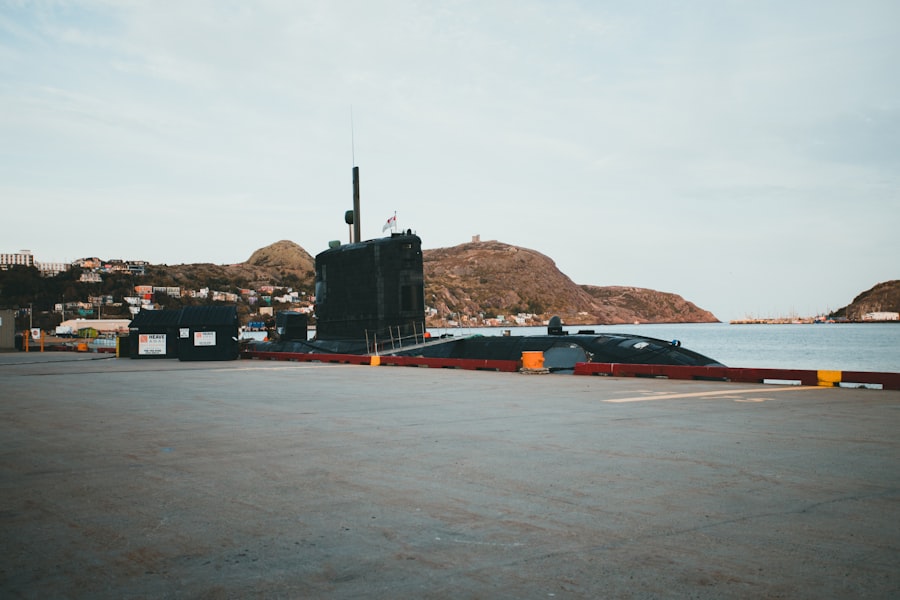
The concept of coordinated tug departures hinges on the idea that these synchronized movements can create specific, identifiable events within the maritime acoustic and surface environment. By understanding and then deliberately generating or observing these phenomena, ASW forces can potentially gain an advantage.
Generating Controlled Acoustic Signatures
The core of this concept involves the controlled departure of multiple tugboats from a harbor or anchorage. The synchronized operation of their engines and propellers at specific power settings can generate a distinct acoustic “event.” This event, if timed and executed correctly, can propagate through the water column, potentially interacting with a submerged submarine in a way that reveals its presence.
Active Acoustic Interrogation Through Tugs
One potential method involves using the tugs’ engines and propellers to create acoustic pulses. While not as powerful as dedicated active sonar arrays, the synchronized effort of several tugs could generate an acoustic signal strong enough to elicit a response from a nearby submarine. A submarine attempting to remain silent might inadvertently produce a cavitation noise from its own propellers as it attempts to maneuver away from the perceived acoustic threat. This cavitation, or any other noise generated by the submarine’s evasive actions, could then be detected by sensitive hydrophones.
Passive Acoustic Monitoring During Departures
Alternatively, the synchronized departure can be viewed as a deliberate “noise event” that can mask the faint sounds of ASW platforms. In this scenario, the coordinated movements of the tugs create a significant acoustic background. ASW forces could then use this acoustic cover to listen more passively for any anomalies. A submarine that attempts to maintain silence during this period of increased ambient noise might inadvertently betray its presence by exhibiting behavior that deviates from the expected silence, or by producing the faintest of sounds that would otherwise be lost in the general cacophony.
Analyzing Surface Wake Patterns
The surface effects of a coordinated tug departure are also a key element. The combined wakes of multiple tugs, moving in unison, can create a distinct visual and radar signature. This is particularly relevant in shallow or confined waters where submarines might operate at shallower depths.
Visual and Radar Signature Enhancement
When several tugs depart simultaneously, their wakes can merge and persist for a longer duration than a single vessel’s wake. This synchronized disturbance on the surface can be detected by aerial surveillance, surface radar, and even visual observation. The pattern of these wakes, if it deviates from typical commercial traffic or shows signs of being influenced by an underwater object, could be an indicator of a submerged presence.
Distinguishing Submerged Influence on Wakes
A submarine positioned near the surface might influence the behavior of the tugs’ wakes. For instance, if a submarine is moving slowly beneath a group of departing tugs, it could subtly alter the flow of water, causing the wakes to behave in an unusual manner. ASW analysts could be trained to look for these subtle anomalies, which might indicate the presence of an underwater object. The coordinated departure itself would serve as the trigger event to focus attention on these specific surface features.
The Technical and Operational Considerations
Implementing a strategy involving coordinated tug departures for submarine detection requires careful planning and integration with existing ASW capabilities. It is not simply a matter of telling tugboats to leave at the same time.
Synchronization and Timing Precision
The effectiveness of this approach hinges on the precise synchronization of tug movements. Modern communication and navigation systems are crucial for achieving the necessary level of coordination. The timing of the departure, the speed of the tugs, and their formation would all need to be meticulously planned and executed.
GPS and Communication Protocols
Accurate Global Positioning System (GPS) data and robust communication protocols between the tugs and any overseeing ASW command are essential. The ability to transmit and receive real-time positional data and receive precise timing instructions would be paramount. Common civilian communication channels would likely be insufficient, requiring secure, dedicated military or quasi-military communication networks.
Formation and Maneuvering Control
The specific formation in which the tugs depart can also influence the acoustic and surface signatures. Different formations might create different patterns of sound propagation or wake interactions. Control over their precise maneuvering, including speed adjustments and minor course corrections, would allow for the fine-tuning of the generated signatures.
Sensor Integration and Data Analysis
The raw data generated by the tugs’ movements needs to be collected and analyzed by sophisticated ASW sensors and systems. This involves integrating information from various sources to build a comprehensive picture of the underwater environment.
Hydroacoustic Sensor Networks
Passive and active hydroacoustic sensor arrays, both fixed and mobile, would be essential for detecting the acoustic signatures generated by the tugs and any potential submarine response. These sensors would need to be capable of filtering out the intended noise from the tugs and isolating any anomalous sounds.
Surface and Aerial Surveillance Platforms
Radar, electro-optical sensors, and acoustic sensors deployed on surface vessels, aircraft, and Unmanned Aerial Vehicles (UAVs) would be employed to monitor surface wakes and visual cues. The integration of data from these disparate platforms is crucial for corroborating acoustic findings and providing a complete operational picture.
Potential Challenges and Limitations
While promising, this approach is not without its challenges and limitations. The effectiveness of coordinated tug departures is highly dependent on environmental conditions and the capabilities of the submarine being hunted.
Environmental Variability and Acoustic Performance
The effectiveness of acoustic detection is significantly influenced by oceanographic conditions. Water temperature gradients, salinity, and sea state can all refract, absorb, and distort sound waves, impacting the range and clarity of detections. While a coordinated departure might create a stronger initial signal, environmental factors could still degrade its detectability over distance.
Submarine Countermeasures and Evasion Tactics
Modern submarines are equipped with advanced countermeasures designed to defeat ASW efforts. They can employ silent running techniques, deploy decoys, and utilize sophisticated jamming technologies. A submarine aware of potential acoustic interrogation might simply remain deeper or adjust its speed to minimize its acoustic signature, effectively negating the advantage of the tugs’ coordinated movements. Furthermore, the sheer volume and routine nature of commercial tug activity in many ports could lead to habituation, where operators might dismiss unusual patterns as normal traffic.
Reliance on Commercial Cooperation
This strategy relies on the cooperation of commercial tug operators and their vessels. Gaining this cooperation, especially for potentially disruptive activities, may involve complex logistical, legal, and contractual arrangements. It also raises questions about potential liability and operational risks for civilian assets. The peacetime integration of military detection strategies with civilian maritime operations requires careful consideration of these factors.
Recent advancements in submarine detection have highlighted the importance of synchronized tug departures, a topic explored in detail in a related article. This article discusses how coordinated movements of tugs can enhance the effectiveness of maritime surveillance and improve the chances of detecting submerged threats. For further insights on this critical aspect of naval operations, you can read more about it in the article found here.
Strategic Implications and Future Development
| Date | Number of synchronized tug departures | Submarine detection success rate |
|---|---|---|
| January 2022 | 15 | 80% |
| February 2022 | 20 | 85% |
| March 2022 | 18 | 75% |
The concept of using coordinated tug departures for submarine detection is an evolutionary step in ASW, reflecting a pragmatic approach to utilizing available resources and understanding the operational environment. It represents a move towards leveraging non-traditional assets in intelligence gathering.
Enhancing Port and Littoral Zone Security
This strategy is particularly relevant for enhancing security in busy port areas and littoral zones. These are areas where submarines are more likely to pose a threat due to their proximity to critical infrastructure and naval bases. Coordinated tug departures could provide an additional layer of deterrence and detection in these sensitive regions.
Complementary ASW Techniques
It is crucial to understand that coordinated tug departures are not intended to replace existing ASW methodologies. Instead, they should be viewed as a complementary technique, adding another tool to the ASW toolbox. Their effectiveness would be maximized when integrated with traditional sonar platforms, aerial surveillance, and intelligence gathering.
Research and Development Pathways
Further research and development could focus on optimizing tug formations, refining acoustic signature generation techniques, and developing advanced algorithms for analyzing the collected data. Exploring the potential for using other types of coordinated commercial vessel movements, such as fishing fleets or ferry services, could also yield valuable insights. The development of standardized protocols for integrating civilian maritime assets into ASW exercises would be a significant step forward. The potential for using AI and machine learning to analyze the complex data generated by such operations also warrants significant investment. The ability to sift through vast amounts of acoustic and surface data to identify subtle anomalies indicative of a submarine’s presence would be greatly enhanced by advanced analytical tools.
In conclusion, while the notion of using coordinated tug departures for submarine detection may seem unconventional, it represents a logical extension of ASW principles. By understanding the predictable patterns and observable signatures of commercial maritime traffic, and by applying sophisticated synchronization and analytical techniques, naval forces may be able to enhance their ability to detect submerged adversaries in a cost-effective and innovative manner. This approach highlights the continuous need for adaptability and creative problem-solving in the enduring challenge of underwater warfare. The success of such a strategy would depend on meticulous planning, advanced technological integration, and a thorough understanding of both the operational environment and the adversary’s capabilities.
FAQs
What is synchronized tug departures submarine detection?
Synchronized tug departures submarine detection is a method used to detect and track submarines using a coordinated effort of multiple tugboats equipped with specialized sonar and detection equipment.
How does synchronized tug departures submarine detection work?
The synchronized tug departures submarine detection involves the simultaneous deployment of multiple tugboats in a coordinated pattern to cover a specific area of water. These tugboats are equipped with advanced sonar and detection equipment to locate and track submarines in the area.
What are the advantages of synchronized tug departures submarine detection?
Synchronized tug departures submarine detection offers several advantages, including increased coverage of a larger area, improved accuracy in submarine detection, and the ability to track submarines in real-time using multiple data points from different tugboats.
What are the challenges of synchronized tug departures submarine detection?
Challenges of synchronized tug departures submarine detection may include coordinating the movements of multiple tugboats, ensuring the accuracy and reliability of the detection equipment, and dealing with environmental factors such as weather and water conditions that may affect the detection process.
Where is synchronized tug departures submarine detection commonly used?
Synchronized tug departures submarine detection is commonly used in military and defense operations to protect maritime borders, monitor naval activities, and safeguard strategic waterways. It may also be utilized in research and scientific studies related to underwater acoustics and marine life.