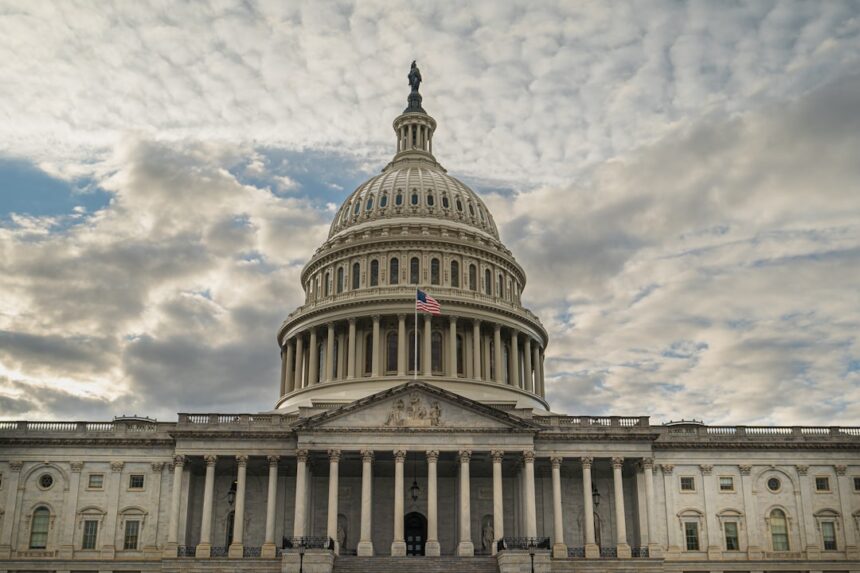
In recent years, Congress has faced a multitude of pressing issues, yet one area that consistently garners attention is defense spending. The decision to maintain and even expand defense programs reflects a complex interplay of political, economic, and social factors. Lawmakers often find themselves navigating a landscape where national security concerns, economic implications, and the influence of powerful defense contractors converge.
This article delves into the multifaceted reasons behind Congress’s commitment to sustaining defense programs, exploring the political and economic factors that shape these decisions. The ongoing debate surrounding defense spending is not merely a matter of budgetary allocations; it is deeply intertwined with the fabric of American society and its global standing. As threats evolve and new challenges emerge, Congress must weigh the necessity of robust defense capabilities against the backdrop of fiscal responsibility.
The implications of these decisions extend beyond the military realm, affecting local economies, job markets, and international relations. Understanding the motivations behind Congress’s choices in defense spending is crucial for grasping the broader narrative of American governance and its priorities.
Key Takeaways
- Congress maintains defense programs due to a mix of political, economic, and security considerations.
- Defense contractors and lobbying groups heavily influence congressional decisions.
- National security concerns and partisan politics shape public opinion and legislative priorities.
- Economic impacts on jobs and local economies play a critical role in sustaining defense spending.
- Balancing fiscal responsibility with geopolitical and congressional oversight challenges future defense program prospects.
Political Factors: Influence of Defense Contractors
One of the most significant political factors influencing Congress’s decision to sustain defense programs is the powerful presence of defense contractors. These companies, which range from large corporations to smaller firms, play a pivotal role in shaping defense policy through lobbying efforts and campaign contributions. Their influence is often felt in the halls of Congress, where lawmakers are lobbied to support funding for specific programs that align with the contractors’ interests.
This relationship can create a cycle where defense spending is perpetuated not solely by national security needs but also by the financial interests of these contractors. Moreover, defense contractors often employ former military officials and government employees, creating a revolving door that further intertwines the interests of the private sector with public policy. This dynamic can lead to a situation where decisions about defense spending are influenced more by corporate interests than by strategic military considerations.
As a result, Congress may find itself under pressure to allocate funds to programs that benefit these contractors, even when such expenditures may not align with the most pressing national security needs.
Political Factors: National Security Concerns
National security concerns are perhaps the most compelling reason for Congress’s commitment to defense programs. In an increasingly volatile global landscape, lawmakers are acutely aware of the potential threats posed by hostile nations and non-state actors alike. The rise of cyber warfare, terrorism, and geopolitical tensions necessitates a robust military presence and advanced technological capabilities.
Consequently, Congress often prioritizes defense spending as a means to ensure that the United States remains prepared to respond to any emerging threats. The perception of vulnerability can drive bipartisan support for defense initiatives, as lawmakers from both parties recognize the importance of maintaining a strong military posture. This shared understanding can lead to a consensus on funding levels, even in times of fiscal constraint.
Additionally, national security concerns often transcend party lines, allowing Congress to unite around defense spending as a critical component of safeguarding American interests both domestically and abroad.
Political Factors: Partisan Politics and Public Opinion
Partisan politics also play a significant role in shaping Congress’s approach to defense spending. While national security is often viewed as a unifying issue, it can also become a point of contention between political parties. Republicans traditionally advocate for higher defense budgets, emphasizing military readiness and strength, while Democrats may prioritize diplomatic solutions and social programs.
In times of crisis or heightened security threats, public support for increased defense spending tends to rise, prompting lawmakers to respond accordingly. This responsiveness can lead to bipartisan agreements on funding levels, as elected officials seek to align their actions with the sentiments of their constituents.
Conversely, during periods of relative peace or economic downturns, public opinion may shift toward prioritizing domestic issues over military expenditures, creating tension within Congress as lawmakers grapple with competing priorities.
Economic Factors: Impact on Jobs and Local Economies
| Reason | Description | Impact on Congress | Example Programs |
|---|---|---|---|
| Economic Impact | Defense programs support thousands of jobs in many districts, influencing local economies. | Congress members avoid cancellations to protect employment and economic stability in their constituencies. | F-35 Joint Strike Fighter, Virginia-class Submarine |
| Political Pressure | Lobbying by defense contractors and military officials exerts strong influence on lawmakers. | Congress faces pressure to maintain funding to satisfy powerful interest groups and campaign donors. | Patriot Missile System, Littoral Combat Ship |
| National Security Concerns | Programs are often justified as essential for maintaining military readiness and technological edge. | Lawmakers hesitate to cancel programs fearing it may weaken defense capabilities. | Ballistic Missile Defense, Cybersecurity Initiatives |
| Long-Term Commitments | Many programs involve multi-year contracts and international partnerships that are difficult to terminate. | Congress avoids cancellations to prevent legal and diplomatic complications. | International Fighter Jet Collaborations, Nuclear Submarine Programs |
| Budgetary Complexity | Defense budgets are complex and intertwined with other government spending, making cuts challenging. | Congress often opts to continue programs rather than navigate complicated reallocation processes. | Space Force Initiatives, Missile Defense Systems |
The economic implications of defense spending extend far beyond the military itself; they resonate throughout local economies across the nation. Defense contracts often translate into job creation in various sectors, from manufacturing to technology development. Many communities rely heavily on defense-related industries for employment opportunities, making it politically advantageous for lawmakers to advocate for sustained funding in this area.
The potential loss of jobs due to cuts in defense spending can create significant backlash from constituents who depend on these positions for their livelihoods. Moreover, defense spending can stimulate economic growth in regions where military bases or defense contractors are located. The influx of federal dollars can lead to increased investment in infrastructure, education, and healthcare services within these communities.
As such, Congress’s decision to maintain robust defense programs is often viewed through an economic lens, where the benefits of job creation and local development are weighed against broader fiscal considerations.
Economic Factors: Budgetary Constraints and Government Spending
Despite the strong arguments for maintaining defense programs, Congress must also contend with budgetary constraints that limit government spending across various sectors. The federal budget is a complex document that requires careful negotiation among competing interests, and defense spending is often scrutinized alongside other critical areas such as healthcare, education, and social services. As lawmakers grapple with rising national debt and fiscal responsibility, they must balance the need for a strong military with the imperative to address domestic priorities.
In this context, debates over defense spending can become contentious as lawmakers advocate for their respective constituencies. Some may argue for increased funding to address perceived threats, while others may call for cuts in order to redirect resources toward pressing social issues. This tug-of-war reflects the broader challenge of managing limited resources in a way that satisfies diverse stakeholder interests while ensuring national security remains a top priority.
Economic Factors: Influence of Lobbying and Special Interest Groups
The influence of lobbying and special interest groups cannot be overlooked when examining Congress’s decisions regarding defense programs. Defense contractors are not the only players in this arena; various organizations advocate for specific military initiatives or funding levels based on their interests. These groups often employ sophisticated lobbying strategies to sway lawmakers’ opinions and garner support for their causes.
The presence of well-funded lobbying efforts can create an environment where certain defense programs receive disproportionate attention and funding compared to others that may be equally or more critical from a strategic standpoint. This dynamic raises questions about transparency and accountability in the decision-making process, as lawmakers may feel compelled to cater to the interests of powerful lobbyists rather than focusing solely on national security needs.
Political and Economic Factors: International Relations and Geopolitical Considerations
International relations and geopolitical considerations significantly influence Congress’s approach to defense spending. The United States occupies a unique position on the global stage, with responsibilities that extend beyond its borders. As tensions rise in various regions—whether due to territorial disputes, nuclear proliferation, or humanitarian crises—Congress must consider how its defense policies align with broader foreign policy objectives.
The interconnectedness of global affairs means that decisions made in Washington can have far-reaching implications for international stability. Lawmakers often view robust defense spending as essential not only for protecting American interests but also for maintaining alliances and deterring adversaries. This perspective reinforces the notion that investment in defense is not merely an expenditure but rather a strategic necessity that contributes to global peace and security.
Political and Economic Factors: Congressional Power and Oversight
Congress’s role in overseeing defense spending is critical in ensuring accountability and transparency within the military-industrial complex. The legislative branch possesses significant power when it comes to authorizing budgets and scrutinizing expenditures related to national defense. This oversight function allows Congress to hold the executive branch accountable for its military strategies while also providing an opportunity for lawmakers to advocate for their constituents’ interests.
However, this power can be complicated by partisan politics and competing priorities within Congress itself. Lawmakers may face pressure from their parties or constituents to support certain funding levels or programs that may not align with broader strategic goals. As such, navigating this landscape requires careful consideration of both political dynamics and economic realities as Congress seeks to fulfill its oversight responsibilities while addressing national security needs.
Implications for National Defense and Fiscal Responsibility
The implications of Congress’s decisions regarding defense programs extend far beyond immediate military capabilities; they resonate throughout American society and influence fiscal responsibility at multiple levels. As lawmakers grapple with competing priorities—balancing national security needs against budgetary constraints—they must remain vigilant about ensuring that defense spending aligns with strategic objectives rather than succumbing solely to political pressures or lobbying efforts. Ultimately, the challenge lies in crafting a comprehensive approach that addresses both immediate threats and long-term strategic goals while maintaining fiscal discipline.
As Congress continues to navigate this complex landscape, it must remain committed to transparency and accountability in its decision-making processes—ensuring that national defense remains a priority without compromising fiscal responsibility.
Future Prospects for Defense Programs in Congress
Looking ahead, the future prospects for defense programs in Congress will likely be shaped by an evolving array of factors—both political and economic—influencing national security priorities. As new challenges emerge on the global stage, lawmakers will need to adapt their strategies accordingly while remaining attuned to public sentiment regarding military expenditures. The interplay between national security concerns, economic implications, partisan politics, and lobbying efforts will continue to define the discourse surrounding defense spending in Congress.
As such, it is imperative for lawmakers to strike a balance between maintaining robust military capabilities and addressing pressing domestic issues—ensuring that America remains secure while fostering responsible governance in an increasingly complex world.
Congress’s reluctance to cancel defense programs can be attributed to a variety of factors, including political pressure, economic considerations, and national security concerns. For a deeper understanding of this issue, you can read a related article that explores the complexities behind defense spending decisions. Check it out here: Why Congress Won’t Cancel Defense Programs.
FAQs
Why does Congress hesitate to cancel defense programs?
Congress often hesitates to cancel defense programs due to concerns about national security, the potential impact on military readiness, and the economic effects on districts and states where defense contractors operate. Additionally, political considerations and commitments to long-term defense strategies play a role.
How do defense programs impact local economies?
Defense programs frequently support thousands of jobs in manufacturing, engineering, and related sectors. Cancelling these programs can lead to significant job losses and economic downturns in communities dependent on defense contracts.
What role does the Department of Defense play in defense program cancellations?
The Department of Defense (DoD) evaluates the necessity and effectiveness of defense programs and provides recommendations to Congress. However, Congress has the final authority to approve, modify, or cancel programs based on DoD input and other factors.
Are there political factors influencing the continuation of defense programs?
Yes, political factors such as lobbying by defense contractors, the interests of elected officials representing districts with defense industry jobs, and broader national security debates influence decisions to continue or cancel defense programs.
What are the consequences of cancelling a defense program?
Cancelling a defense program can lead to cost savings but may also result in capability gaps, loss of skilled jobs, contractual penalties, and disruptions in military planning and procurement.
How does Congress balance budget constraints with defense needs?
Congress balances budget constraints with defense needs by conducting hearings, reviewing program performance, and negotiating funding levels to ensure that defense spending aligns with strategic priorities and fiscal responsibility.
Can defense programs be restructured instead of cancelled?
Yes, Congress may choose to restructure or modify defense programs to improve efficiency, reduce costs, or better meet military requirements rather than outright cancelling them.