The geopolitical landscape of the Persian Gulf in 2026 is marked by a palpable sense of recalibration, with established coalitions showing discernible signs of erosion. What were once relatively cohesive alliances, forged in the furnace of shared security concerns and economic interests, are now navigating a more fragmented and individually driven set of priorities. This shift is not a sudden collapse, but rather a gradual diffusion, influenced by a complex interplay of evolving regional power dynamics, fluctuating global security imperatives, and the persistent, albeit sometimes muted, influence of external actors. Understanding these fissures requires a disaggregated analysis, focusing on the key drivers and symptomatic manifestations of this coalition erosion.
The long-standing regional order, characterized by a few dominant players and their associated networks, is undergoing a significant transformation. The traditional leadership roles are being challenged, not necessarily by outright opposition, but by a growing inclination towards independent action and a re-evaluation of the benefits derived from multilateral frameworks. This has led to a noticeable rise in bilateral engagements and a pragmatic approach to partnerships, where alliances are formed and dissolved based on immediate, tangible gains rather than ideological solidarity or long-term strategic alignment.
The Ascendancy of New Power Centers
- Emerging Middle Powers: Countries like Qatar and Oman, traditionally playing more intermediary roles, are asserting greater agency in their foreign policy. Their strategic locations and economic diversification initiatives allow them to engage with a wider range of partners, often irrespective of existing alliance structures. This independent posture contributes to a more diffuse power distribution, diminishing the exclusive sway of older, more established powers.
- The Iraq Factor and Its Repercussions: Iraq, while still grappling with internal stability, has increasingly re-engaged with its regional neighbors, a process accelerated by shared concerns over Daesh resurgence and economic reconstruction. Its re-emergence as a regional player, albeit a complex one, necessitates new diplomatic configurations and subtly alters the existing power calculations of established Gulf states. The need for Baghdad to secure diverse economic and security partnerships naturally leads to a more multilateral approach on its part, which in turn encourages other actors to diversify their own engagements.
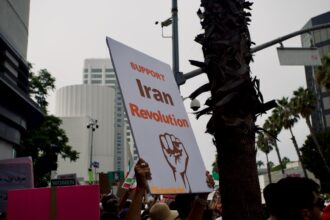
- The Shifting Sands of Iranian Influence: Iran’s continued strategic maneuvering, coupled with its ongoing nuclear program and regional proxy engagements, remains a persistent factor. However, the calculus surrounding its influence is evolving. While some Gulf states view Iran as a perpetual threat requiring strong counter-alliances, others are exploring avenues for de-escalation and limited engagement, driven by economic necessity and a desire to avoid further regional conflagration. This divergence in approach weakens the unified anti-Iran stance that once formed the bedrock of certain coalitions.
The Decline of Ideological Solidarity
- Economic Imperatives Trumping Political Alignment: In 2026, the immediate economic needs of many Gulf nations are taking precedence over broader ideological commitments. Global economic headwinds, coupled with the imperative of diversifying away from oil dependence, have pushed governments to prioritize trade, investment, and technological partnerships. This practical focus can lead to collaborations with states that might not align ideologically, diluting the impact of traditional alliances based on shared political or religious identities. The pursuit of critical infrastructure projects or advanced manufacturing capabilities often dictates partnerships, regardless of a state’s alignment in other spheres.
- The Rise of Technocratic Governance and its Influence: Many Gulf states are witnessing an increasing emphasis on technocratic governance, where policy decisions are driven by economic efficiency and pragmatic outcomes. This shift can lead to a more fluid approach to foreign relations, where partnerships are assessed on their return on investment rather than their adherence to a particular political or religious doctrine. The focus is on what works, what is beneficial, and what fosters stability for economic progress, rather than perpetuating historical alliances.
In the context of coalition erosion in the Persian Gulf, a pertinent article can be found that discusses the shifting alliances and geopolitical dynamics in the region as of 2026. This article delves into the factors contributing to the fragmentation of coalitions and the implications for regional stability. For further insights, you can read the full article at In the War Room.
Evolving Security Architectures: The Case for Bespoke Solutions
The traditional security frameworks that once bound Gulf states together are proving increasingly inadequate in addressing the multifaceted and evolving nature of contemporary threats. While collective security mechanisms remain, their efficacy is being undermined by a growing preference for tailored, bilateral, or issue-specific security arrangements. The emphasis is shifting from broad-spectrum defense pacts to more specialized, adaptable security solutions that reflect the unique vulnerabilities and operational needs of individual states.
The Limitations of Traditional Collective Defense
- Varying Threat Perceptions: The shared threat perception that once unified many Gulf states is becoming increasingly fragmented. While the overarching concern about regional instability persists, the specific nature and urgency of these threats can vary significantly from one nation to another. Some prioritize maritime security and freedom of navigation, while others are more concerned with internal dissent or the proliferation of unconventional weapons. This divergence naturally leads to different resource allocations and strategic priorities, weakening the collective response.
- The Burden-Sharing Dilemma: The equitable distribution of security burdens within coalitions has long been a point of contention. In 2026, this issue is exacerbated as states face their own unique economic pressures and resource constraints. The expectation that all members of a coalition will contribute equally to defense spending and operational deployments is met with increasing resistance, as individual nations prioritize their own domestic needs and fiscal realities. This can lead to resentment and a sense of unfairness, eroding solidarity.
The Rise of Bilateral Security Pacts
- Tailored Defense Agreements: Many states are now opting for more specific, bilateral security agreements that address particular threats or operational requirements. These agreements can range from joint military exercises and intelligence sharing to the provision of specialized military hardware and training. This allows for a more efficient and targeted allocation of resources, ensuring that security cooperation is aligned with concrete needs.
- The Strategic Importance of External Security Guarantees: For some Gulf states, the erosion of internal coalition cohesion has led to an increased reliance on external security guarantees. These can manifest as enhanced defense partnerships with global powers, such as the United States, or more localized security arrangements with non-Gulf actors. The desire for robust, predictable security assurances often pushes these states to seek out more reliable, albeit sometimes less politically palatable, partners.
The Emergence of Niche Security Initiatives
- Cybersecurity Cooperation as a New Frontier: With the growing reliance on digital infrastructure, cybersecurity has emerged as a critical area for cooperation, often transcending traditional alliance boundaries. States are increasingly forging partnerships focused on information sharing, threat intelligence, and joint capacity building in the cyber domain. These initiatives are often driven by pragmatic necessity and are less encumbered by the historical baggage of broader security alliances.
- Maritime Security and Trade Route Protection: Given the vital role of maritime trade in the region, collective efforts to ensure freedom of navigation and protect shipping lanes remain a priority. However, even in this area, the approach is becoming more pragmatic and less ideologically driven. Coalitions may form for specific operational periods or to address particular threats, with participants varying based on their proximity to the affected sea lanes and their capacity to contribute.
Economic Diversification and its Geopolitical Ripple Effects

The concerted efforts by Gulf nations to diversify their economies away from a sole reliance on hydrocarbons are fundamentally reshaping their foreign policy orientations and, consequently, their alliance structures. This economic transformation is leading to new sets of priorities, new partners, and a diminished emphasis on traditional, often oil-centric, geopolitical alignments.
The Pursuit of New Markets and Investment Opportunities
- Shifting Trade Patterns: As oil revenues become less dominant, Gulf states are actively seeking to expand their trade relationships with a broader array of global partners. This involves seeking new markets for their non-oil exports, attracting foreign investment in new sectors, and participating in global supply chains. These economic imperatives naturally lead to more multilateral and less exclusionary foreign policy approaches.
- The Role of Sovereign Wealth Funds: The vast sovereign wealth funds held by many Gulf nations are playing an increasingly influential role in shaping economic partnerships. These funds are actively investing in diverse sectors globally, leading to new economic ties that can sometimes bypass or even complicate existing political alliances. The pursuit of profitable investment opportunities often dictates engagement, regardless of a nation’s traditional allegiances.
The Rise of China and India as Economic Partners
- Increased Bilateral Trade and Investment: China and India, as major consumers of energy and burgeoning economic powers, have become increasingly crucial trading partners for Gulf states. This has led to a deepening of bilateral ties, characterized by significant investment flows and long-term energy agreements. While these relationships do not necessarily replace existing security alliances, they do introduce a new set of geopolitical considerations and can influence a state’s decision-making in other spheres.
- Diversification Away from Traditional Economic Dependencies: The desire to diversify economic dependencies away from historical partners, particularly Western nations, is a significant driver for fostering closer ties with emerging economic powers like China and India. This strategic move aims to create a more resilient economic base, less susceptible to external pressures or shifts in the priorities of traditional allies.
The Impact on Resource-Centric Alliances
- Diminished Importance of Oil-Based Coalitions: As the reliance on oil exports diminishes, the traditional alliances that were largely forged around oil production and price stabilization are losing their defining purpose. While energy security remains a concern, the overarching geopolitical calculus is no longer solely dictated by the dynamics of the global oil market. This allows for a broader range of partnerships to emerge, based on different economic and security considerations.
- The Search for New Economic Synergies: Gulf states are now actively seeking new economic synergies, looking for partnerships that can support their diversification agendas. This might involve collaborations in areas like renewable energy, technology, tourism, or logistics. These new economic alliances often involve a wider array of countries and are less likely to be constrained by the historical frameworks of pre-diversification era alliances.
The Shifting Sands of External Influence: New Players, New Dynamics

The traditional influence of external powers in the Persian Gulf is being reconfigured. While established actors like the United States continue to play significant roles, the landscape is becoming more complex with the increasing assertiveness of other global and regional players. This evolving external dynamic directly impacts the cohesion and decision-making of existing Gulf coalitions.
The United States’ Evolving Role
- Rebalancing of Strategic Priorities: The United States, facing its own domestic and global challenges, has signaled a rebalancing of its strategic priorities. While its commitment to regional security remains, the nature of its engagement is evolving, with a greater emphasis on burden-sharing and encouraging regional self-reliance. This shift can create a sense of uncertainty for some Gulf allies who have historically depended on robust American security guarantees.
- The Impact of American Domestic Politics: Fluctuations in American domestic politics and the associated shifts in foreign policy doctrines can create a degree of unpredictability in U.S.-Gulf relations. This lack of consistent, long-term strategic alignment can lead Gulf states to diversify their partnerships and seek alternative sources of security and economic support, thereby weakening their reliance on any single external patron.
The Ascendancy of China and Russia
- Economic Diplomacy and Strategic Partnerships: China’s economic influence in the region, manifested through massive investments and trade deals, is increasingly being translated into diplomatic and strategic partnerships. Its Belt and Road Initiative, for example, has created new avenues for engagement and cooperation, often independent of traditional Western-aligned coalitions. Russia, too, is reasserting its presence, leveraging its energy ties and its role in regional security dialogues.
- Filling the Gaps in Security Assistance: As some traditional security partners re-evaluate their commitments, countries like China and Russia are increasingly positioning themselves to offer alternative forms of security assistance and military cooperation. This can create new, albeit often less ideologically aligned, security relationships that further fragment the existing coalition structures. The desire for affordable and accessible military technology can drive partnerships with these emerging powers.
The Growing Influence of India
- Strategic Economic and Security Ties: India, with its rapidly expanding economy and growing geopolitical ambitions, is forging increasingly robust economic and security ties with several Persian Gulf nations. These relationships are driven by energy security needs, trade opportunities, and a shared interest in regional stability. India’s independent foreign policy also means its engagements are less constrained by pre-existing alliance frameworks, further diversifying regional partnerships.
- The Pursuit of Multi-Alignment: The rise of India as a significant regional player encourages a multi-alignment strategy among Gulf states. This means that individual nations may seek to cultivate strong relationships with multiple global powers simultaneously, rather than being exclusively aligned with one. This inherently dilutes the notion of rigid, exclusive coalitions.
In 2026, the dynamics of coalition erosion in the Persian Gulf have become increasingly complex, as various regional powers reassess their alliances and strategies. A recent article explores these shifting alliances and their implications for regional stability, highlighting the challenges faced by traditional coalitions. For a deeper understanding of this critical issue, you can read more in the article on coalition dynamics found here. As tensions rise, the future of cooperation in the region remains uncertain, prompting analysts to closely monitor these developments.
Internal Pressures and Societal Shifts: The Underrated Factors
| Country | Coalition Status | Reason for Erosion |
|---|---|---|
| United States | Weakening | Shift in foreign policy priorities |
| Saudi Arabia | Unstable | Internal political challenges |
| United Arab Emirates | Declining | Disagreements over regional strategy |
| Qatar | Withdrawn | Focus on independent foreign policy |
Beyond the realm of international diplomacy and high-level security agreements, internal pressures and evolving societal dynamics within Persian Gulf nations are also subtly, yet significantly, contributing to the erosion of traditional coalitions. These domestic factors, often overlooked in broader geopolitical analyses, are creating new priorities and influencing foreign policy stances in ways that can undermine established alliances.
The Imperative of Domestic Stability and Social Reform
- Prioritizing Economic Development and Citizen Welfare: In 2026, many Gulf governments are increasingly focused on domestic economic development, job creation, and improving the overall welfare of their citizens. This internal focus necessitates a pragmatic approach to foreign policy, where partnerships are evaluated based on their contribution to these national priorities, rather than solely on their alignment with traditional geopolitical doctrine.
- The Influence of Youth Demographics: The large youth populations in many Gulf countries are demanding greater economic opportunities, social freedoms, and a more dynamic future. Governments are acutely aware of these demands and are tailoring their policies, including foreign relations, to meet these evolving societal expectations. This can lead to a desire for less confrontational stances and a greater openness to new partnerships that can foster innovation and economic growth.
The Rise of Non-State Actors and Civil Society
- Increased Public Scrutiny and Digital Discourse: The proliferation of social media and digital platforms has led to increased public scrutiny of government policies, including foreign relations. Citizens are more vocal in their opinions and can exert informal pressure on governments, influencing their approach to regional and international partnerships. This can lead to a more cautious and less overtly confrontational foreign policy, which can strain alliances built on aggressive posturing.
- The Impact of Humanitarian Concerns: Growing awareness of regional humanitarian crises and the impact of conflict can also influence public opinion and, by extension, government policy. This might lead to a greater emphasis on diplomatic solutions and de-escalation, potentially diverging from more hardline approaches favored by certain traditional allies.
The Economic Realities of Diversification
- The Challenge of Creating Sustainable Employment: While economic diversification is a stated goal, the reality of creating sustainable, high-paying employment for a growing population remains a significant challenge. Governments are under pressure to deliver tangible economic outcomes, which can lead to a pragmatic approach to partnerships, seeking out those that offer the best opportunities for investment and job creation, irrespective of historical alliances.
- The Need for New Skill Sets and Technological Adoption: The shift towards knowledge-based economies requires the adoption of new technologies and the development of novel skill sets. This necessitates partnerships with countries leading in these fields, fostering relationships that may not have been prioritized within older, more established coalitions. The pursuit of technological advancement can become a driver for new allegiances, superseding long-standing political ties.
In conclusion, the year 2026 in the Persian Gulf paints a picture of a region in flux. The erosion of traditional coalitions is not a sign of imminent collapse, but rather a testament to the adaptive nature of statecraft in an era of shifting power dynamics, evolving security threats, and transformative economic imperatives. The emphasis has moved from rigid, ideologically driven alliances to more pragmatic, issue-specific, and mutually beneficial partnerships. As Gulf states continue their journeys of economic diversification and navigate a complex international environment, the landscape of regional alliances is likely to remain fluid, characterized by a constant recalibration of interests and a persistent pursuit of tailored solutions.
FAQs
What is the coalition erosion in the Persian Gulf 2026?
The coalition erosion in the Persian Gulf 2026 refers to the breakdown of the alliance between countries in the region, leading to a weakening of their collective efforts to address security and stability issues.
What factors have contributed to the coalition erosion in the Persian Gulf?
Several factors have contributed to the coalition erosion in the Persian Gulf, including diverging national interests, historical rivalries, and differing approaches to regional security and foreign policy.
Which countries are involved in the coalition erosion in the Persian Gulf 2026?
The coalition erosion in the Persian Gulf 2026 involves countries such as Saudi Arabia, Iran, the United Arab Emirates, and other Gulf Cooperation Council (GCC) member states, as well as external actors such as the United States and Russia.
What are the implications of the coalition erosion in the Persian Gulf?
The coalition erosion in the Persian Gulf has significant implications for regional security, as it may lead to increased tensions, power struggles, and potential conflicts, as well as a more complex geopolitical landscape in the region.
How are international actors responding to the coalition erosion in the Persian Gulf?
International actors, including the United Nations, European Union, and other global powers, are closely monitoring the situation and engaging in diplomatic efforts to mitigate the effects of the coalition erosion in the Persian Gulf and promote stability and dialogue among the involved parties.