The Cuban Missile Crisis of October 1962 represents one of the most dangerous confrontations in Cold War history. The crisis emerged when U.S. reconnaissance aircraft detected Soviet nuclear missile installations in Cuba, approximately 90 miles from Florida’s coast.
This discovery precipitated a 13-day standoff between the United States and the Soviet Union that brought the world to the edge of nuclear conflict. President John F. Kennedy and his National Security Council deliberated several response options, ultimately implementing a naval quarantine of Cuba to prevent additional Soviet weaponry from reaching the island.
Kennedy publicly announced the crisis in a televised address, informing Americans about the missile threat and outlining the administration’s response measures. The crisis unfolded against the backdrop of intense Cold War tensions, with both superpowers possessing nuclear arsenals capable of unprecedented destruction. The Soviet missile deployment in Cuba represented both a strategic military threat to the United States and a significant geopolitical challenge to American influence in the Western Hemisphere.
The situation created widespread anxiety among government officials and civilians alike as the possibility of nuclear war became tangible.
Key Takeaways
- The Cuban Missile Crisis was a critical Cold War confrontation that brought the world close to nuclear war.
- Diplomacy played a crucial role in peacefully resolving the standoff and avoiding catastrophic conflict.
- The crisis had profound psychological effects on populations living under the threat of imminent nuclear war.
- Key political and military leaders shaped the course and outcome of the crisis through their decisions and negotiations.
- The legacy of the Cuban Missile Crisis influenced Cold War politics, arms control, media coverage, and future nuclear policy.
The Role of Diplomacy in Preventing Nuclear War
In the face of such dire circumstances, diplomacy emerged as a crucial tool in averting disaster. You might wonder how two nations, so entrenched in their positions, could find common ground amidst such hostility. The answer lies in the willingness of both sides to engage in dialogue, even when tensions were at their peak.
These exchanges allowed both leaders to express their concerns and explore potential solutions without escalating the situation further. As you reflect on this diplomatic effort, it becomes clear that compromise was essential.
You can see how Khrushchev ultimately agreed to withdraw Soviet missiles from Cuba in exchange for a U.S. commitment not to invade the island and a secret promise to remove American missiles from Turkey. This delicate negotiation underscores the importance of diplomacy in international relations, especially during times of crisis.
You might find it fascinating that, despite their ideological differences, both leaders recognized the need to prioritize human life over political posturing. Their ability to communicate effectively and seek a peaceful resolution serves as a powerful reminder of diplomacy’s potential to prevent catastrophic outcomes.
The Psychological Impact of Living on the Brink of Nuclear War
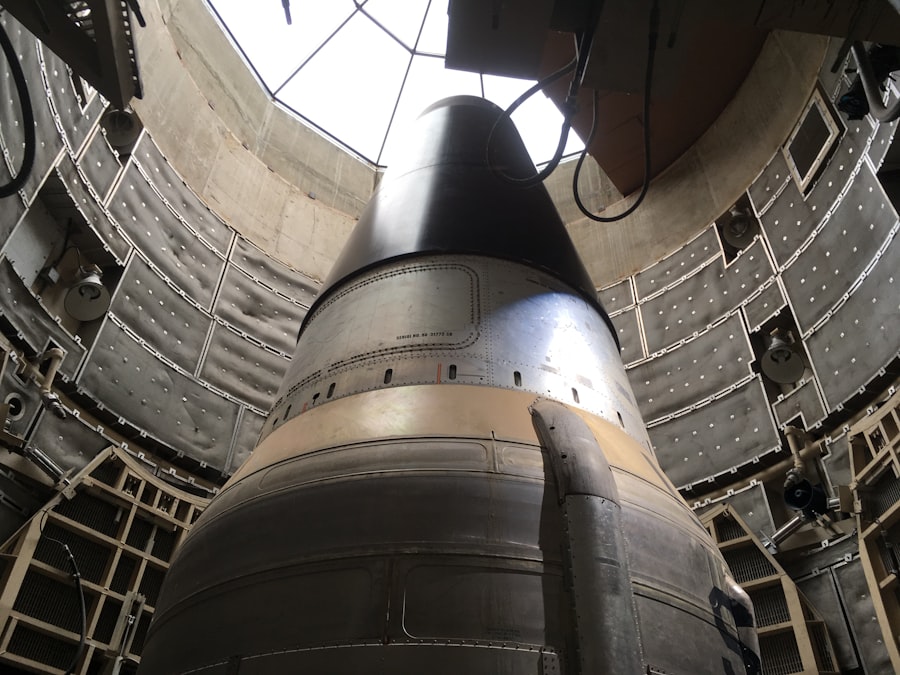
Living under the shadow of nuclear war has profound psychological effects on individuals and societies alike. You can imagine the pervasive fear that gripped people during the Cuban Missile Crisis, as they grappled with the possibility of annihilation. The constant threat of nuclear conflict created an atmosphere of anxiety that permeated daily life.
You might recall how families huddled together, discussing emergency plans and stockpiling supplies, all while trying to maintain a semblance of normalcy. This collective anxiety was not limited to those directly involved in the crisis; it extended to people around the world who were acutely aware of the stakes. The psychological toll of such a tense standoff can lead to long-lasting effects on mental health and societal dynamics.
You may consider how this fear manifested in various ways, from increased stress levels to a pervasive sense of helplessness. The crisis also sparked a wave of activism and advocacy for nuclear disarmament, as individuals sought to reclaim a sense of agency in an uncertain world. You can see how this period marked a turning point in public consciousness regarding nuclear weapons, prompting many to question the morality and necessity of such destructive capabilities.
The legacy of this psychological impact continues to resonate today, as societies grapple with the implications of living in a world where nuclear weapons remain a reality.
The Key Players in the Cuban Missile Crisis
Understanding the Cuban Missile Crisis requires an examination of its key players, each of whom played a pivotal role in shaping events during this critical period. At the forefront was President John F. Kennedy, whose leadership style and decision-making were instrumental in navigating the crisis.
You can appreciate how Kennedy’s calm demeanor and willingness to listen to diverse perspectives helped him make informed choices under immense pressure. His ability to balance military options with diplomatic solutions demonstrated a nuanced understanding of international relations. On the other side was Nikita Khrushchev, whose motivations were rooted in both strategic interests and ideological convictions.
You might find it intriguing that Khrushchev sought to assert Soviet power and protect Cuba from perceived American aggression. His decision to place missiles on the island was not merely an act of provocation; it was also an attempt to level the playing field in a world dominated by U.S. military superiority.
As you consider these two leaders, you can see how their personalities and political contexts influenced their actions during the crisis. Additionally, there were other key figures involved, such as U.S. Secretary of Defense Robert McNamara and Soviet Foreign Minister Andrei Gromyko, who provided critical insights and advice to their respective leaders.
You may recognize that these individuals played essential roles in shaping strategies and responses during this high-stakes confrontation. Their contributions highlight the complexity of decision-making during times of crisis and underscore how collaboration among advisors can impact outcomes.
The Legacy of the Cuban Missile Crisis
| Event | Date | Description | Risk Level | Outcome |
|---|---|---|---|---|
| Cuban Missile Crisis | October 1962 | US and USSR came close to nuclear war over Soviet missiles in Cuba. | Extreme | Diplomatic resolution, missiles removed |
| Stanislav Petrov Incident | September 26, 1983 | Soviet officer Petrov identified a false alarm of US missile launch and prevented retaliation. | High | False alarm, no retaliation |
| Able Archer 83 | November 1983 | NATO exercise mistaken by USSR as possible first strike. | High | No attack, exercise ended |
| Korean War Nuclear Threat | 1950-1953 | US considered nuclear weapons use during Korean War. | Moderate | No nuclear weapons used |
| Yom Kippur War | October 1973 | US raised nuclear alert during conflict between Israel and Arab states. | Moderate | Conflict contained, no nuclear use |
The legacy of the Cuban Missile Crisis extends far beyond its immediate resolution; it has left an indelible mark on international relations and global security dynamics. You might consider how this event served as a wake-up call for both superpowers regarding the dangers of nuclear escalation. The realization that miscommunication or miscalculation could lead to catastrophic consequences prompted a reevaluation of military strategies and diplomatic approaches.
In many ways, you can see how this crisis catalyzed efforts toward arms control and disarmament initiatives in subsequent years. Moreover, the Cuban Missile Crisis has become a symbol of the importance of communication and diplomacy in preventing conflict. You may find it fascinating that it led to the establishment of direct communication lines between Washington and Moscow, known as the “hotline,” designed to facilitate rapid communication during crises.
This development reflects a broader understanding that maintaining open channels for dialogue is essential for managing tensions between nations. As you reflect on this legacy, you can appreciate how lessons learned from this crisis continue to inform contemporary discussions about nuclear weapons and global security.
Lessons Learned from the Cuban Missile Crisis
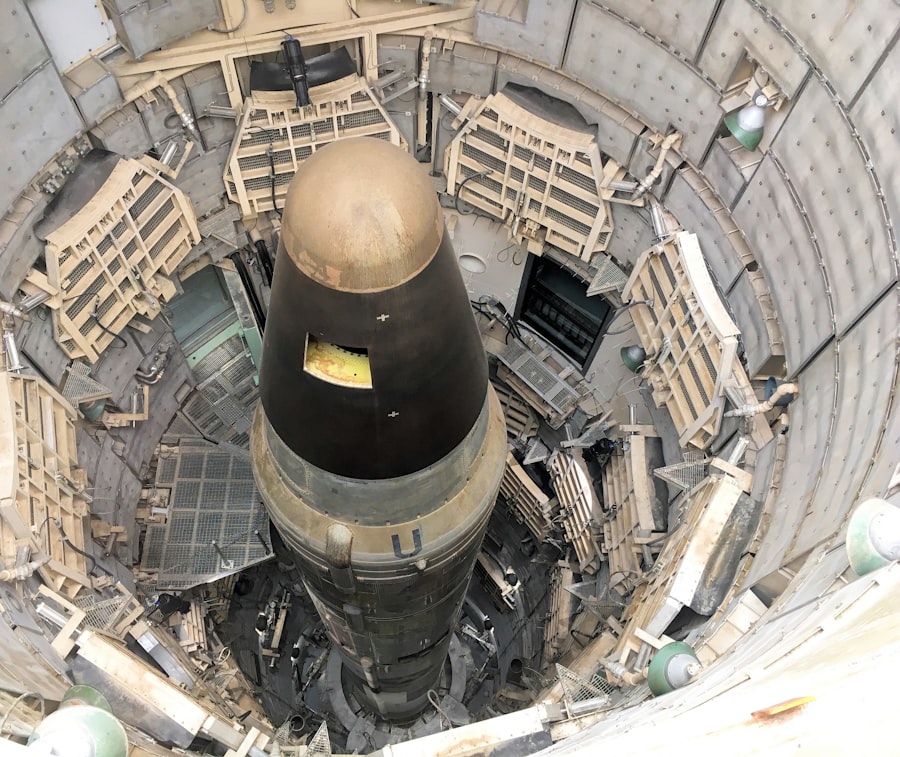
The Cuban Missile Crisis offers invaluable lessons that remain relevant today as nations navigate complex geopolitical landscapes. One key takeaway is the importance of clear communication during crises. You might recognize that misunderstandings or misinterpretations can escalate tensions rapidly, leading to unintended consequences.
The crisis underscored the need for leaders to engage in direct dialogue and establish reliable channels for communication, ensuring that messages are conveyed accurately and promptly. Another significant lesson is the value of restraint and measured responses in high-stakes situations. You can see how both Kennedy and Khrushchev ultimately prioritized diplomacy over military action, recognizing that escalation could lead to irreversible consequences.
This emphasis on restraint serves as a reminder that leaders must carefully consider their options and avoid impulsive decisions that could exacerbate conflicts. As you contemplate these lessons, you may find yourself reflecting on contemporary global challenges where similar principles could apply.
The Impact of the Cuban Missile Crisis on Cold War Politics
The Cuban Missile Crisis had profound implications for Cold War politics, reshaping the dynamics between the United States and the Soviet Union. You might observe how this event marked a turning point in their relationship, leading to increased caution on both sides regarding nuclear engagement. The realization that direct confrontation could have catastrophic consequences prompted both superpowers to adopt more measured approaches in their dealings with one another.
In addition, you can see how the crisis influenced public perception of nuclear weapons and military strategies during this era. The fear generated by the standoff led to heightened anti-nuclear sentiment among citizens worldwide, prompting calls for disarmament and greater accountability from governments regarding their nuclear arsenals. This shift in public consciousness contributed to subsequent arms control agreements, such as the Nuclear Non-Proliferation Treaty (NPT), which aimed to prevent the spread of nuclear weapons and promote disarmament efforts.
The Cuban Missile Crisis and the Arms Race
The Cuban Missile Crisis also played a significant role in shaping the arms race between the United States and the Soviet Union. You may find it interesting that this event highlighted the dangers associated with unchecked military competition and prompted both nations to reconsider their strategies regarding nuclear weapons development. In its aftermath, there was a growing recognition that an arms race could lead to catastrophic consequences for humanity.
As you reflect on this aspect, you might consider how subsequent arms control agreements emerged as a response to the lessons learned from the crisis. Initiatives such as SALT (Strategic Arms Limitation Talks) sought to curb the proliferation of nuclear weapons and establish frameworks for dialogue between superpowers. These efforts underscore how crises can serve as catalysts for change, prompting nations to seek cooperative solutions rather than engage in destructive competition.
The Cuban Missile Crisis and the Global Community
The Cuban Missile Crisis had far-reaching implications beyond U.S.-Soviet relations; it also impacted perceptions within the global community regarding nuclear weapons and international security. You might recognize how this event galvanized anti-nuclear movements worldwide, as citizens began advocating for disarmament and greater accountability from their governments regarding nuclear arsenals. The fear generated by the crisis served as a rallying point for activists who sought to raise awareness about the dangers posed by nuclear weapons.
Moreover, you can see how international organizations like the United Nations became increasingly involved in discussions surrounding disarmament and conflict resolution following the crisis. The recognition that global security is interconnected prompted calls for collaborative efforts among nations to address shared challenges related to nuclear proliferation and conflict prevention. As you contemplate these developments, you may appreciate how collective action became essential for fostering stability in an increasingly complex world.
The Cuban Missile Crisis and the Role of Media
The media played a crucial role during the Cuban Missile Crisis, shaping public perception and influencing political discourse surrounding this pivotal moment in history. You might recall how news coverage heightened awareness about the crisis, bringing it into living rooms across America and beyond. As images of military mobilization and government briefings filled television screens, citizens became acutely aware of the stakes involved.
You may also consider how media coverage impacted decision-making processes among political leaders during this time. The pressure from public opinion often compelled officials to respond swiftly and decisively, knowing that their actions would be scrutinized by both domestic audiences and international observers. This dynamic underscores how media can serve as both a tool for information dissemination and a catalyst for political action during times of crisis.
The Cuban Missile Crisis and the Future of Nuclear Warfare
As you reflect on the Cuban Missile Crisis, it’s essential to consider its implications for the future of nuclear warfare. While significant strides have been made toward arms control since 1962, challenges remain as new geopolitical tensions emerge globally. You might ponder how lessons learned from this crisis continue to inform contemporary discussions about nuclear weapons policy and international security frameworks.
In an era marked by technological advancements and evolving threats, you may recognize that vigilance is necessary to prevent history from repeating itself. The legacy of the Cuban Missile Crisis serves as a reminder that diplomacy must remain at the forefront of efforts to address nuclear proliferation and promote global stability. As you contemplate these issues, you may feel compelled to advocate for continued dialogue among nations aimed at fostering understanding and cooperation in an increasingly interconnected world.
In conclusion, your exploration of the Cuban Missile Crisis reveals not only its historical significance but also its enduring relevance today. By examining its key players, diplomatic efforts, psychological impacts, and broader implications for global politics, you gain valuable insights into how humanity navigates complex challenges related to nuclear warfare and international relations.
The threat of nuclear war has loomed over global politics for decades, with several close calls that could have changed the course of history. A compelling exploration of this topic can be found in the article on In the War Room, which delves into the various incidents and decisions that brought the world to the brink of nuclear conflict. Understanding these moments is crucial for recognizing the importance of diplomacy and conflict resolution in today’s geopolitical landscape.
WATCH THIS 🎬 The 12-Hour Fuse: How One Man’s Vote Stopped Nuclear War
FAQs
What was the closest moment to nuclear war in history?
The closest moment to nuclear war is widely considered to be the Cuban Missile Crisis in October 1962, when the United States and the Soviet Union came close to a direct military confrontation over Soviet ballistic missiles deployed in Cuba.
What triggered the Cuban Missile Crisis?
The crisis was triggered when American reconnaissance flights discovered Soviet nuclear missile installations being built in Cuba, just 90 miles from the U.S. mainland, leading to a tense 13-day standoff.
How was nuclear war avoided during the Cuban Missile Crisis?
Nuclear war was avoided through intense diplomatic negotiations between U.S. President John F. Kennedy and Soviet Premier Nikita Khrushchev, resulting in the Soviets agreeing to remove the missiles from Cuba in exchange for a U.S. promise not to invade Cuba and the secret removal of U.S. missiles from Turkey.
Were there other incidents that nearly led to nuclear war?
Yes, other incidents include the 1983 Soviet false alarm incident when a Soviet early-warning system mistakenly detected incoming U.S. missiles, and the 1995 Norwegian rocket incident when a scientific rocket launch was misinterpreted as a potential missile attack by Russia.
What role did communication play in preventing nuclear war?
Effective communication, including back-channel diplomacy and direct communication lines like the “hotline” established after the Cuban Missile Crisis, played a crucial role in de-escalating tensions and preventing misunderstandings that could have led to nuclear war.
What lessons have been learned from these close calls?
Key lessons include the importance of clear communication, verification of intelligence, diplomatic engagement, and the establishment of arms control agreements to reduce the risk of accidental or intentional nuclear conflict.
Are there still risks of nuclear war today?
Yes, risks remain due to geopolitical tensions, nuclear proliferation, and the potential for miscalculation or accidental launches, making ongoing diplomacy and arms control efforts vital for global security.