In the years preceding the Cuban Missile Crisis, global tensions escalated due to the ideological and political competition between the United States and the Soviet Union during the Cold War. Both superpowers engaged in an arms race, developing extensive nuclear weapons arsenals while competing for military superiority. The fundamental opposition between capitalist and communist ideologies created sustained mistrust between the nations, resulting in proxy conflicts and diplomatic crises.
Several key events intensified international instability, including the Berlin Crisis of 1961 and the Korean War (1950-1953). The United States implemented a containment policy designed to limit communist expansion beyond Eastern Europe. Simultaneously, the Soviet Union pursued greater influence in Latin America as a strategic response to American power in the Western Hemisphere.
These competing geopolitical objectives created conditions that would culminate in the Cuban Missile Crisis of October 1962, when the discovery of Soviet nuclear missiles in Cuba brought the two superpowers to the closest point of nuclear conflict during the Cold War period.
Key Takeaways
- The Cuban Missile Crisis began with the discovery of Soviet missiles in Cuba, escalating Cold War tensions between the US and the Soviet Union.
- President Kennedy responded by imposing a naval blockade around Cuba to prevent further missile deliveries.
- Intense negotiations and backchannel diplomacy between the US and Soviet leaders helped avert nuclear war.
- Fidel Castro played a significant role, representing Cuba’s strategic position during the crisis.
- The crisis left a lasting impact on US-Soviet relations and continues to influence modern geopolitical strategies.
Discovery of Soviet Missiles in Cuba: The Start of the Crisis
The Cuban Missile Crisis officially began on October 16, 1962, when American reconnaissance flights over Cuba revealed the presence of Soviet nuclear missiles on the island. This shocking discovery sent shockwaves through Washington, D.C., as intelligence analysts confirmed that these missiles were capable of striking major cities in the United States within minutes. The implications were staggering; for the first time, a direct threat loomed just 90 miles from American shores.
The revelation ignited a sense of urgency among U.S. officials, who understood that this was not merely a military challenge but a profound threat to national security. In response to this alarming intelligence, President John F.
Kennedy convened a group of advisors known as the Executive Committee of the National Security Council (ExComm). This group was tasked with assessing the situation and formulating a response. As discussions unfolded, it became clear that the stakes were extraordinarily high.
The presence of Soviet missiles in Cuba not only represented a military escalation but also posed a significant challenge to U.S. credibility on the global stage. The world watched closely as Kennedy and his advisors grappled with how to respond to this unprecedented provocation.
President Kennedy’s Response: The Blockade of Cuba
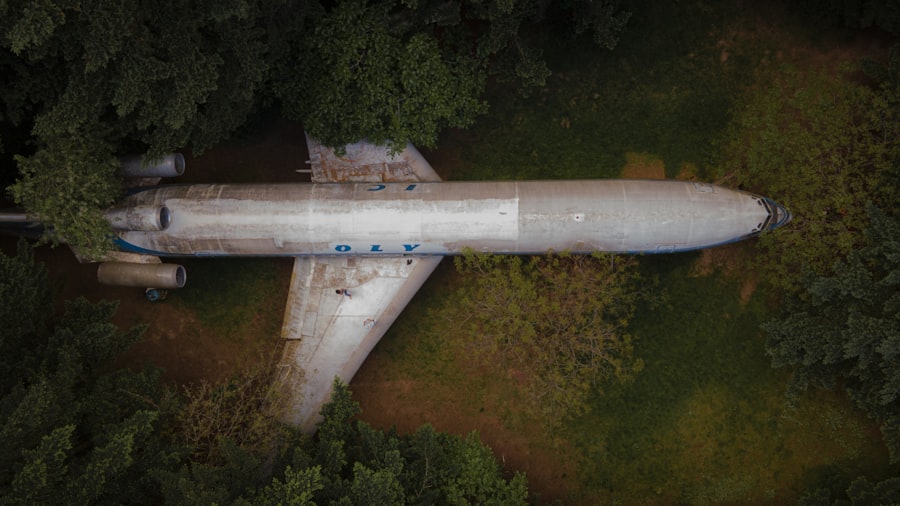
Faced with an existential threat, President Kennedy opted for a strategy that would come to be known as a naval blockade or “quarantine” of Cuba. On October 22, he addressed the nation in a televised speech, informing Americans about the discovery of Soviet missiles and outlining his decision to prevent further shipments of military equipment to Cuba. This bold move was designed to demonstrate U.S.
resolve while avoiding immediate military confrontation. Kennedy’s choice of words was deliberate; he emphasized that the United States would not tolerate the establishment of offensive missile sites so close to its borders. The blockade was implemented swiftly, with U.S.
naval forces positioned around Cuba to intercept any Soviet ships attempting to deliver additional military supplies. This action marked a significant escalation in tensions between the two superpowers, as it effectively placed both nations on a collision course. The world held its breath as military readiness increased on both sides, and fears of an imminent conflict loomed large.
Kennedy’s decision was not without its critics; some advisors advocated for airstrikes against the missile sites, arguing that decisive action was necessary to eliminate the threat once and for all. However, Kennedy’s commitment to a measured response reflected his understanding of the potential consequences of escalating military action.
The World Holds its Breath: The Threat of Nuclear War
As the blockade took effect, anxiety gripped not only Washington but also capitals around the globe. The specter of nuclear war loomed large, with both superpowers poised for confrontation. In this tense atmosphere, communication channels between the U.S.
and Soviet Union became crucial. The world watched as military forces were mobilized on both sides, with each nation preparing for what could potentially escalate into a catastrophic conflict. The stakes had never been higher; millions of lives hung in the balance as leaders grappled with their next moves.
Public sentiment reflected this anxiety, with citizens across the United States and beyond fearing for their safety. Schools conducted drills on how to respond in case of a nuclear attack, and families stocked up on supplies in preparation for potential fallout. The media played a significant role in shaping public perception, with news reports detailing developments in real-time and amplifying fears about an impending war.
In this charged environment, every decision made by Kennedy and Soviet Premier Nikita Khrushchev was scrutinized, as both leaders understood that one miscalculation could lead to devastating consequences.
Backchannel Diplomacy: Negotiations between the US and the Soviet Union
| Metric | Value | Description |
|---|---|---|
| Date | October 16-28, 1962 | Duration of the Cuban Missile Crisis |
| Number of Soviet Missiles in Cuba | Approximately 42 | Medium and intermediate-range ballistic missiles deployed |
| US Naval Blockade | Quarantine Zone | Naval blockade to prevent further Soviet shipments |
| Closest Nuclear Launch Incident | October 27, 1962 | U-2 spy plane shot down; near-launch of nuclear weapons |
| Estimated Nuclear Warheads at Risk | Over 100 | Combined US and Soviet warheads involved in the crisis |
| Duration of Crisis Resolution | 13 days | Time taken to reach agreement and remove missiles |
| Outcome | Missiles Removed | Soviet missiles withdrawn from Cuba; US pledged not to invade Cuba |
Amidst the escalating tensions and military posturing, backchannel diplomacy emerged as a critical avenue for de-escalation. Both Kennedy and Khrushchev recognized that direct confrontation could lead to catastrophic outcomes; thus, they sought ways to communicate discreetly and negotiate a resolution. Secret exchanges between diplomats and intermediaries became essential in navigating this perilous situation.
These backchannel discussions allowed both sides to express their concerns and explore potential compromises without public scrutiny. One pivotal moment in these negotiations came when Khrushchev sent a letter to Kennedy proposing a potential resolution that included removing Soviet missiles from Cuba in exchange for U.S. assurances not to invade the island.
This proposal opened the door for further dialogue and highlighted the importance of diplomacy in averting disaster. Kennedy’s administration responded cautiously but positively, recognizing that a peaceful resolution was preferable to military confrontation. As negotiations progressed, both leaders demonstrated a willingness to compromise, ultimately paving the way for a resolution that would de-escalate tensions and avert nuclear catastrophe.
The Cuban Perspective: Fidel Castro’s Role in the Crisis
While much of the focus during the Cuban Missile Crisis centered on U.S.-Soviet relations, it is essential to consider Fidel Castro’s perspective and role in this pivotal moment in history. As Cuba’s leader, Castro found himself at the center of a geopolitical storm that threatened his nation’s sovereignty and security. He had welcomed Soviet support as a means of bolstering his regime against perceived threats from the United States, particularly following attempts at invasion such as the Bay of Pigs incident in 1961.
Castro’s motivations were complex; he sought to protect Cuba from American aggression while also asserting his nation’s independence on the global stage. However, he was acutely aware that his alliance with the Soviet Union came with risks. As tensions escalated during the crisis, Castro urged Khrushchev to take a firm stance against U.S.
aggression, advocating for a show of strength that could deter American intervention. Yet he also feared that such actions could provoke an all-out war that would devastate Cuba and its people.
The Resolution: The Soviet Union Removes Missiles from Cuba
The resolution of the Cuban Missile Crisis came on October 28, 1962, when Khrushchev announced that he would dismantle Soviet missile installations in Cuba in exchange for U.S. assurances not to invade the island. This agreement marked a significant turning point in Cold War dynamics and showcased the power of diplomacy over military confrontation.
Both leaders emerged from this crisis with their reputations intact; Kennedy demonstrated his commitment to protecting American interests while Khrushchev showcased his willingness to engage in dialogue.
S. surveillance confirming compliance with the agreement.
This resolution not only defused immediate tensions but also laid the groundwork for future diplomatic engagements between the two superpowers. In many ways, it represented a victory for diplomacy over brinkmanship—a lesson learned amid one of history’s most dangerous moments.
Lessons Learned: The Lasting Impact of the Cuban Missile Crisis
The Cuban Missile Crisis left an indelible mark on international relations and provided critical lessons for future generations of leaders. One key takeaway was the importance of communication during times of crisis; both Kennedy and Khrushchev recognized that open lines of dialogue could prevent misunderstandings that might lead to conflict. This realization prompted subsequent efforts to establish mechanisms for direct communication between superpowers, including the establishment of a “hotline” between Washington and Moscow.
Additionally, the crisis underscored the necessity for careful consideration before resorting to military action. Leaders learned that aggressive posturing could escalate tensions rapidly and lead to unintended consequences. As a result, subsequent foreign policy decisions were often approached with greater caution and an emphasis on diplomatic solutions rather than military interventions.
The Legacy of the Crisis: Shaping US-Soviet Relations
The legacy of the Cuban Missile Crisis extended far beyond its immediate resolution; it fundamentally reshaped U.S.-Soviet relations for years to come. In its aftermath, both nations recognized that while ideological differences remained profound, there was also a shared interest in preventing nuclear war. This realization led to increased efforts toward arms control agreements, including treaties aimed at limiting nuclear proliferation and reducing stockpiles.
While tensions persisted throughout subsequent decades, there was an increased awareness that direct confrontation could have catastrophic consequences—an understanding that influenced foreign policy decisions during later conflicts such as Vietnam and Afghanistan.
The Cuban Missile Crisis in Popular Culture: How it’s Remembered
The Cuban Missile Crisis has been immortalized in popular culture through various forms of media—films, documentaries, literature—each capturing different facets of this historical moment. Movies like “Thirteen Days” dramatize events from an insider’s perspective while highlighting key figures involved in decision-making processes during those tense days in October 1962. Documentaries provide historical context by featuring interviews with key players who experienced firsthand what it meant to navigate such perilous waters.
These portrayals serve not only as entertainment but also as educational tools that help new generations understand how close humanity came to nuclear catastrophe during this period—a reminder that vigilance is necessary even amidst ideological divides.
The Cuban Missile Crisis Today: Relevance in Modern Geopolitics
In today’s complex geopolitical landscape, lessons from the Cuban Missile Crisis remain relevant as nations grapple with new challenges posed by emerging powers and evolving threats such as cyber warfare and terrorism. The importance placed on diplomacy over military confrontation continues to resonate; leaders must navigate intricate relationships while balancing national interests against global stability. Moreover, contemporary issues surrounding nuclear proliferation echo those faced during 1962—nations like North Korea and Iran present modern-day parallels where diplomatic engagement is crucial for averting crises similar to those experienced during Cold War tensions.
As history has shown us time and again, understanding past conflicts can inform present-day strategies aimed at fostering peace rather than escalating hostilities—a lesson rooted deeply within our collective memory from one fateful October so many years ago.
The Cuban Missile Crisis remains one of the most significant events in Cold War history, illustrating the precarious balance of power and the potential for nuclear conflict. A related article that delves deeper into the near misses during this tense period can be found on In The War Room. For more insights, you can read the article [here](https://www.inthewarroom.com/).
WATCH THIS 🛑 The Submarine Captain Who Said NO to Nuclear War
FAQs
What was the Cuban Missile Crisis?
The Cuban Missile Crisis was a 13-day confrontation in October 1962 between the United States and the Soviet Union over the presence of Soviet ballistic missiles in Cuba. It is considered one of the closest moments the Cold War came to escalating into a full-scale nuclear war.
Why is the Cuban Missile Crisis referred to as a “near miss”?
The term “near miss” refers to how close the crisis came to triggering a nuclear conflict. Several tense moments and miscommunications nearly led to military action, but diplomatic negotiations ultimately prevented war.
When did the Cuban Missile Crisis take place?
The crisis occurred from October 16 to October 28, 1962.
What triggered the Cuban Missile Crisis?
The crisis was triggered when American reconnaissance flights discovered Soviet nuclear missile installations being built in Cuba, just 90 miles from the U.S. mainland.
Who were the main leaders involved in the Cuban Missile Crisis?
The key figures were U.S. President John F. Kennedy, Soviet Premier Nikita Khrushchev, and Cuban leader Fidel Castro.
How was the Cuban Missile Crisis resolved?
The crisis ended when the Soviet Union agreed to dismantle and remove its missiles from Cuba in exchange for a U.S. public declaration not to invade Cuba and a secret agreement to remove U.S. missiles from Turkey.
What role did the U.S. Navy play during the crisis?
The U.S. Navy established a naval blockade, termed a “quarantine,” around Cuba to prevent further Soviet shipments of military equipment.
Were there any close calls or incidents during the crisis that could have escalated the conflict?
Yes, there were several tense incidents, including the shooting down of a U.S. U-2 spy plane over Cuba and the near-launch of nuclear weapons by Soviet submarines, which could have escalated the conflict.
What lessons were learned from the Cuban Missile Crisis?
The crisis highlighted the dangers of nuclear brinkmanship and led to improved communication channels between the U.S. and Soviet Union, including the establishment of the Moscow-Washington hotline.
Why is the Cuban Missile Crisis significant in history?
It is significant because it was the closest the world has come to nuclear war and demonstrated the importance of diplomacy and crisis management during the Cold War.